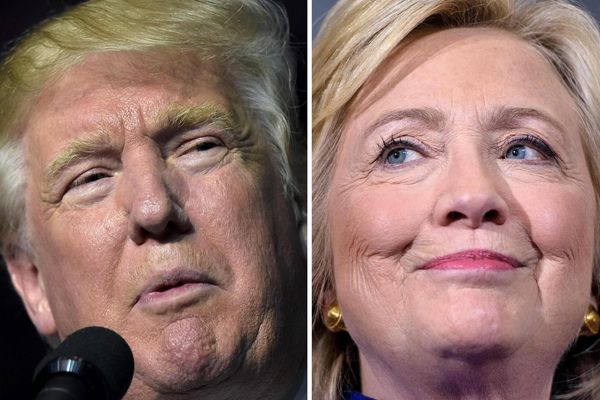
MIAMI _ Donald Trump built his presidential candidacy disparaging foreigners, describing Mexican immigrants as "rapists," comparing Syrians refugees to a "Trojan horse" and promising to build a "great wall" on the southern border.
But in South Florida, Trump helped local developers sell condos to buyers from Latin America and Russia, including people allegedly involved in corruption and wrongdoing, as well as to dozens of anonymous offshore companies.
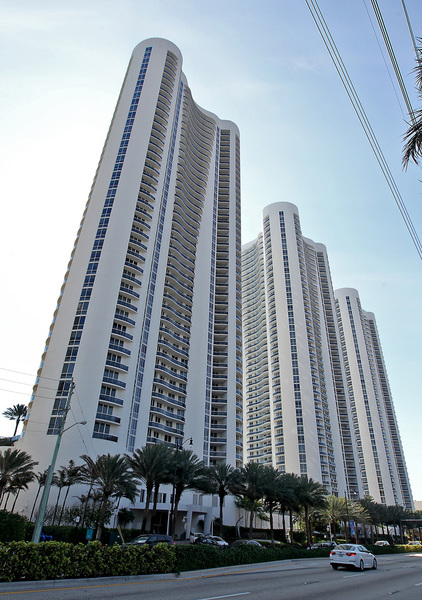
In 2004, Trump signed a licensing deal for an 813-unit condo project called Trump Towers in the city of Sunny Isles Beach. His gold-plated name was used to market the units to wealthy foreigners.
At least 13 Trump Towers buyers have been the subject of government investigations, either personally or through their companies. They include members of a Russian-American organized crime group, a Venezuelan oilman convicted in a bribery scheme and a Mexican banker accused of robbing investors of their life savings.
Nothing Trump and his partners did was illegal, although they profited from a South Florida real estate market that regulators and former law enforcement officials believe is tainted by dirty cash. That's because lobbying has left real estate unregulated compared with many other industries where money laundering abounds. The purchases show how easily illicit funds from around the world can worm their way into local real estate.
Now, Trump is running an "America first" presidential campaign fueled by voters feeling battered by the same global economy he fed off as a developer.
"It strikes me as hypocritical," said Richard Gordon, who played a key role in designing anti-money-laundering rules for the International Monetary Fund and World Bank after the Sept. 11 attacks. "He's repeatedly made comments about immigrants bringing crime to the U.S. ... (But) his principles appear to be doing whatever he can for himself to make money."
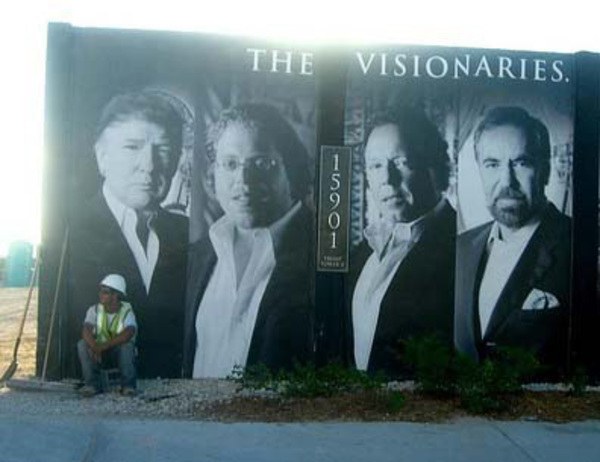
While Trump's name adorns Trump Towers _ signs plastered on the construction site described him as one of the project's "visionaries" _ the Trump Organization didn't own or build the project, or an earlier Trump-branded development several blocks north called Trump Grande. Michael Dezer, the developer who first recognized the massive potential of Sunny Isles Beach, was the driving force behind the condos. His company handled sales.
Trump received a fee for each unit sold. Buyers around the world trusted his brand, hoping his credibility and status would rub off on them when they invested. Trump was especially attractive in Russia, where his purported business connections and frequent praise for Vladimir Putin have become a political flashpoint.
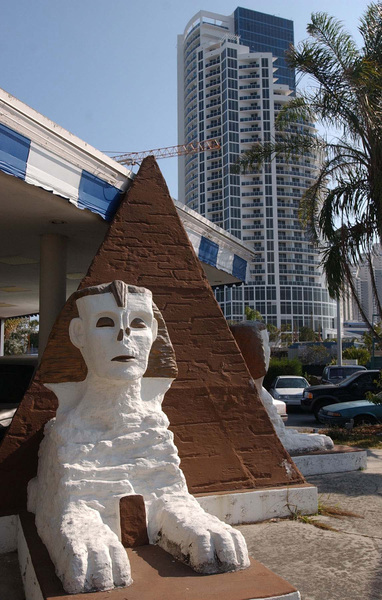
Ultimately, Trump helped transform Sunny Isles Beach _ once a low-slung vacation spot north of Miami Beach popular for its kitschy motels _ into an imposing, high-rise haven for rich Russians and Latin American millionaires.
As a businessman, real estate was Trump's meal ticket. But it's also an area where his financial interests could clash with U.S. policy, as the federal government cracks down on money laundering and tax evasion.
After the publication of the Panama Papers _ an expose of how the rich secretly move money through offshore shell companies, sometimes into Miami real estate _ the Obama administration called for new regulations.
"Every law enforcement agency wants more tools to pursue shell companies," said Brian Bruh, former director of the Financial Crimes Enforcement Network (FinCen), a U.S Treasury Department agency. "Unfortunately, the United States is gaining a reputation as an easy place to launder money."
Earlier this year, FinCen launched a temporary program to monitor shell companies buying pricey real estate in South Florida. The dragnet has contributed to a slowdown in luxury sales.
Should Trump win the election, the developer would be unlikely to support more enforcement, said Richard Painter, former chief White House ethics lawyer for President George W. Bush.
Fewer opaque shell companies mean fewer buyers for Trump-branded condos, posing a conflict of interest, Painter said.
"It's going to have a financial impact on his businesses," said Painter, who added Trump would face a similar conflict in deciding whether to continue sanctions imposed against Russia after its 2014 intervention in the Ukrainian crisis.
The Trump campaign declined to comment for this story.