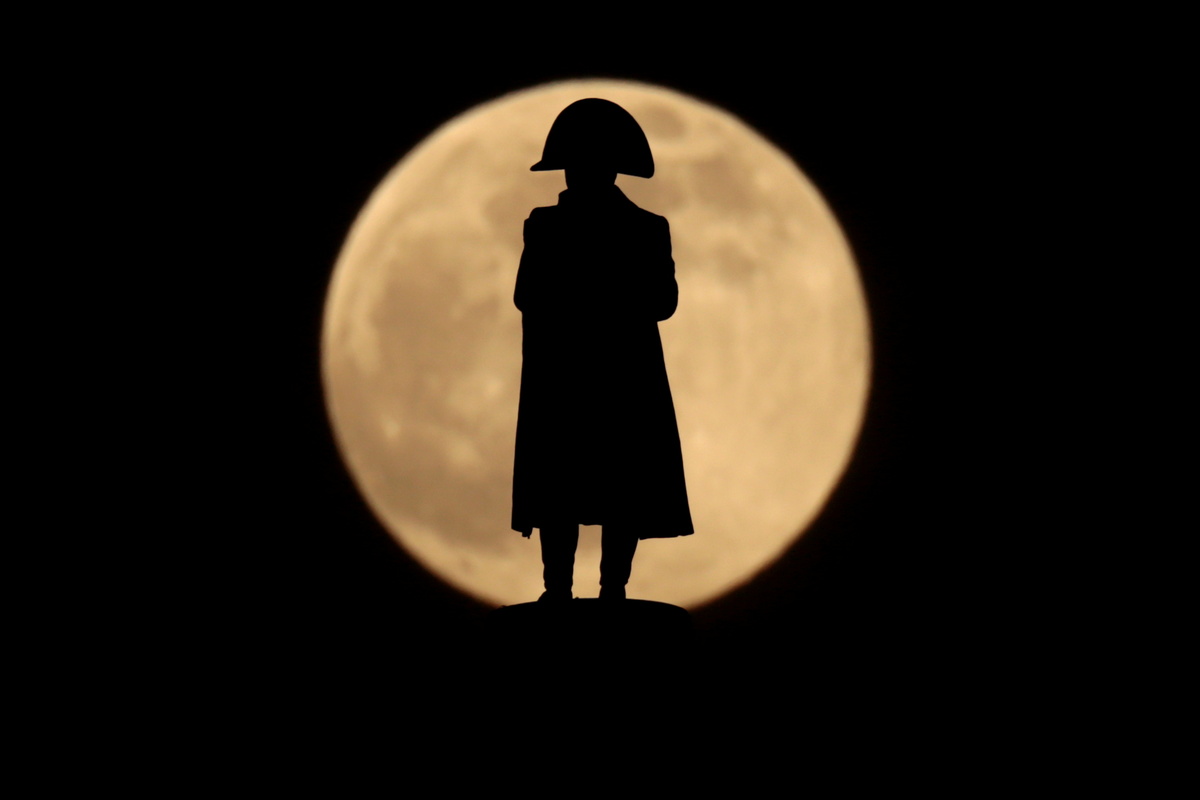
As the bicentenary of Napoleon Bonaparte's death draws closer, an exhibition at Les Invalides in Paris sheds light on his death in exile and his efforts to save his legacy as military genius and visionary leader.
Banished by the British to the windswept, rat-infested island of Saint Helena in the south Atlantic, Napoleon, surrounded by a coterie of close confidantes, wrote his memoir, according historian Lea Charliquart, who co-curated the exhibition, called 'Napoleon is no more'.
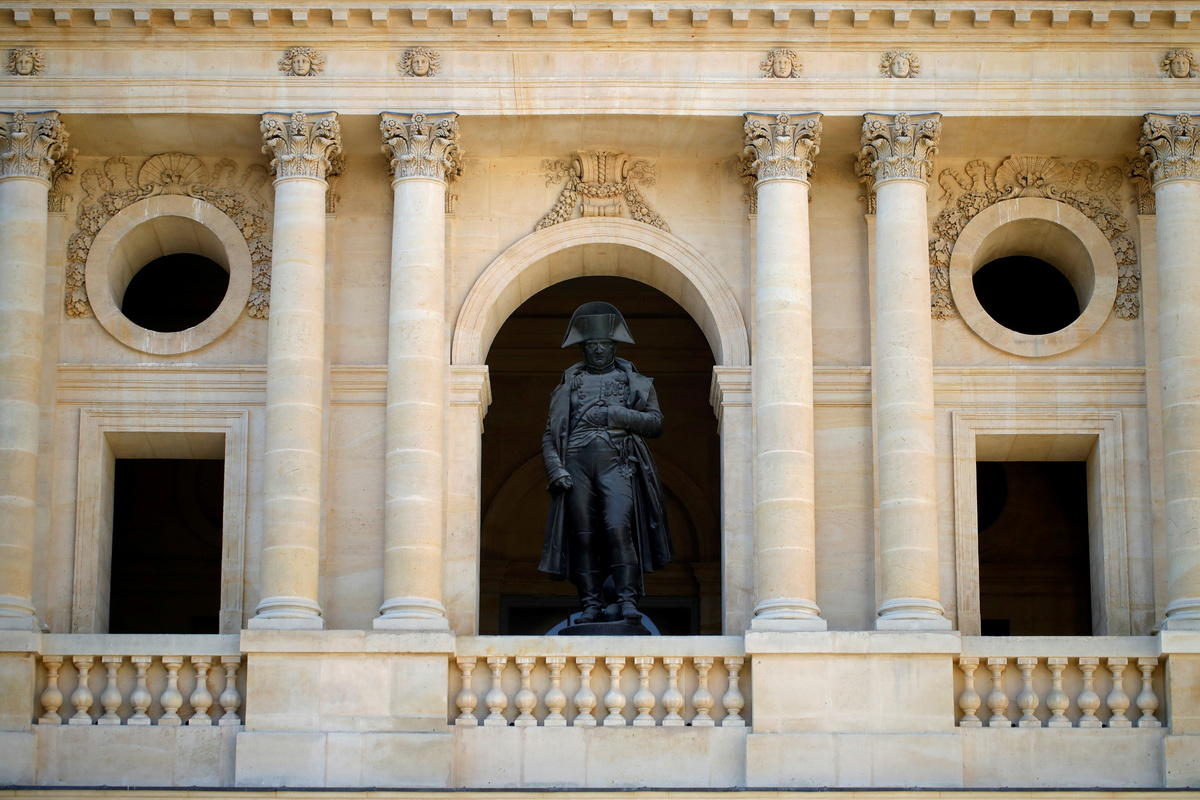
"Napoleon might have sunk into oblivion. However, he uses this period in exile to write his story," said Charliquart. "(He) transforms himself into a martyr. He becomes almost saintly."
Napoleon, who died on May 5, 1821, aged 51, still divides opinion. To some he was a celebrated commander who built a vast empire and in France constructed a modern centralised state. To others he was a despotic tyrant who succumbed to the British at Waterloo.
Among the more-than 200 artifacts on display is an oil painting of an ashen-faced Napoleon lying propped up on pillows, his eyes closed, a hand placed over his stomach and his sword beside him.
There is also his death bed: a plain iron military cot which perhaps was meant to symbolise that the one-time emperor was a soldier to the end.
Napoleon wanted to be remembered as a "fallen emperor who died thousands of kilometres from France on a small volcanic rock," Charliquart said.
"Obviously that's a better look than dying in captivity in a musty-smelling house."
Buried on Saint Helena at the demand of the British, Napoleon's wish had been that he be laid to rest "on the banks of the river Seine, amongst the French people that I loved so much."
Nearly two decades later, his body was exhumed in a remarkably preserved state.
"This episode completes the legend. It's as if Napoleon is so powerful he can overcome nature's force," Charliquart said.
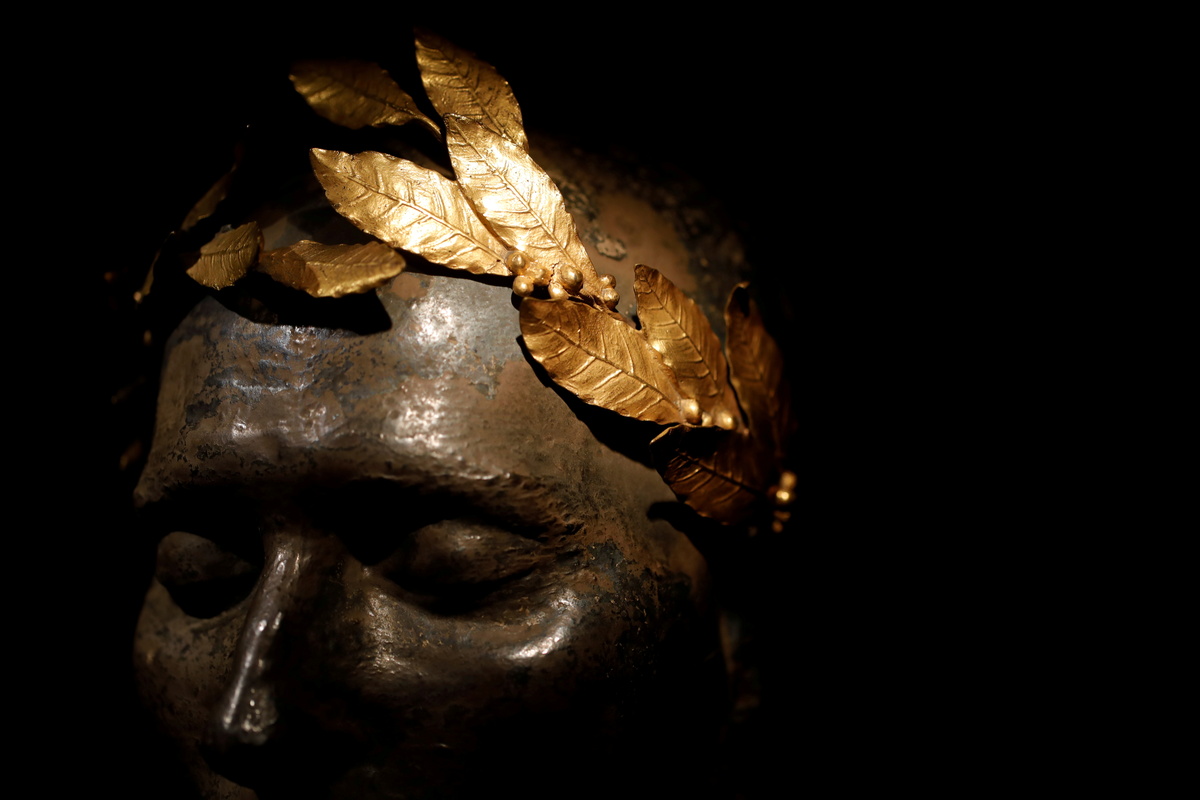
The exhibition is not yet open to the public due to coronavirus restrictions.
(Reporting by Michaela Cabrera; writing by Richard Lough; Editing by Raissa Kasolowsky)