
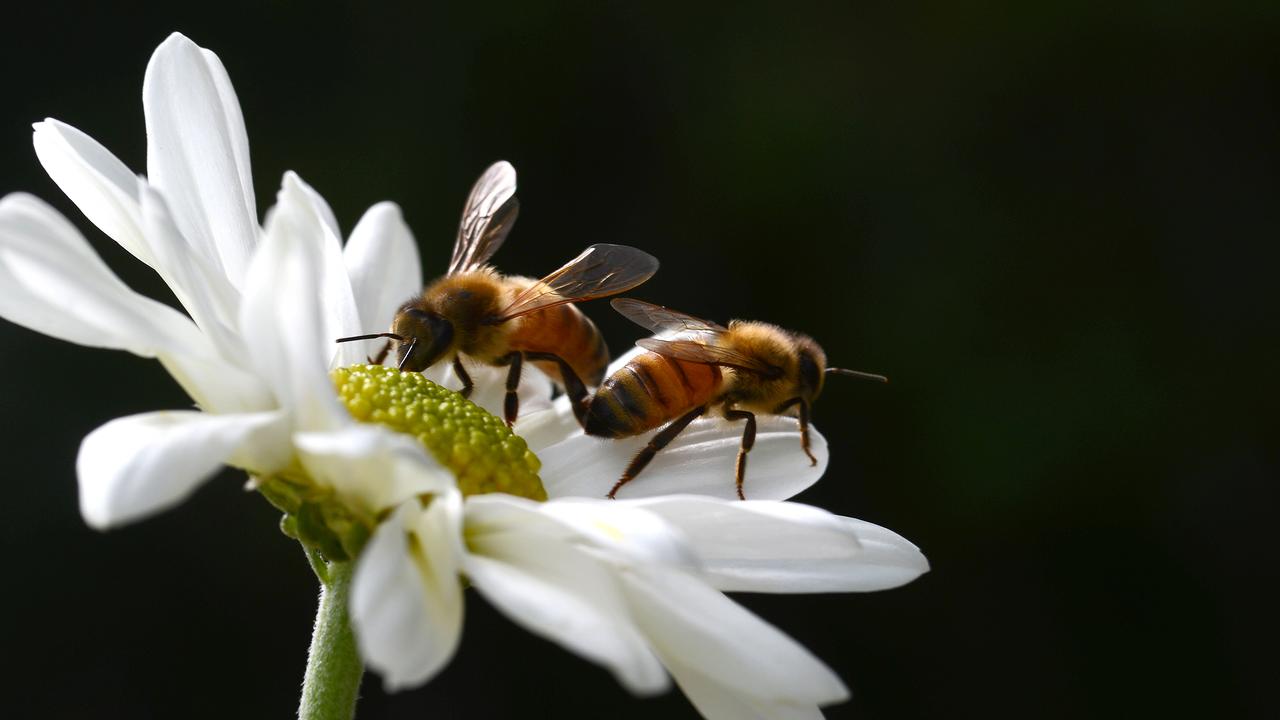
A parasite expected to decimate feral bee populations is continuing its march across the country, but experts hope a unique island population of bees can be preserved.
The varroa mite was first discovered in sentinel hives in a NSW port in 2022, and has since been found in bee hives in Victoria, Queensland, ACT, and South Australia.
The pest weakens and kills honey bees, which pollinate about one-third of Australia's total food production, and eradication attempts have been abandoned in favour of a management approach.
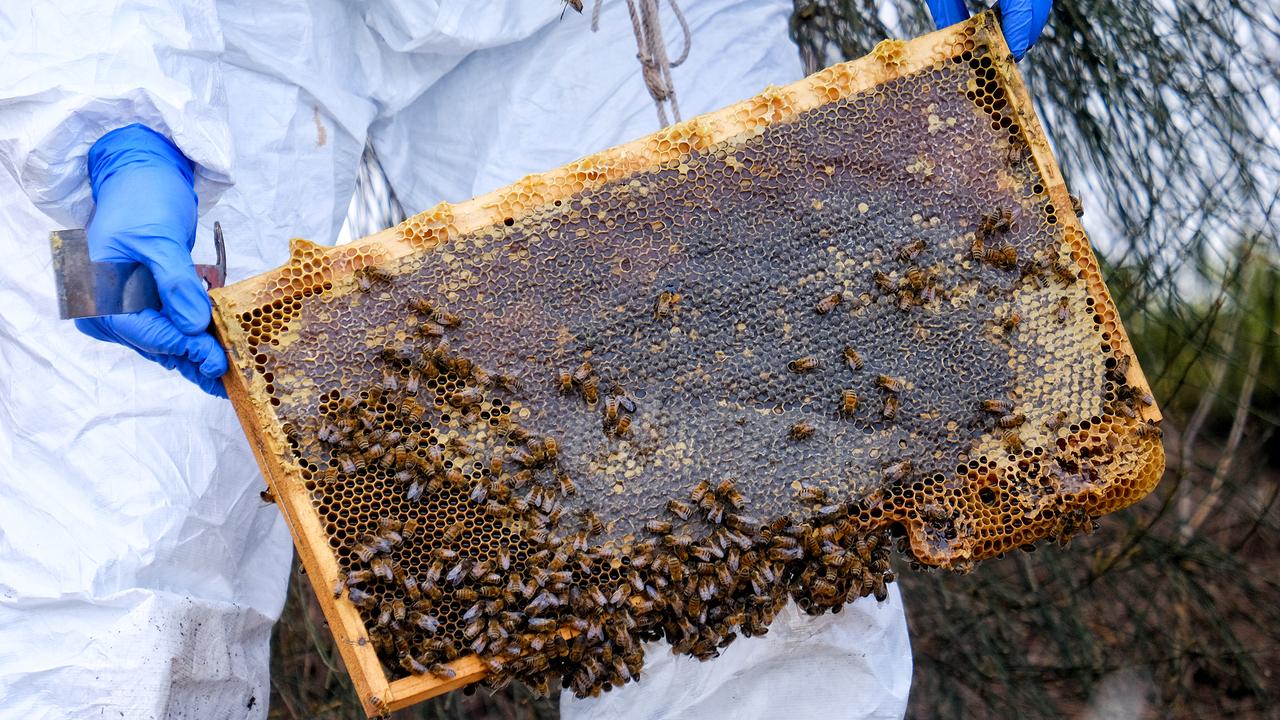
Department of Primary Industries and Regions Chief Veterinary Officer Skye Fruean said the pest was first detected in South Australia in the Riverland in September, and has now been found in hives in the Coorong region in the state's south-east.
It has also been found in hives on the Limestone Coast, the Adelaide Hills and the Fleurieu Peninsula.
The mite lives on the bees, "a bit like a flea lives on a dog," Dr Fruean said.
"The difference is that it can actually kill the bees. If there's enough of the mites there, it will cause colony collapse, but that's in an unmanaged hive."
Biosecurity measures are crucial, especially for Kangaroo Island, which is home to the oldest bee sanctuary in the world.
Ligurian bees were brought to the island from Italy in 1884, and the site was declared a sanctuary in 1885.
Because they have been protected from disease and breeding with other honey bees, the island's population is the purest strain of Ligurian bee remaining in the world.
"The bee populations there are unique - we want to keep the island as clean and pristine as we can, because it's a real opportunity there to protect its status," Dr Fruean said.
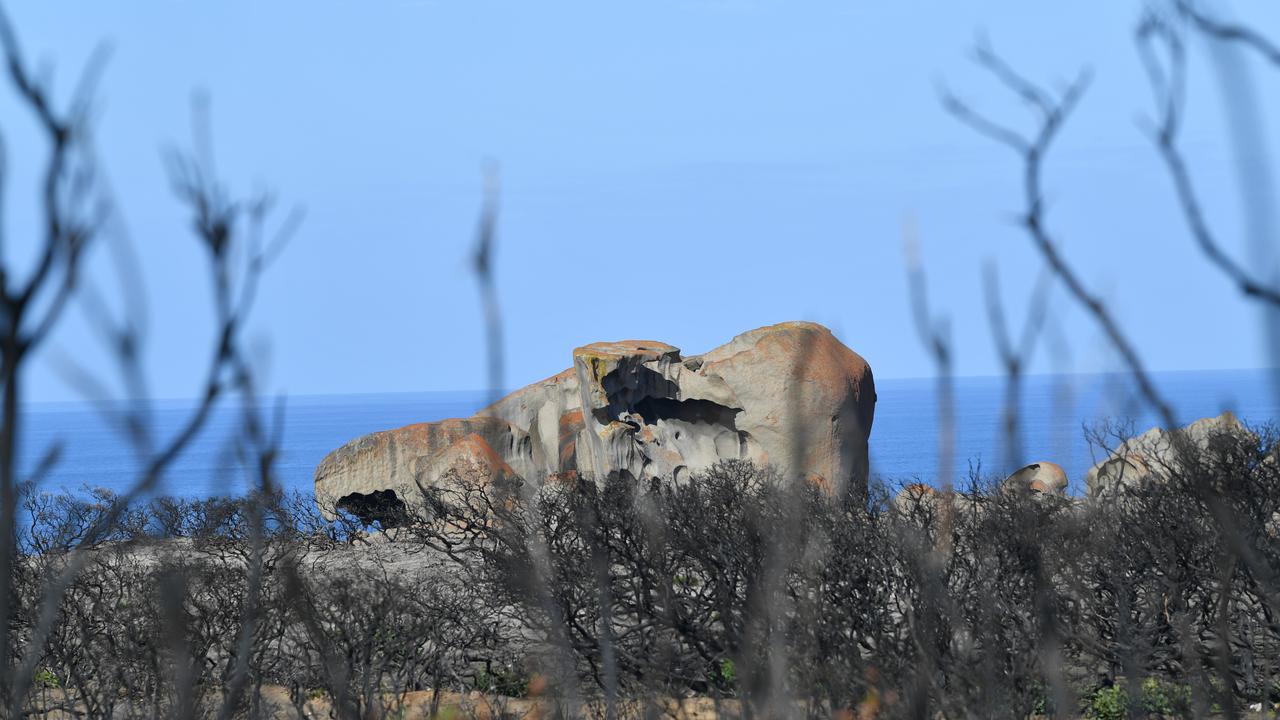
It was crucial for visitors to clean footwear and vehicles before arriving on the island, which is 13km from the mainland.
Elsewhere the department's varroa development officers are "proactively supporting registered beekeepers, conducting surveillance and providing support … particularly (for) those in the vicinity of detections," Dr Fruean said.
"They can give advice on how to monitor hives and ... if they're picking it up early, they can then treat and manage it, just like you would with any other parasite on yourself or on your pets."
The mite can transmit numerous viruses to their hosts, and is challenging to eradicate due to its ability to go undetected - which is bad news for feral bees.
"Unfortunately, there's not a huge amount we can do to manage varroa mite in feral bee populations, which do provide a free pollination service to a lot of people," Dr Fruean said.
"A pretty significant decline" was expected in that population, which meant that industries dependent on pollination services "would need a plan in place for how they're going to manage that".