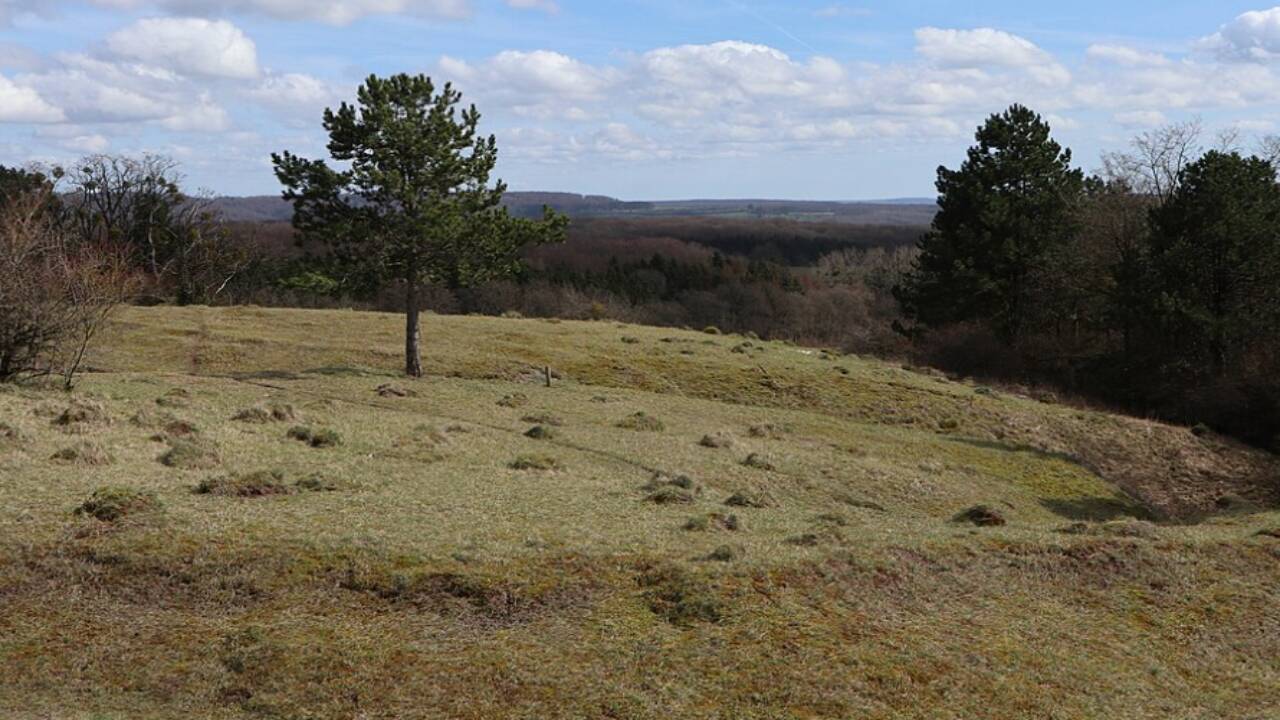
Doty Ravine Preserve near Lincoln, California, was once dry grassland cut by a single straight, badly eroded stream channel, a type of degraded waterway found across much of the American West after more than a century of agricultural drainage. Today, the same site is a lush, self-sustaining wetland, and the transformation was largely carried out by beavers rather than heavy construction equipment.
Get breaking news anytime, anywhere. Download the TOI app now!
According to the Placer Land Trust , which owns and manages the preserve, the original stream ran arrow-straight, its banks eroded and collapsing directly into the water below, with the remains of century-old levees still visible nearby. Tall, dry grass stretched across the property, shaped by decades of conventional agricultural practice that prioritised draining land quickly and moving water off the property. That approach left little standing water and limited habitat for most wildlife, except species already adapted to dry, degraded grassland.
Choosing to work with beavers instead of removing them
Rather than continuing to treat beavers already living on the property as a nuisance to be trapped and removed, Placer Land Trust adopted what conservationists call process-based restoration. According to the United States Department of Agriculture , the approach centred on ending lethal trapping of the resident beaver population. Restoration crews also removed old concrete levees, reinforced existing beaver dams so they would hold up under high water flows, and installed human-made structures called beaver dam analogues, artificial log jams built to encourage beavers to expand them naturally. Set up the right physical conditions, then let beavers reshape the stream on their own.
From dry grassland to a landscape full of wood ducks
According to Defenders of Wildlife , Doty Ravine now consists of 60 acres of restored floodplain, supported by roughly 1,500 feet of active beaver dams and 3,900 feet of stream channel winding through the property. The site became self-sustaining in 2018, after several years of managed restoration work that began around 2015. Placer Land Trust's own account of the transformation describes honeybees and other pollinators moving through wildflowers and native plants, egrets wading in shallow water, and wood ducks paddling in the deeper pools the beavers have created. Beaver activity changed how water moves through the landscape, allowing it to soak into the ground rather than rush downstream and helping surrounding vegetation stay green through the dry summer months.
Why wood ducks specifically benefit from beaver-engineered wetlands
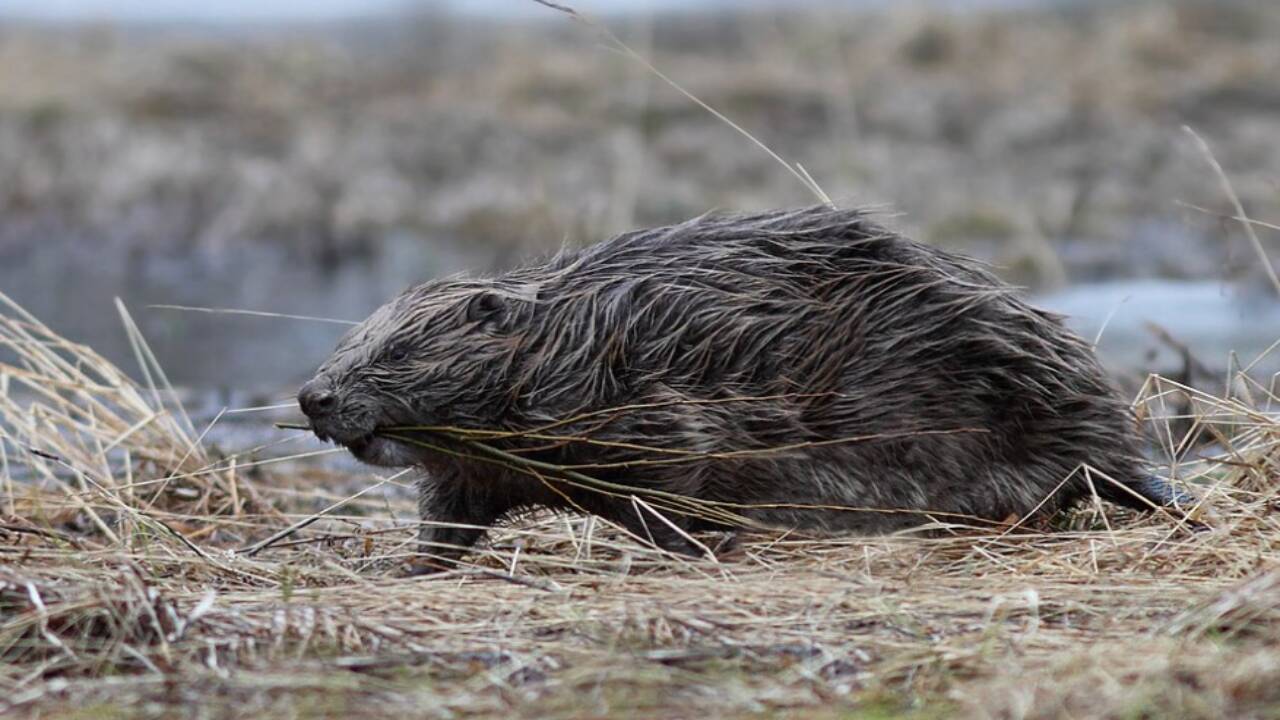
The connection between beavers and wood ducks is not unique to this one preserve. According to the California Department of Fish and Wildlife, wood ducks inhabit wooded wetlands, slow-moving streams, marshes and beaver ponds, while California's Central Valley supports the largest breeding population of wood ducks in the western United States. Slower-moving water behind beaver dams supports a richer mix of aquatic invertebrates and plant growth than the fast, shallow riffles of a straightened agricultural channel, and calmer water also lets ducklings move around safely without expending extra energy. Beaver lodges often include underwater food caches made from stems and leaves, which can promote algae growth and concentrate invertebrates that adult wood ducks and their young can feed on. Restoration experts have pointed to Doty Ravine as an example of how reintroducing a keystone species can reshape a landscape, providing wildlife habitat, a firebreak against wildfire, and recharged groundwater at lower cost than a fully engineered project.
Doty Ravine's transformation is very well documented as becoming self-sustaining in 2018, following restoration work that began around 2015. A specific claim tying this transformation to the year 2024 could not be independently verified beyond a well-attended field trip and tour that took place at the preserve that year, drawing representatives from the California Department of Fish and Wildlife and the California Natural Resources Agency.
Stay updated with the latest news on Times of India. Get all the trending City News, India News, Business News, and Sports News. For Entertainment News, TV News, and Lifestyle Tips, visit Etimes.