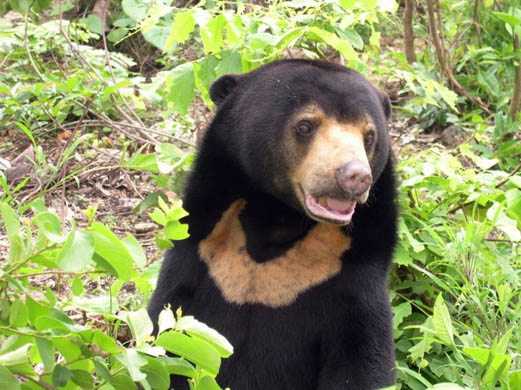
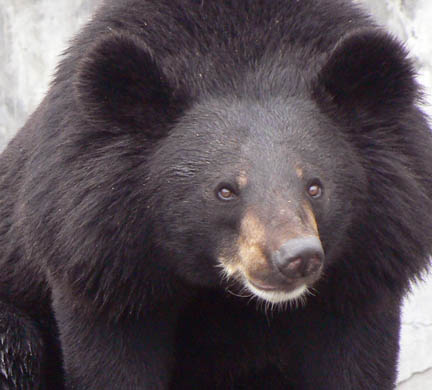
The IUCN said despite claims that panda populations were on the rise due to a ban on logging, the creation of panda reserves and reforestation programmes, it still considered the bear to be endangeredPhotograph: David GarshelisThe sun bear, the world's smallest bear which lives in south-east Asia, Sumatra and Borneo, has been included on the list for the first time, and is classed as vulnerable. It was previously listed as “data deficient” because not enough was known about the speciesPhotograph: Gabriella FredrikssonHabitat loss due to logging, expansion of human settlements, roadway networks and hydro-power stations, combined with hunting for skins, paws and especially gall bladders are the main threat to the Asiatic black bearPhotograph: David Garshelis
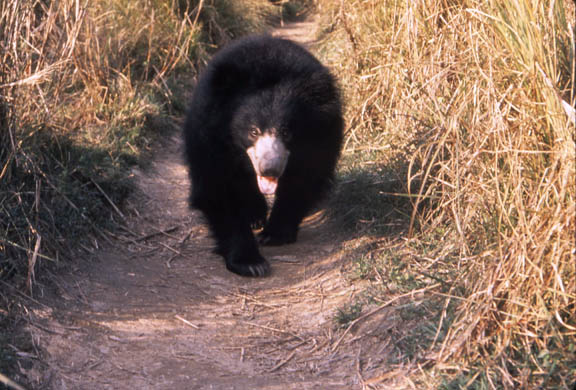
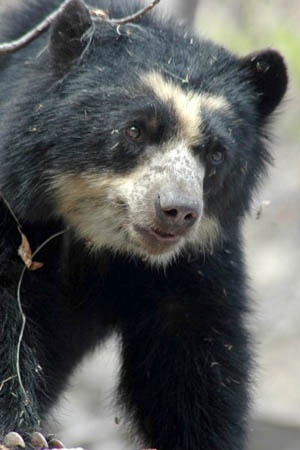
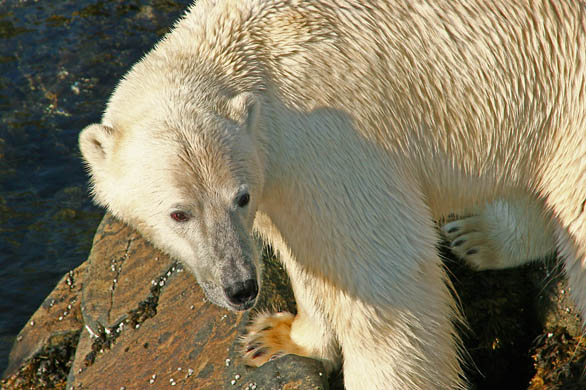
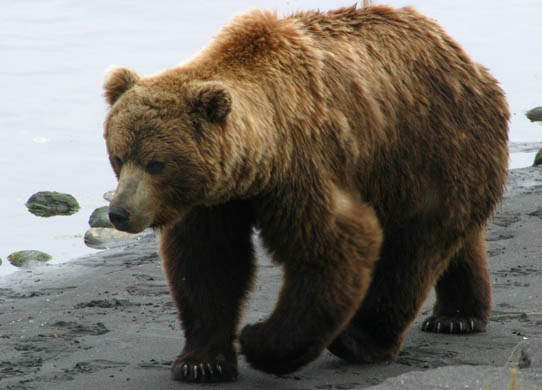
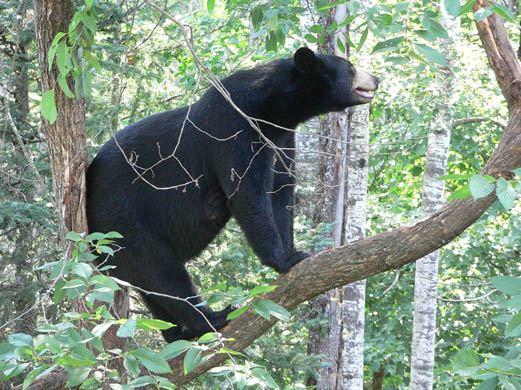
Sloth bears live on the Indian subcontinent in Sri Lanka, India, Bhutan, Nepal and Bangladesh, where habitat loss has been severe. They have found sanctuary mainly in the reserves set up to protect tigers. The bear specialist group has indicated this species may have disappeared entirely from BangladeshPhotograph: David GarshelisSo named because they inhabit that Andes mountains of South America, the Andean bear faces considerable threat from increased agriculture combined with an expansion of mining and oil exploitationPhotograph: Robyn AppletonTechnically a marine mammal, the polar bear is distinct from the other terrestrial bears. It lives throughout the ice-covered waters of the Arctic and relies almost entirely on the marine sea ice environment for its survival, so global climate change poses a substantial threat to its habitatPhotograph: Elizabeth PeacockOnly two bears - the brown bear and the American black bear - were listed as being of “least concern”. Brown bears, the most widespread species, are not listed as being threatened globally because large numbers still live in Russia, Canada, Alaska and some parts of Europe. However, the IUCN said very small, isolated and “highly vulnerable” populations exist in southern Europe and central and southern Asia Photograph: Ivan SeryodkinOnly the American black bear is secure throughout its population range, which includes Canada, the US and Mexico. With a population of 900,000, the IUCN said there were more than twice as many black bears than all other species combined. They are legally hunted in most parts of their rangePhotograph: David Garshelis
Sign up to read this article
Read news from 100’s of titles, curated specifically for you.