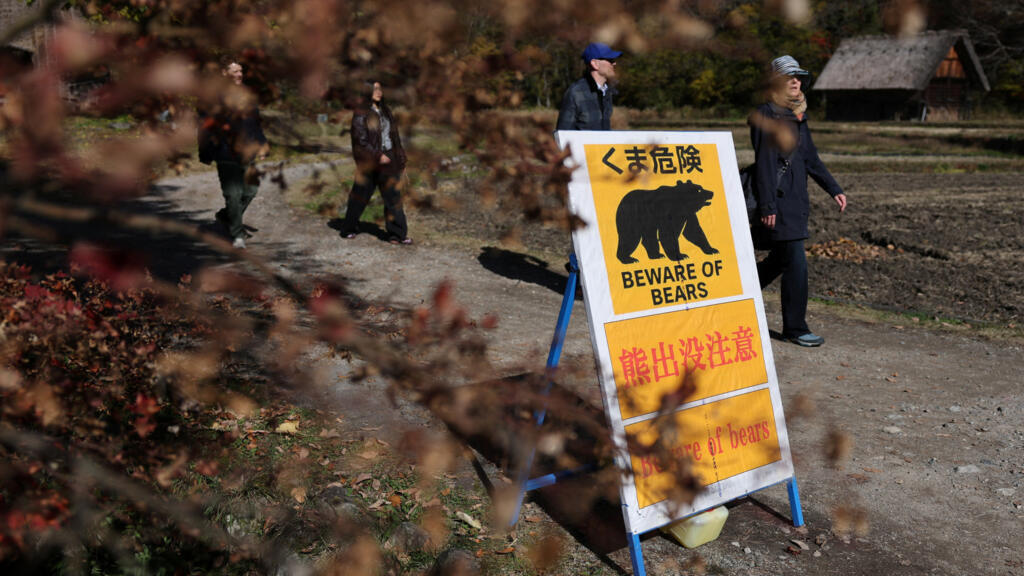
Bear attacks are on the rise across parts of Asia, Europe and North America, with experts pointing to more encounters between bears and people, disrupted food supplies and habitats reshaped by a warming climate.
Japan has seen the starkest rise in attacks. Seven people were killed in October and authorities counted 88 incidents that month. With 13 deaths so far this year, the country has reported its highest number of bear-related fatalities on record.
In the country's northern Akita province, officials have called in the army in an attempt to manage the situation.
"It is surprising. Attacks happen from time to time in Japan, but it is getting worse lately. What also surprises us is that we do not know all the factors behind this rise in attacks," David Garshelis, vice president of the International Union for the Conservation of Nature (IUCN) Bear Specialist Group, told RFI.
Melting Arctic ice sees 56 hungry polar bears gather near a Russian village
Spike in Central Europe
Across Europe, scientists who track large predators say bears are appearing more often in places where they were once rarely seen.
"It's happening in Slovakia, in Romania, in Slovenia too… and in Greece as well, where there are practically no attacks on humans but bears still come into villages," said Djuro Huber, an emeritus professor at the Faculty of Veterinary Medicine at the University of Zagreb, Croatia.
After several attacks in 2024, the Slovakian government declared a state of emergency across two thirds of the country. The environment minister said encounters between people and bears jumped from 650 in 2020 to 1,900 in 2024.
This rise has reshaped long-held assumptions about how often people and bears meet. Bear attacks remain rare but have increased from "less than two a year from 1999-2003" to "nearly 11 a year since 2021", explained Robin Rigg, president of the Slovak Wildlife Society.
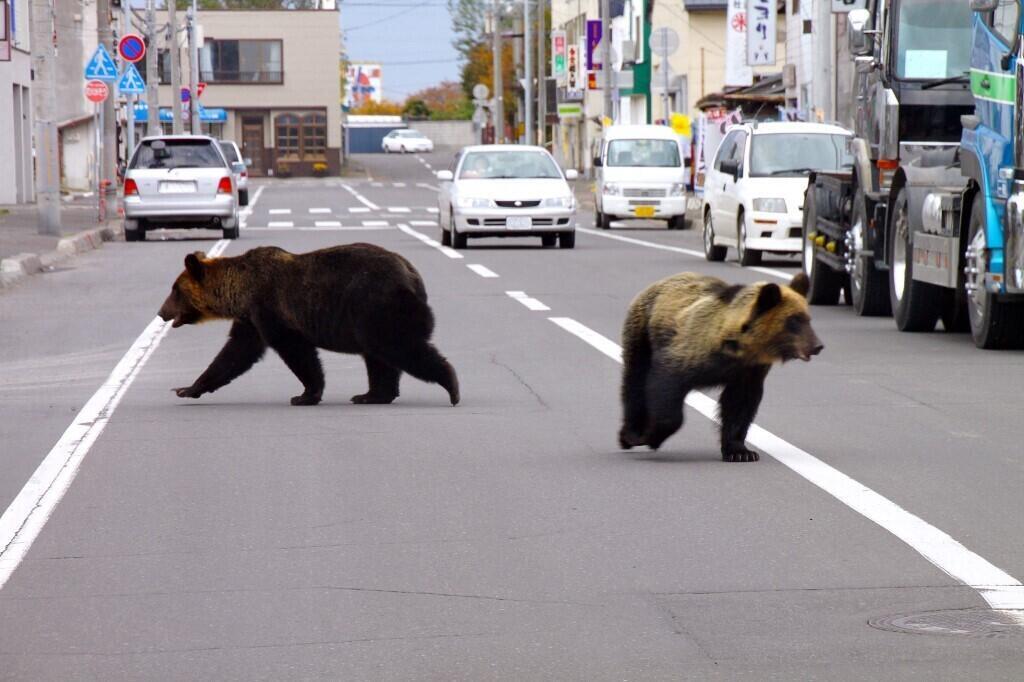
Human behaviour
The pattern reflects a simple link: the more encounters, the higher the risk. And encounters increase when outdoor activities expand into places where bears live.
"We see, for example, more human presence in bear zones. And with activities that carry high risks, like going jogging in a bear zone or taking selfies with bears," said Guillaume Chapron, a French carnivore expert at the Swedish University of Agricultural Sciences. "Unfortunately, this kind of situation can end badly."
Stronger bear populations are not the main reason behind the trend – and are actually a conservation success, Chapron added. “We can say it is a success for nature conservation. We see the same with wolves and lynx in Europe."
Experts stress that most bears try to avoid people and usually react only when startled or threatened.
"When a bear attacks a person, the most common reason is fear. But it does not attack to kill you, even less to eat you," Huber said. "A common example is when a mother wants to protect her cubs."
Sea Shepherd offers €30,000 'bounty' to identify killer of bear in French Pyrenees
Bears near homes
What worries many experts is how close bears are now getting to people’s homes.
In Japan, they have been spotted in village streets and even inside a supermarket. Some link the change to rural areas losing residents, leaving space that wildlife quickly fills.
"Humans leave what is considered suitable habitat by bears, so bears settle there and the small remaining rural population finds itself facing a high number of bears," said Garshelis.
Waste left in the open is also drawing bears into towns.
"It is because of people who do not dispose of their waste properly. All the countries that have bears in the Americas understood this a long time ago, but we are still discovering it," Huber said.
Even small changes to farming can alter bear behaviour. In northern India, in the Himalayas, farmers switching from growing potatoes to lettuce "was enough to attract bears", Garshelis added.
Bear trouble spreads in the French Pyrénées: Pt.1
Climate change impact
Scientists say warming temperatures are likely to be playing a role too.
"We can expect shorter hibernation periods, which could also lead to more human-bear interactions... even loss of natural habitat for bears that could have a negative impact on their behaviour," said Rigg.
Researchers have yet to determine exactly how warming temperatures are reshaping bear habits, but early signs point to real shifts.
"We still do not understand very well how this affects bears," Garshelis said, noting that changes are already visible in some regions. In the Himalayas, for example, Asian black bears are now appearing in areas that previously offered unsuitable altitude and climate.
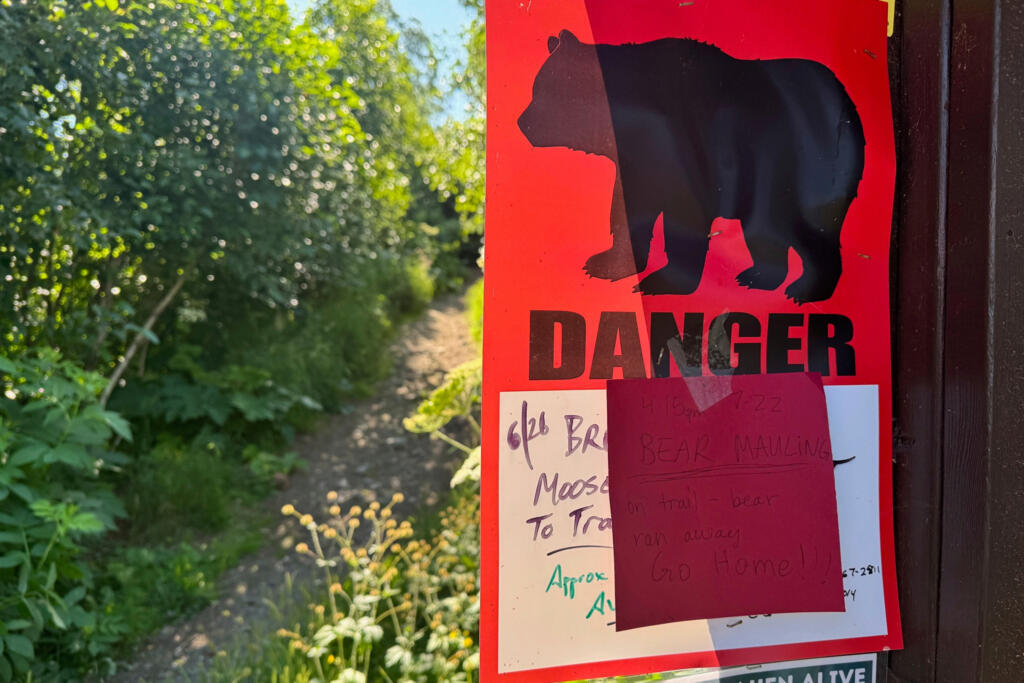
In Uttarakhand in northern India, five people have been killed this year by Asian black bears, The Indian Express reported. State officials linked the rise in attacks to changes in bear behaviour tied to warmer temperatures, food shortages, poor waste management and damage to habitat.
An unnamed wildlife official in the town of Badrinath told the newspaper that the animals are also delaying hibernation. “Usually, the bears leave in early November, but this year they have raided crops, attacked humans and eaten their livestock,” he said.
Japan shows similar signs of change. Successive storms have damaged vegetation and reduced food supplies, with beech nuts hit especially hard. Japanese experts had warned in 2023 that food shortages were pushing bears towards towns ahead of hibernation.
Rising bear numbers in French Pyrenees mask long-term fears for species' survival
However, despite the global rise in attacks, experts emphasise that the overall danger to people remains low. "In general, you are more likely to be struck by lightning," Chapron said.
The IUCN Red List classifies six of the eight bear species as vulnerable, with only the brown bear and the American black bear considered of lesser concern.
This article was adapted from the original version in French by Léo Roussel.