Official statistics matter. They help individuals make informed decisions as much as shape social and economic policy. This is central to what the Office for National Statistics (ONS) does.
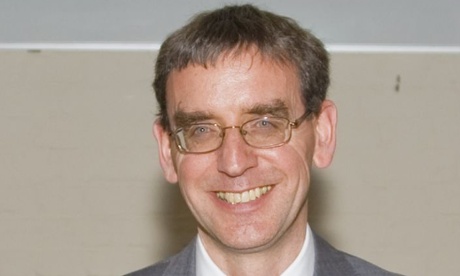
Information - the way we collect it, the way we use it and the difference it makes - is changing rapidly. National statistician John Pullinger explains his view of the future, the new roles being created to support this and why he thinks it’s important.
What is ONS? What does it do and why does it matter?
At the heart of our statistical system is the UK Statistics Authority. ONS is its executive arm employing just over 3,500 people across the country.
Any decision we take as an individual, an organisation or as a country relies on our view of the world around us, the evidence that we can draw on. Official statistics are a big part of the national evidence base; they help us make better decisions. The volume of statistical information published is staggering. Decisions based on our numbers mean what we do touches the lives of everyone in the UK.
What does the future look like for ONS?
I think that what we will be doing in five years time will be very different. The world is changing quickly. The information we have available to us now would have been unthinkable even 10 years ago. The trend is accelerating.
I believe more data will be real-time. The way we interact with people, the services we offer, will be much more tailored. People will get the information they need from us when they want it and in the way they want it.
There is an increasing appetite for evidence, analysis and advice. Official statistics provide exceptional insight and this will earn a place at the table where the most important decisions are made.
Among those who use our statistics, there’s already a will for us to succeed and people want more of what we’re doing. We need to find new ways of mobilising not just the data we have now, but what we will have access to in the future. We need to challenge the way we work and bring out the best in the talented and passionate people who work for us.
How is data science different from producing statistics?
As our world gets more complex, so too do the questions we need to answer. The richness of the data we have to answer the difficult questions means that, as well as being able to use statistical skills, we need to extend our analytical skills. We have to know the strengths and weaknesses of datasets, what they can be used for and what are their limitations. For example, large, unstructured datasets available potentially in real time, can be linked to traditional data to give unprecedented insights.
We also need to understand the technology and how this can help us get the most from what we have available and get it to the people who need it as quickly as possible. Data science draws these related strands together.
You’re recruiting a director of digital, technology and methodology. What can the successful candidate expect?
Most importantly, the opportunity to make a real difference. He or she will lead on the development and provision of digital services, technology and methodology to support the delivery of the business. This is an exciting time and the successful candidate will be exploring new, innovative ways to meet the statistical needs of the business and build resilient, leading edge digital capabilities.
There will be challenges too. He or she will be expected to deliver continuous improvements, reduce costs and improve the value of our investments.
What type of person are you looking for to fill the director role?
I expect this person to be a proven leader, someone who can lead specialist teams and who has already led - and delivered - a large digital transformation programme. They need the skills to be able to think differently about how services are delivered and how the organisation collects and assembles the wide range of data for which it is responsible. The successful candidate will need a robust knowledge of statistical methodology, data analytics, digital and technical development.
You’re also recruiting a chief data scientist. What’s their place in this?
The chief data scientist’s (CDS) role is central to achieving our future aspirations. He or she will have a senior position as a deputy director with a division of around 100 people. There’s an established data science project underway in the division and the CDS will be making sure the project gets the resources and support needed to make it a success. The CDS will represent the project at senior levels inside ONS and across government. More widely, the division also has responsibility for the closely related areas of big data and innovation labs.
As well as the projects the CDS is directly responsible for, he or she will be called on for expert advice by colleagues across the Government Statistical Service.
What sort of person are you looking for to fill the role?
I want the successful candidate to have strong analytical skills, particularly in relation to large data sets. As important will be the ability to give clear leadership to a large multi-disciplinary team. This is a quickly changing environment so the CDS will need to be able to be a vigorous and creative innovator.
The post holder will be representing official statistics at a senior level and must be confident in setting up and maintaining successful relationships with stakeholders, customers and data providers.
How will these two new roles make a difference?
These important posts will be part of a newly formed area focused on ‘data capability’. The remit is broad and these two roles will look across the entire statistical system, not just what happens in ONS. Having a cross-government perspective means we have a real opportunity to make a significant difference to the way data are accessed, used and published.
Why join ONS? Why now?
This is an incredibly exciting time for ONS and for everyone here. The expectations of the people who rely on our services are changing - and changing fast. These two roles will be shaping the way we find out about the country we live in and the decisions we make at all levels.
Is there anything else a candidate needs to know?
No. Just apply. I am looking forward to getting your application.
To find out more about the roles and to apply click here.
Produced by Guardian Jobs to a brief agreed with The Office for National Statistics.