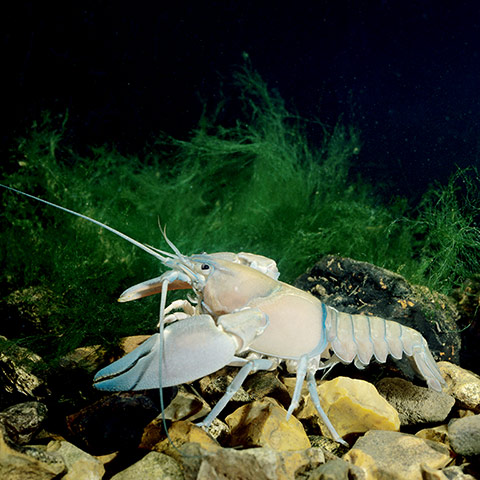
Why is it dangerous? It’s 30 years since the American signal crayfish was introduced into Britain for aquaculture purposes. It is a fast-growing, aggressive and voracious species which has few natural predators once it reaches maturity. It has had a huge impact on the ecosystems it has colonised so far
More information bit.ly/observercrayfish
Where to report your sighting nonnativespecies.org/recording
When to spot it All year Photograph: Natural Visions/Alamy
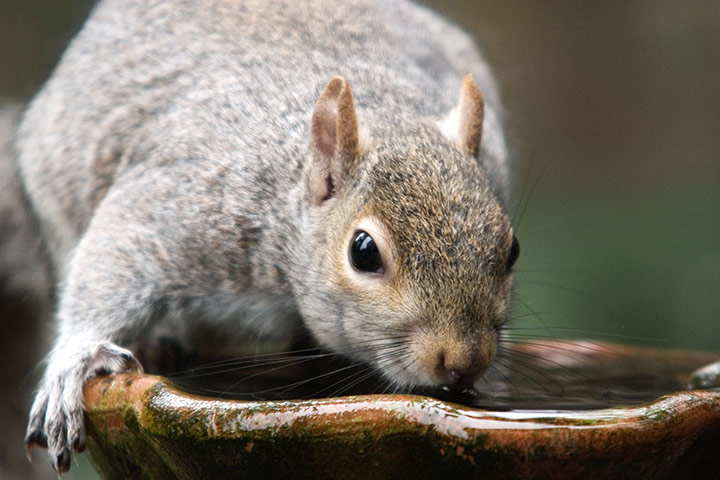
Why? One of the most familiar animals in Britain, the grey squirrel has only been present for the past 150 years. They are loved and detested in equal measure, but sadly they have caused the extinction of red squirrels across much of Britain
Report to bit.ly/observersquirrel. If you happen to see the less well-known black form of the grey squirrel please send the data to bit.ly/observerblack
When to spot it All year Photograph: Andy Myatt/Alamy

Why? A tiny deer often confused with a large dog when seen running off. They are native to Southeast Asia and were first brought to this country by the Duke of Bedford almost a century ago. Escapees have thrived in the wild and the population has grown rapidly. Scientists are not yet sure about the extent of the small deer’s impact
More information bds.org.uk/muntjac.html
Report to nonnativespecies.org/recording
When to spot it All year Photograph: David Chapman/Alamy

Why? Just a couple of decades ago it was a novelty to see small flocks of green parakeets in London suburbs. However, there is concern over damage to orchards and potential competition for nest sites with some native birds. Defra is closely monitoring the impact of their populations
More information
Report to birdtrack.net/
When to spot it All year Photograph: Arco Images/Alamy

Why? Established in many ponds thanks to releases of unwanted pets. Why care about a few released pets? Well, that’s what some thought about parakeets a couple of decades ago. It shows how some species can become established in Britain. We do not yet know the extent to which it is reproducing
More information bit.ly/observerterrapin
Report to alienencounters.arc-trust.org/reporting.php
When to spot it All year Photograph: Nick Greaves/Alamy
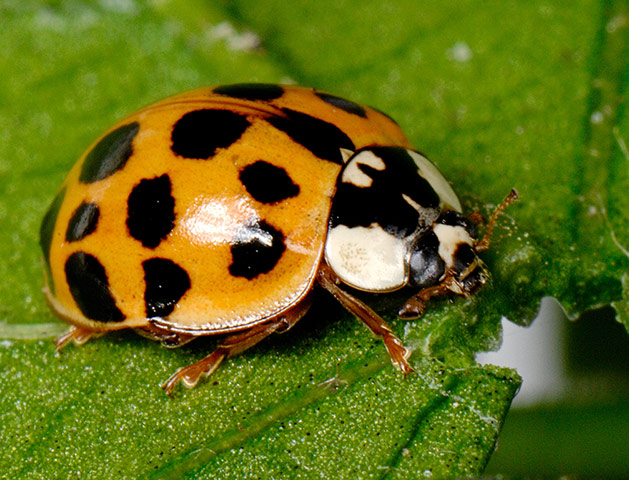
Why? The Harlequin ladybird arrived in Britain in 2004 and has already spread to most of England. The concern is that it could out-compete and even prey on native ladybirds. The jury is still out on the effects of it, but initial evidence suggests it probably is having a negative effect
More information ladybird-survey.org
Report to ladybird-survey.org
When to spot it All year. Mostly outdoors in the summer and indoors through the winter Photograph: Nigel Cattlin/Alamy

Why? One the most obvious colonists of recent years thanks to the tremendous damage it does to horse chestnut trees, turning them brown by midsummer. Ten years ago it was unknown in Britain, but now dead-looking horse chestnuts are accepted as normal in much of England. Will 2012 be the year it reaches Scotland?
More information conkertreescience.org.uk
Report to conkertreescience.org.uk
When to spot it From June to November Photograph: Richard Andrews/Alamy
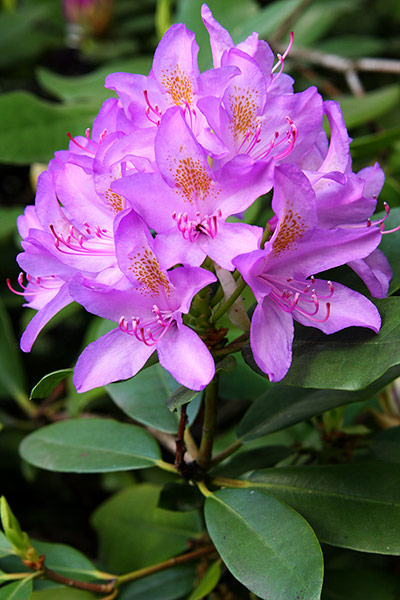
Why? Victorian plant explorers were constantly hunting for new species of rhododendron in the foothills of the Himalayas. The pink-flowered species (Rhododendron ponticum) has since invaded many woods, shading out native plants and hosting a fungus (Phytophthora) that kills some forestry and native trees
More information bit.ly/observerrhodendron
Report to nonnativespecies.org/recording
When to spot it All year Photograph: Shapencolour/Alamy
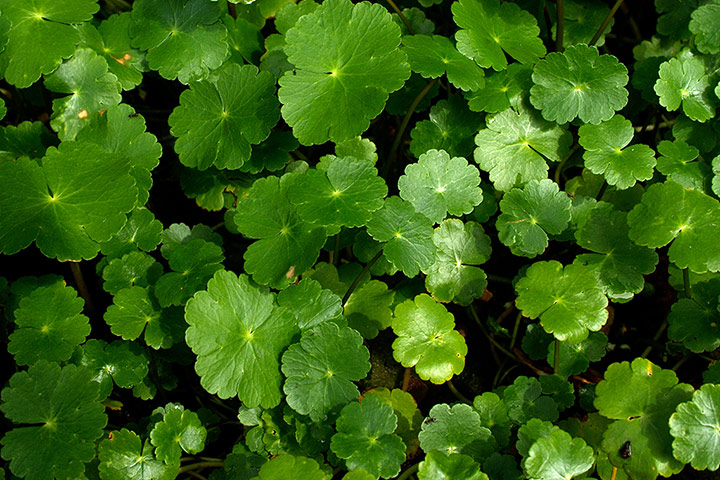
Why? One of the most invasive water plants in Britain. Established in 1990, it will completely congest a river or canal, changing the water course and affecting many other plants and animals. After being removed it will regrow vigorously from even the smallest section of remaining stem. Early warning is the best way to try to manage it
More information bit.ly/observerpennywort
Report to nonnativespecies.org/recording
When to spot it All year Photograph: Alamy
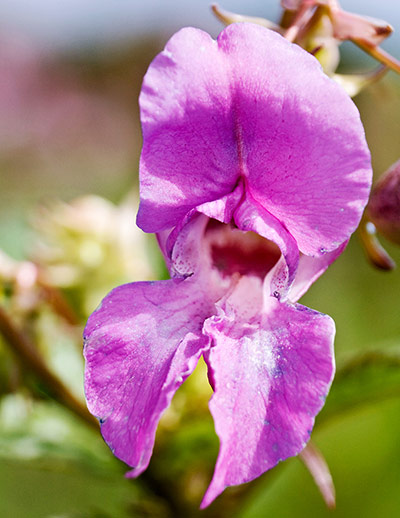
Why? A weed that is out-competing our native plants – or a beautiful flower that is perfect for attracting bees and other pollinators? That is the dilemma triggered by the Himalayan Balsam. People who want to remove it by pulling it up can inadvertently spread its seeds by touching its exploding seed pods. More research is needed
More information bit.ly/observerbalsam
Report to nonnativespecies.org/recording
When to spot it All year Photograph: John McKenna/Alamy