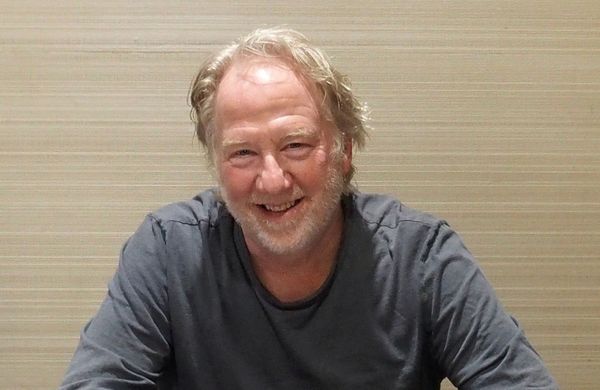
The director general of the BBC, Tim Davie, has endorsed a statement from Woman’s Hour that says the programme will “reflect” on concerns raised by an Emma Barnett interview with Zara Mohammed, the first woman to lead the Muslim Council of Britain.
This week 200 people, including more than 100 public figures such as the Tory peer Sayeeda Warsi, the Labour MPs Diane Abbott and Naz Shah, and the comedian Deborah Frances-White, signed an open letter to the BBC criticising the “strikingly hostile” interview with Mohammed on Radio 4’s Woman’s Hour.
The letter, organised by the writers Yassmin Abdel-Magied and Mariam Khan, called on the BBC to diversify its editorial and production team and better engage with Britain’s Muslims. It claimed that the line of questioning in Mohammed’s interview reinforced “damaging and prejudicial tropes” about Islam and Muslim women.
In response to the letter, Davie said: “As an employer and a broadcaster paid for by the public, we have a duty to reflect the whole of the UK in our staff and within our programmes.”

He added: “You are correct, across the BBC, representation of Muslims within our staff is lower than the national average but it is not as low as you suggest.” Just over 2.5% of the BBC workforce had identified as Muslim, he said: “I want to assure you that improving the representation of our staff is a key priority for me and my executive team. We have more work to do but we are determined to get there.”
In response to his comments, Abdel-Magied and Khan said: “It is frustrating that the BBC is using statistics regarding Muslim employees for the whole of the corporation, as opposed to what we highlighted specifically at BBC Studios TV and radio production. This includes the production of Woman’s Hour. Muslim representation in this crucial area of programming is negligible and requires urgent addressing both at staff and leadership levels.
“It is also unfortunate that they have failed to engage with the specifics of our concerns over the content of the interview. However, we look forward to discussing these issues further and welcome a constructive conversation with both the director general and senior executives at the BBC about these important issues.”
They point to the BBC’s annual report that has an asterisk for its proportion of staff in BBC Studios (TV and radio production) who identify as Muslim because the figure is below sample size.
Davie’s response to their open letter included a statement by Woman’s Hour, which said: “While we appreciate that people can sometimes have very differing responses to our live interviews and discussions, we believe it was legitimate for the programme to seek to explore some of the issues facing Muslims in the UK.”
The statement added: “Woman’s Hour, however, has always been a programme that listens to feedback and learns from the responses we receive; we will reflect on the issues and concerns you raise in this open letter.”
Davie said he agreed with the response and invited the organisers of the open letter to meet senior colleagues at the BBC to talk about the points they had raised.