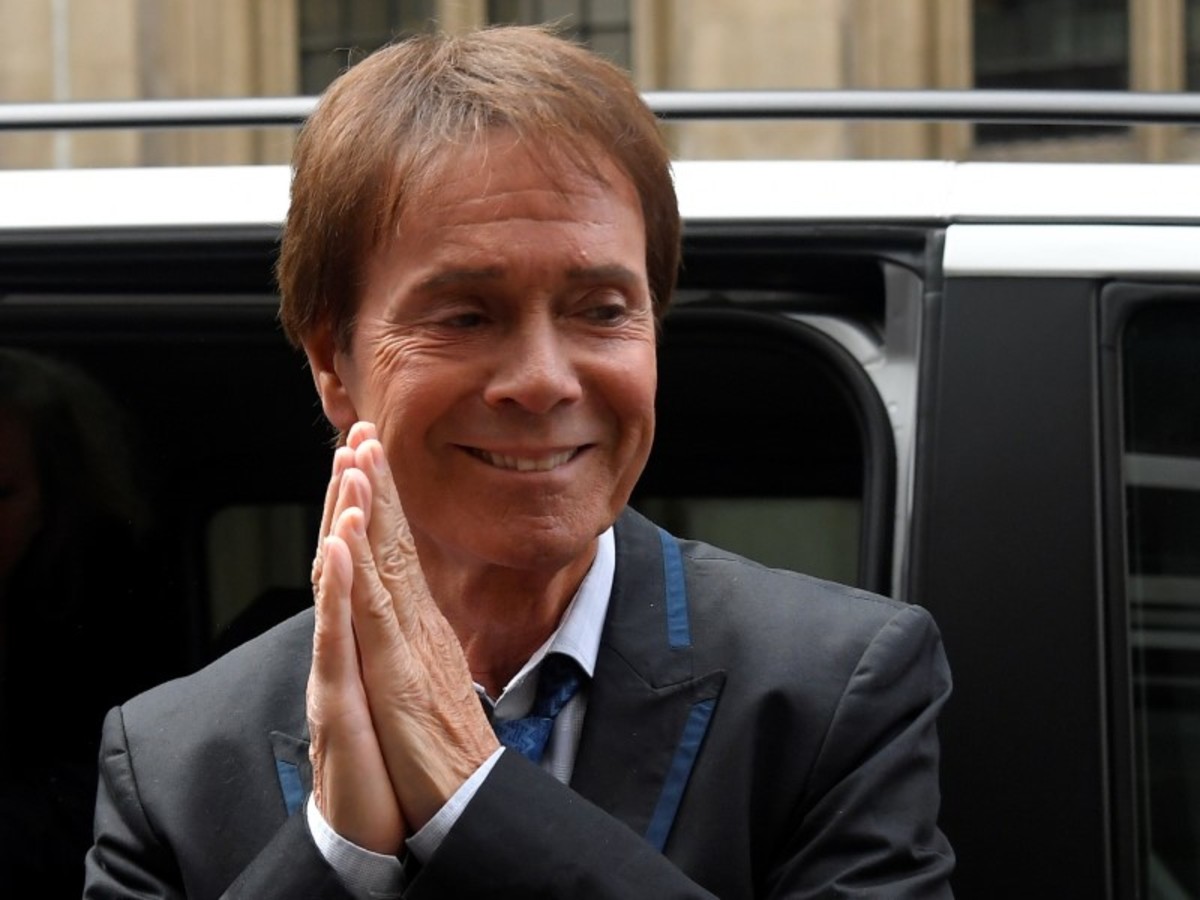
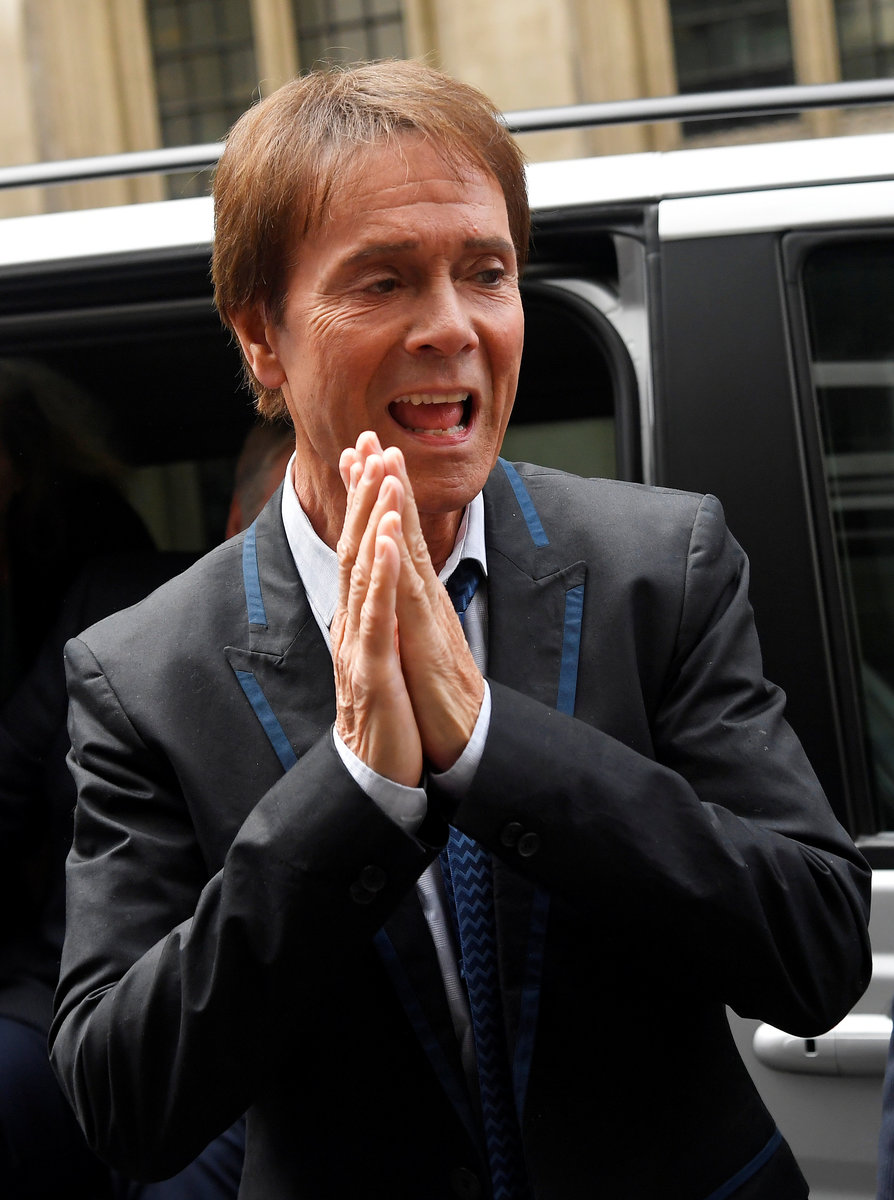
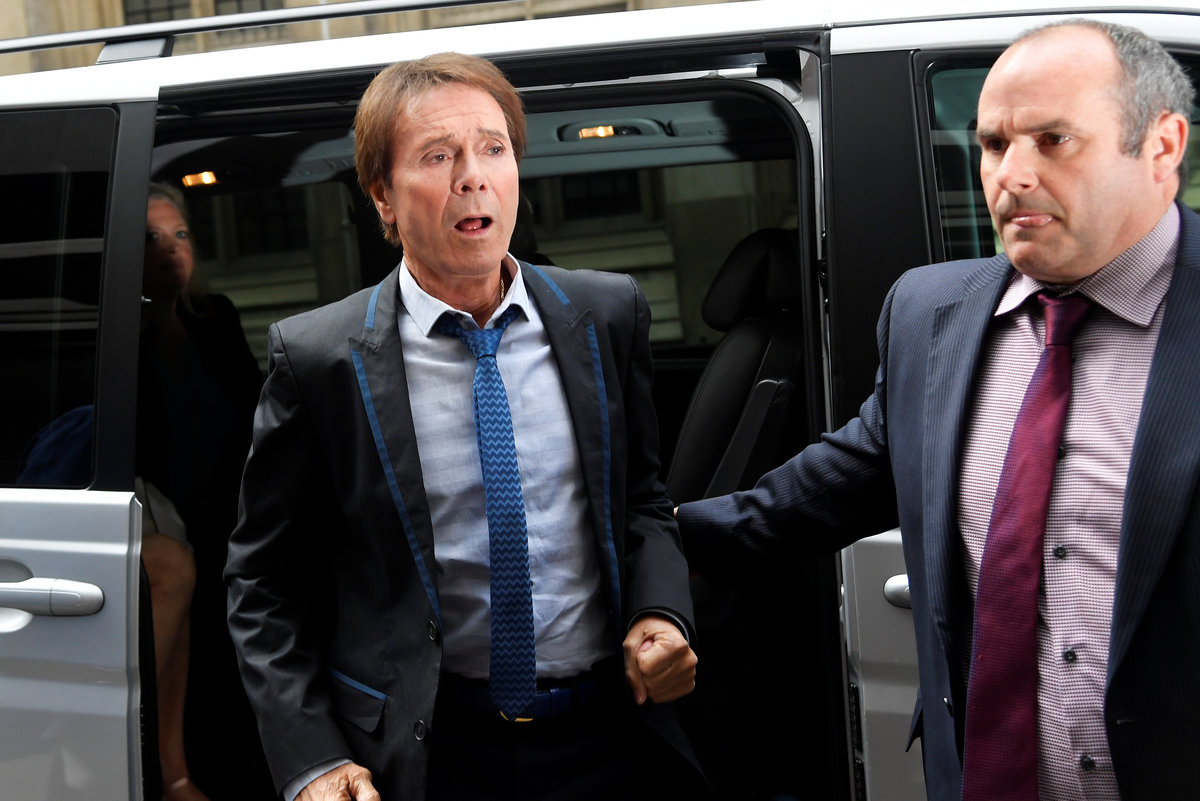
LONDON (Reuters) - British singer Cliff Richard won substantial damages on Wednesday after London's High Court ruled the BBC had breached his privacy by televising a police raid on his house which he said had left him feeling violated.
The BBC said the "dramatic" ruling would have a huge impact on the media's ability to report police inquiries and scrutinize their conduct.
The broadcaster used helicopters to film detectives searching the home of Richard, 77, one of Britain's best known entertainers, when he was away on holiday in August 2014 as part of an investigation into allegations of historical child sex offences.
Prosecutors later said Richard, who maintained his innocence throughout, would face no charges due to lack of evidence.
Handing down his judgment and awarding the singer 210,000 pounds ($273,700) in damages, Justice Anthony Mann said the BBC had infringed Richard's privacy rights "without a legal justification" and "in a somewhat sensationalist way".
"I have rejected the BBC's case that it was justified in reporting as it did under its rights to freedom of expression and freedom of the press," he said.
The BBC said it was considering an appeal, saying the case would have a serious impact on all media reporting because the judge had ruled that even naming Richard as a suspect was unlawful.
"This judgment creates new case law and represents a dramatic shift against press freedom and the long-standing ability of journalists to report on police investigations," said Fran Unsworth, the BBC's Director of News and Current Affairs.
"It means police investigations, and searches of people’s homes, could go unreported and unscrutinized."
Asked in parliament whether there should be a new law to ban the naming of any suspect until they were formally charged, Prime Minister Theresa May said it was an issue that required careful judgment.
"There may well be cases where actually the publication of a name enables other victims to come forward," May said.
"CONGRATULATIONS"
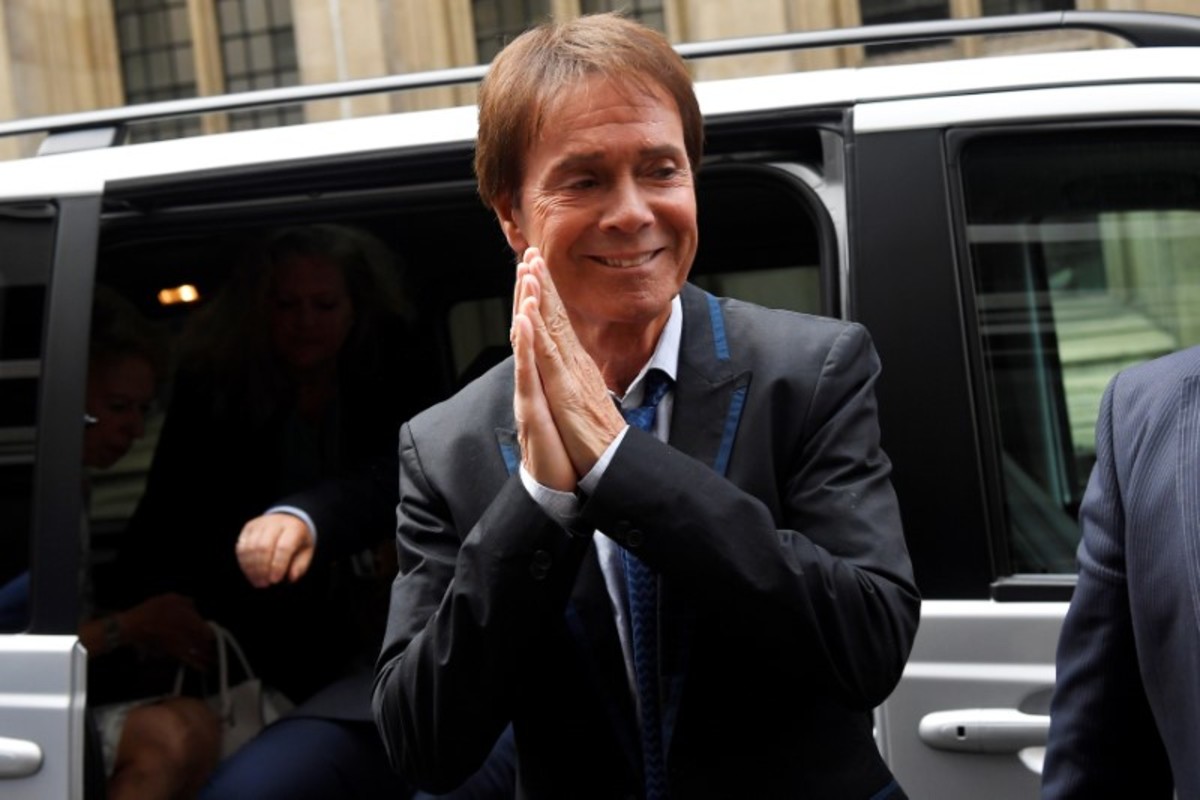
Richard, born Harry Webb in 1940 and who was often called Britain's Elvis Presley early in his career, cried as the verdict was delivered and hugged supporters in the courtroom.
Outside, fans sang "Congratulations", one of his 14 UK number one singles in Britain. Richard is the only singer to have topped the UK singles chart in five consecutive decades, from the 50s to the 90s, with hits such as "Living Doll" and "Summer Holiday", and was knighted by Queen Elizabeth in 1995.
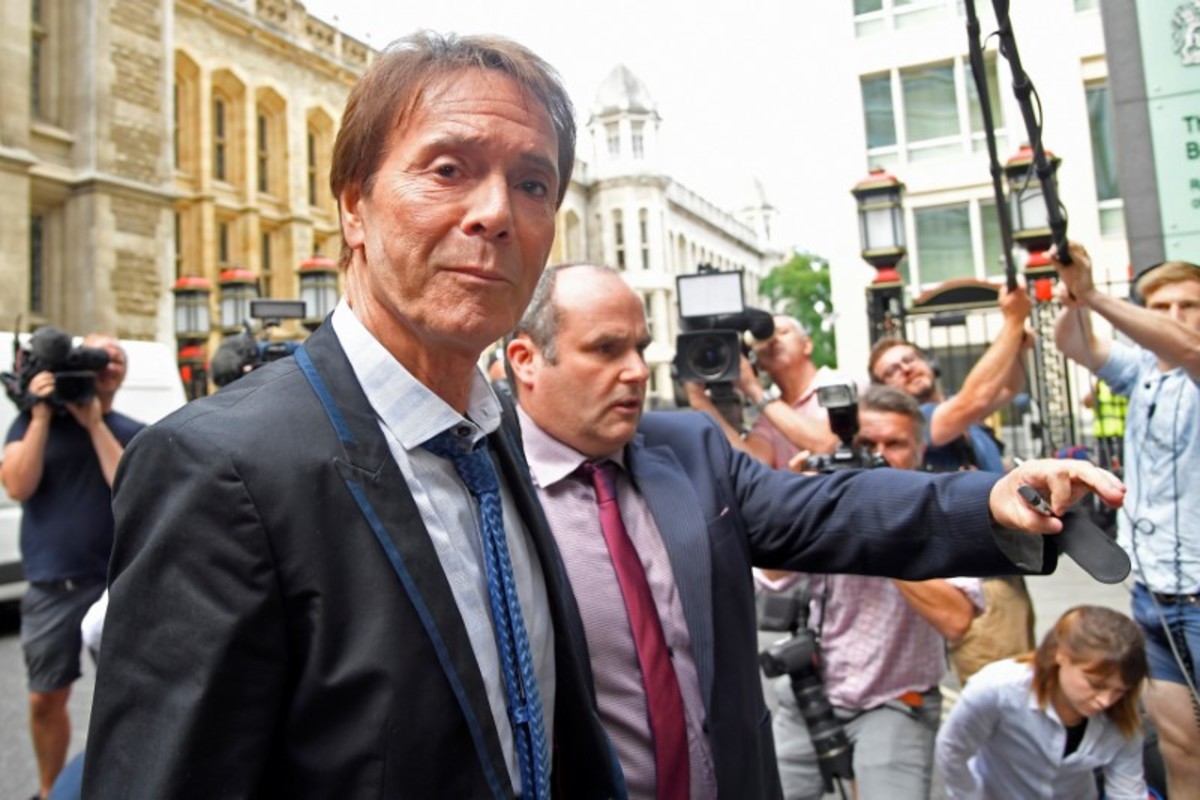
"It's going to take a little while for me to get over the whole emotional factor," a tearful Richard said outside court.
His lawyer Gideon Benaim said the sum awarded by the judge had been one of the highest in a privacy case, and the verdict confirmed individuals had "a reasonable expectation of privacy in relation to police investigations".
After the police inquiry into Richard was dropped, the BBC said it was very sorry that he had suffered distress, but stood by its decision to report on the search. It even submitted its story for a journalism award.
Richard told the court he had felt violated and betrayed by the broadcast, saying it had also had a major impact on his career.
"I accept all this evidence," Mann said in his ruling. "It adds up to a life that was hugely affected for almost two years by loss of public status and reputation, embarrassment, stress, upset and hurt, with some consequential health effects."
A review by lawmakers on a parliamentary committee in October 2014 criticized what it called the police's "inept handling" of the situation, but said there had been nothing wrong in the BBC's decision to run the story.
Before the High Court trial, South Yorkshire Police agreed to pay Richard 400,000 pounds for its handling of the incident.
(Reporting by Jo Heywood and Isabel Woodford; Writing by Michael Holden; Editing by Alistair Smout and Raissa Kasolowsky)