The BBC is preparing to argue Donald Trump’s $10bn court case against it should be dismissed, arguing it has no case to answer over the US president’s claims he was defamed by an episode of Panorama.
The development comes after Trump filed a 33-page complaint to a Florida court on Monday, accusing the broadcaster of “a false, defamatory, deceptive, disparaging, inflammatory and malicious depiction” of the president in the documentary.
On Tuesday, the BBC said it would defend itself over the suit. It is understood that the corporation is likely to argue that it did not have the rights to air the documentary in the US, and that the case should therefore be dismissed.
The move is an attempt to see the lawsuit off before litigation costs mount. It will be greeted with relief by supporters of the BBC who have argued that its editorial independence would be called into question if it sought to settle.
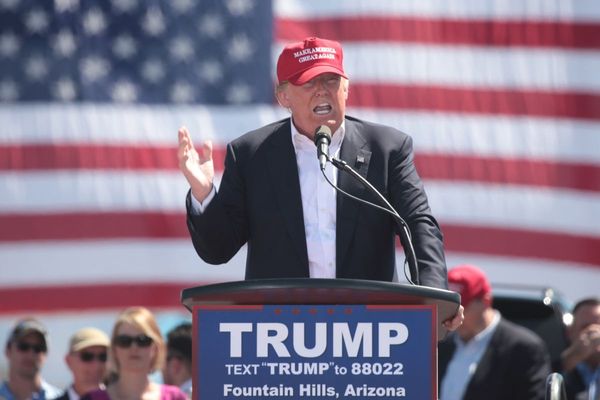
The Panorama programme, Trump: A Second Chance?, was broadcast before the 2024 US presidential election. It spliced together two parts of the January 6 speech he gave before the attack on the US Capitol that day.
Trump’s complaint argues both that the programme defamed him and that it violated the Florida Deceptive and Unfair Trade Practices Act. It says the broadcast caused Trump “massive economic damage to his brand value and significant damage and injury to his future financial prospects”.
The BBC will note that audiences in the US were unable to access the show via iPlayer, the BBC’s streaming platform.
The corporation is also arguing that Trump could not have suffered serious reputational harm from the programme because he won the presidential election. In Florida, Trump actually increased his vote share from his previous campaigns.
The lawsuit alleges that Florida residents may have been able to watch the programme using a virtual private network (VPN) or via the international streaming service, BritBox. The BBC has not responded directly to those claims.
The BBC board and lawyers are still working closely on the issue. The BBC’s legal department is guiding the discussions, but the board, together with the BBC chair, Samir Shah, are understood to be closely involved.
The suit also claims the documentary was distributed in the US through a company called Blue Ant Media Corporation. The company is not a defendant in the case.
However, a spokesperson for Blue Ant Media said none of its buyers had aired the Panorama episode in the US, while the version it was distributing did not include the infamous edit, which had been cut out to make the programme shorter.
The timing could scarcely be worse for the BBC, as it searches for a new director general. It comes after the resignation of current director general Tim Davie and head of BBC News, Deborah Turness, following the fallout from the Panorama edit.
It also comes with the government officially launching the process of renewing the BBC’s charter, which will see it fundamentally re-examine whether the corporation should be part-funded by advertising or subscriptions.
The spliced clips in the edition of Panorama suggested that Trump told the crowd: “We’re going to walk down to the Capitol and I’ll be there with you, and we fight. We fight like hell.”
The words were taken from sections of his speech almost an hour apart.
Shah has already personally apologised to Trump and the BBC has said it gave “the mistaken impression” that the president had “made a direct call for violent action”. However, its lawyers have argued it did not defame him.
While there were no complaints about the documentary at the time it was broadcast, the edit came to light in a memo by Michael Prescott, a former external adviser to the BBC. His memo was sent to the BBC board earlier this year and subsequently leaked to the Daily Telegraph.
At one point, Trump’s lawsuit cites former prime minister Liz Truss in support of its allegation that the BBC is “institutionally biased against President Trump”.
“No less an authority than the United Kingdom’s former prime minister, Liz Truss, discussed this bias, the need to hold the BBC accountable, and the BBC’s pattern of actual malice,” it states.
Keir Starmer has come under pressure to back up the BBC. Both the shadow culture secretary, Nigel Huddleston, and the Liberal Democrat leader, Ed Davey, urged the prime minister to use his relationship with Trump to persuade him not to pursue the legal action.
Stephen Kinnock, a health minister, said it was “right that the BBC stand firm” against Trump’s claims of defamation and that he hoped “they will continue to do so”.
Chris Ruddy, a Trump ally who founded the Newsmax platform, said it would prove cheaper for the BBC to settle the case.
However, figures close to the BBC have urged it to fight the legal action. Former BBC Radio controller Mark Damazer said it would be “extremely damaging” to the BBC’s reputation to offer a settlement.
Mark Stephens, an international media lawyer at the firm Howard Kennedy, said he believed the claim was “meritless”, but that Trump was seeking political, rather than financial, gain.
“[The BBC] will plead substantial truth, no damage to [Trump’s] reputation – but it will also, at that time, file the motions to dismiss [the lawsuit],” he predicted. “There are lots of legal defects in the complaint.”