Tory MP Jesse Norman has called for an inquiry into the involvement of a senior BBC executive in soliciting stars to sign a letter in support of the corporation.
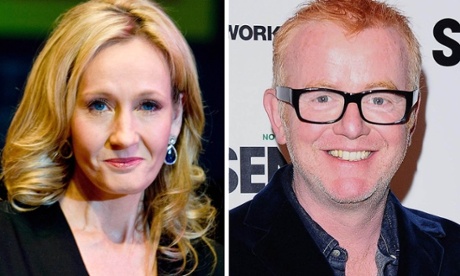
The so-called “luvvies’ letter” to David Cameron, published in July, was signed by celebrities including JK Rowling, Daniel Craig and Chris Evans.
BBC director general Tony Hall, appearing before MPs on Tuesday, defended director of television Danny Cohen for his role in the campaign.
Norman, chair of the Commons culture, media and sport select committee, said it was a “direct attempt by proxy” to influence public and government opinion and broke the BBC’s own rules on lobbying and impartiality.
Hall replied “lobbying is a funny word to use”, adding that the BBC had been offered support from a “wide variety of artists and others who have said ‘we want our voice to be heard about the BBC’”.
He confirmed that Cohen, the former BBC1 controller and one of his key lieutenants, was involved in the letter, which appeared in the Daily Telegraph.
“I don’t want to be unhelpful but it is odd that people who want to support the BBC … should in some ways be told they shouldn’t be doing that,” he said.
“The point is there were lots of people offering to sign a letter and to make a letter happen. It’s a very odd organisation when people who work for it can’t speak up on its behalf.”
Hall denied it had broken any corporation rules and said he was allowed to speak up on behalf of broadcasting issues, as was Cohen, “in our own names”.
But Norman told him: “This isn’t in your own names. This is lobbying in order to get people like Judi Dench, Daniel Craig and others – household names.” He said there had been “systemic involvement” in the letter by senior BBC management including Cohen and others.
A visibly shaken Hall said that he did not believe Cohen had broken the rules in the charter agreement on lobbying. “People should be able to stand up for the BBC,” he said.
Norman said he did not find Hall’s responses “adequate” and asked him to write to the committee outlining exactly what had happened, whether there had been an inquiry and any action he was going to take.
Hall replied: “I will go back to him [Norman] with details.” A fuller response is expected later on Tuesday.
Rona Fairhead, the BBC Trust chair, was also asked about the issue by Norman. “It is not unreasonable for any organisation to speak out on its behalf and the BBC also made it clear that it was involved,” she said.
“What would concern the trust is if there was any degree of compulsion.”
Fairhead added that the trust had launched no inquiry as it was “an issue for management”.
A BBC spokesman said: “The BBC is able to express views on broadcasting, the broadcast industry, and on government broadcasting policy – it is also able to lobby on these issues. The editorial guidelines the committee was referring to are about BBC broadcast output – in other words its news and programme output. Clearly these are entirely separate.”
The BBC initially distanced itself from the letter in July, but Michael Palin, another of the signatories, later revealed that Cohen had rung him up to sign it.
“Danny Cohen rang me up, he just asked ‘Would you sign? The charter is coming up we’re a bit worried the BBC would become smaller and less significant,’” said Palin.
“I didn’t think that was avery good idea that it should become that much smaller or that it should be sort of chipped away at by special interest groups. Let’s keep the BBC doing what it does best, which is an enormous amount of work.”
Radio 1 presenter Annie Nightingale said she had been asked to sign by the station’s controller, Ben Cooper, and said she had not read it before it went out.
“I bumped into Ben a couple of days ago. He said Danny Cohen was putting this letter together and said, ‘Would you like to be included?’ I said, ‘Yeah’. I understood vaguely what it would say. I didn’t read the letter before it went out,” she said.