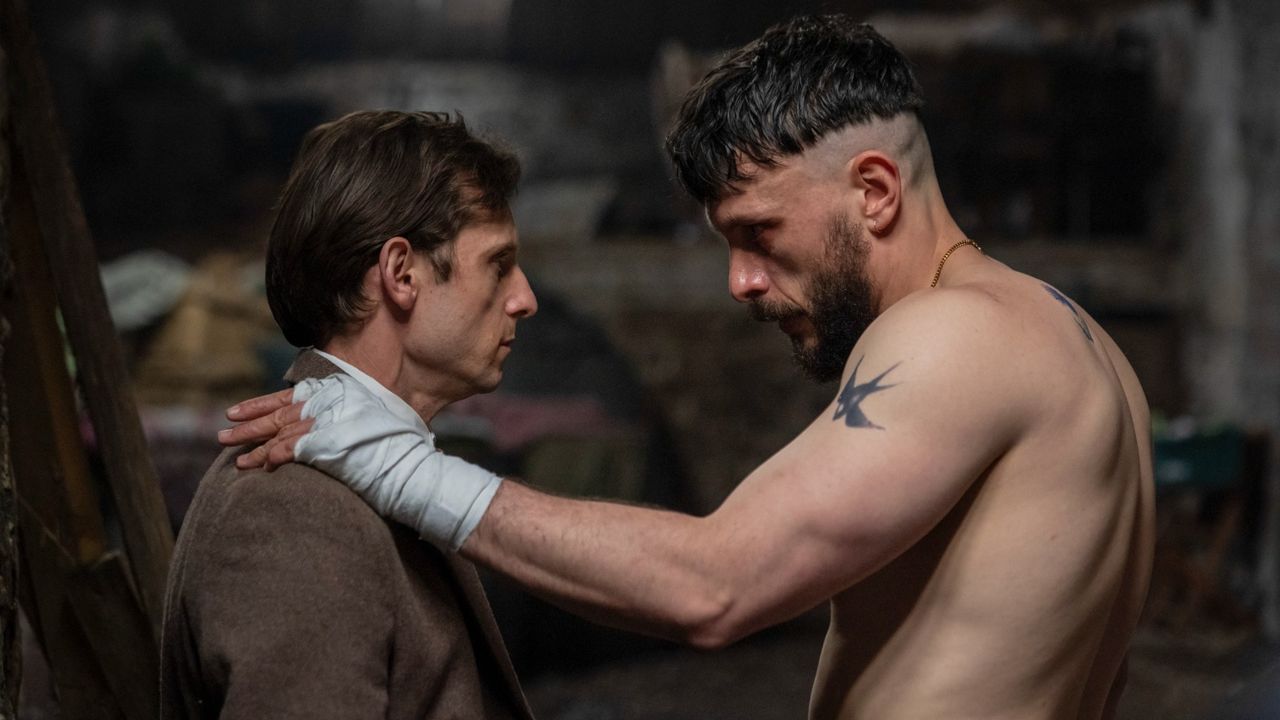
After the phenomenal success of Netflix's Baby Reindeer in 2024, Richard Gadd is back with his first biggest project since his autobiographical drama broke the internet.
In BBC's Half Man, Richard Gadd takes on the currently hot topic of broken masculinity. The six episodes are an ode to the idea of what brotherhood actually means, and the utter fragility of male relationships.
Essentially, the show is the realisation that men just don't seem to be able to have healthy bonds with each other - and there's a lot of the expected violence that comes when emotionally illiterate people (men) who intensely fear vulnerability, lack the much-needed connections with other men.
And Half Man really is everything you'd expect from Richard Gadd (as Ruben), and the equally brilliant Jamie Bell (as Niall.) All the reviews you will read saying how excellent it is are correct - except, I really don't think we need it on our screens.
Right from the opening moments, the ominous mood for the show is set as our main characters circle each other menacingly in a barn. Ruben is bare-chested and bandaged knuckled, looking like his only mission in life is to cause maximum injury.
Even after a few minutes of episode 1, it's clear Gadd is on absolute top form - from the sheer visceral presence of him and the neanderthal scream he emits that pierces your very soul, it's all mesmerising stuff.
So why, you might ask, do I not think we need this show on our screens? The simple fact is, if we aren't going to actually address the chronic issue currently breaking the world that is toxic masculinity, why continue to make increasingly distressing TV about it?
Across the six episodes of Half Man, 30 years of the history Ruben and Niall share is covered, complete with hatred, fear and characters who think nothing of biting the nose off another human.
As much as dragging my eyes away might he hard because of the incredible performances, more depictions of the very real world problems we are actually being faced with playing out before my very eyes, with no-one taking responsibility for them, is becoming a big no for me.
A perk of writing about TV for a living means I get to see shows before everyone else. Half Man came with the biggest list of trigger warnings I've seen so far - discrimination, violence, sexual violence, underage sexual abuse. Knowing how endemic these all are outside the show, did make me want to give it a miss.
I wouldn't be as bothered by such warnings if they were about a vampire series or anything other than something rooted so heavily in our current reality. Yet they are, so here I am.
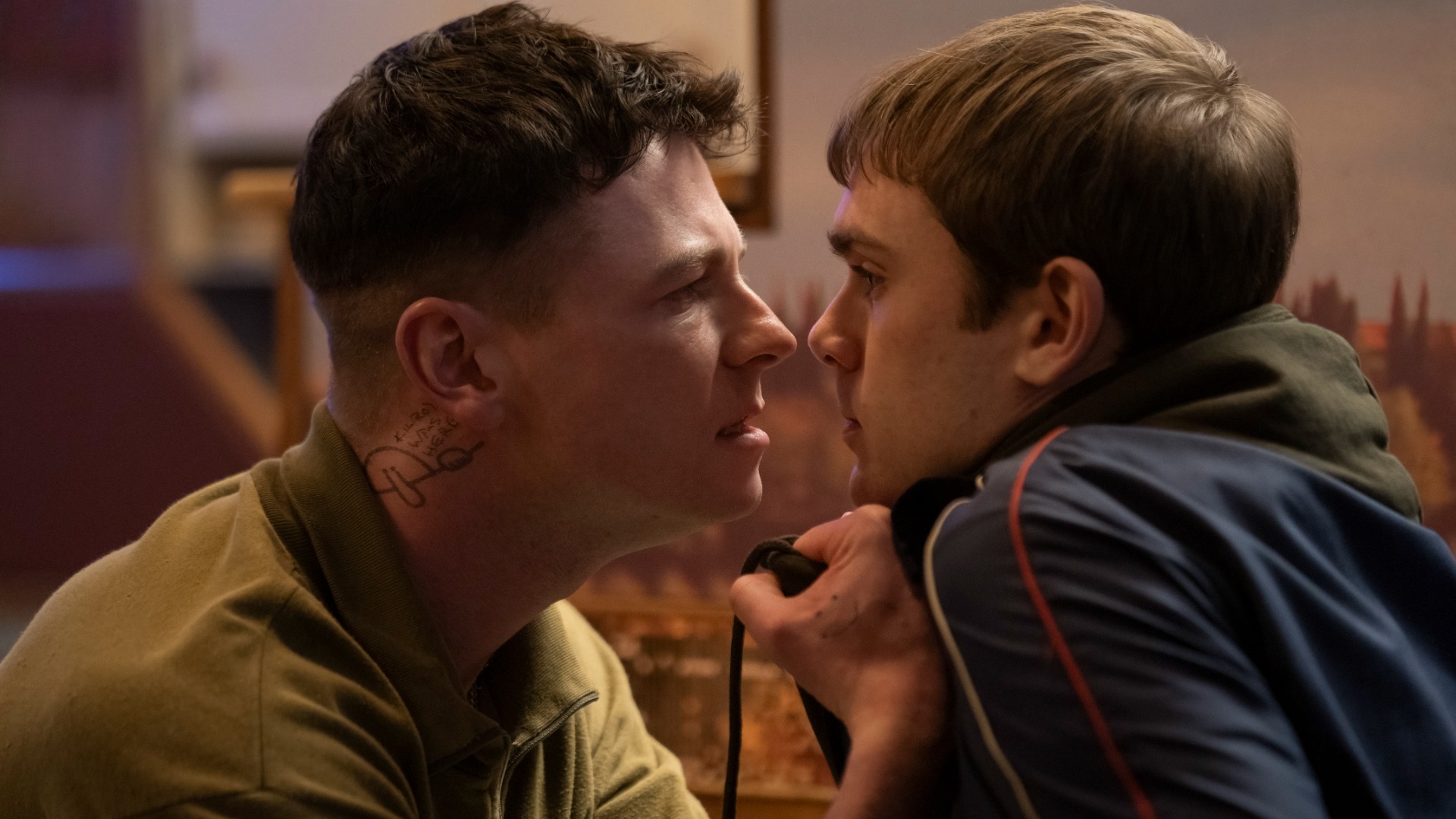
When Adolescence aired, it got the rapturous applause and worldwide acclaim that it deserved. Everything written about it alluded to 'opening up important conversations,' and 'shining a light on devastating issues.'
But surely these just become meaningless buzzwords if nobody is going to seriously address the issues raised.
If all we're hearing about is the skyrocketing levels of violence against women and the awful consequences of the male loneliness epidemic, these so-called 'important conversations' just become fleeting words attached to something.
They're phrases to be repeated meaninglessly because everyone else is saying them, but with zero action coming with them to actually remedy anything.
The same thing happened with the recent Louis Theroux documentary, Inside The Manosphere. Even Louis struggled to hold his own in the cesspool that is the worst humanity has to offer in male form, and some viewers even felt the 'important conversations' that should've been had as a result of the show, might even have the opposite effect and lead young boys to think the men taking part were something to aspire to.
Nothing is yet to happen off the back of the documentary other than vague chatter about banning social media, and the blood pressure and anxiety of the mother's of boys rising exponentially.
Gadd himself has addressed that toxic masculinity "is a phrase we hear a lot, and while it can risk feeling overused, it’s also being discussed so widely for a reason," which is hits the nail on the head of the point I'm making. But we're yet to fully understand the reason he alludes to.
He adds, "I think that much of how society has been structured can lead to men having an inability to express themselves and express love and vulnerability, so it felt interesting to posit that conversation through Niall and Ruben."
Also true, but it's a series that definitely needs a follow up about what can be done about that word 'conversation,' that has popped up yet again.
So, without meaning to unexpectedly bring Elvis Presley into the mix, what we really need is a little less 'conversation' and a lot more action when it comes to the state of men and their broken masculinity.
While words like "agonising," "queasy," "brutal" and "bleak" are being used about these TV shows with the horribly pressing issues that are realistically not having enough done to tackle them, I think we should stop making them.
Half Man is airs on BBC iPlayer in the UK from 6am on Friday April 24, and will air on BBC One a week later.