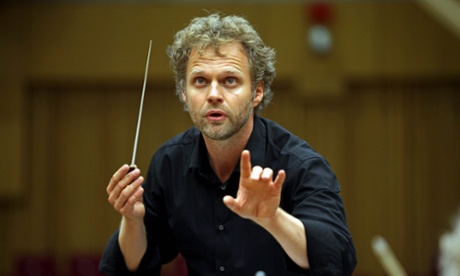
Thomas Søndergård, principal conductor of the BBC National Orchestra of Wales, has, from the beginning of his tenure, embraced Mahler with fervour, yet this performance of the Second Symphony suggested a maturing of his relationship with the composer and with his musicians. There was both a grandeur and a depth to the playing. And in St David’s Hall the sense of an audience so totally involved helped elevate the evening to another level.
There was an edgy immediacy to the opening movement, the Totenfeier (Funeral Rites), of Mahler’s original conception, where the string playing had an arresting intensity, then realising a sweetness of tone that was serene rather than cloying. Detailed attention to the extremes of attack and phrasing ensured engagement in every moment and, while Søndergård was content to take a leisurely pace, with the ländler always graceful and the Scherzo less manic than most – he didn’t lose grip of the overall trajectory of this massive work.
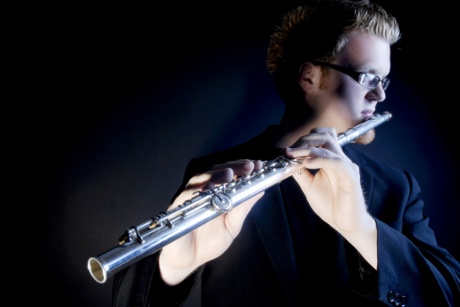
Perhaps the most impressive facet was the strongly architectural shaping of sound and bristling silences, with the brass on and off-stage heightening the atmosphere and offering extra aural perspective to Mahler’s already remarkable vision. Of the principals, flautist Matthew Featherstone deserves special mention, while mezzo Jennifer Johnston and soprano Susan Gritton were committed rather than particularly moving soloists. The BBC National Chorus of Wales, a slightly growling bass moment aside, was exemplary, the final climactic, sublime soaring effortlessly achieved.
Most conductors let this symphony stand alone. Coupling Mahler with B Tommy Andersson’s choreographic poem Satyricon, inspired by the ancient Roman novel of Gaius Petronius – the composer himself called its story “indelicate” – was curious. It may work well as an orchestral showpiece, but didn’t really belong here.