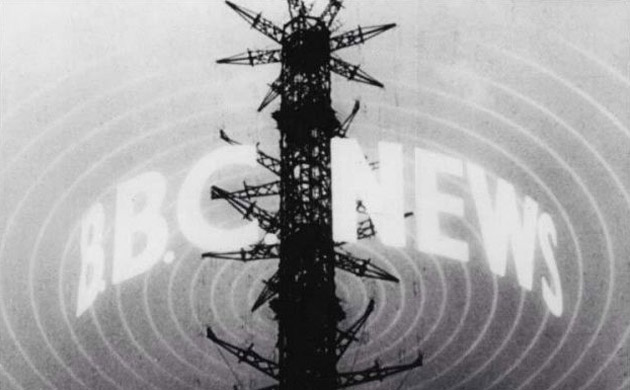
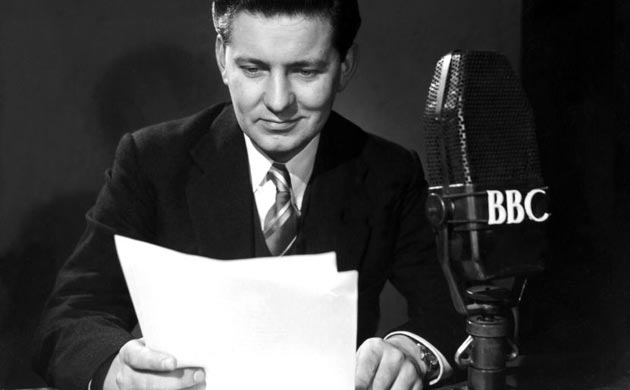
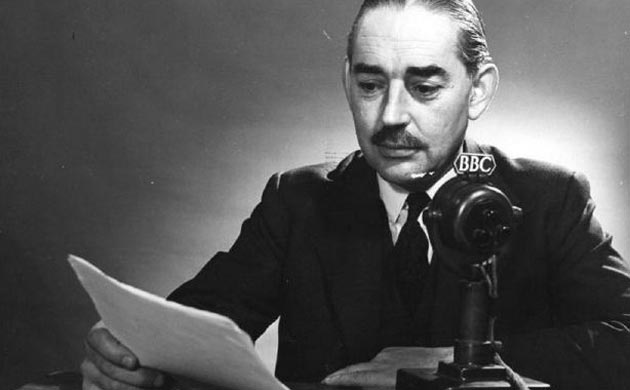
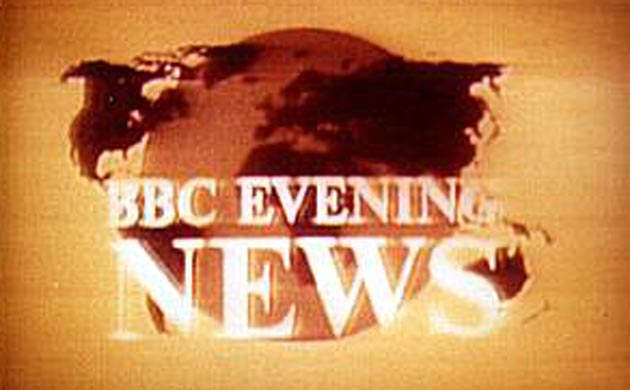
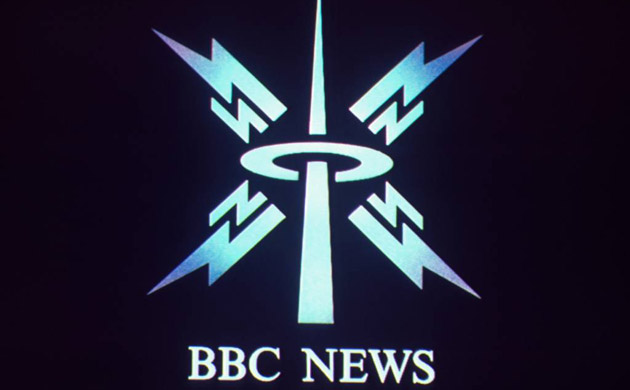
BBC news logo in 1954, the year the first TV bulletin launchedPhotograph: BBCRichard Baker announces the first bulletin in 1954. Note the minimal set and the radio-style microphone. It was not until the following year that a newsreader actually appeared on screenPhotograph: BBCFor the first bulletin, Baker announced the news, before John Snagge read the headlinesPhotograph: BBC
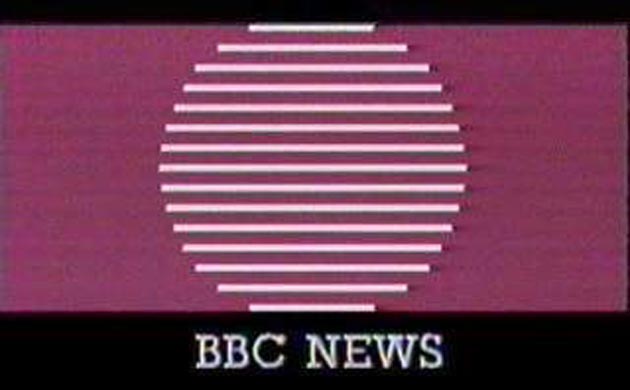
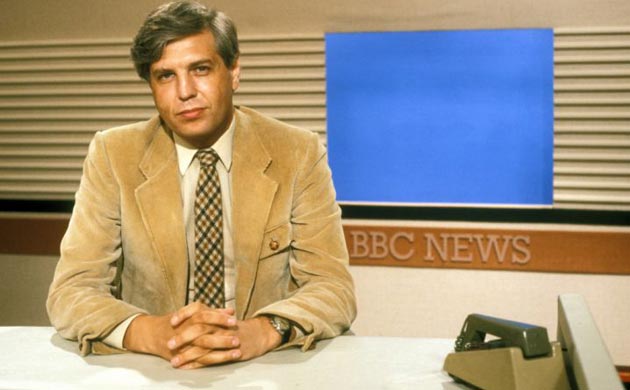
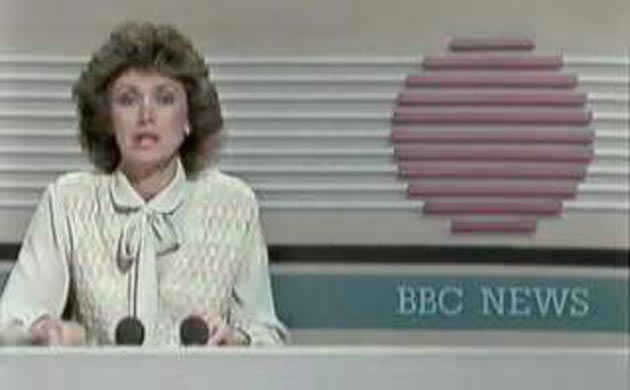
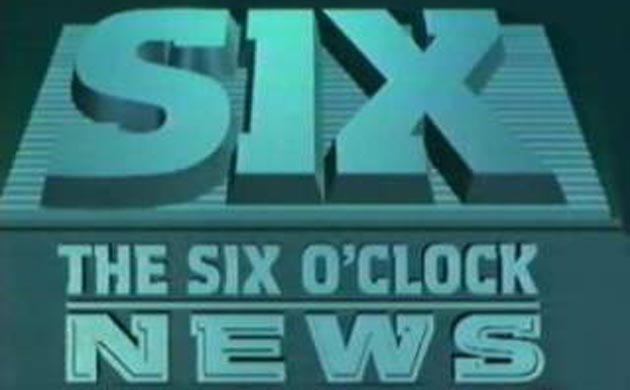
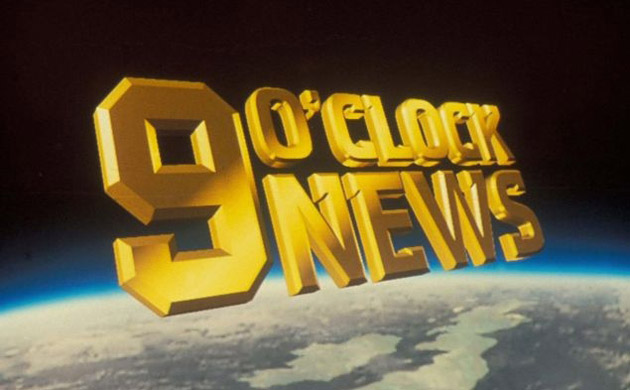
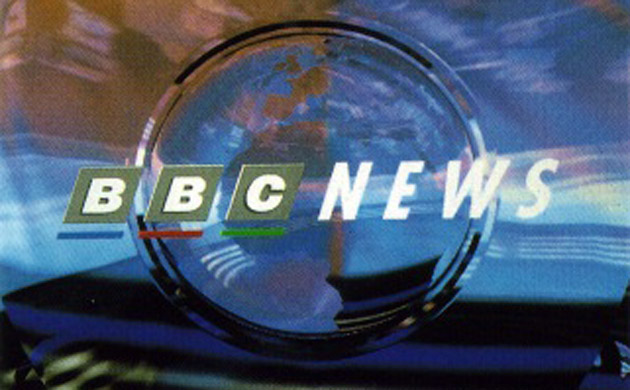
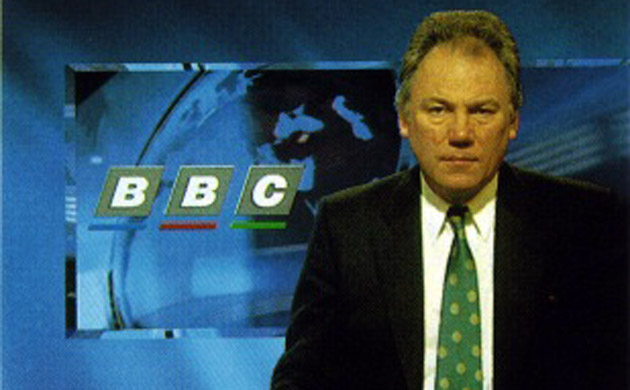
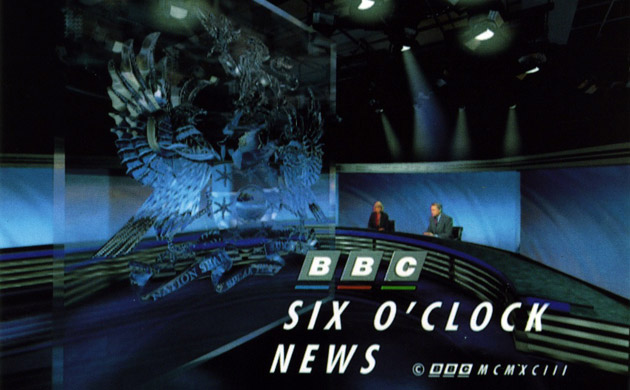
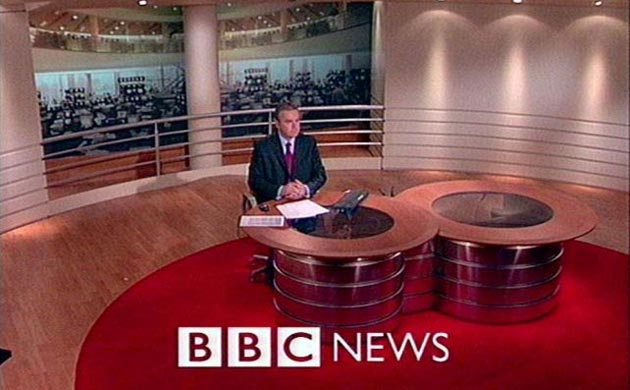
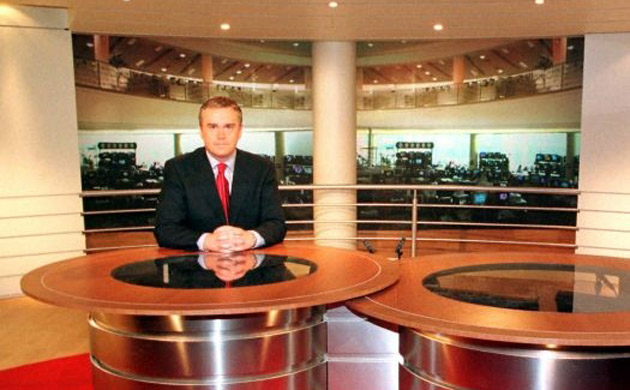
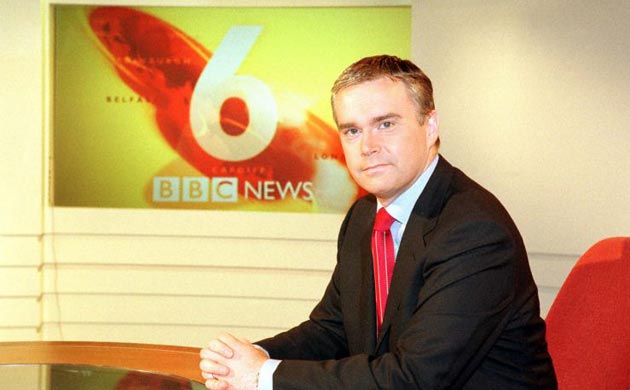
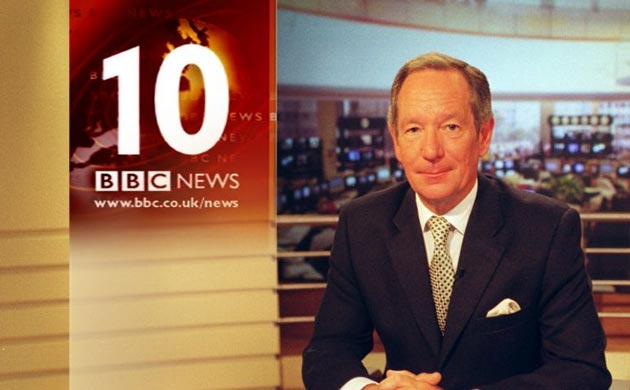
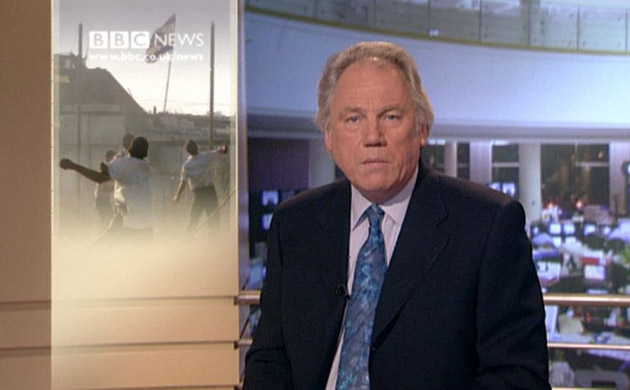
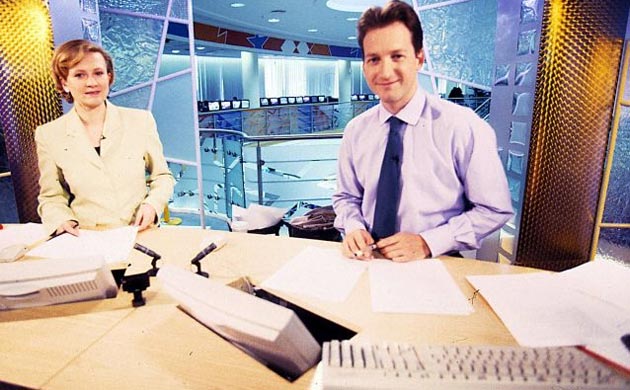
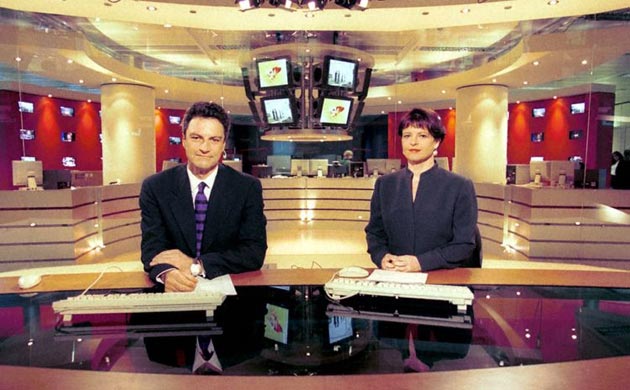
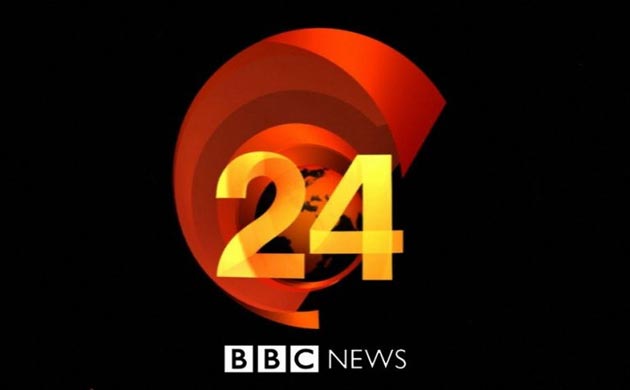
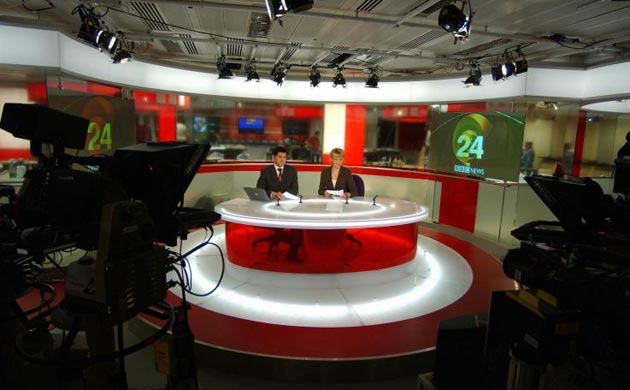
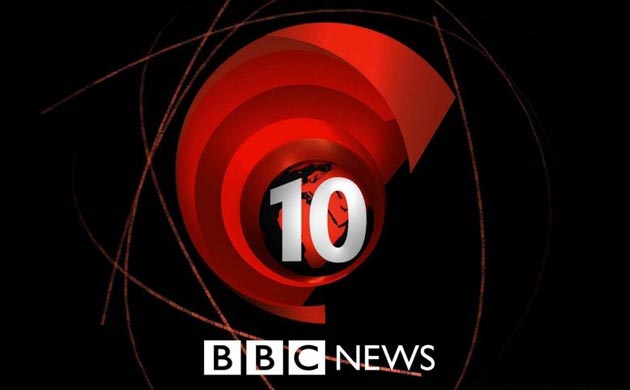
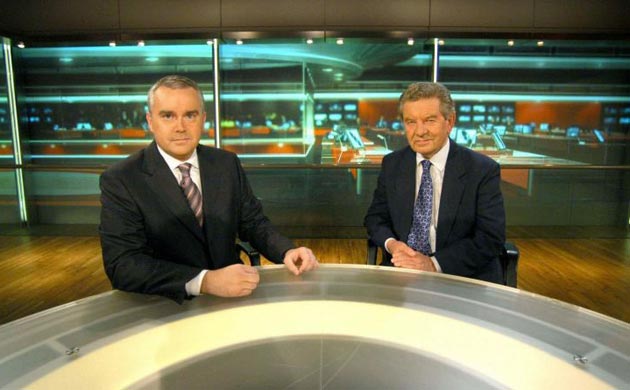
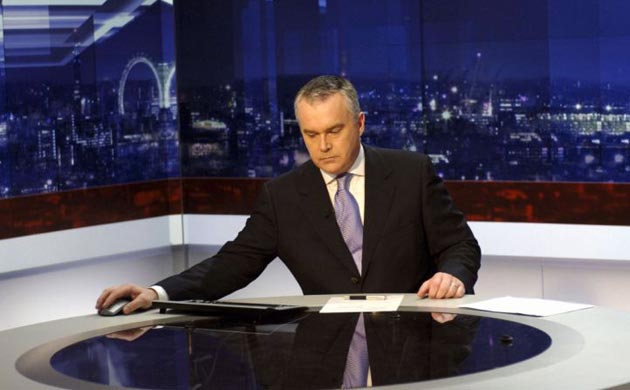
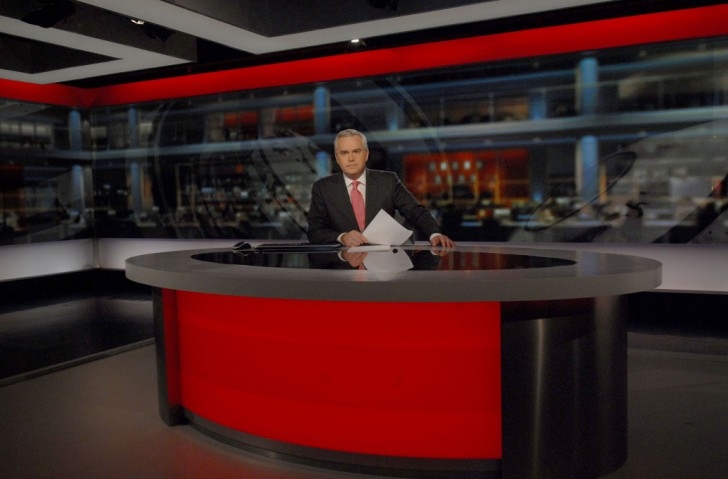
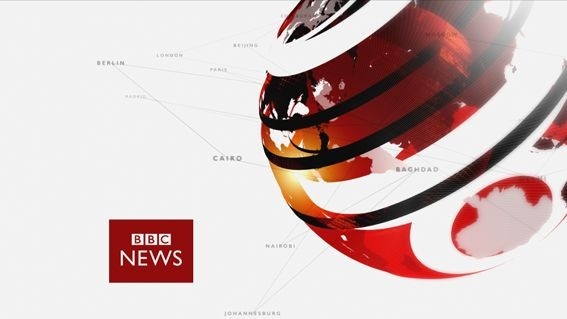
The first female newsreader, Nan Winton, appeared on screen in 1960, and Angela Rippon became a familiar face over the next two decadesPhotograph: BBCBBC news logo in the late 1970s. The Nine O'Clock News was launched in 1970 and continued for 30 years until BBC1's late evening news was moved to the 10pm slot in 2000Photograph: BBCBBC news logo in the early 1980s. It was animated by an invisible clock hand sweeping round the circlePhotograph: BBCJohn Simpson in 1981. The horizontal lines of the studio were usually broken by a picture superimposed in place of the blue screen. Note the beige-on-beige colour coordination and the Trimphone. Photograph: BBCJan Leeming in 1983. Note the 'Miami Vice' pastel colour schemePhotograph: BBCSix O'Clock News logo in 1984, with a slabby monolithic look typical of the graphics of the time. The title sequence started out as a globe, which turned into the pages of a book and then formed the logoPhotograph: BBCThe Nine O'Clock News logo had a similar high-tech look, evocative of a Hollywood sci-fi blockbuster - or a gameshowPhotograph: BBCLater in 1988, the logo was changed to incorporate lightning flashes that some critics claimed had Thatcherite, or even fascist, overtonesPhotograph: BBCIn 1993, the corporation's computer design arm turned to the Silicon Graphics computers used in movies to enhance the high-tech look, with a 'virtual' studio featuring layers of visualsPhotograph: BBCPeter Sissons reads the news, with the corporation's logo clearly visible in the backgroundPhotograph: BBCThe end titles from 1993, showing the epitome of the high-tech look - the 3D 'glass' BBC crestPhotograph: BBCIn 1999, the BBC adopted its now familiar red colour scheme. The set moved away from the high-tech look with a desk made out of what appear to be recycled beer kegsPhotograph: BBCAnother shot of Huw Edwards from 1999 clearly shows the newsroom in the backgroundPhotograph: BBCThe screen behind Edwards shows the Six O'Clock News graphics, which incorporated the names of cities into a spinning globePhotograph: BBCMichael Buerk reads the 10pm bulletin in 2000Photograph: BBCThis shot of Peter Sissons in 2000 shows how stories were backed by layered graphics - as well as a trail for the BBC's news websitePhotograph: BBCRolling news service News 24 was launched in 1997. This shot from 1999 shows the harsh lighting and shiny 'sci-fi' set, which drew criticismPhotograph: BBCGavin Esler and Valerie Sanderson on the new set of News 24 in 1999Photograph: BBCBy 2003, News 24 had adopted a red palette to match the corporation's new brandingPhotograph: BBCThe News 24 studio, shown here in 2003, further underlined the red colour schemePhotograph: BBCBy 2004, News at Ten had adopted a similar swirling logo and red brandingPhotograph: BBCRichard Baker (right) joins Huw Edwards for the 50th birthday of BBC TV news in 2004Photograph: BBCHuw Edwards in the current 10 O'Clock News set, shortly to be replacedPhotograph: BBCThe corporation has just unveiled a £550,000 makeover of the its news service. Here Huw Edwards is pictured in the revamped studioPhotograph: BBCThis is the updated BBC News domestic channel and bulletins titlesPhotograph: BBC
Sign up to read this article
Read news from 100’s of titles, curated specifically for you.