There were rumblings of disquiet at the FT Digital Media conference this week, and they were not at the quality of freebies being offered in exchange for taking out a sub to the Pink ‘Un. Instead, delegates were discussing the sudden appearance of a divide between politicians over the future of the BBC. In the past week, the three parties that might constitute a Cameron-led government have each made threatening noises against Auntie, apparently over perceived bias in its election coverage.
Culture secretary Sajid Javid said the BBC’s coverage, sometimes left him thinking: “What was that? I’m sure they could have done a more balanced job”, and said bias had to be part of a review of the royal charter – debate about which will kick off in earnest after the election – despite the fact that the Beeb is required to be politically neutral by Ofcom’s Broadcasting Code.
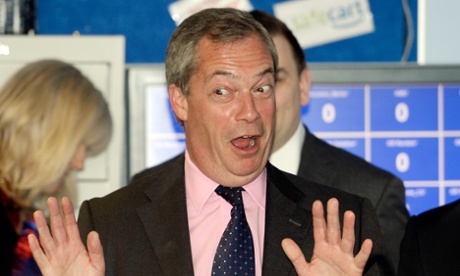
Last week, the Democratic Unionists also complained about bias, claiming the BBC failed to deliver on commitments to ensure the party would feature more prominently in network news programmes, and said they would place the renewal of the BBC charter on the table in talks with Labour or the Tories in a hung parliament. And Nigel Farage complained about bias and the “leftwing” audience in the recent BBC debate.
There are clear lines between these positions and the broadly pro-BBC noise coming from Labour, the Liberal Democrats and even the SNP – though the latter may want to use the Beeb as a bargaining chip. Thus it was that some of the assembled delegates were murmuring about the urgent need to kick off a popular campaign to save the BBC, pointing out that 78% of the UK population is in favour of the BBC receiving strong licence fee support. Look out for the descending hashtag #7DaysToSaveTheBBC.