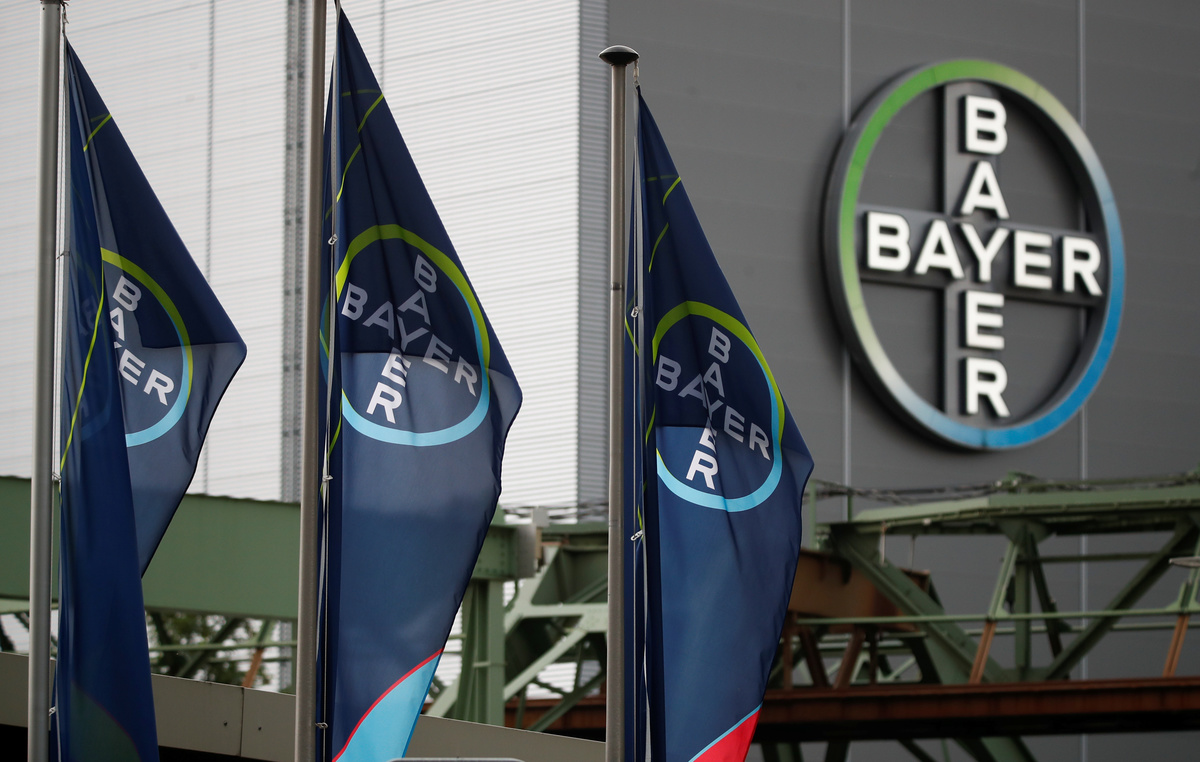
(Reuters) - Bayer AG on Monday said it has asked a U.S. federal appeals court to throw out a $25 million judgment it was ordered to pay to a California man who blamed the company's Roundup weed killer for his cancer.
In a filing in the U.S. Court of Appeals for the 9th Circuit dated Friday, Bayer said the verdict defied regulatory findings and sound science, adding that the "speculative case" should never have made it before a jury.
Bayer in a statement said it stood behind the safety of Roundup and its active ingredient glyphosate and planned to vigorously defend the more than 42,700 U.S. Roundup cancer lawsuits it faces.
In its court filing, Bayer said the Hardeman appeal had the potential to shape how every subsequent Roundup case is litigated.
The widely-used weed killer is made by Monsanto, which Bayer acquired last year for $63 billion. Bayer stock has lost about 23% in value since the first Roundup verdict for plaintiffs in August 2018.
The case on appeal before the 9th Circuit involved the claims of Edwin Hardeman, which was the third Roundup case to go to trial in a U.S. court. A jury in March ordered Monsanto to pay $80 million in damages, saying Roundup had caused the man's non-Hodgkin's lymphoma. The trial court judge in July reduced that verdict to $25 million.
Lawyers for Hardeman on Monday did not immediately respond to a request for comment on Bayer's appeal.
The lawyers during the trial argued Monsanto had failed to warn consumers of Roundup's cancer risk and said the company concealed damaging evidence from public and regulatory view. Bayer rejects those allegations.
The German company's main appeal argument in Hardeman's case centers on repeated findings by the U.S. Environmental Protection Agency that glyphosate is not a carcinogen and not a risk to public health when used in accordance with its current label.
Bayer argued it would be impossible to comply with the Hardeman verdict, a lawsuit brought under state law, because any warning label would be in conflict with guidance from a federal agency.
Some legal experts consider this preemption defense a "silver bullet" because it would stop claims across the board, but said the argument faced big hurdles on appeal.
The company also said the trial judge had committed "a host of errors" by allowing jurors to hear unreliable expert testimony.
(Reporting by Tina Bellon in New York; Editing by Bill Berkrot)