Battling the effects of gold mining in Burkina Faso - in pictures
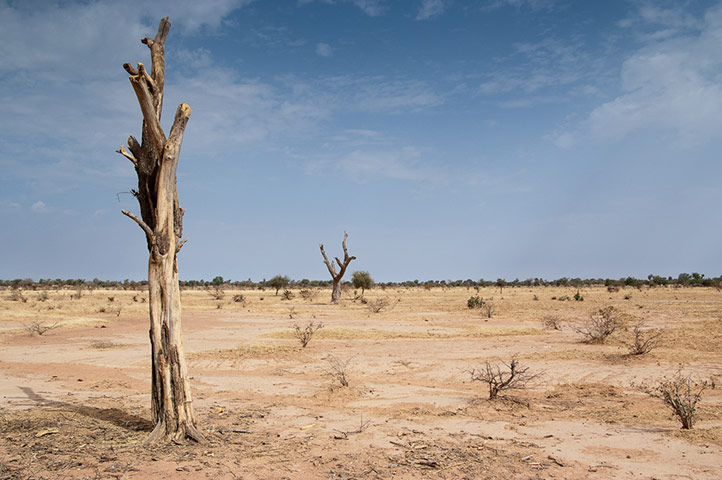
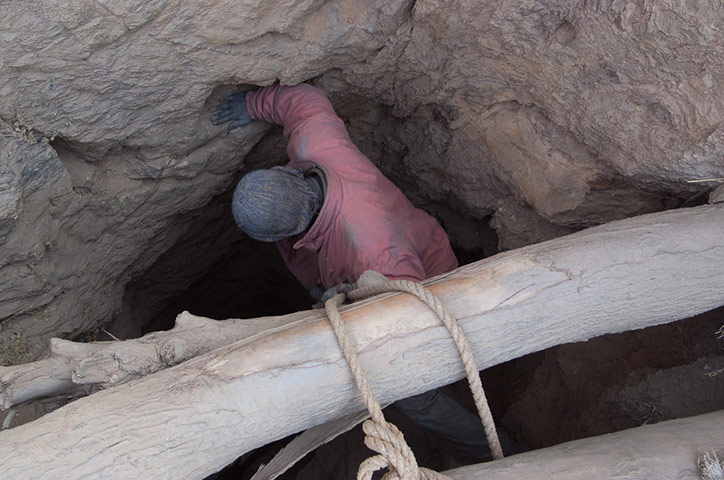
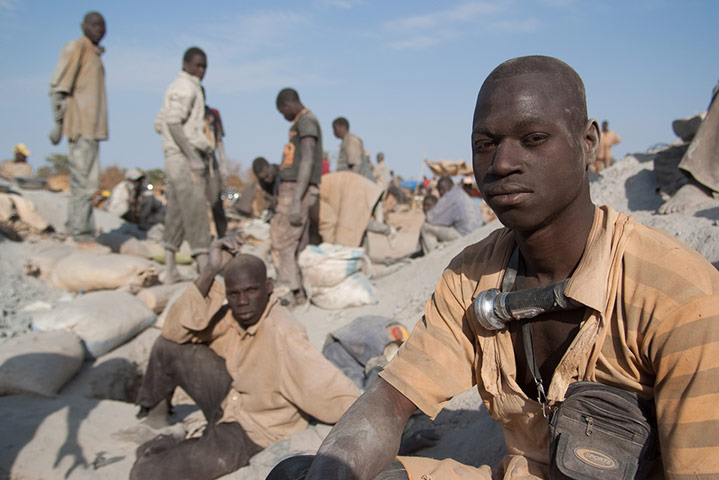
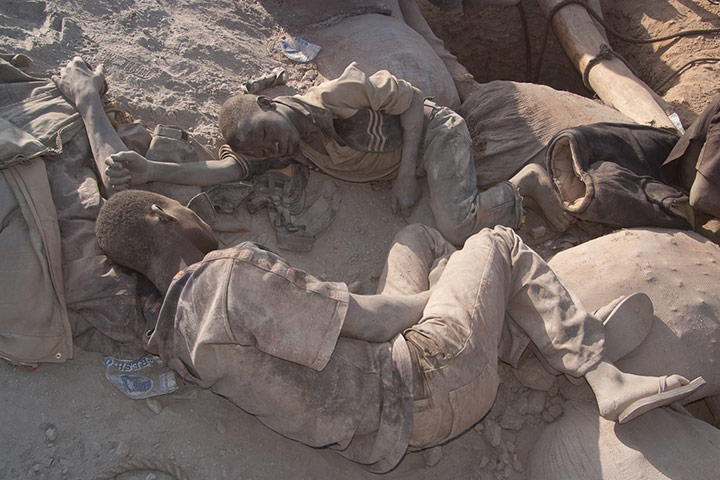
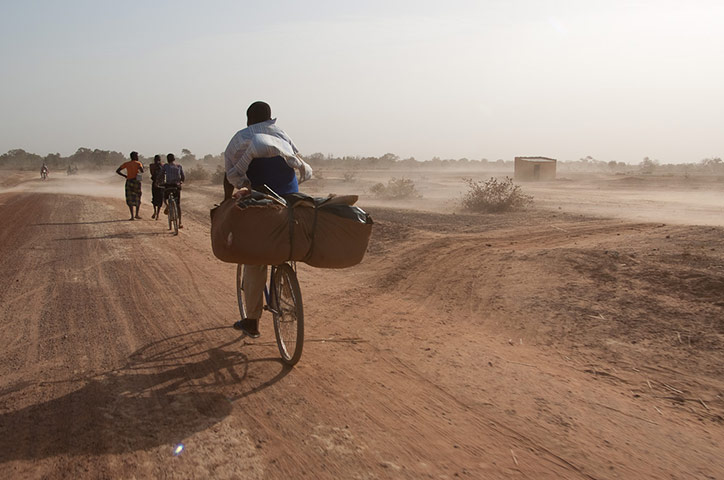
The landscape of Séguénéga in Burkina Faso, a commune in the north of the west African country, is suffering considerable environmental damage because of the increase in gold miningPhotograph: Jose Navarro/Tree AidWith gold prices at an all time high, more than 90% of able-bodied people in the region have been drawn to the small-scale mines that have been opened. So much land has been cleared of vegetation that the managers of the mines have to travel up to 30km to find the wood they need to stabilise the walls of the mines. And more timber is needed by the workers for building shelters and cookingPhotograph: Jose Navarro/Tree AidThere are nine major gold mining sites around Séguénéga. The workers are mostly young men. When a site has finished producing gold, the mine owners abandon that site and find anotherPhotograph: Jose Navarro/Tree Aid
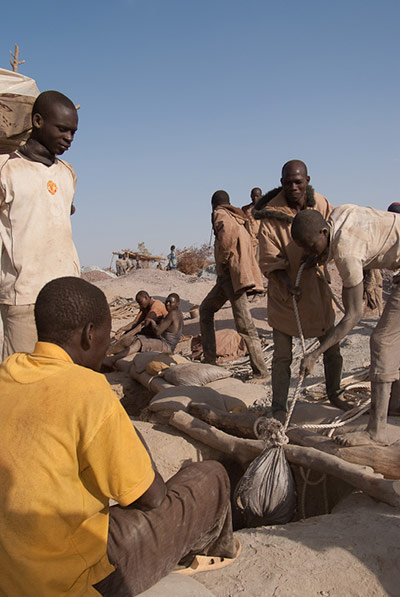
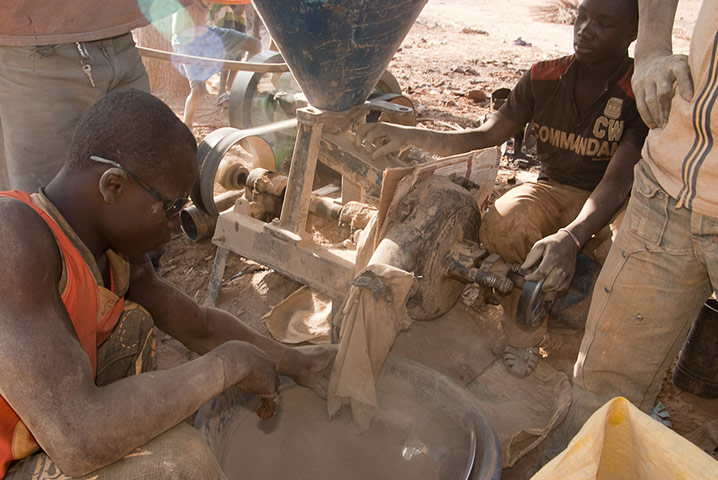
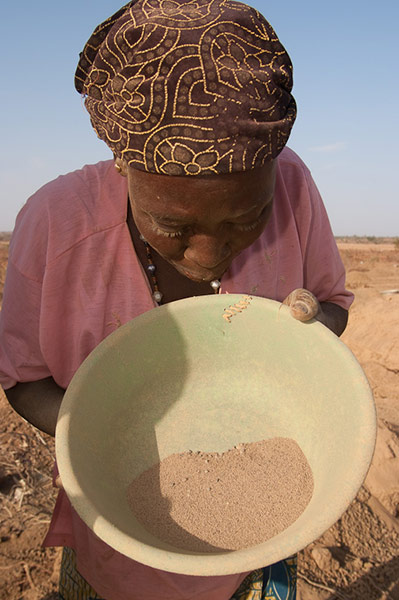
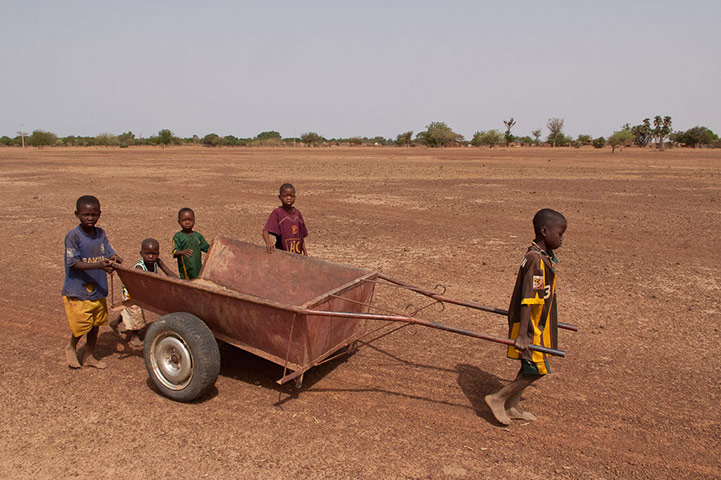
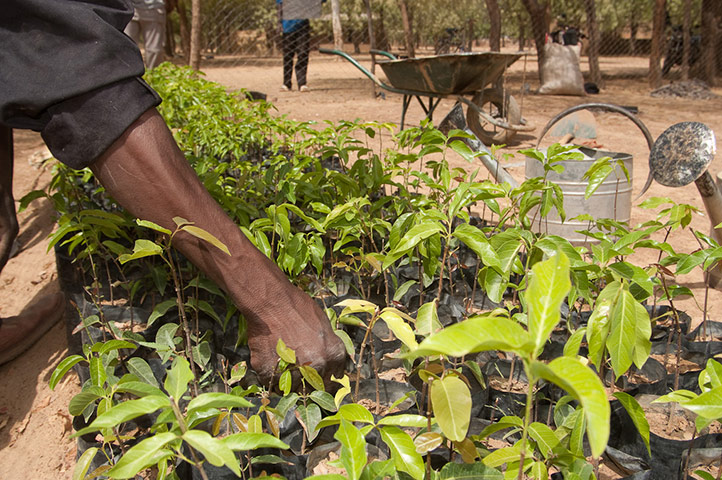
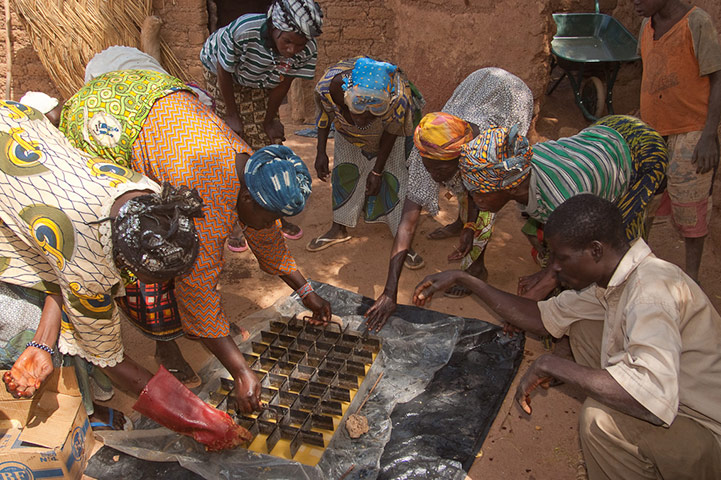
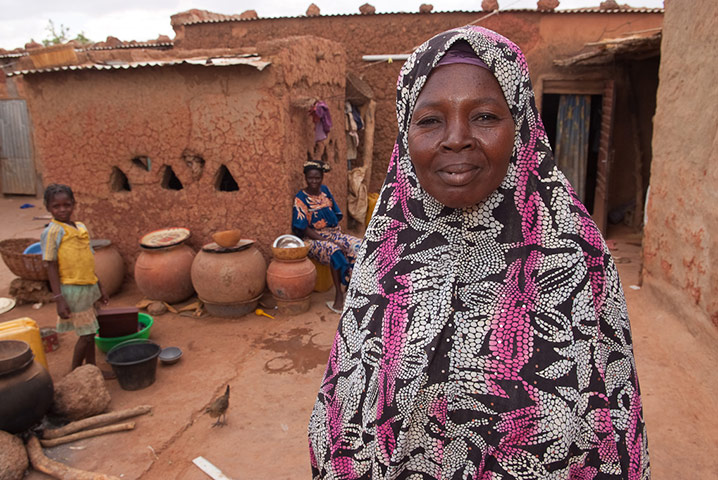
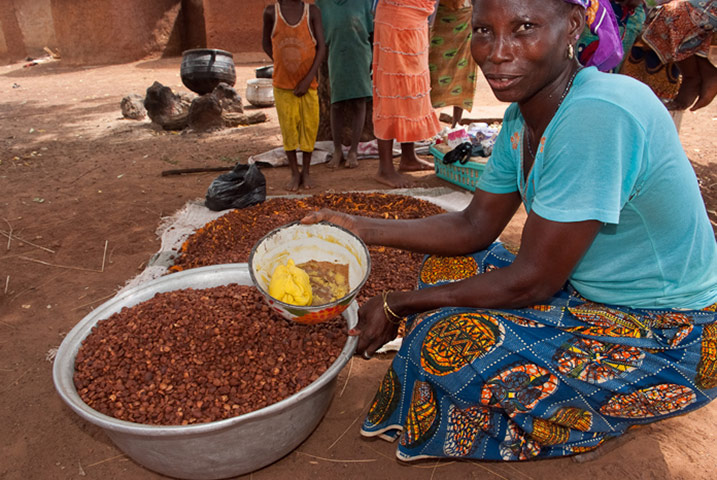
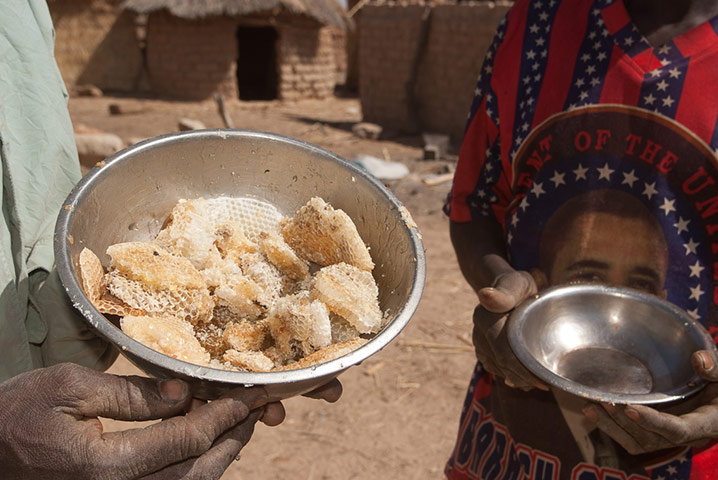
The mining managers choose men to dig. Each bag of stones the men dig up is theirs to keep, but they have to agree a price per bag before they can go down and start workPhotograph: Jose Navarro/Tree AidThe stones are then washed and passed to the grindersPhotograph: Jose Navarro/Tree AidWomen sweep up the dust from the process and pan it for any gold that might have been missedPhotograph: Jose Navarro/Tree AidThe men work six days a week. The mines are closed on Friday. Friday is panning day and pay dayPhotograph: Jose Navarro/Tree AidTrees are cut down to line the tunnels of the minesPhotograph: Jose Navarro/Tree AidVast areas are experiencing desertification as mining spreadsPhotograph: Jose Navarro/Tree AidWind erosion is a serious problem in the region. The whole of Séguénéga is vulnerable to disaster during the rainy seasonPhotograph: Jose Navarro/Tree AidThe dust of the south of Séguénéga contrasts with the burgeoning green of the north, where the NGO Tree Aid is working. It is replanting trees through community-based projects, such as this nursery run by Rasmani Ouedraogo. Chosen plant varieties are those that produce food for families and crops for income. The aim is to encourage villagers to protect rather than cut down treesPhotograph: Jose Navarro/Tree AidWomen can be a particularly vulnerable group in the community, especially if their husbands have been drawn to the mining south of Séguénéga. Women are helped to work together on projects such as soap-makingPhotograph: Jose Navarro/Tree AidAguira Zagre is the leader of a soap-making group in the village of Sittigo. 'The soil is much drier, much less fertile now,’ she says. ‘All the forests that I saw when I was a child are no more. The more trees that are the planted, the bigger the impact for my family, my business and the future of my community' Photograph: Jose Navarro/Tree AidShea butter is often called ‘women’s gold’ in west Africa. Tree Aid schemes train women to make higher quality butter that can be sold at the market. The money the women earn means they can send their children to school and buy what they needPhotograph: Jose Navarro/Tree AidHoney production is one of the most successful enterprises. Mining has created a huge market for honey in the Séguénéga region. Miners use honey for sore throats and to help with respiratory problemsPhotograph: Jose Navarro/Tree Aid
Sign up to read this article
Read news from 100's of titles, curated specifically for you.