
Here’s what the Mail, Telegraph or Express might call another European bureaucratic idiocy if they stumbled on it all unawares. When Britain joined up for EEC/EU solidarity some 41 years ago, we triumphantly negotiated zero VAT rates on children’s clothes, basic foods, books and – ah! – newspapers. If Fleet Street had been paying the UK’s current 20% today, your morning Times would have cost £1.44, not £1.20, your Guardian £1.92, not £1.60, your FT £3, not £2.50 – and even the Bun would rate 48p as it popped out of Murdoch’s oven. In short, prices inflated by the need to buy more expensive newsprint and launch more costly digital services would be higher still and circulations even worse.
But how about that purported transition to news online? There’s the seeming idiocy. Go behind the paywalls to buy digital subscriptions, mobile news apps, tablet editions and the rest – and 20% VAT comes swinging in. If digital is the future, devoid of dead forests and heavy machinery, then it costs more, not less. And it’s the same, of course, for books on the shelves and arriving by Kindle. A pox on Brussels imbecility…
Except that the European commission, seeking a level playing field wherever finely honed single markets are formed, thinks VAT rates ought to be harmonised right across the union. Instead of 9% in Ireland, 13% in Croatia, 10% in Austria, 7% in Germany and 2.5% in France, there ought to be 5% or so all around this world of words. That would be a real help for digital news sites trying to win customers (assuming they believed in charging to begin with). But it would also plonk British newspapers and magazines on the VAT escalator at last.
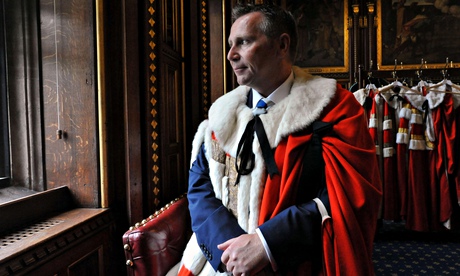
So papers quake; the redoubtable Lord Black of Telegraph Towers travels to Brussels to make the case; our gallant government prepares to stand dutifully firm: but nothing can be allowed to change because if ancient opt-outs are abandoned then treaty terms change, too, and much else with them. That’s one (less publicised) problem with re-negotiation.
It’s a bigger debate, to be sure. Compare shopping baskets in European and UK supermarkets and neither you nor Herr Lidl may quite be able to see the virtues of zero-rated food. And long-time newspaper readers who remember the ferocity of Murdoch price wars will perhaps be a little dubious about the money saved, or pocketed. But meanwhile imbecility rules – unless and until one of two things happens. One could be quitting the EU entirely and leaving VAT to a possibly more pliant Whitehall. Another is calculating when 5% on news websites and e-editions will bring in more sales and subscriptions than bearing a 20% burden in order to keep print at zero. Not the future yet, of course. Guy Black may have a lot of travelling still to do. Please Europe, nice Europe …







.jpg?w=600)



