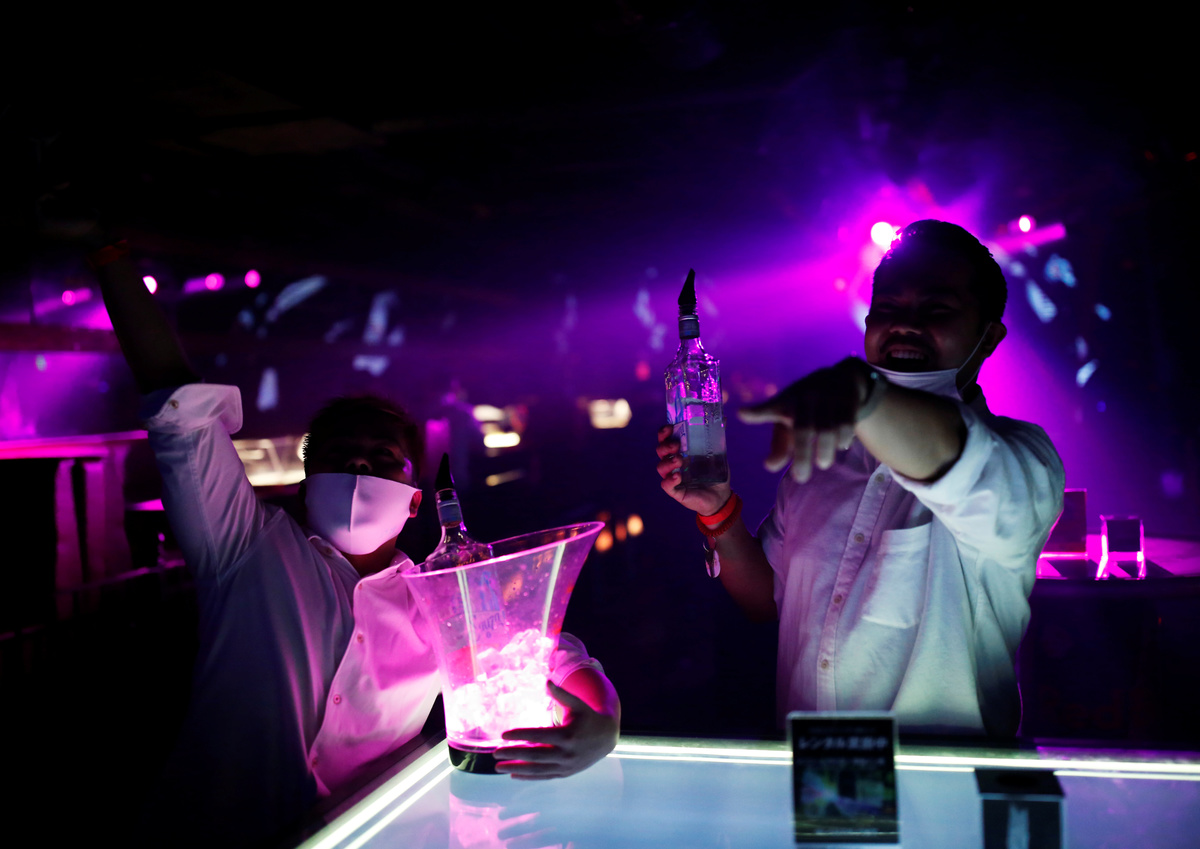
When Toshitsune Tamashiro was young and closeted in 1980s Japan, Tokyo's Shinjuku Ni-chome gay district was a haven. Now he runs a bar there, and has fought to keep the district going during the coronavirus pandemic.
Ni-chome, believed the most dense concentration of gay bars globally, fulfills a vital role for Japan's LGBT community in a nation where some gay men still marry women, and even a few Ni-chome bar owners haven't come out to their families.
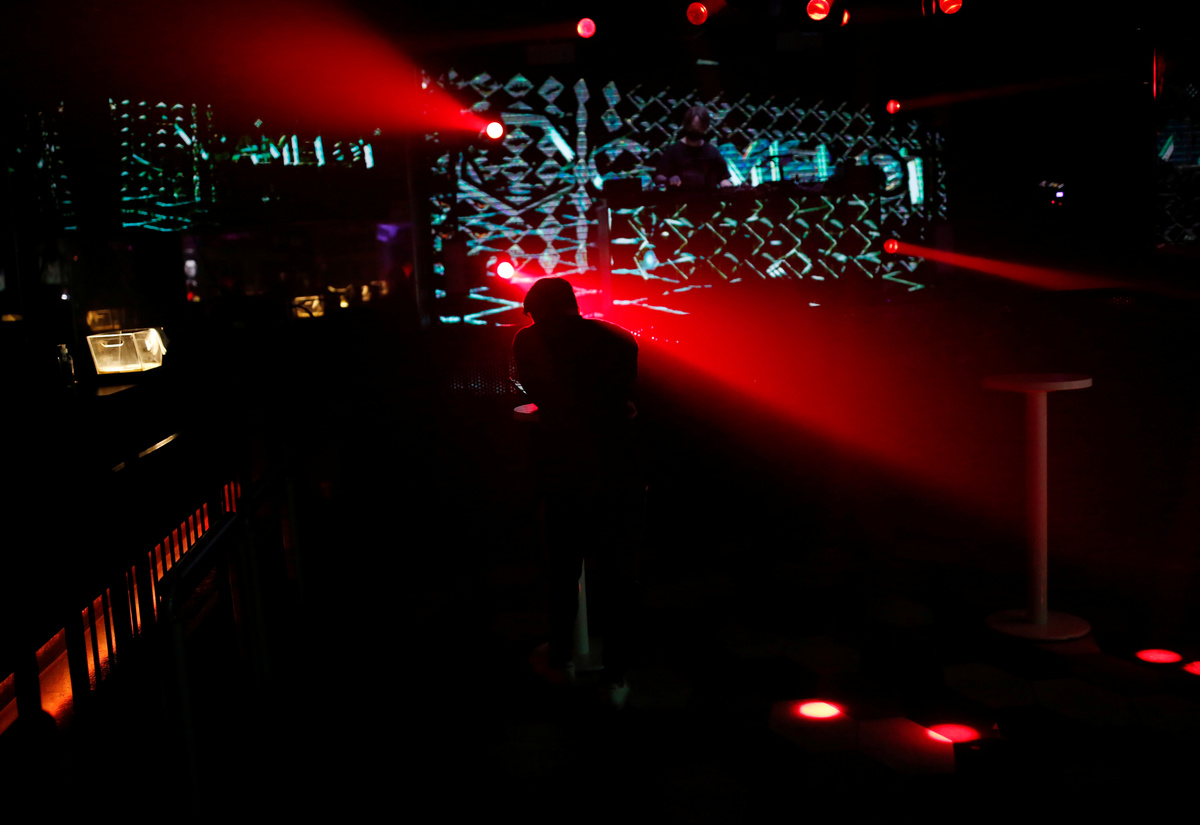
In April, under Japan's state of emergency, it became a ghost town. Landlords slashed rents, bars crowdfunded to stay afloat, and business leaders petitioned the local government desperately for help.
"We want to protect our shops, we want to protect our community. We want to protect our town," said Tamashiro, whose roughly 10-seat bar "Base" is typical of many of Ni-chome's tiny establishments.
Closed for several months, he sold "reserve" bottles to customers for extra income. Others peddled t-shirts or held online "dance parties," waiting for government subsidies to come through.
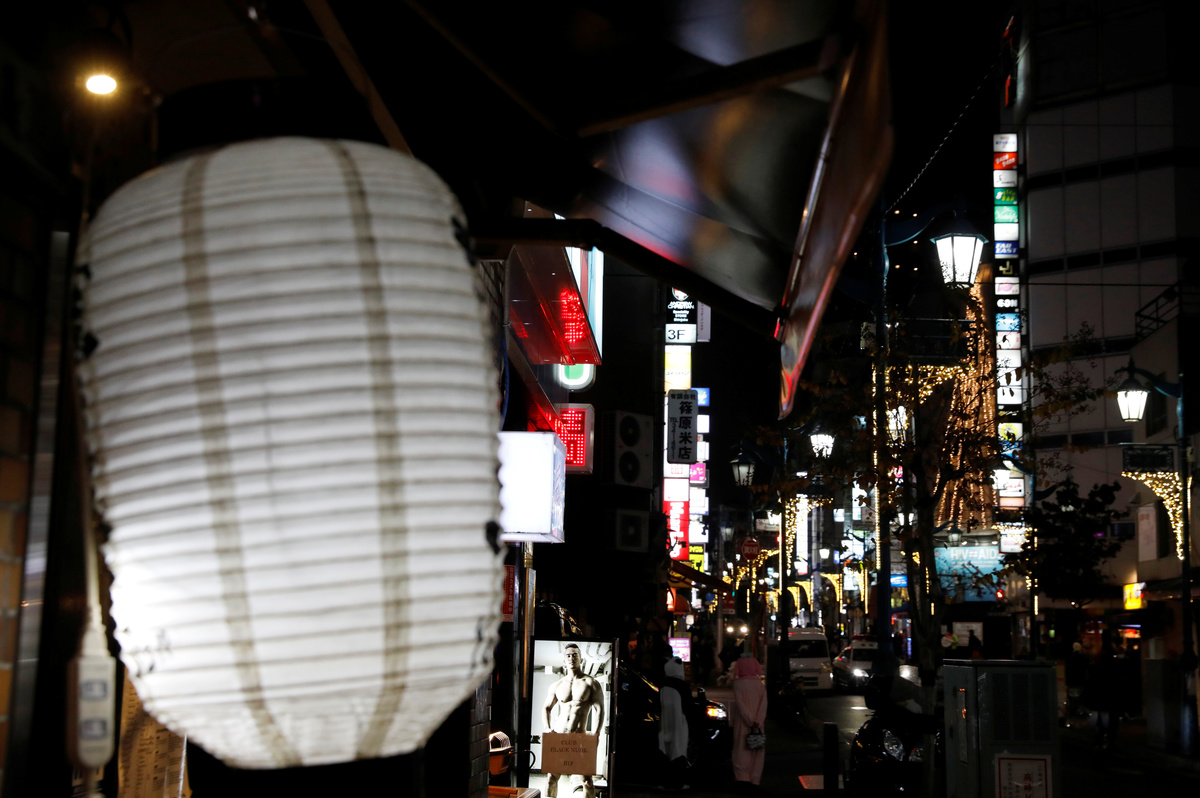
Unlike Japan's other entertainment districts, Ni-chome, with 400 bars packed into a space of several blocks, has always emphasised community. Many cater to niche groups, have only a handful of seats, and are staffed by one owner, whose loyal customers - often closeted - have come for decades.
"You feel safe there, and there's almost always somebody you know," said Kye Koh, of RainbowEvents. "Plus it's where we LGBT make the rules; straights who come here have to obey."
Low overheads helped many muscle through the worst months, along with rent cuts, often 30 percent and sometimes more.
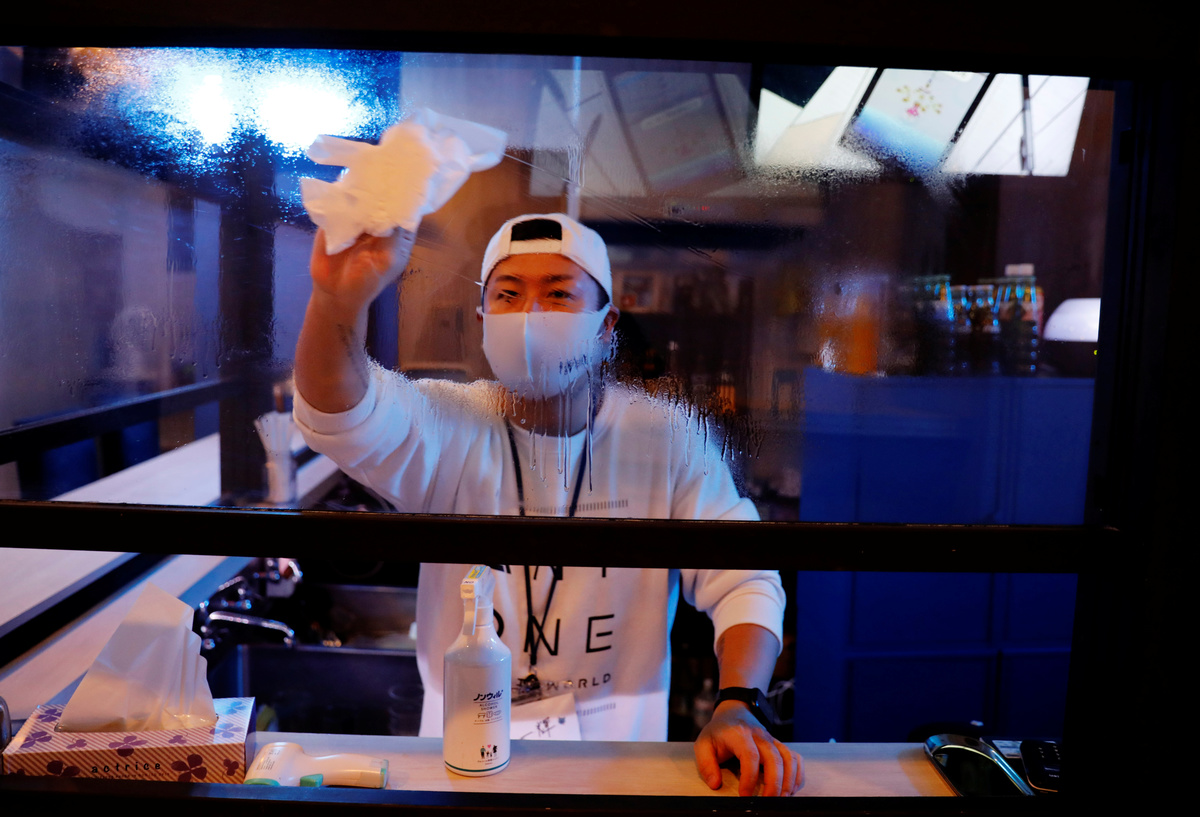
"If we didn't do this, places were going to fail one after another and Ni-chome as a gay town might change or disappear," said realtor Takamitsu Futamura, who negotiated rent cuts for more than 200 properties.
Yuta, who runs the popular Eagle Tokyo Blue and other bars - and prefers not giving his surname because he isn't out to his whole family - said June profits plunged 95 pct from 2019.
Six months later, though, the story is a bit different.
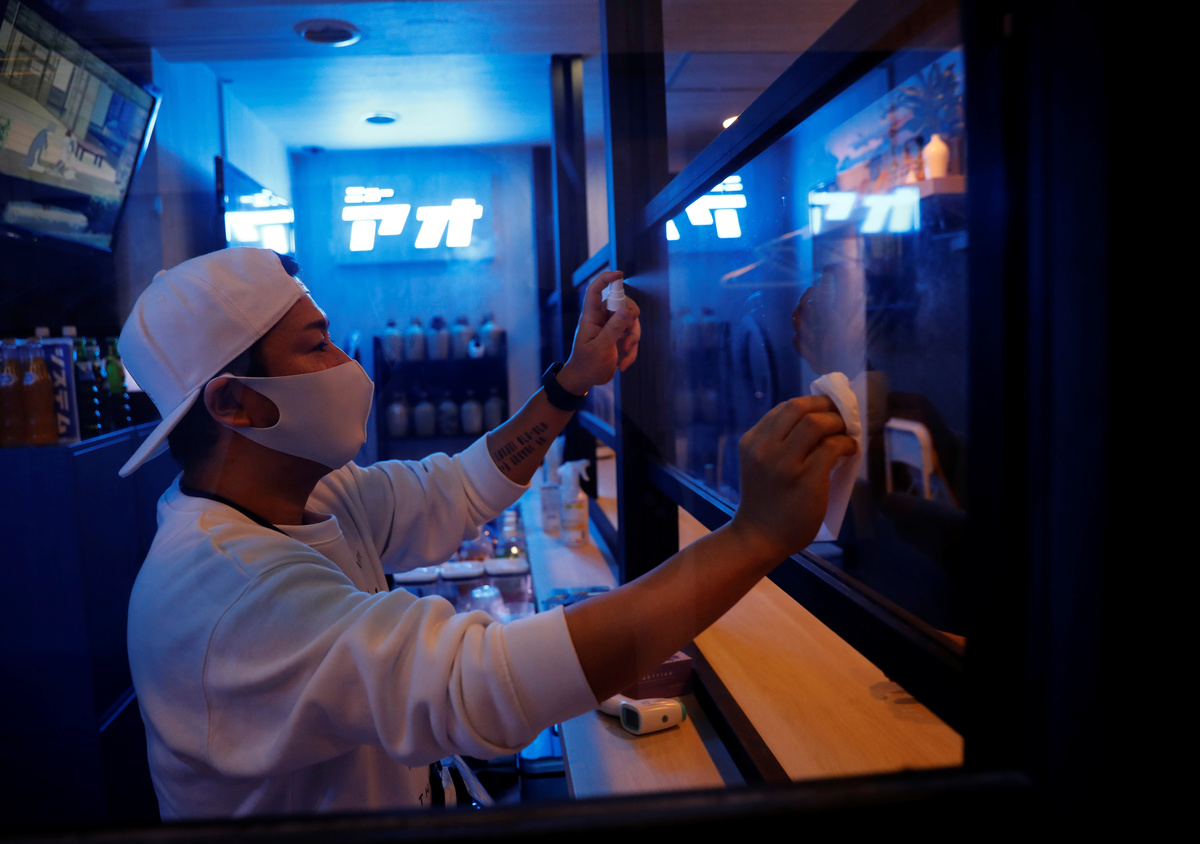
Only a handful of businesses failed but were replaced by new tenants, events are held live again, and most customers are used to hand sanitiser, masks and social distance.
Officials don't have data on Ni-chome coronavirus cases, but bar owners have heard of a dozen or so. Futamura said maybe 30 to 40 establishments had been linked to cases, in the summer.
Yuta said profits are back to 65 pct from a year ago, but things remain tough and coronavirus cases are again spiking in Japan. He doesn't plan to obey the latest Tokyo coronavirus guideline to shorten hours for three weeks.
"Customers are falling again," he added. "I hope for a vaccine soon, and inbound tourism picking up."
Tamashiro says his business is back to about 70 pct of what it was but some customers, wary of being caught up in contact tracing that could reveal their LGBT status and out them, are staying away.
But he, and others, believe Ni-chome itself is stronger than ever, with ties strengthened by the past months' struggles.
"When the owners had to shut down business, they got together and talked about how to make Ni-chome better," said Futamura.
"So I think there have been pluses: the growth of a sense of unity. The sense that we'll all get through this together."
(Reporting by Elaine Lies; Editing by Michael Perry)