Get all your news in one place.
100’s of premium titles.
One app.
Start reading

Bats have hung around for 33 million years, fossil shows

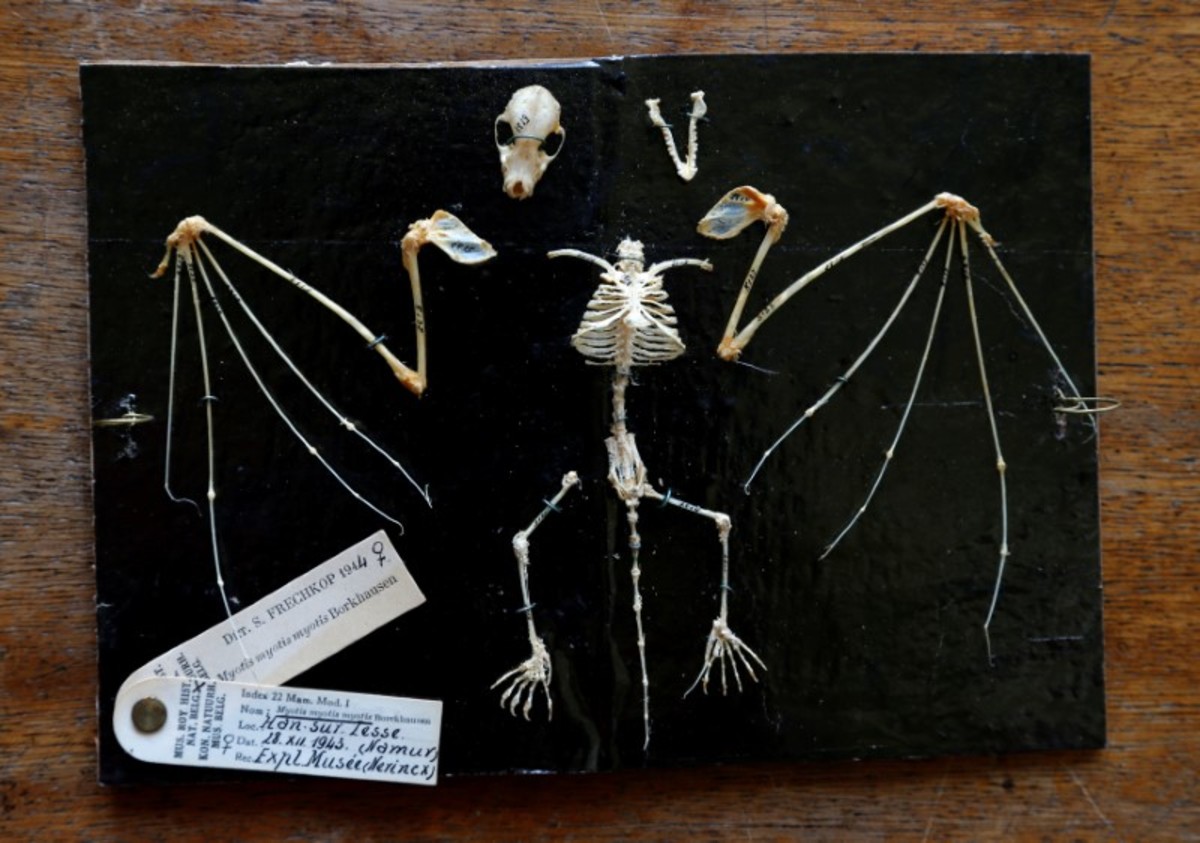
The skeleton of a Myotis myotis bat is pictured at the Royal Institute of Natural Sciences in Brussels, Belgium May 9, 2018. REUTERS/Francois Lenoir

BRUSSELS (Reuters) - Belgian scientists have discovered the oldest ever fossil of the common mouse-eared bat, proving the species already existed more than 33 million years ago.

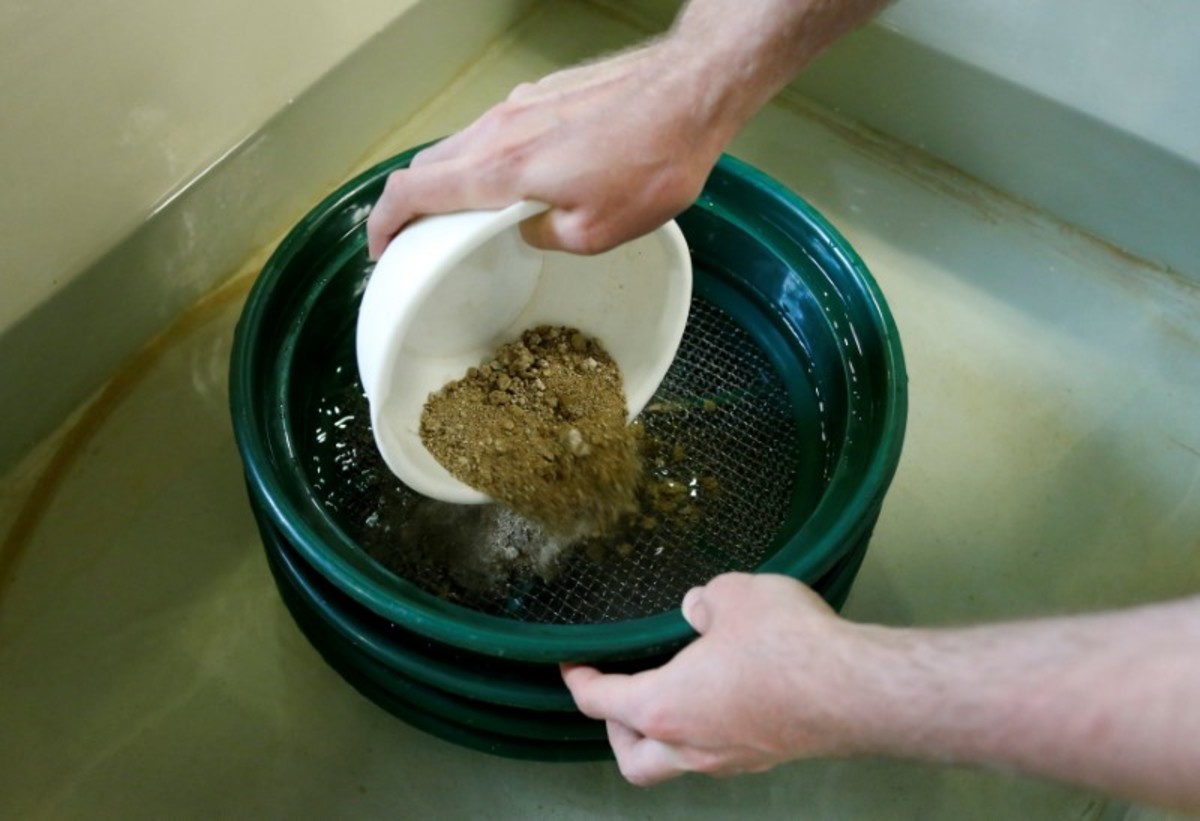
The bones of the tiny mammal were found at a fossil site in the late 1990s, unearthed when a new high-speed train track was built east of Brussels, but researchers spent decades sifting through tonnes of soil to make the discovery.

Eventually they encountered the bones of a tiny bat, from the myotis or mouse-eared bat genus, barely changed from those commonly found in Europe today.
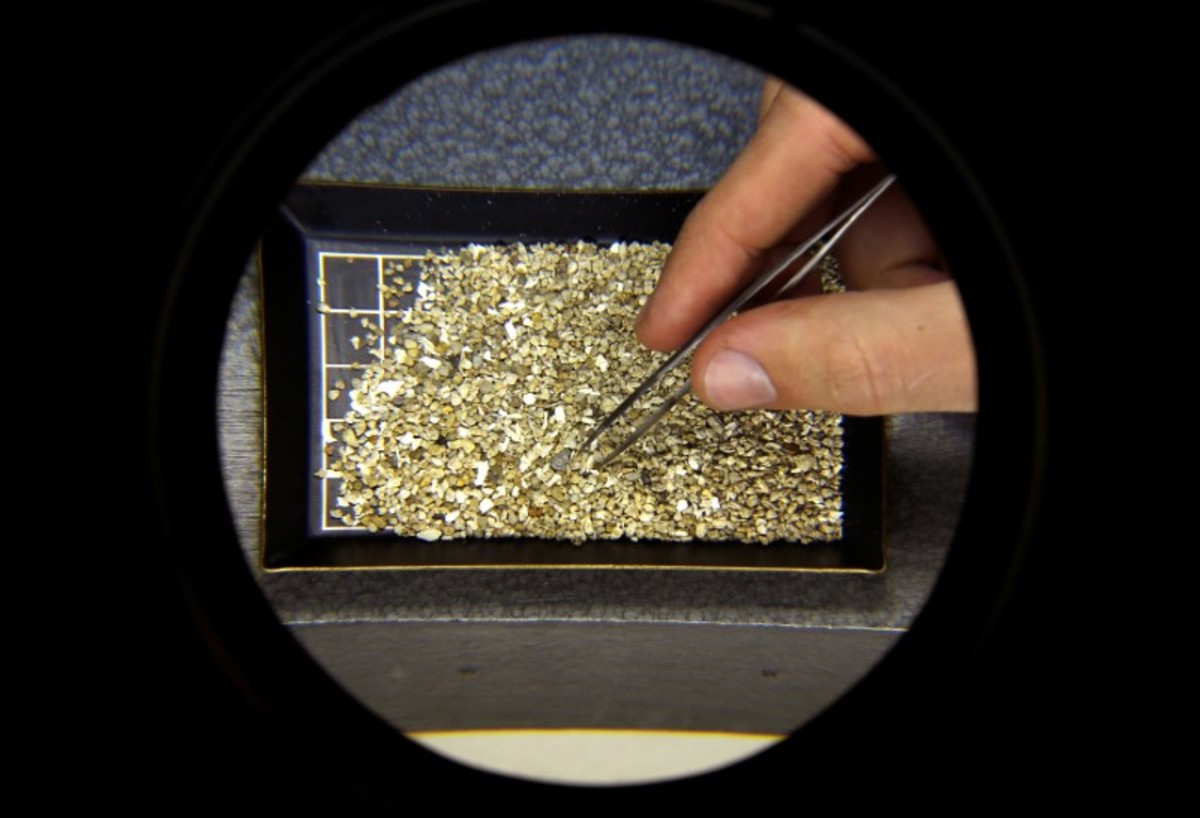
A scientist uses a magnifying glass to search for fossils of bones or dental remains of small mammals at the Royal Institute of Natural Sciences in Brussels, Belgium May 9, 2018. REUTERS/Francois Lenoir

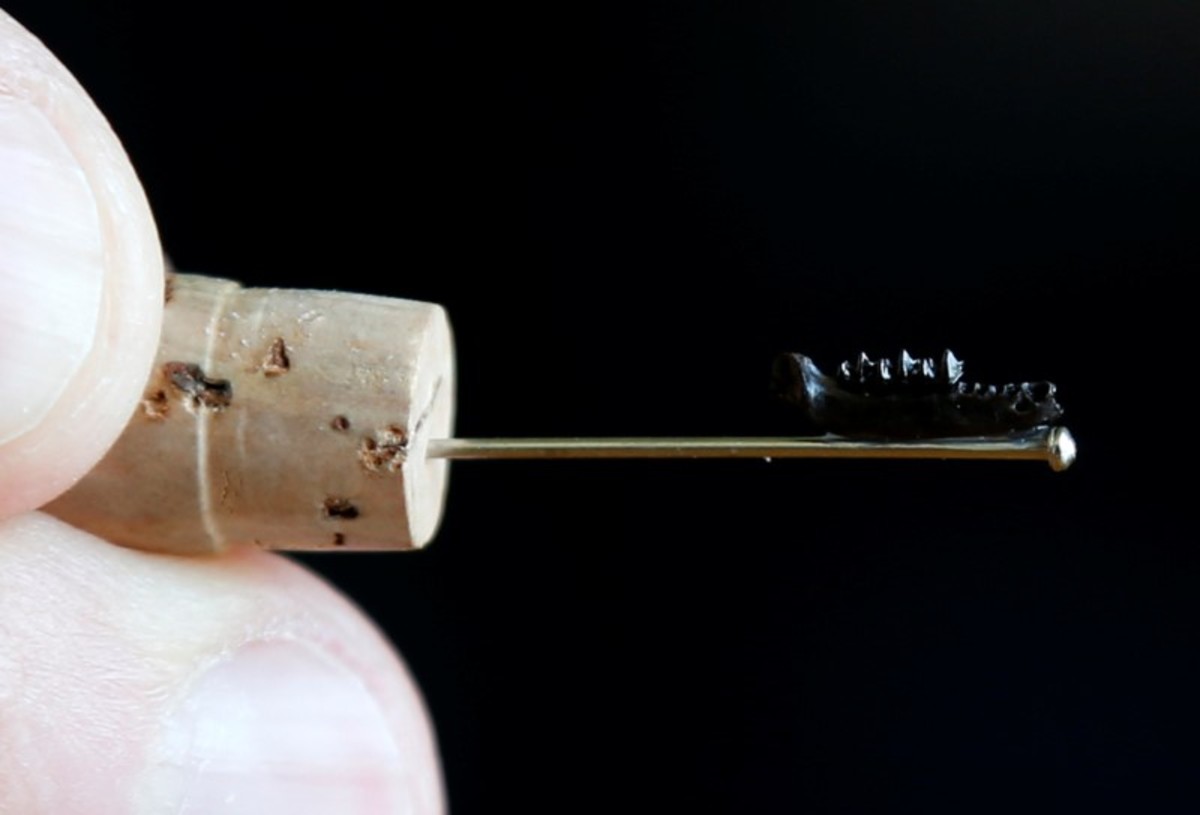
"This fossil bat is tiny, it is only made up of tiny isolated teeth, fragments of the jaw and some small bones," said Thierry Smith, one of the researchers involved in the project at the Royal Institute of Natural Sciences.

"Some species survive a few thousand years or one or two million years but not like here 33 million years," he added.

The Belgian discovery shows that the previous estimate of when such bats appeared for the first time was off by some seven million years.
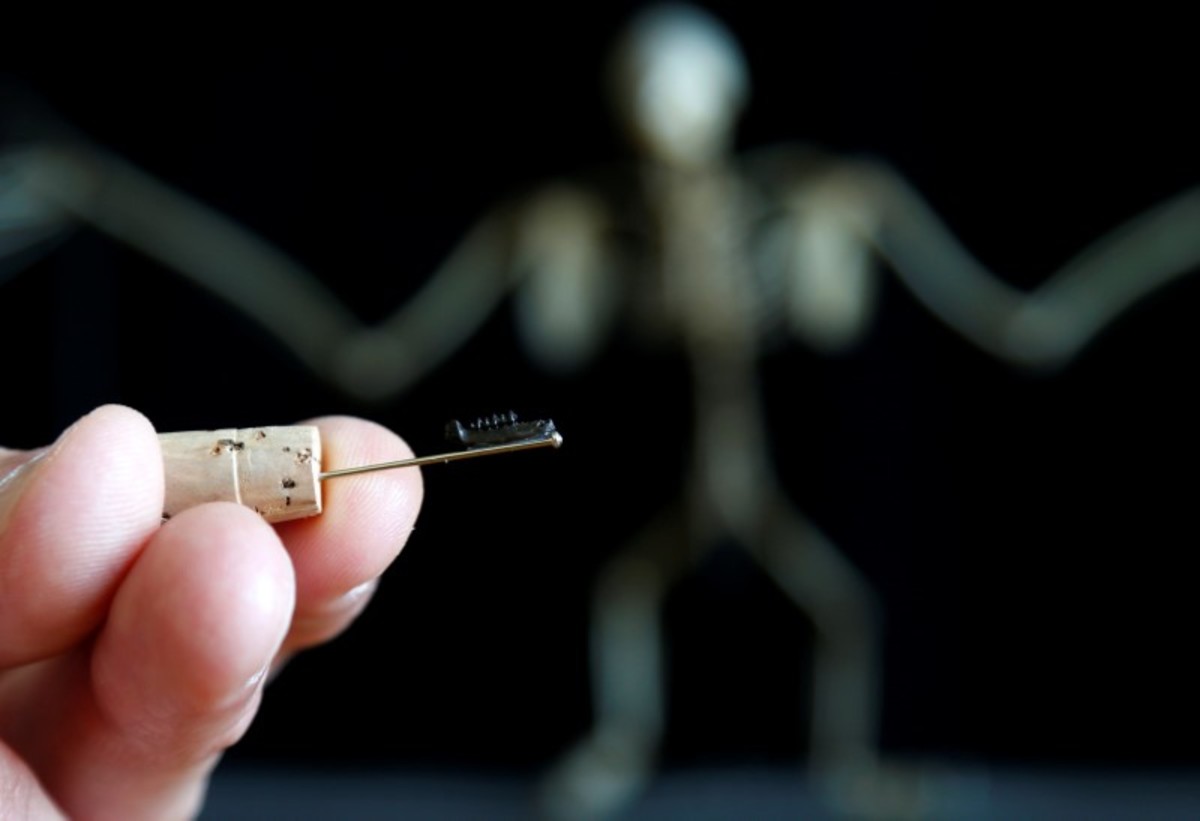
Scientist Thierry Smith holds a fossil of a bat's dental remains dating back 33 million years after researchers found a new species of bats called "Myotis Belgicus", at the Royal Institute of Natural Sciences in Brussels, Belgium May 9, 2018. REUTERS/Francois Lenoir

Smith said the long life of the bat species could be explained by the fact that bats are the only mammal capable of flying and as such did not need to compete with others for resources.

(Reporting by Christopher Stern and Verity Crane; writing by Robert-Jan Bartunek, Editing by William Maclean)
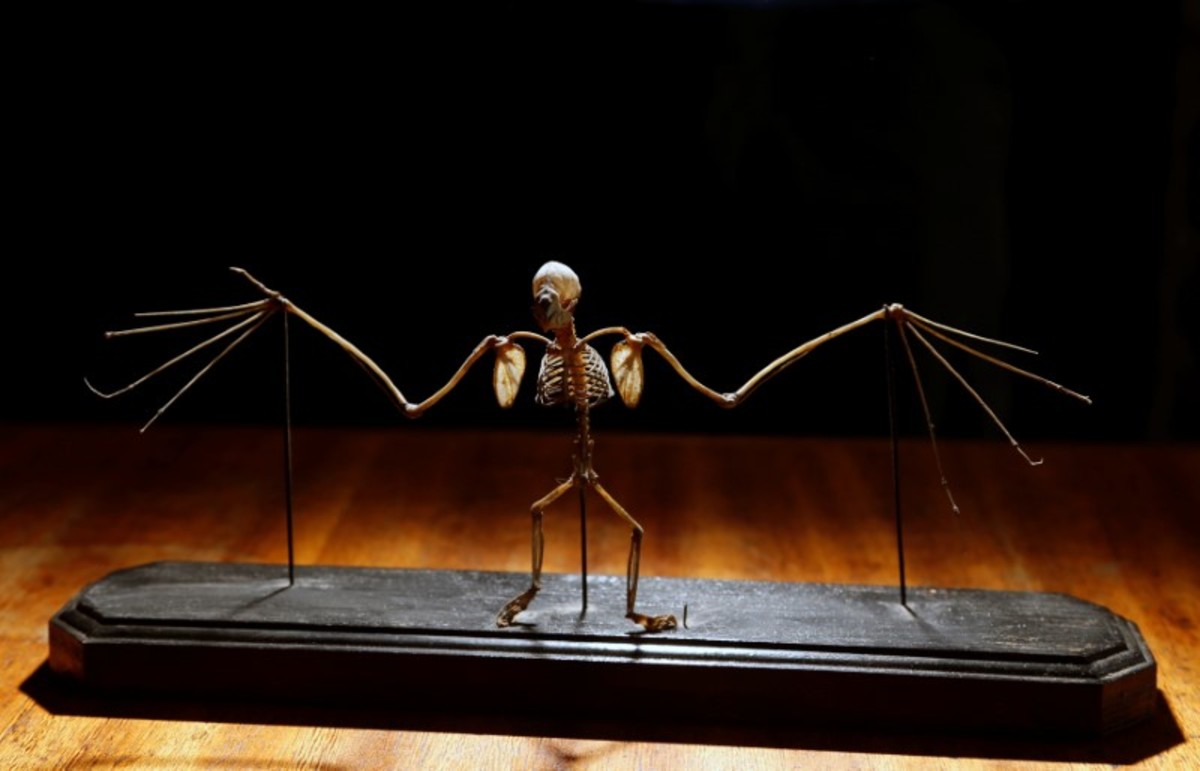
The skeleton of a Molossidae bat is pictured at the Royal Institute of Natural Sciences in Brussels, Belgium May 9, 2018. REUTERS/Francois Lenoir
A scientist uses a sieve to search for fossils of bones or dental remains of small mammals at the Royal Institute of Natural Sciences in Brussels, Belgium May 9, 2018. REUTERS/Francois Lenoir
Scientist Thierry Smith holds a fossil of a bat's dental remains dating back 33 million years after researchers found a new species of bats called "Myotis Belgicus", at the Royal Institute of Natural Sciences in Brussels, Belgium May 9, 2018. REUTERS/Francois Lenoir
Sign up to read this article
Read news from 100’s of titles, curated specifically for you.
Already a member? Sign in here
Related Stories
Top stories on inkl right now
One subscription that gives you access to news from hundreds of sites
Already a member? Sign in here
Our Picks
Fourteen days free
Download the app
One app. One membership.
100+ trusted global sources.