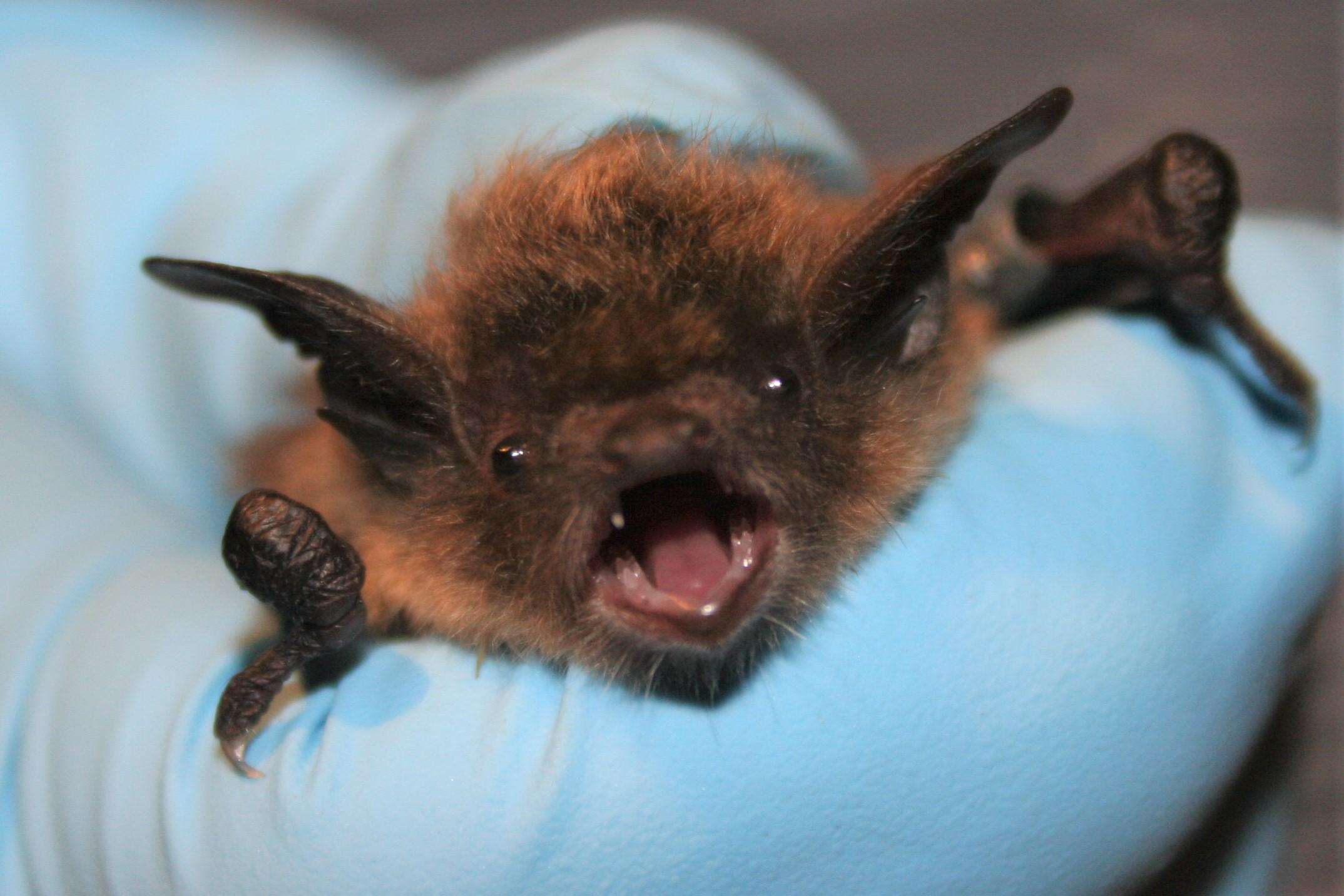
A heartbreaking medical case from Canada is prompting renewed warnings from doctors around the world after an 11-year-old boy died from rabies just 19 days after waking up to find a bat lying across his nose and mouth while he slept.
Get breaking news anytime, anywhere. Download the TOI app now!
The child had no visible bite or scratch marks, leading his family to believe there was no danger. But by the time symptoms appeared, it was already too late.
The case, detailed in the Canadian Medical Association Journal (CMAJ), involved a boy who encountered the bat while staying with his family at a cottage in northern Ontario during the summer of 2024.
Medical experts say the tragedy highlights a critical public health message: any direct contact with a bat should be treated as a potential rabies exposure, even if there are no obvious injuries.
Rabies remains one of the world's deadliest infectious diseases. Once symptoms develop, it is almost always fatal, yet it is also almost entirely preventable if treatment begins immediately after exposure.
Doctors involved in the case say the family's decision to share their son's story was driven by a hope that others will recognise the risks sooner and seek life-saving medical care.
Bat encounter turned into rabies
According to the medical report, the boy was asleep when he suddenly woke to find a bat resting on his nose and mouth. Startled, he knocked the bat away, while his father captured it in a cooking pot and released it outside. Because the child had no apparent bite or scratch marks and the bat did not appear to be behaving unusually, the family did not seek medical advice or rabies post-exposure treatment.
Nineteen days later, the boy began developing unusual symptoms. It started with tingling and numbness on one side of his face, followed by facial swelling, vomiting and a loss of appetite. Doctors initially suspected Bell's palsy linked to a herpes infection and prescribed antiviral medication, but his condition continued to worsen.
Within days, he developed painful swallowing, slurred speech, fever, weakness on one side of his face, confusion and visual hallucinations.
After being admitted to hospital, his neurological condition deteriorated rapidly. He was transferred to the Pediatric Intensive Care Unit (PICU), where infectious disease specialists strongly suspected rabies because of the earlier bat exposure.
Laboratory testing later confirmed infection with a bat rabies virus variant. Despite intensive treatment, the child died on the 17th day of his hospital stay after life support was withdrawn.