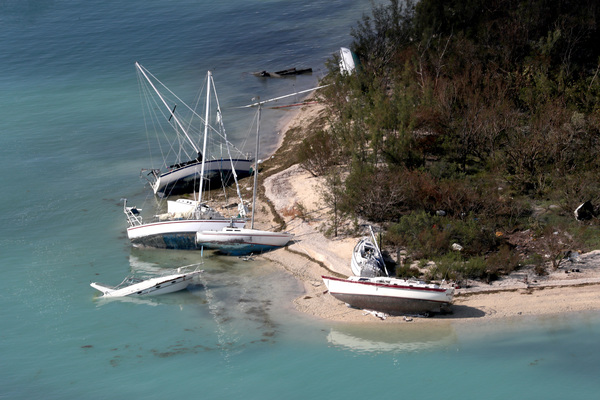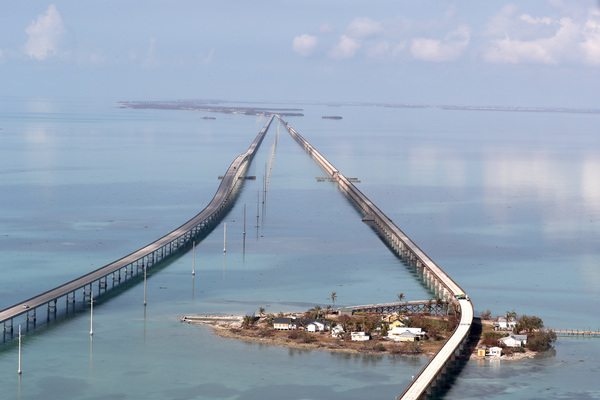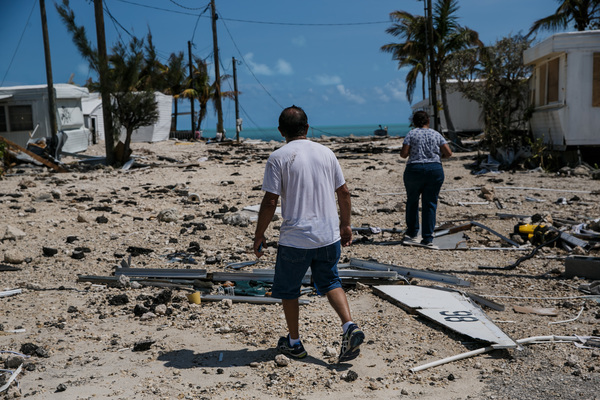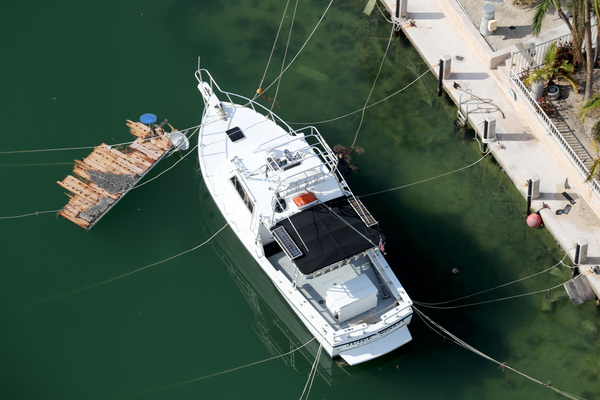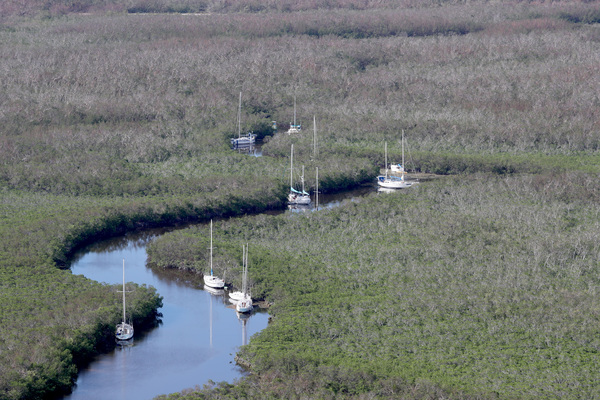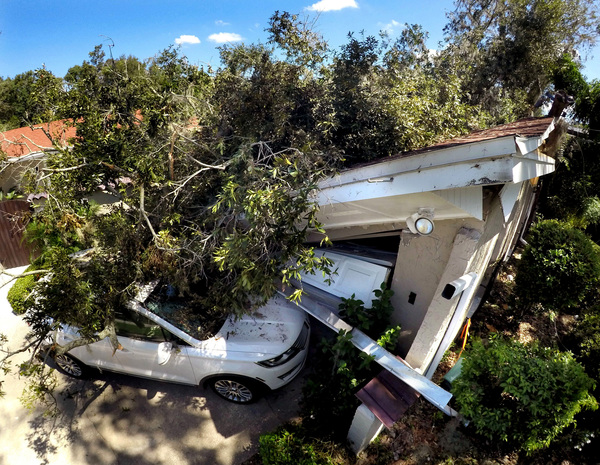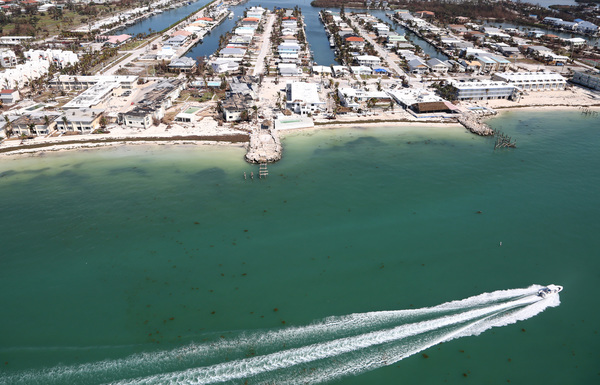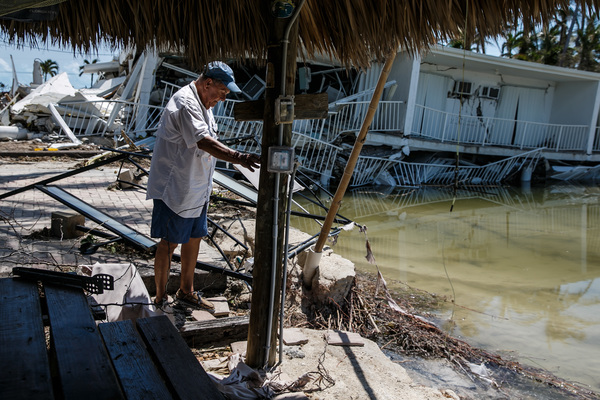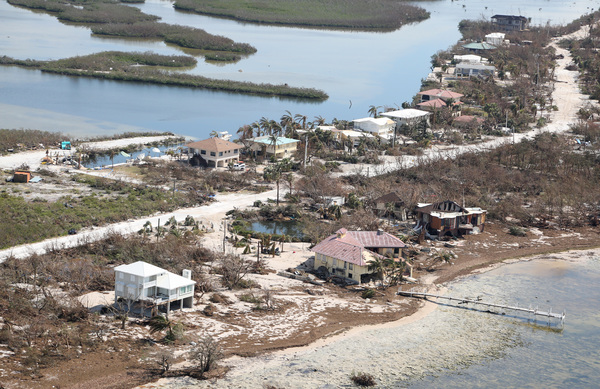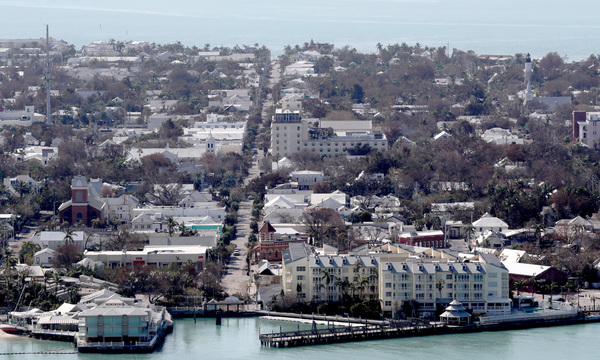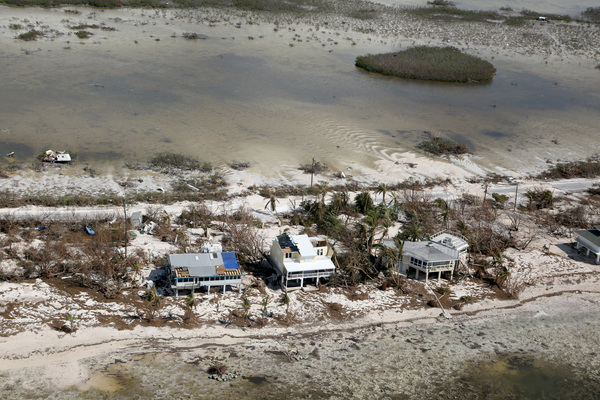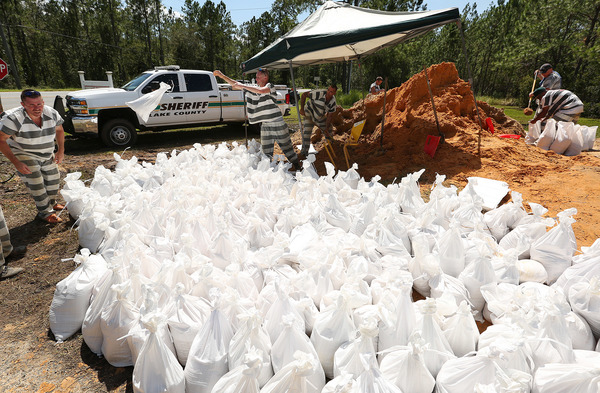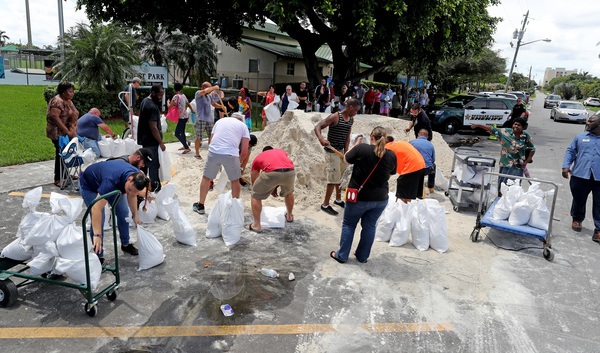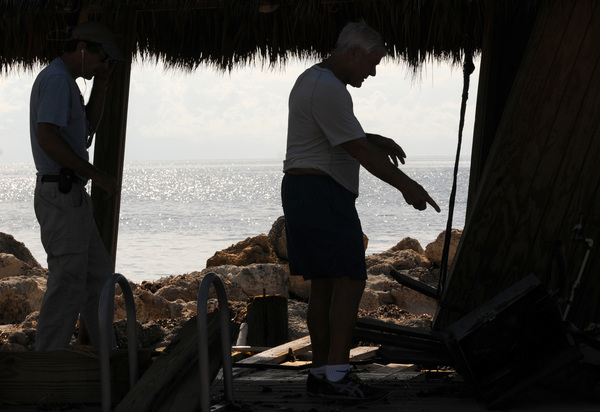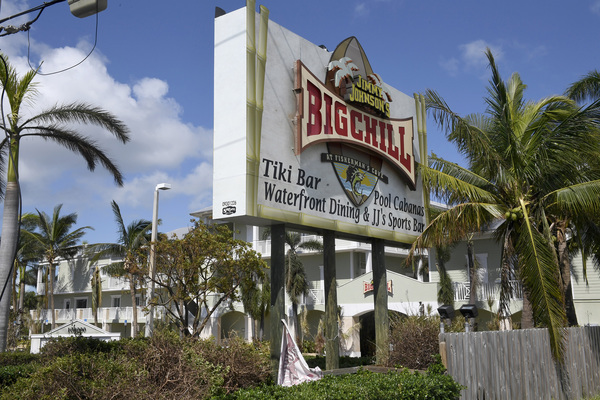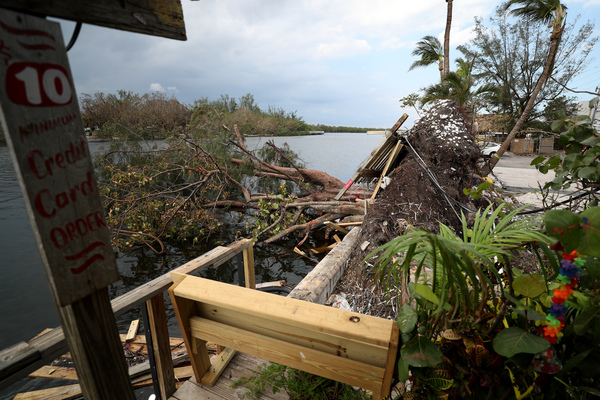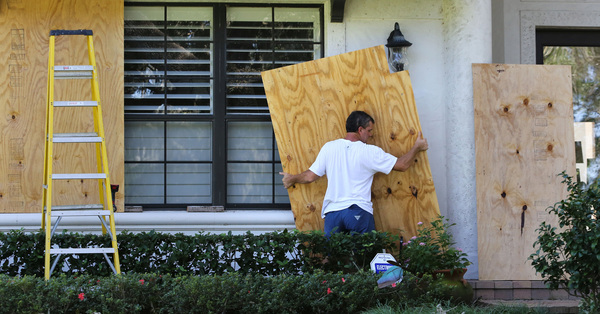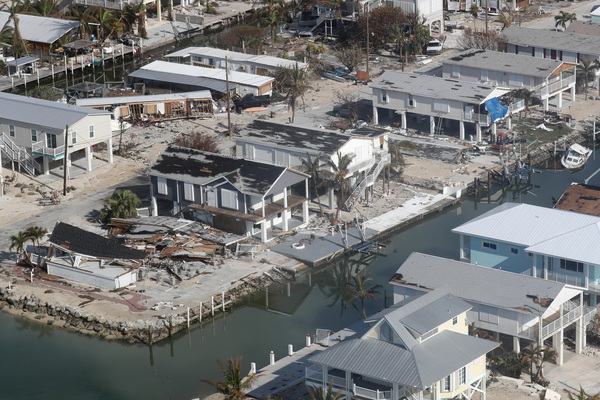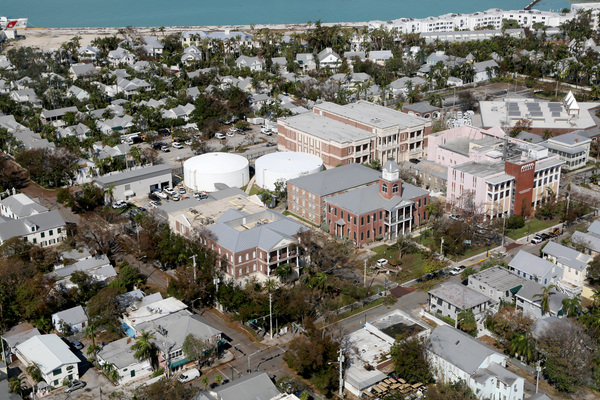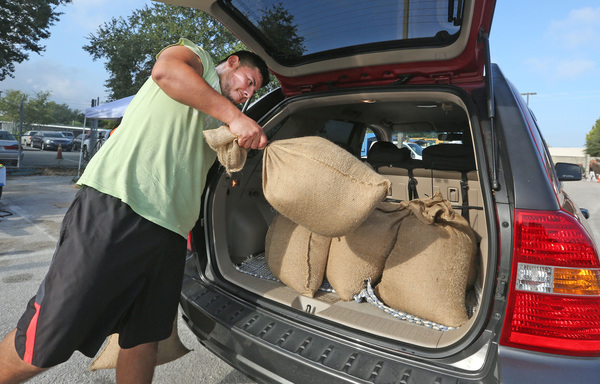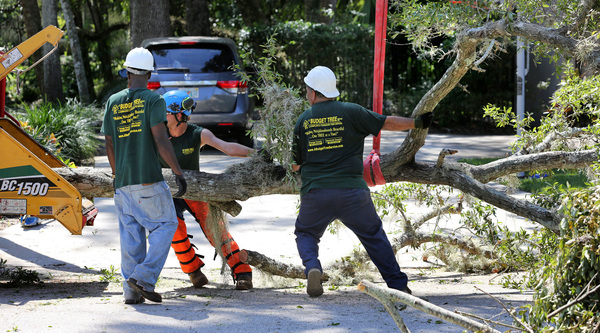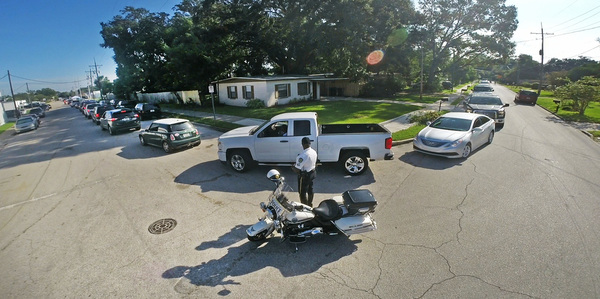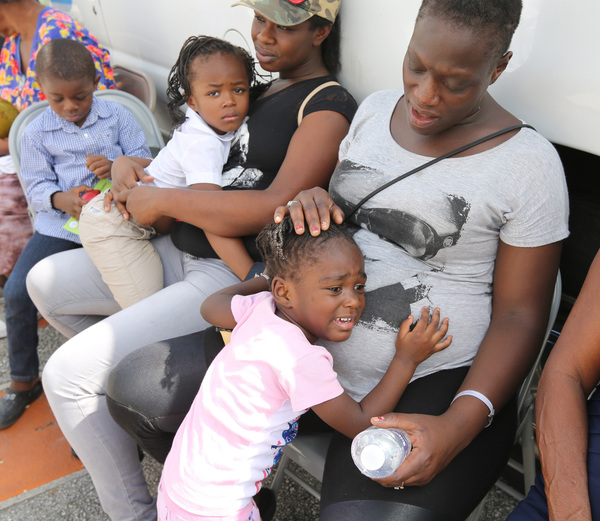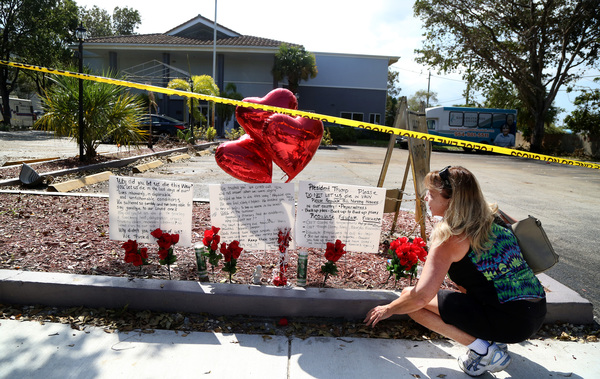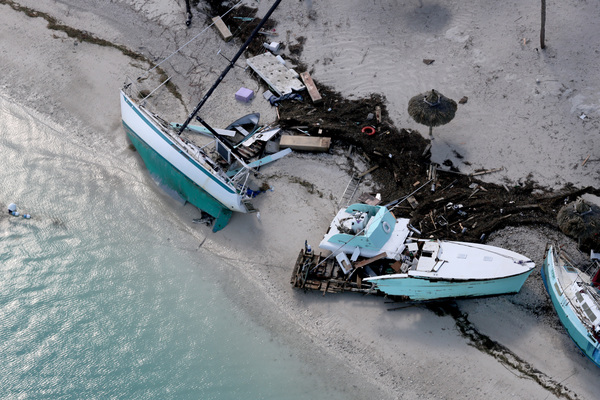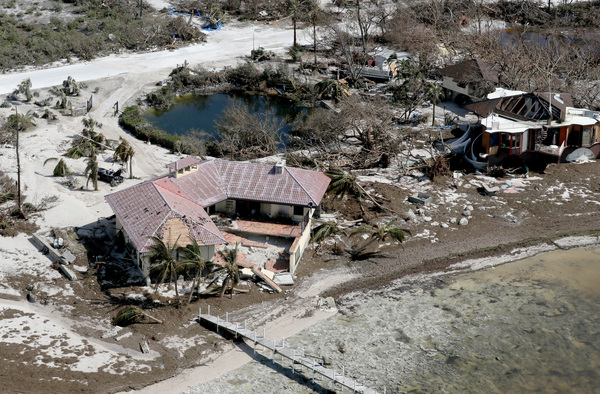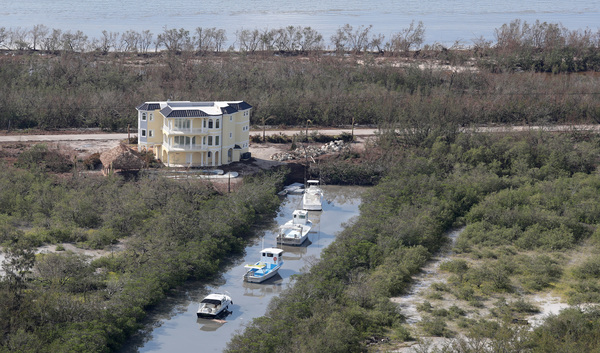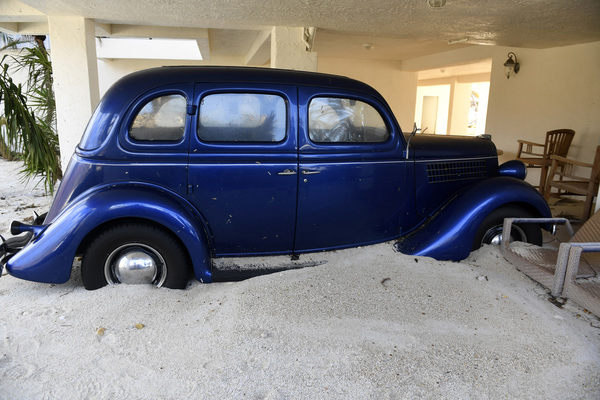
JACKSONVILLE, Fla. _ Residents of the hurricane-hammered Florida Keys began returning home Tuesday to a primitive, pared-down version of their former lives, with most lacking basic necessities such as electricity, water, sanitation systems or cellphone service.
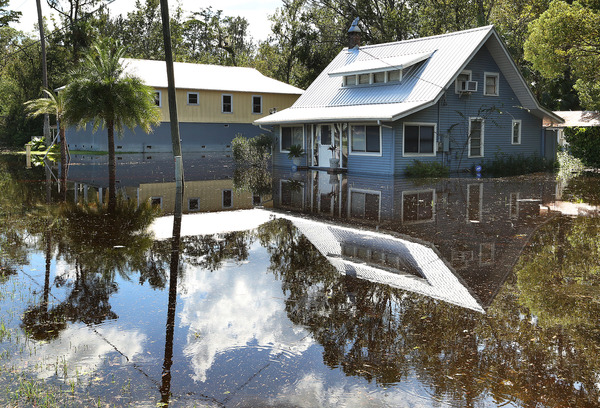
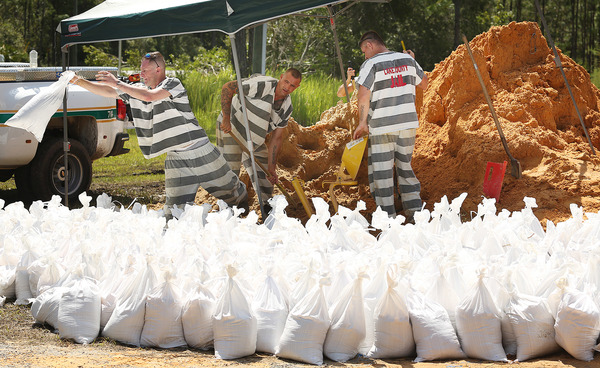
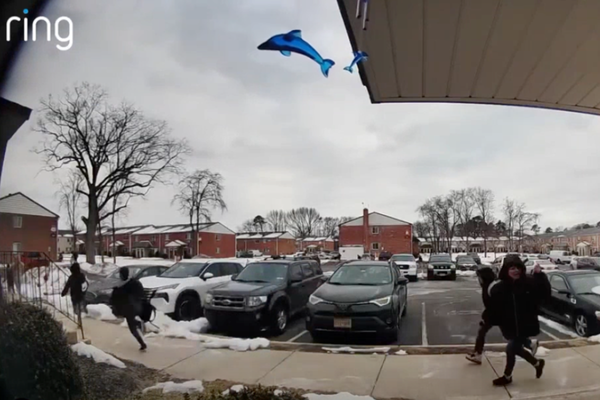
The woes spawned by former Hurricane Irma stretched from the Keys, off Florida's southern tip, to the state's far north, where the city of Jacksonville was cleaning up after its heaviest flooding in decades and coping with a continuing high-water threat.
The Jacksonville sheriff's office said more than 350 people had been plucked to safety from floodwaters, and warned people to take heed of any further evacuation orders.
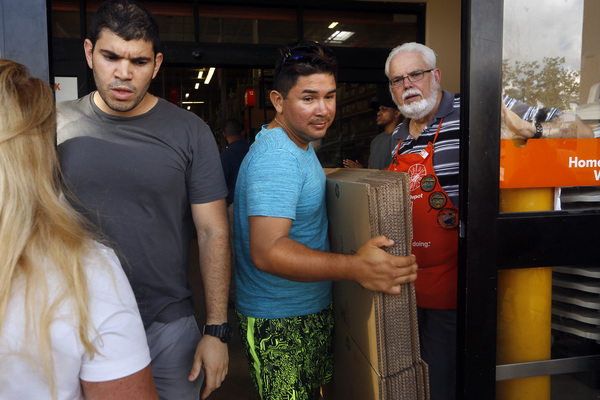
"There are so many areas you'd never have thought would have flooded, that flooded," said Gov. Rick Scott, who visited Jacksonville on Tuesday. "Thank God everybody helped everybody here."
Across the state, millions struggled to cope with power outages, fuel shortages and a massive cleanup that was still in its earliest stages. President Donald Trump planned to visit the hurricane zone Thursday, the White House said without disclosing an itinerary.
Despite causing such widespread damage, Irma was blamed for relatively few fatalities on the U.S. mainland, after killing at least 36 people on its rampage through the eastern Caribbean last week.
There have been seven storm-related deaths in Florida, four in South Carolina and two in Georgia, according to The Associated Press, but officials have questioned whether some of those fatalities can be directly attributed to Irma.
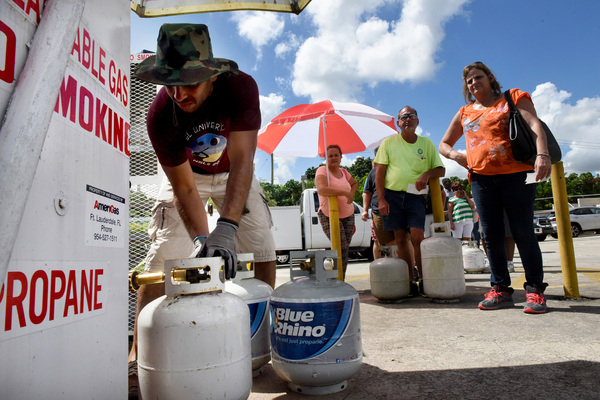
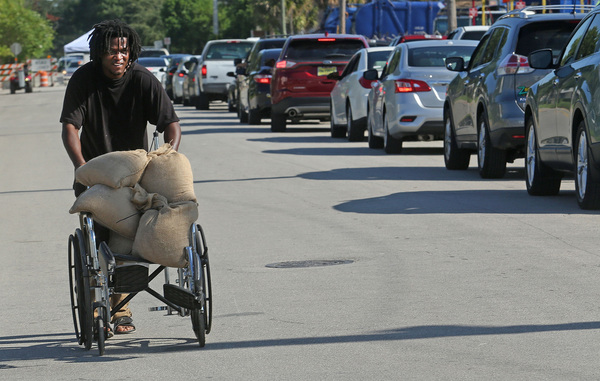
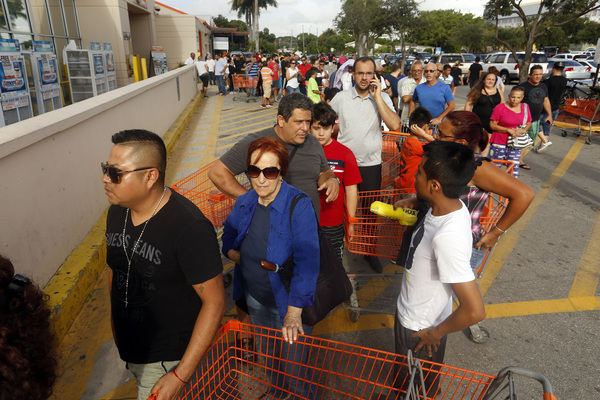
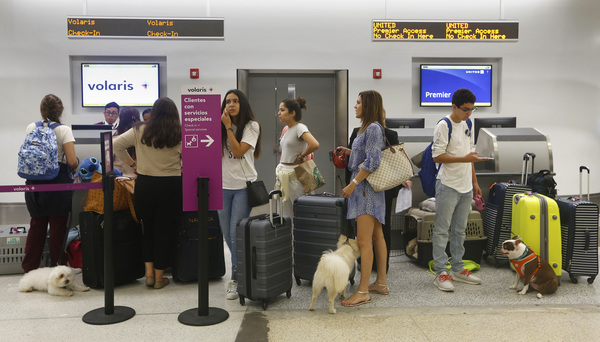
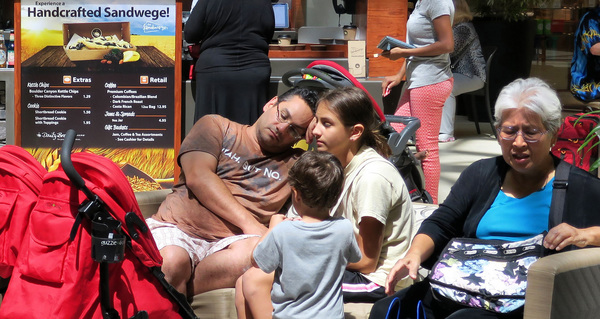
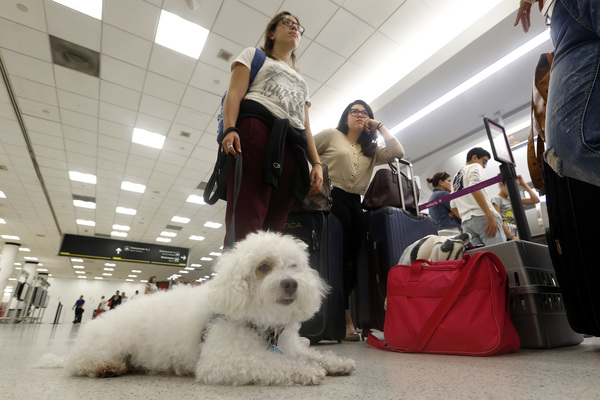
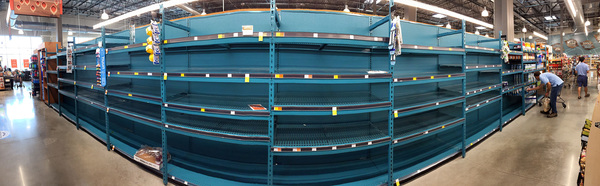
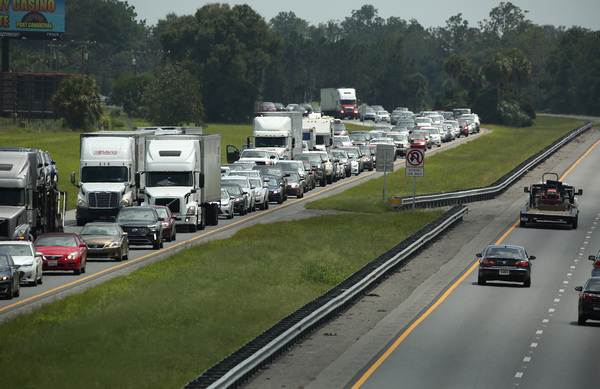
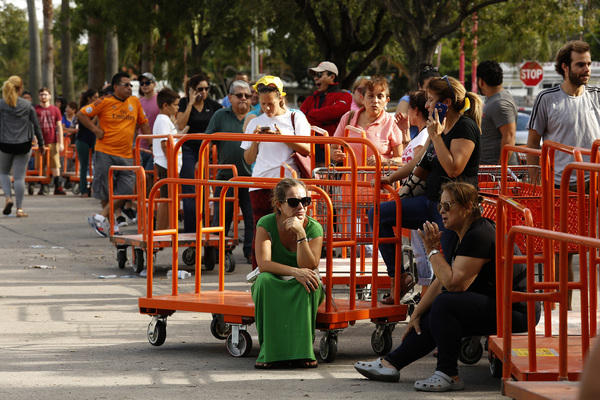
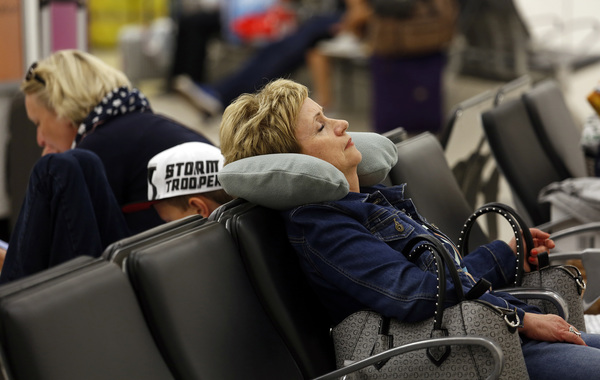
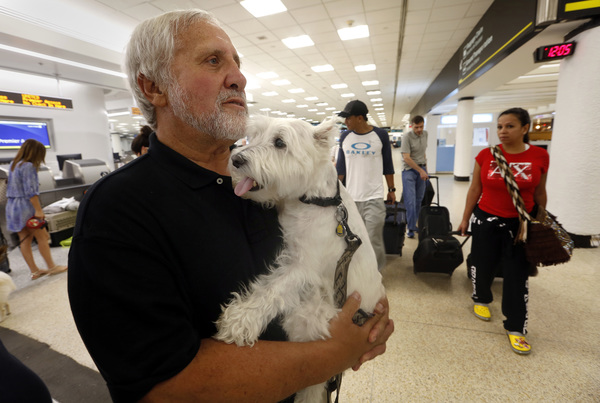
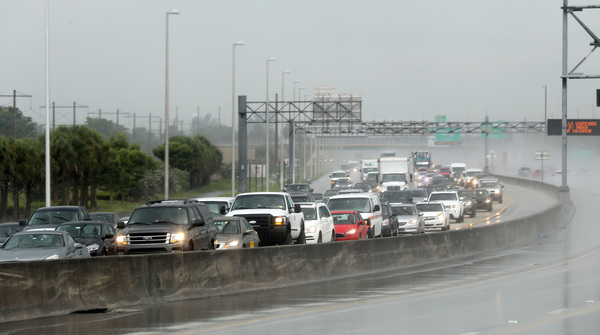
Florida's storm-imposed isolation was easing. Although gasoline was still hard to come by in much of the state, frustrating motorists, Miami International Airport reported that it was gradually resuming service Tuesday but advised people to check with airlines to make sure their flights were actually scheduled.
The storm's lingering winds were snarling air traffic as far away as Atlanta, where hundreds of flights were canceled Tuesday at Hartsfield-Jackson airport, the world's busiest in terms of passenger traffic, where gusts up to 64 mph were reported.

In Florida, the port of Tampa reopened Tuesday afternoon to big ships, which will allow fuel tankers to make much-needed deliveries.
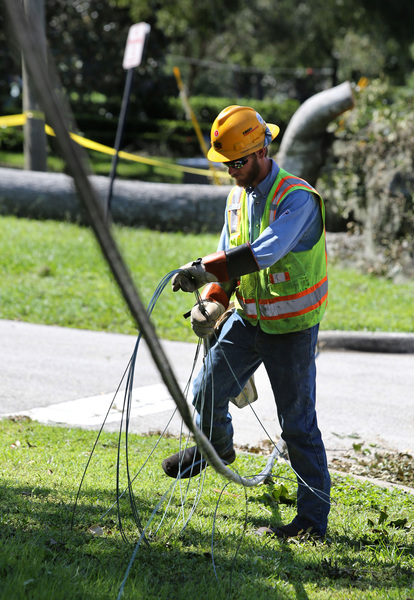
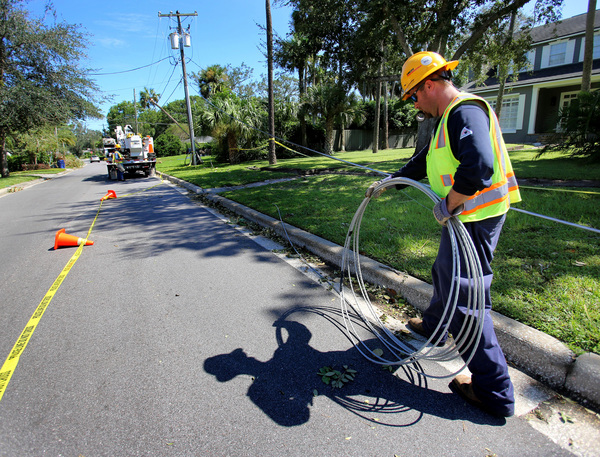
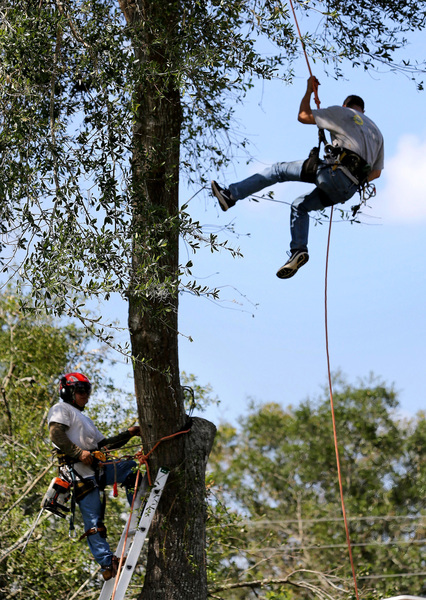
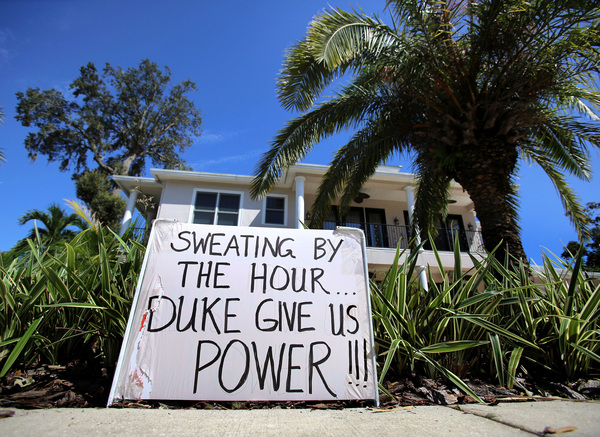
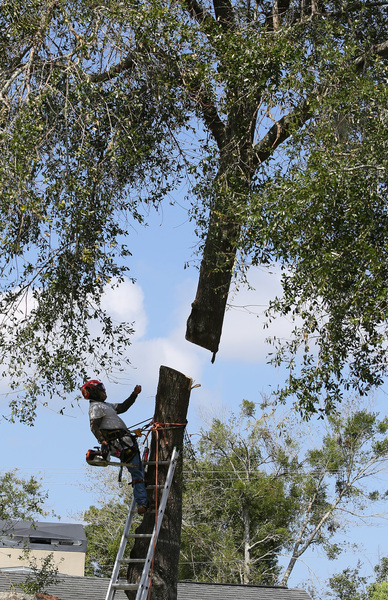
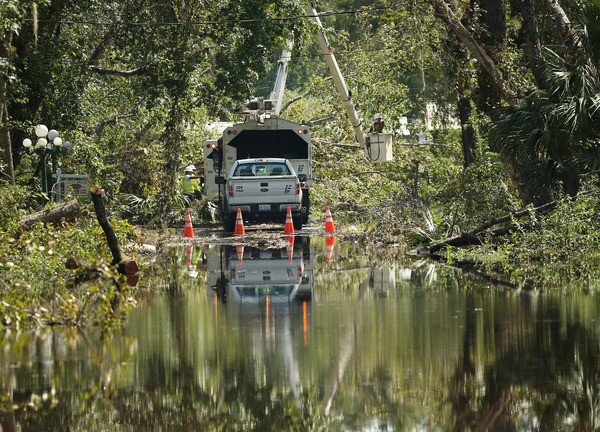
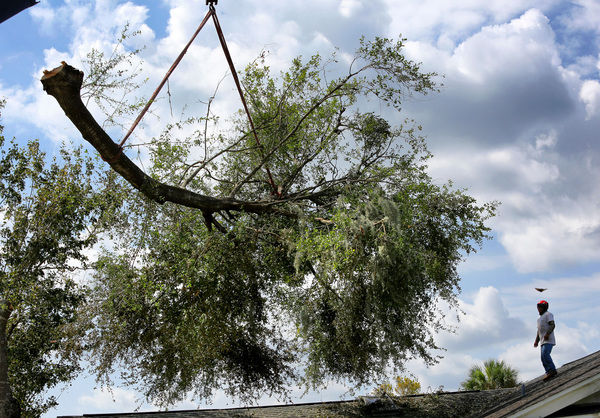
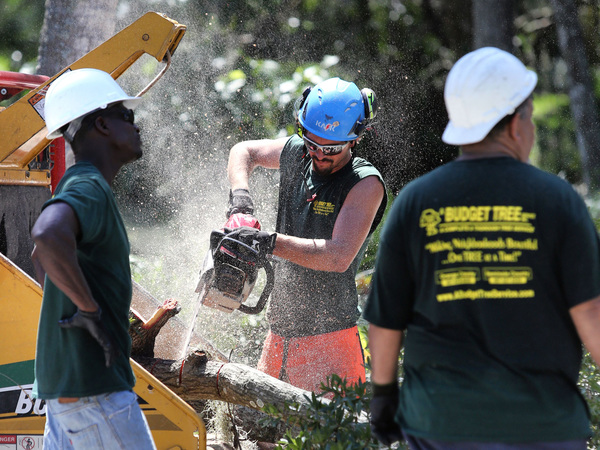
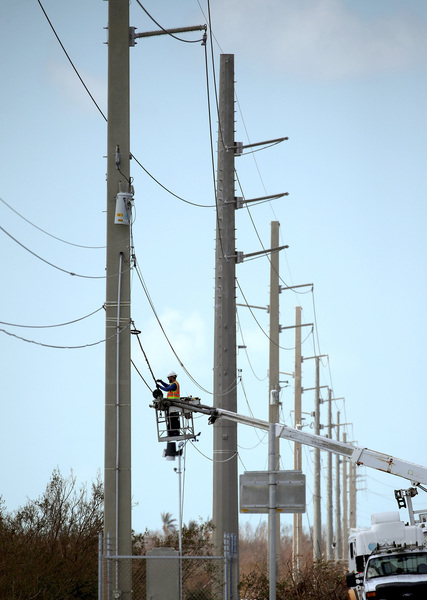
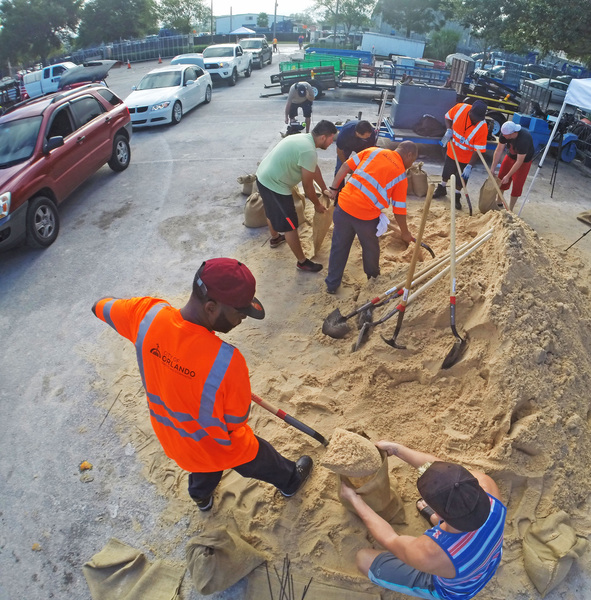
With the remnants of the once-powerful hurricane dumping rain as it dissipated over a broad swath of the Southeast, including Georgia, Alabama and South Carolina, an army of work crews was mobilized to try to restore electricity, which was cut for nearly three-quarters of Florida's homes and businesses, crippling commercial activity and hampering recovery efforts.
The electricity cutoffs affected 15 million people, Christopher Krebs, an assistant secretary in the Department of Homeland Security, said at a briefing in Washington on Tuesday _ a figure extrapolated from utilities' reports that nearly 6 million customers had lost power, with each account representing more than one person.
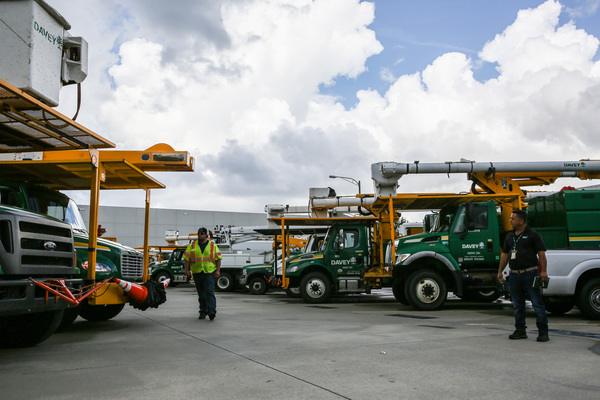
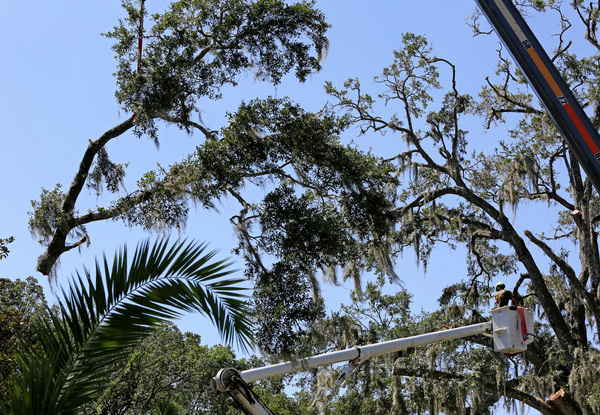
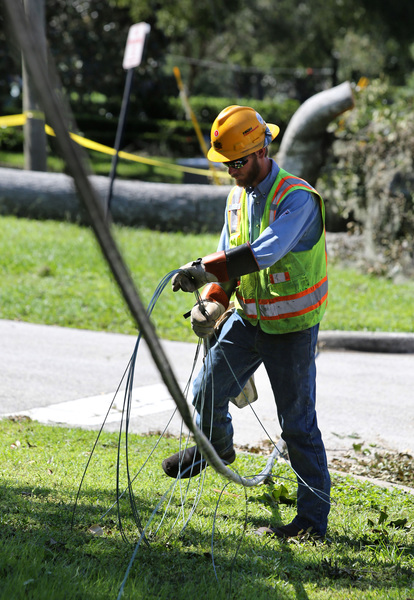
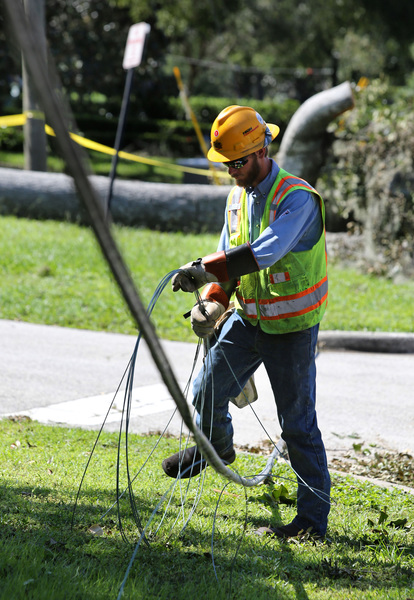
Other estimates were lower, in the neighborhood of 10 million affected, and the numbers were fluctuating as some repairs were carried out more quickly than others. Utility crews were working around the clock, officials said, including an additional 30,000 workers from out of state, the governor told reporters.
Some progress was being reported, though. Florida Power and Light said it hoped to have service restored to many of its customers on the Atlantic coast in the next five days, although damage was worse _ and will take longer to fix _ on the Gulf of Mexico side. In South Carolina, utility officials reported progress in halving the number of outages from a peak of about 250,000 customers.
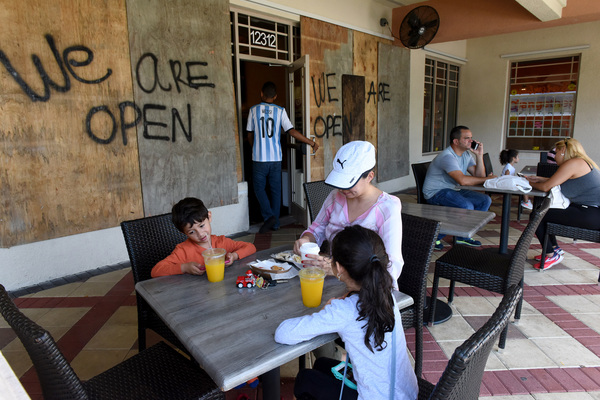
In other signs of nascent normality, curfews were being lifted in storm-stricken Florida cities and cruise-ship passengers were disembarking after voyages extended by the storm.

"We've got a lot of work to do, but everybody's going to come together and get this state rebuilt," Scott said.
The peninsula's major population centers on the Gulf and Atlantic coasts, including Miami in the east and Tampa-St. Petersburg in the west, suffered considerably less damage than feared as the storm's track veered away from them.
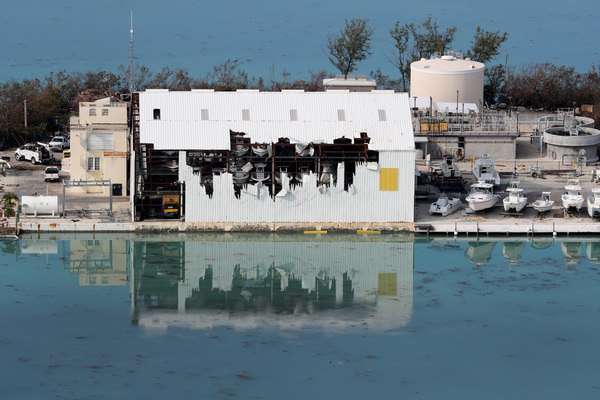
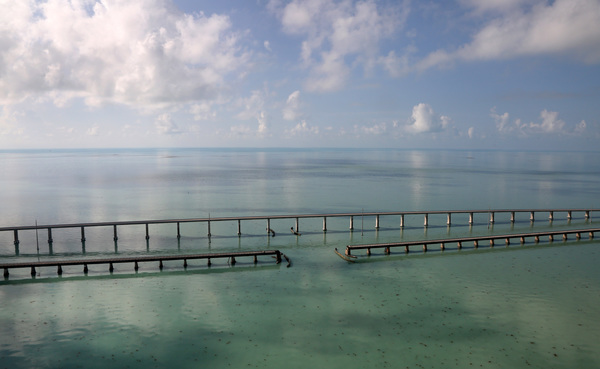
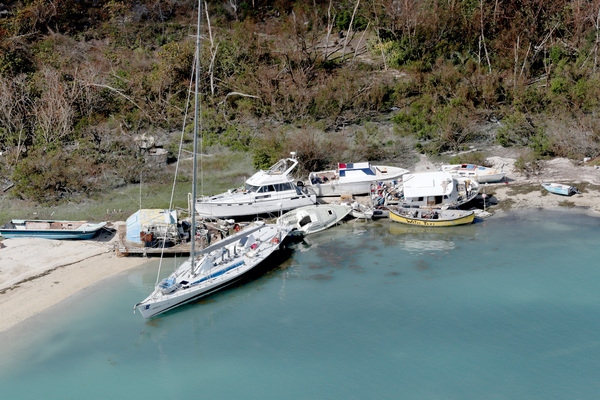
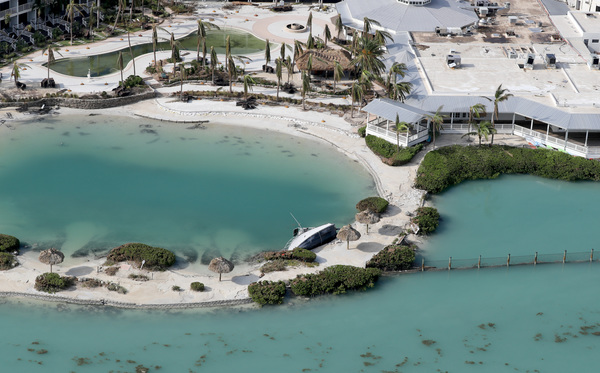
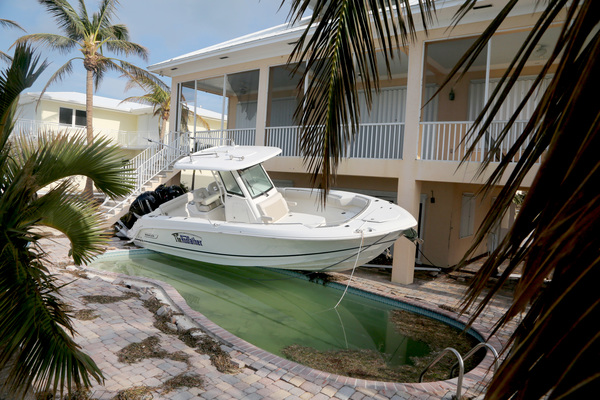
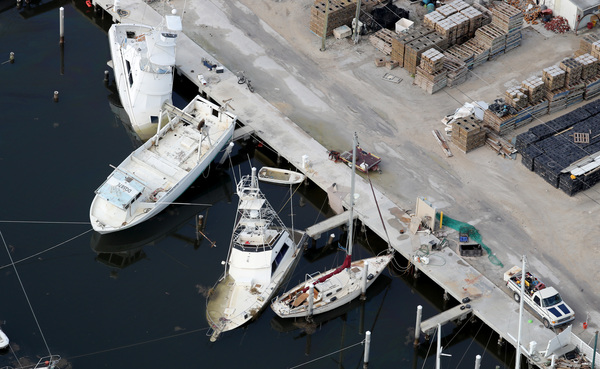
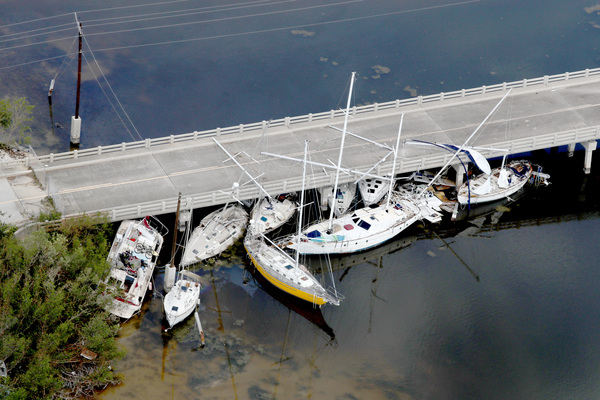
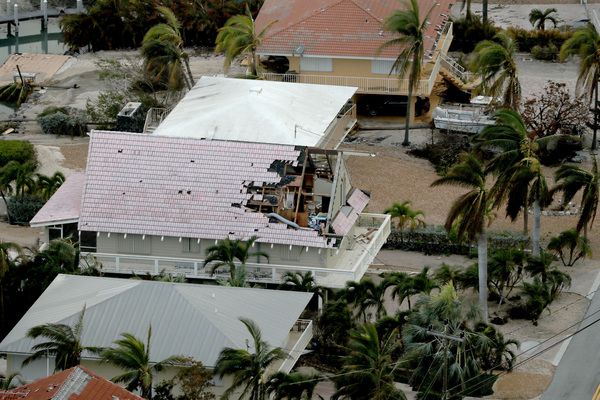
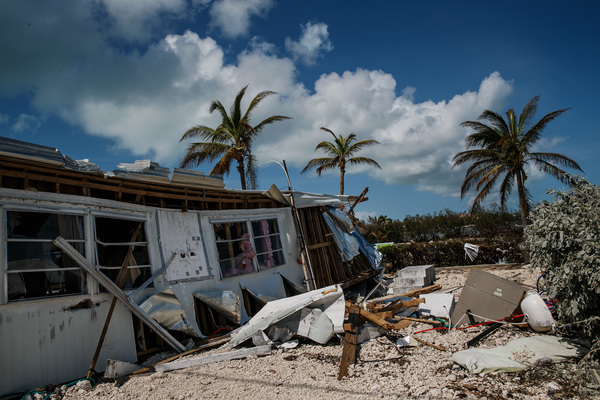
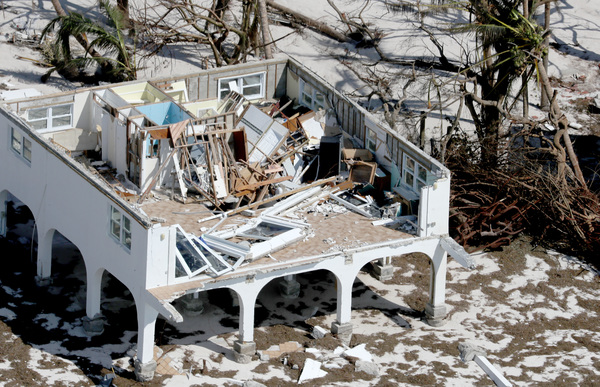
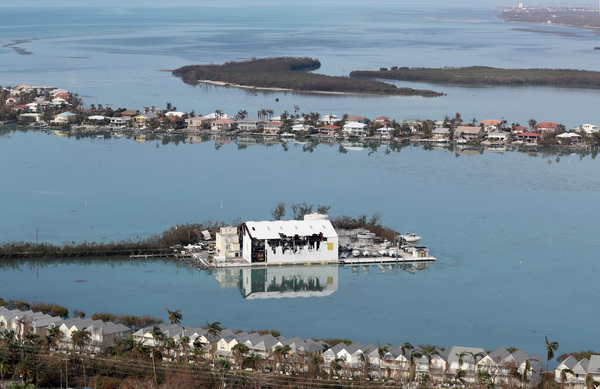
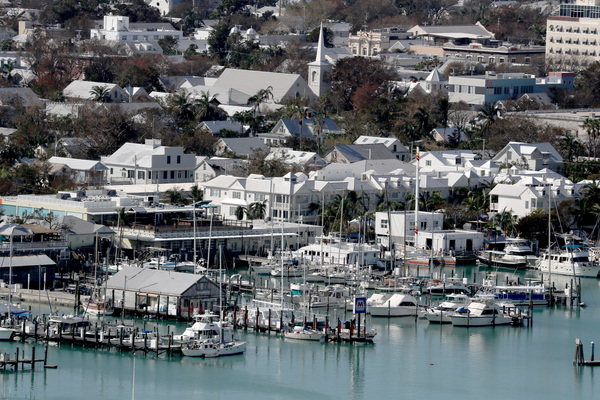
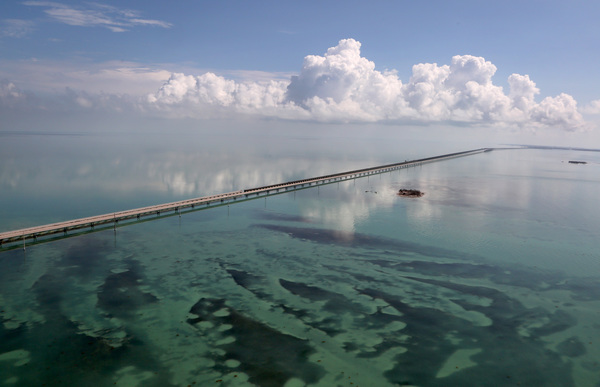
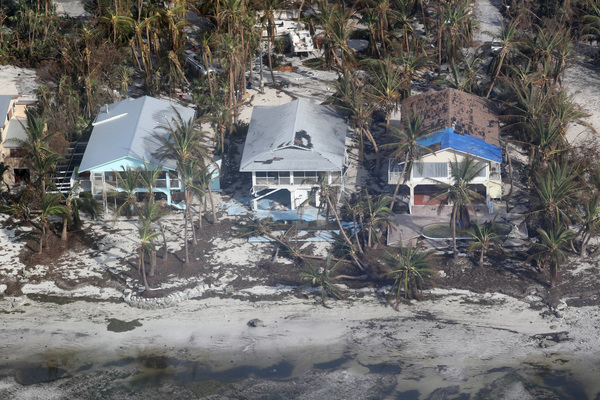
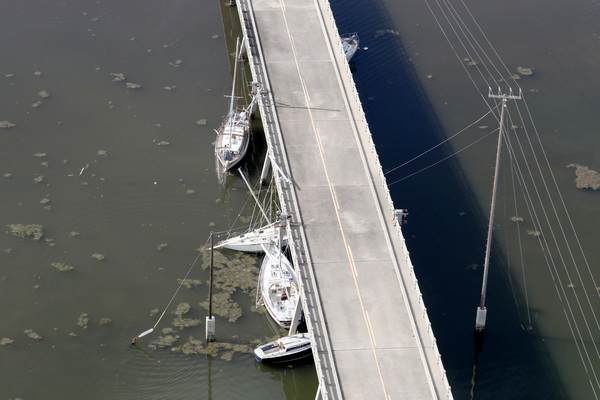
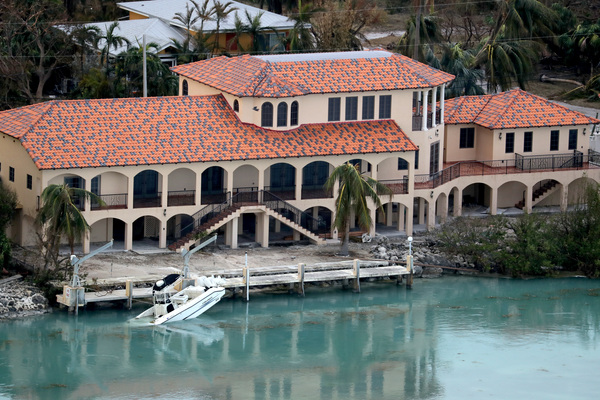
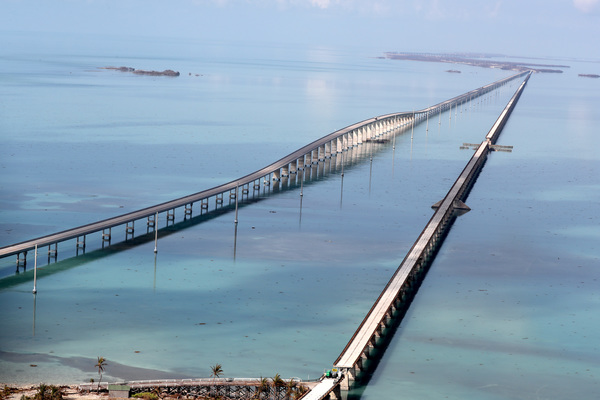
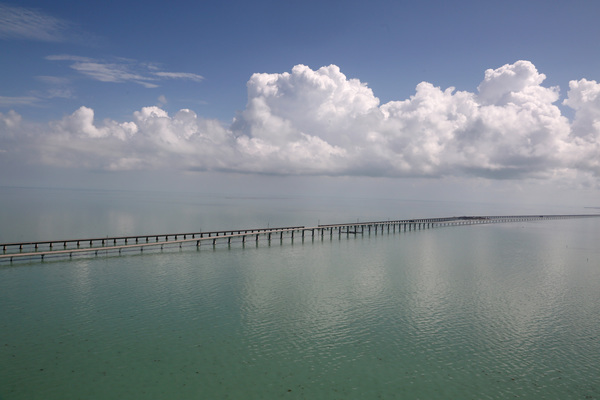
But parts of the Keys, a fragile archipelago linked to the mainland by a single roadway and 42 bridges, faced a longer road to recovery. Only in the less severely impacted upper Keys, closest to the mainland, were evacuees being allowed to return.
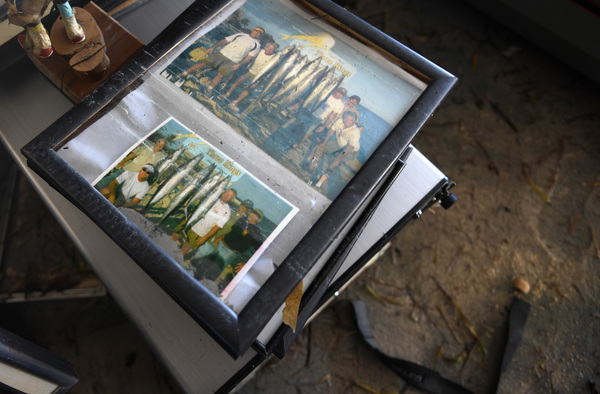
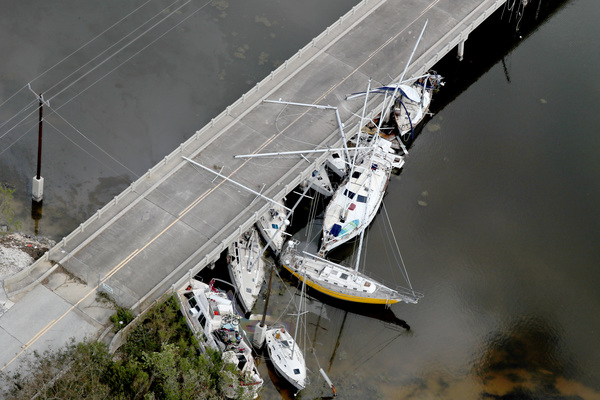
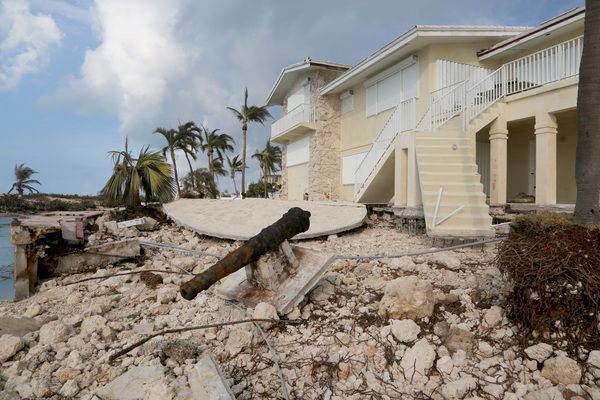
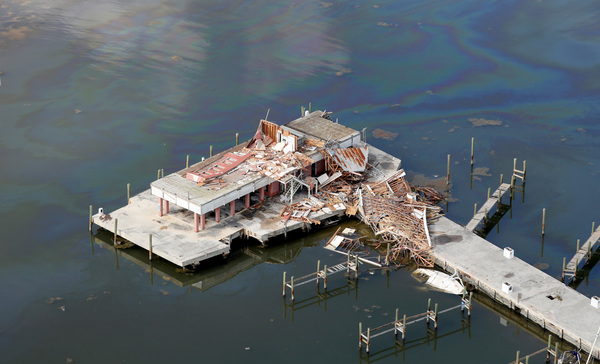
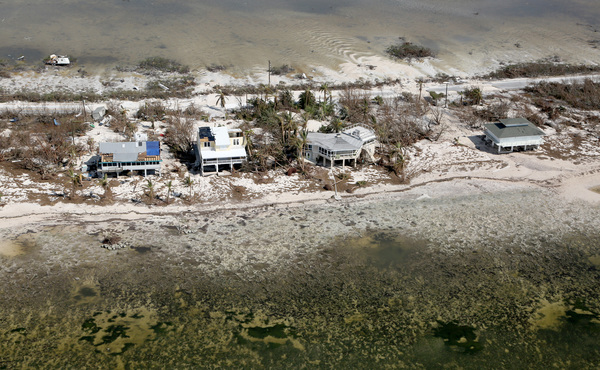
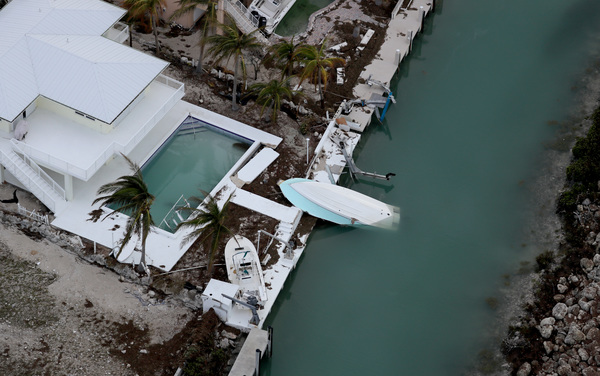
The head of the Federal Emergency Management Agency, William B. "Brock" Long, said Tuesday that by initial estimates, a quarter of the homes in the Keys were destroyed and an additional 60 percent damaged. In all, "basically every house in the Keys was impacted," he said.
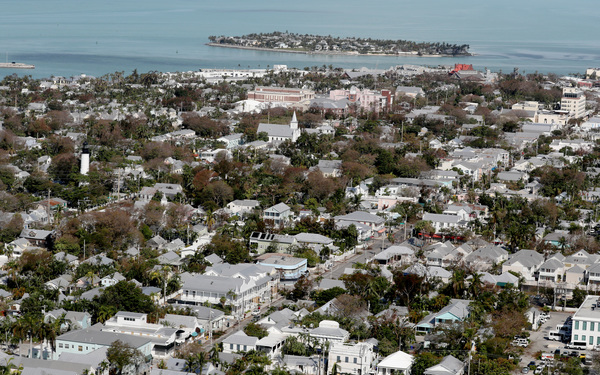
One of those who chose to ride out the hurricane in Key West was 90-year-old Shirley Ross Block. Speaking by phone, she recounted her fears during the storm that roofs might fly off _ including hers _ but they held, she said.
Block initially thought the evacuation order wasn't necessary, but changed her mind when confronted with the aftermath: power outage, rationed running water and dwindling propane for generators. If everyone had stayed, she said, "there would be all the more people in dire straits now."
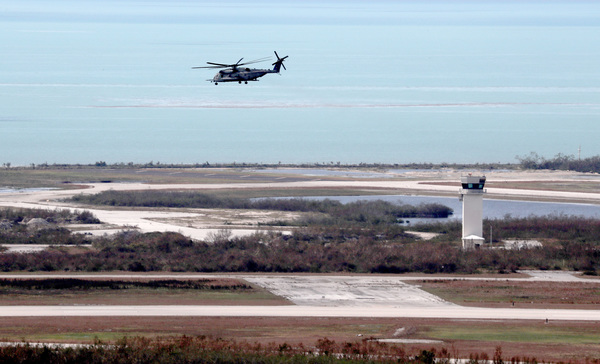
Much of the recovery work in the Keys so far has simply been fixing washed-out roads and preparing landing strips for emergency-response flights. Planes are able to land now at two airports in the island chain, in Key West and Marathon, said officials in Monroe County, which encompasses the Keys.
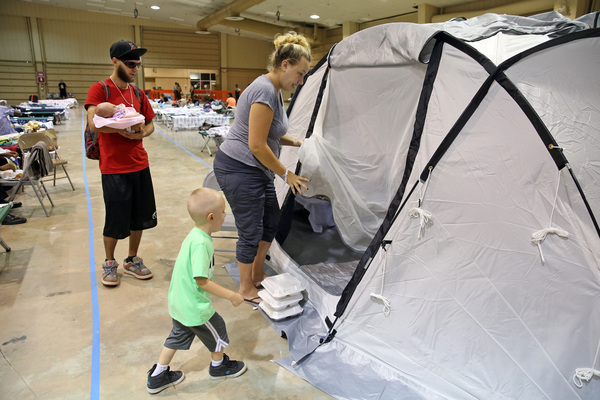
All three of the archipelago's hospitals were shuttered, but officials hoped to reopen at least one, in Tavernier, soon, and food-distribution points and shelters were being set up at locales including Key West and Cudjoe Key, where the hurricane made landfall on Sunday.
The aircraft carrier Lincoln was dispatched to waters close to Key West to aid in the rescue effort in the islands.

Four hundred miles to the north in Jacksonville, the stench of wastewater hung in the air, and city officials were busy cleaning up debris left by the receded floodwaters. In the Talleyrand neighborhood, Eugene Hawkins' home stayed dry, but neighbors on lower ground were hit by flooding.
Hawkins, 40, lives close to a power plant, and as a result, rarely loses electricity in storms, he said. This time, though, the neighborhood suffered a 12-hour outage, and the road near his house was partially closed by a sparking transformer _ a microcosm of the power woes statewide.
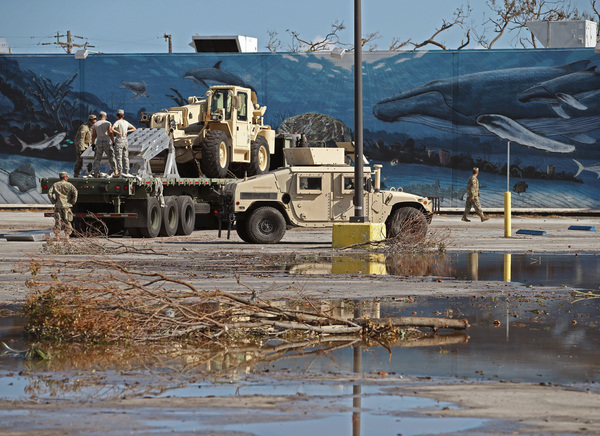
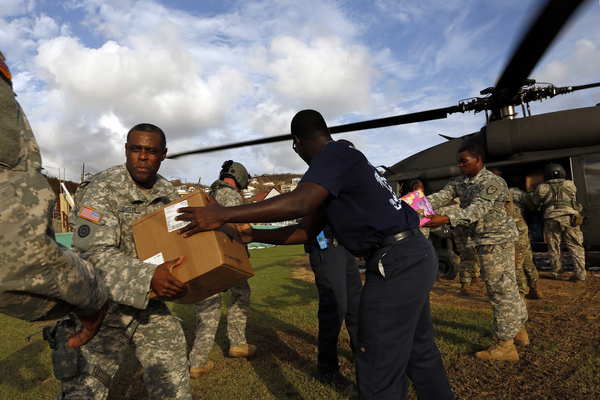
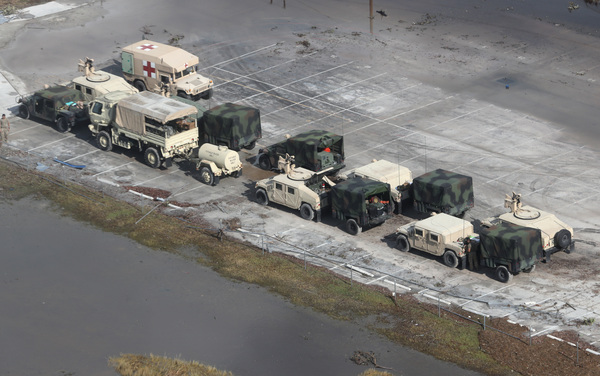
Maj. Gen. Michael Calhoun, Florida's adjutant general, said there were 8,000 members of the Florida National Guard on the ground and 16 aircraft in the air, pushing ahead with search and rescue where needed and recovery elsewhere.
After Irma came to life last week as one of the most powerful Atlantic hurricanes recorded, the storm's worst fury was reserved for a string of Caribbean islands, many of them territories of France, Britain and the Netherlands.
French President Emmanuel Macron and Dutch King Willem-Alexander were in the devastated area Tuesday, with British Foreign Secretary Boris Johnson expected as well _ all of them offering support but fending off angry accusations of a less-than-robust initial response to the disaster.