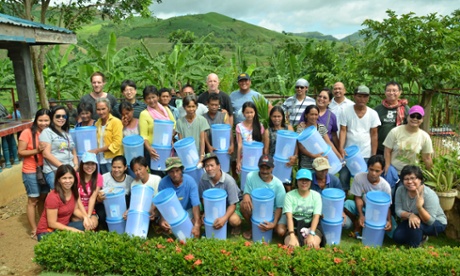
Basic Water Needs, a Dutch manufacturer and marketer of household water treatment and safe storage products, has joined the Business Call to Action (BCtA) with a commitment to distribute its low-cost Tulip Table Top water filters to more than 540,000 Malawians by 2018. The company is establishing a new assembly plant in Blantyre, Malawi’s second largest city, which will provide full-time employment to 10 women, and plans to train more than 100 women entrepreneurs to sell Basic Water Needs products through their own shops and local networks. Basic Water Needs projects that the initiative will reduce CO2 emissions by more than 150,000 tons.
Working with Safi Water Treatment Solutions and ARKAY Plastics Industry Ltd., Basic Water Needs’ inclusive business model involves local development and production of Tulip Table Top water filters to meet customer-specific needs and reduce distribution costs. The company aims to market its products through direct sales to reach customers at the base and middle of the economic pyramid - the retail network of ARKAY reaching more than 300 shops in Malawi - and partnerships with NGOs that will also raise awareness of proper hygiene and product use.
“At Basic Water Needs, we take our social responsibility very seriously and strive to make our whole supply chain sustainable, respecting both human rights and our environmental impact,” stated Jens Groot, the company’s chief executive officer. “We are honoured to join the Business Call to Action and look forward to working with both BCtA and our fellow members to strengthen the impact of our work.”
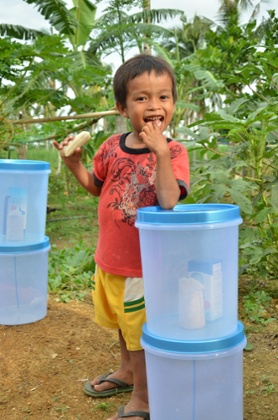
Situating the assembly plant in Malawi is part of BWN’s broader strategy to make low-cost water filters available for all income groups. They’re helping to increase market share within the country and this strategic location means regional distribution is strengthened. Currently, the company’s manufacturing takes place in India, making transport costs high for the comparatively low-cost Tulip Table Top filter. Local manufacture will enable the company to transport its goods to the 19 other countries of the Common Market of eastern and southern Africa, of which Malawi is a member. In addition to scaling up regionally, Basic Water Needs is starting a similar initiative in Ethiopia. And there are plans to replicate the initiative in other countries, including Indonesia and the Philippines, by 2018.
The incidence of water-related diseases in Malawi is high. According to UNICEF, diarrhea is the fifth leading cause of death among children under five . Yet the lack of infrastructure investment in the country is leading to a decline in access to drinking water. In addition, approximately 67% of Malawi’s population does not adequately treat water to ensure it is safe to drink. To address these challenges, Basic Water Needs is partnering with local NGOs on a social marketing and awareness campaign to encourage good hygiene practices while supporting the company’s product distribution.
“Every year, 2 million people from low-income families – mostly children – die from preventable waterborne illnesses, so there is a great need for safe, reliable drinking water in both rural and urban communities,” said Suba Sivakumaran, BCtA programme manager. “Inclusive businesses like Basic Water Needs exemplify the ability to meet a critical development need with a viable business model that also builds markets and drives innovation.”
For more information:
Business Call to Action: Jeanne Finestone, jeanne.finestone@undp.org
Basic Water Needs: Maria Besteman, mariabesteman@basicwaterneeds.com
Content on this page is paid for and provided by Business Call to Action, sponsor of the role of business in development hub