It's been 54 days since we last had sports in this country — and 187 days since we last had baseball.
Why it matters: That's a long time to go without our national pastime. In fact, unless baseball returns before July 15, we are living through the longest MLB outage in history (current record: 257 days during the 1994-95 strike).
The big picture: While MLB's impending return drives the news, there is an entire world of baseball beyond the big leagues that has also been impacted by the coronavirus pandemic.
- From the minor leagues to college, all the way down to high school and little league, baseball — and softball — are not being played anywhere right now.
The impact: There are more important things than baseball right now. We all understand that. But that doesn't mean baseball isn't important. Of course it is.
- Think of the millions of children who play youth baseball and softball, and the memories they may not get the chance to make this summer. Think of their parents, the coaches, the volunteer umpires, the ice cream truck. Things may never be the same.
- Think of the hundreds of thousands of high school baseball and softball players who saw their seasons — and, for some of them, their athletic careers — disappear into thin air. Glory days, interrupted.
- Think of the tens of thousands of college players who trained all year only to see their campuses shutter in a matter of days. "The worst part is the lack of closure. I just wish I'd known that was our last game together, ya know? It feels incomplete. That was my family," one Big Ten player told me.
- Think of the thousands of minor league players who are being paid $400 per week while the season is on hiatus and their futures sit in limbo.
The bottom line: Baseball's rich history binds together generations, and the role it plays in childhood and in cinema makes it the most nostalgic of all sports.
- Without it, many are lost, with no games to watch or listen to as background noise, and no Opening Day or annual double-header to mark the passage of time between spring and summer.
2. The Cape Cod League
Every summer, the nation's top college stars arrive in Massachusetts to play in the Cape Cod League — a magical circuit that epitomizes America's love affair with baseball and is like something out of a Norman Rockwell painting. Sadly, they had to cancel the 2020 season.
- The history: The CCBL was founded in 1885 but was limited to Cape Cod residents until 1963 when it was officially sanctioned by the NCAA and began recruiting college players.
- The prestige: Over a thousand MLB players have spent at least one summer on the Cape, including Hall of Famers Carlton Fisk, Frank Thomas, Craig Biggio and Jeff Bagwell.
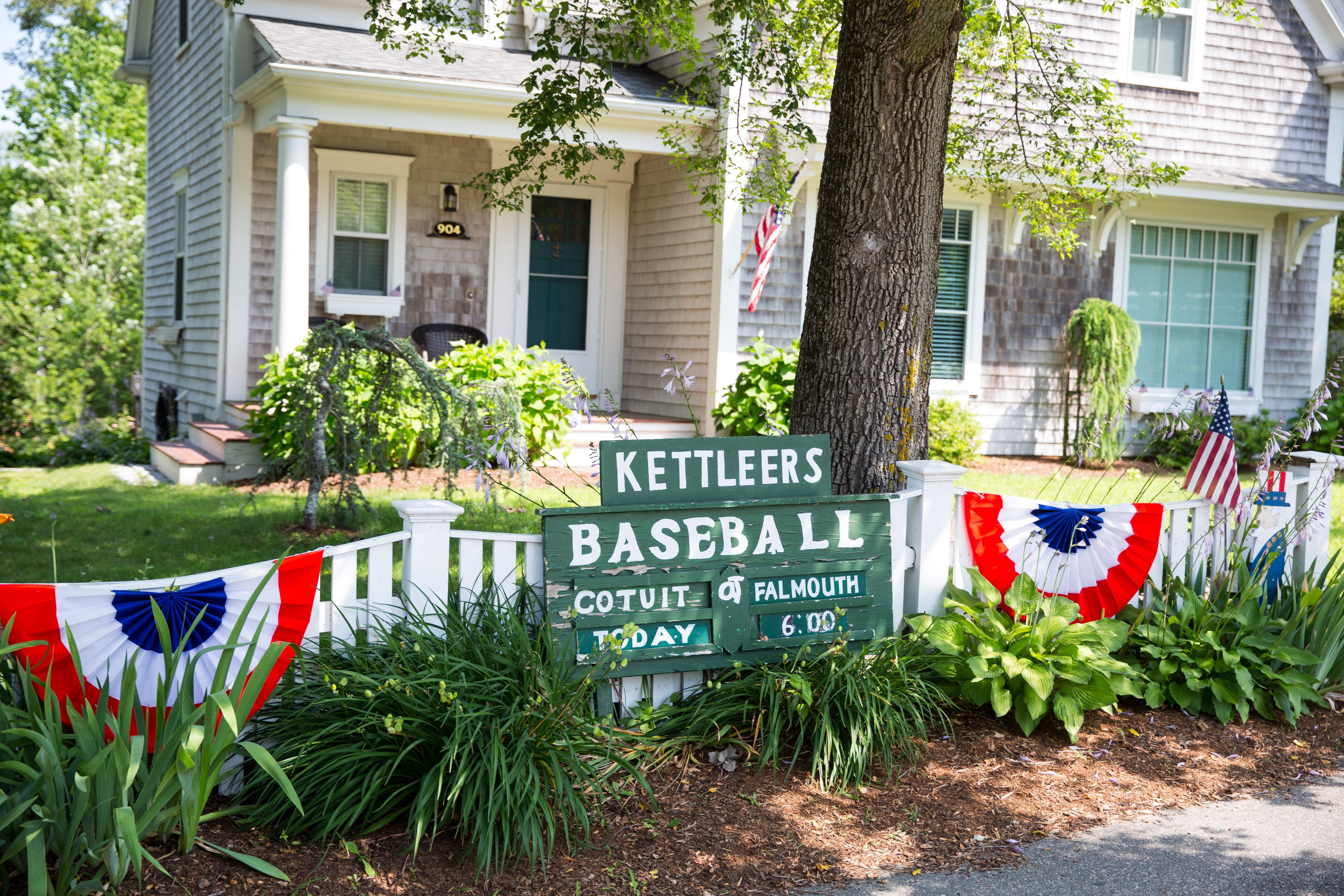
The teams: There are 10 teams representing 10 small towns, all within an hour drive of each other. Vacationers and residents often have strong allegiances toward their home team, hanging signs in their front yards and talking baseball over breakfast.
- East Division: Brewster Whitecaps, Chatham Anglers, Harwich Mariners, Orleans Firebirds, Yarmouth-Dennis Red Sox
- West Division: Bourne Braves, Cotuit Kettleers, Falmouth Commodores, Hyannis Harbor Hawks, Wareham Gatemen
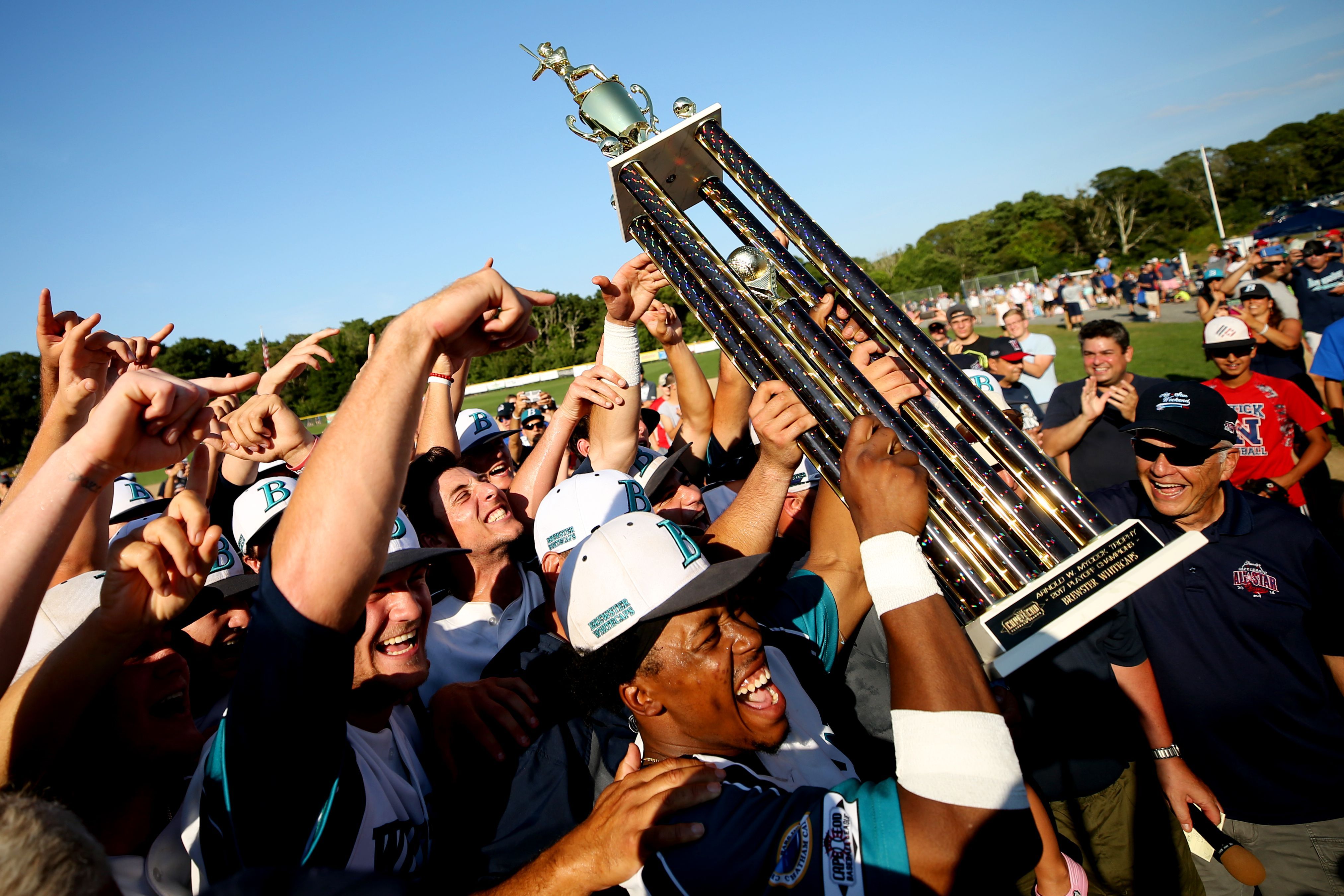
The players: The CCBL is the first time most college players get the chance to hit with a wooden bat against consistently strong pitching. They play almost every day during a 44-game regular-season schedule, all while living with host families and working on the side (i.e. bagging groceries).
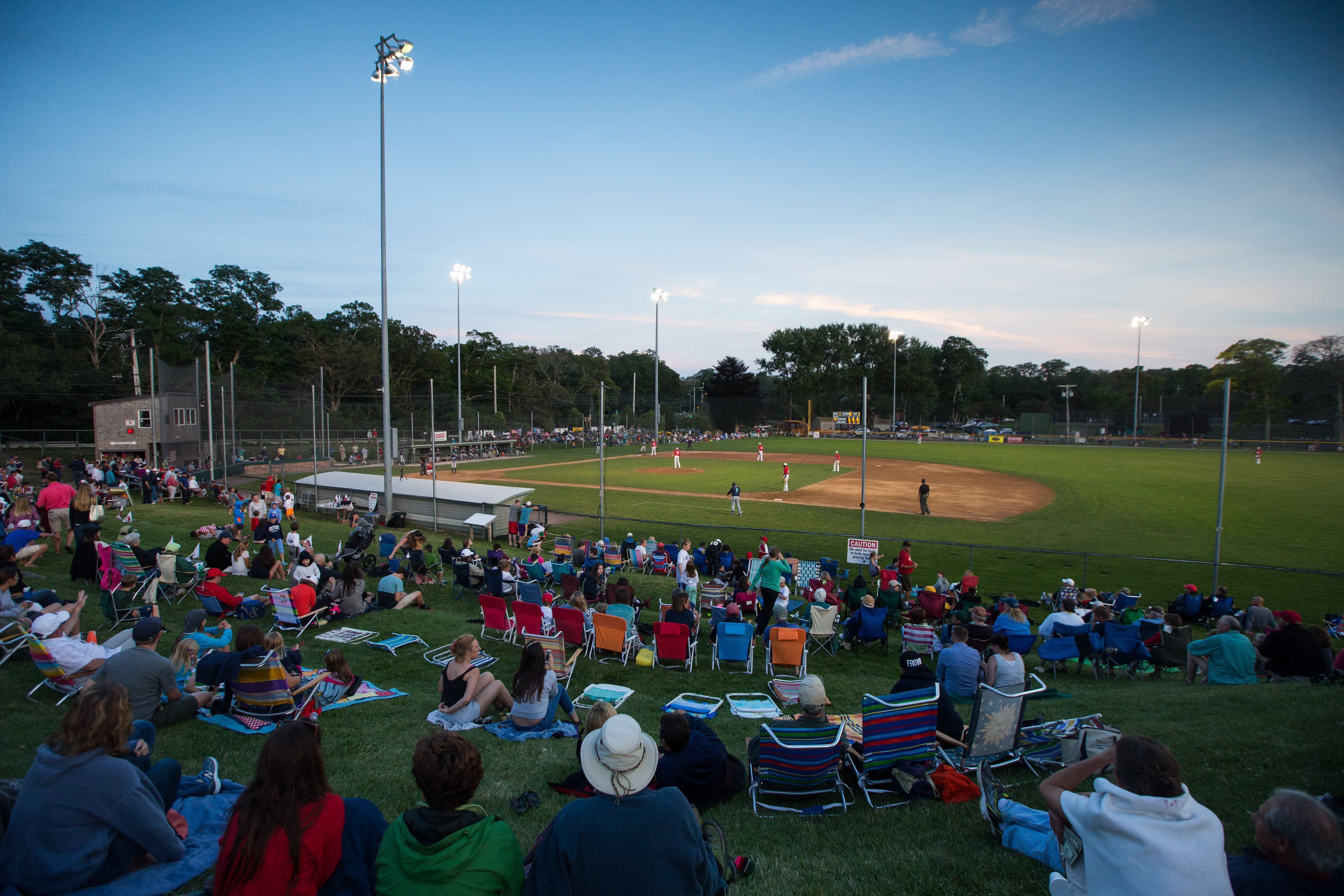
The ballparks: Every team's home field differs in a variety of ways, adding to the charm. The Chatham Anglers, for instance, have a gorgeous stadium that seats 8,000 people, while the Orleans Firebirds play at a middle school.
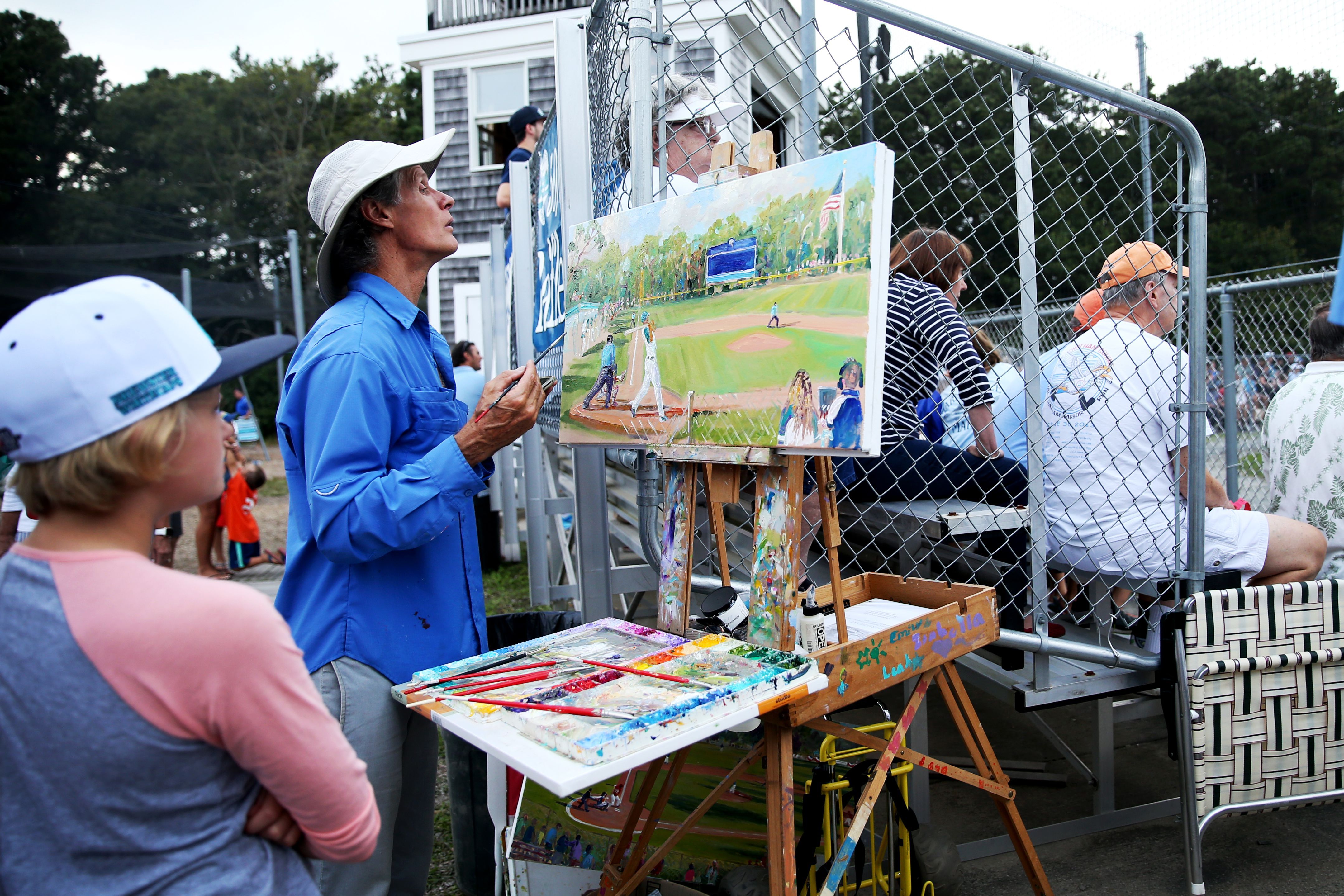
The setting: Families sharing a blanket on the brim of a grassy knoll. Kids playing catch on the sidelines, eating hot dogs and letting popsicles stain their shirts. The crack of wooden bats as the sun sets beyond centerfield. Old school Americana.
3. The village of Cooperstown
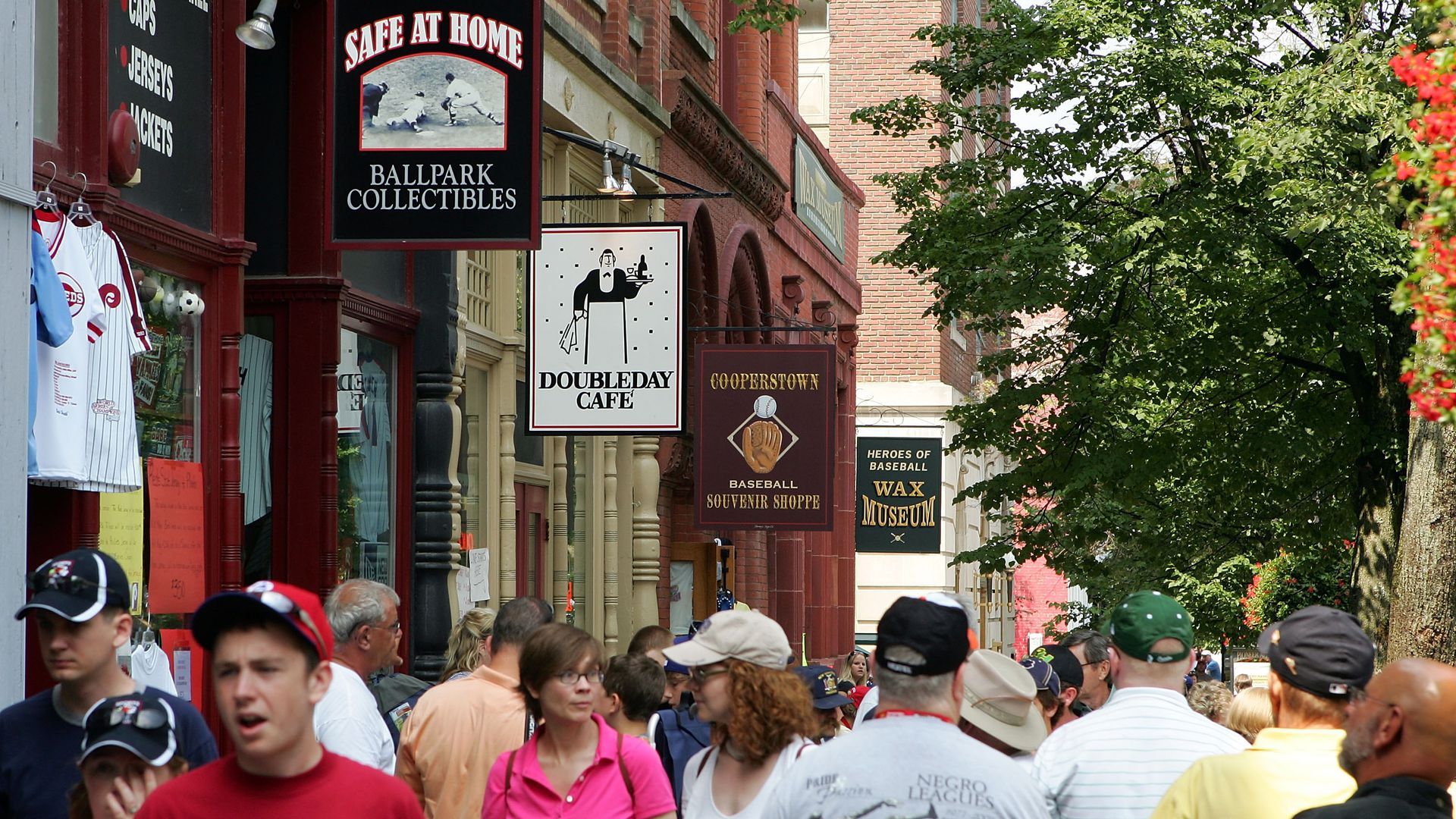
The National Baseball Hall of Fame was opened in Cooperstown, New York in 1939, with an inaugural class of Babe Ruth, Ty Cobb, Honus Wagner, Christy Mathewson and Walter Johnson that will never be topped.
- Since then, the village of 1,762 people has hosted hundreds of thousands of baseball-loving tourists every year, highlighted by the annual Hall of Fame induction ceremony in late July.
- Sadly, this year's ceremony has been canceled due to the coronavirus, meaning Derek Jeter, Larry Walker and the rest of this year's class will have to wait another year for their big day.
Meanwhile, down the road: Cooperstown Dreams Park, an 80-acre complex with 23 youth fields that hosts nearly 17,000 players every summer, is just one of the many businesses in the area hurt by COVID-related cancellations.
- Decades ago, when the park's founder Lou Presutti visited the Hall of Fame with his family, his father told him that "every kid in America should have the chance to play baseball at Cooperstown." He took those words to heart, and in 1996 his own personal field of dreams was opened for business.
- Alumni of the park's summer league include Mike Trout, Bryce Harper and countless other major leaguers, each of whom paid $850 for their week of Cooperstown baseball (so you can imagine how much this summer's cancellation is costing the park).
4. Past stoppages/near-stoppages
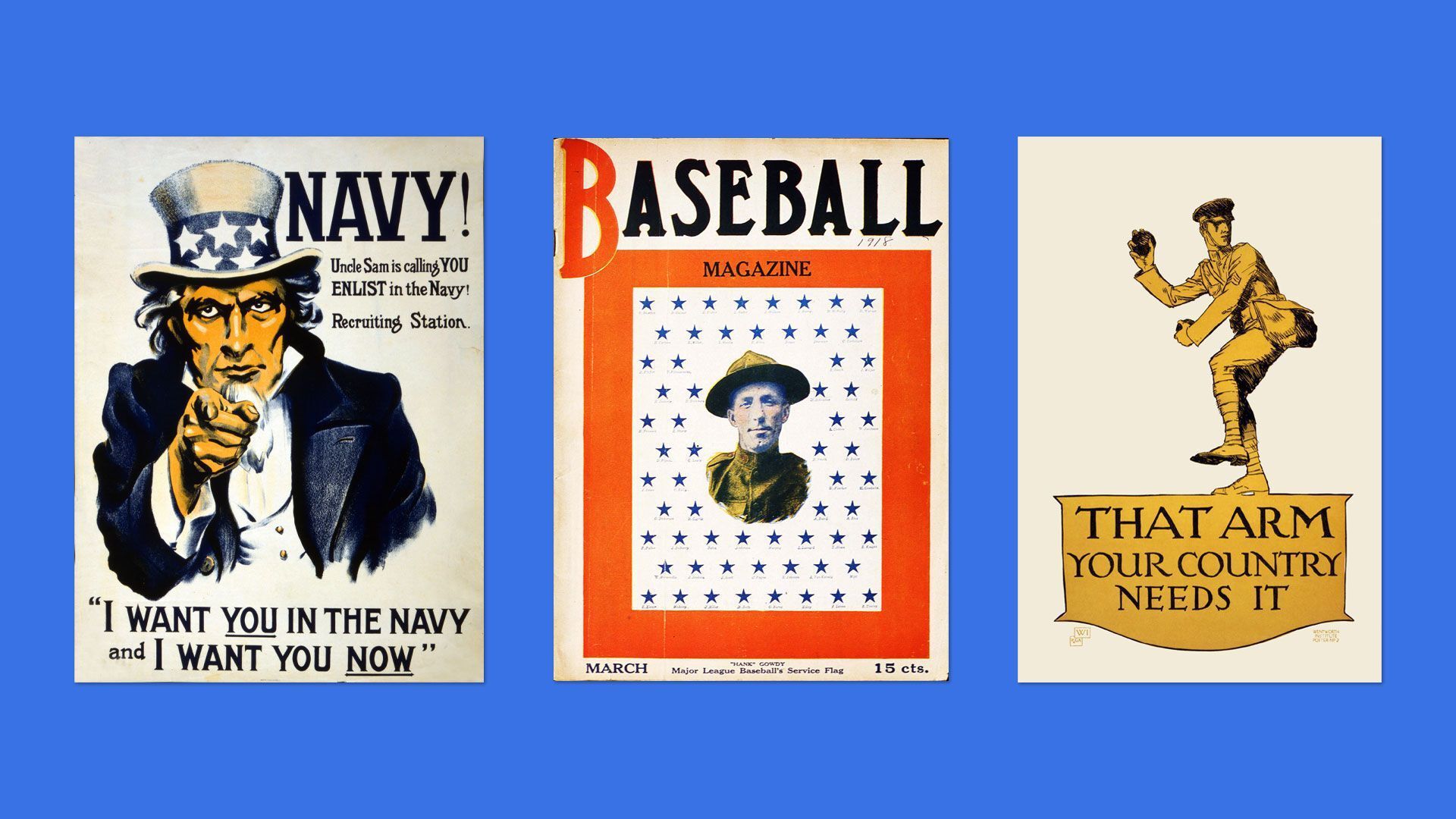
WWI: The Great War was deep into its fourth year when the 1918 season began — and a deadly virus was lurking just out of sight. The "Work or Fight" order stipulated that all draft-eligible men in non-essential jobs either begin working for the war effort or prepare to be drafted, but MLB was granted a reprieve to play until Labor Day, resulting in a shortened, but saved, season.
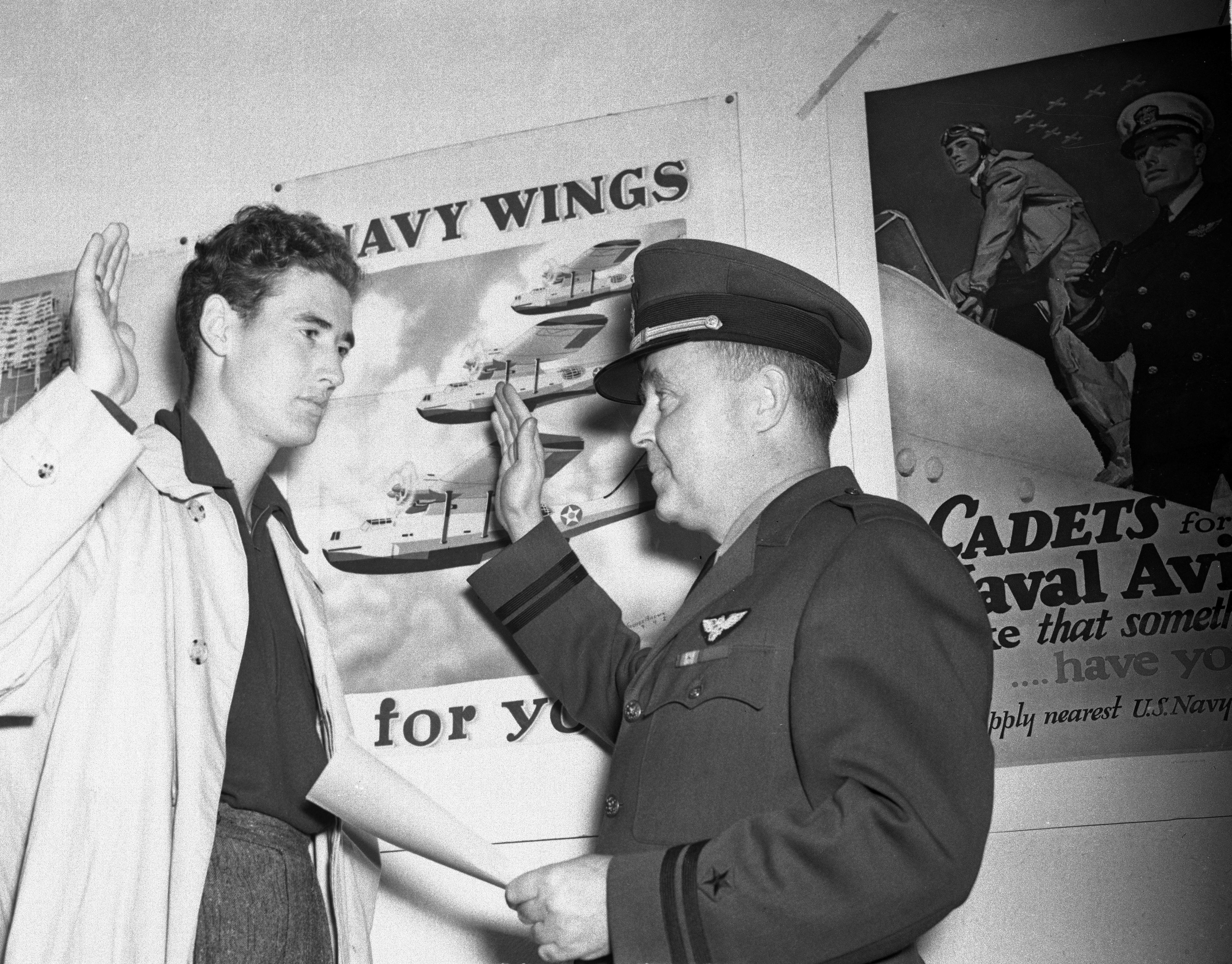
WWII: When the U.S. entered the fray in late 1941, MLB commissioner Kenesaw Mountain Landis sought President Roosevelt's counsel. FDR's famous response to Landis, now known as the Green Light Letter, urged him to push the season forward as planned: "I honestly feel that it would be best for the country to keep baseball going."
- Pictured above: Fresh off his fourth season, including two straight top-two MVP finishes, 23-year-old Ted Williams entered active duty as a Marine pilot before the 1943 season, missing three full seasons serving his country.
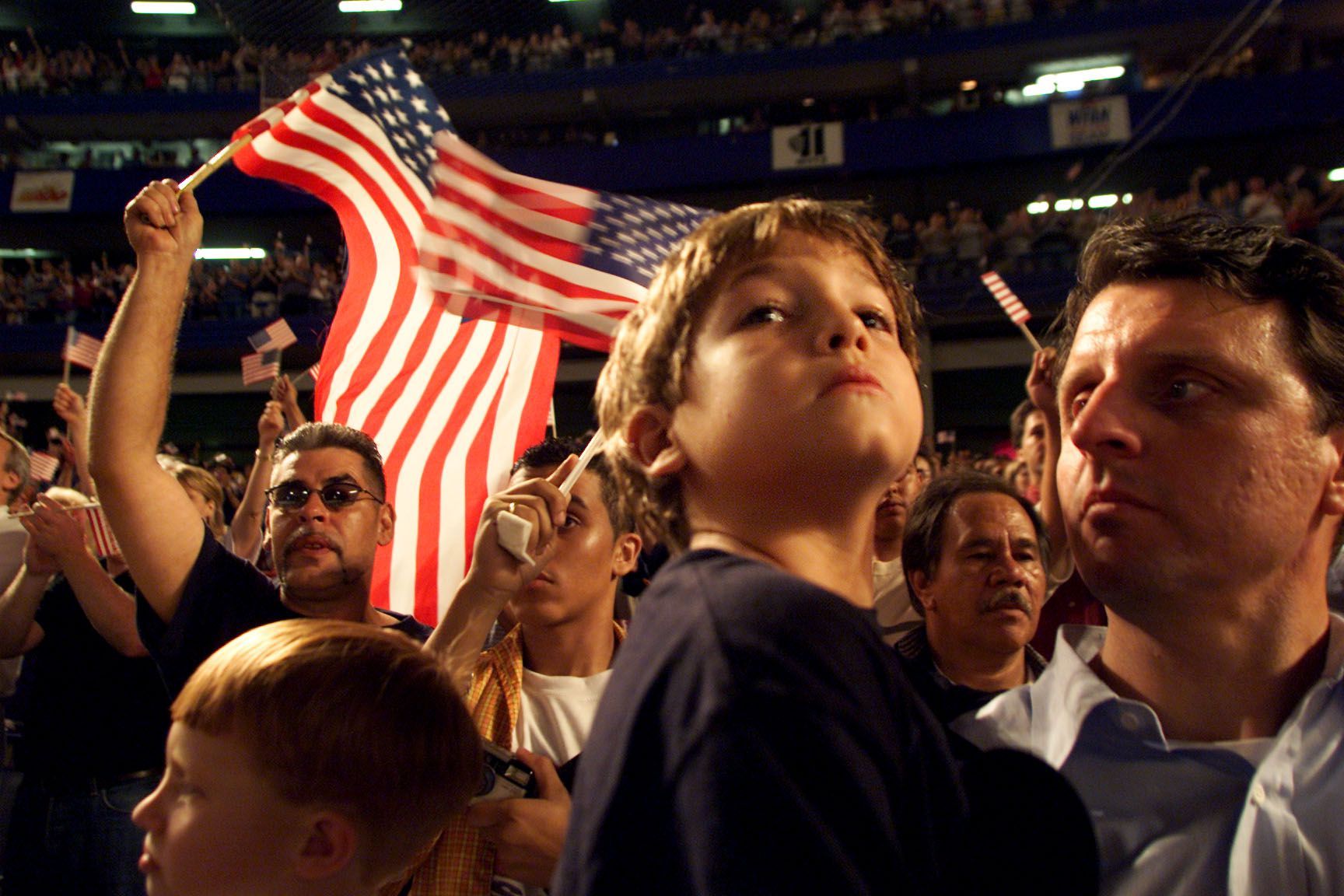
Sept. 11, 2001: After the 9/11 attacks, commissioner Bud Selig immediately postponed all games that Tuesday evening, and ultimately postponed everything through the end of the week. Play resumed on Monday, but it was Friday the 21st that everyone remembers.
- Highlight: The Mets hosted the Braves in New York's first game back, and Mike Piazza lifted his team, and his city, with an iconic game-winning HR in the 8th. Chills.
And here we are now ... Maybe baseball will be back this summer, maybe not. But it will return — it always has.
5. Baseball haiku
Reader Stephen S. Power (Maplewood, N.J.) writes:
Here's one:
only the Yankees
could make the subway
smell like spring
6. Breaking the curse
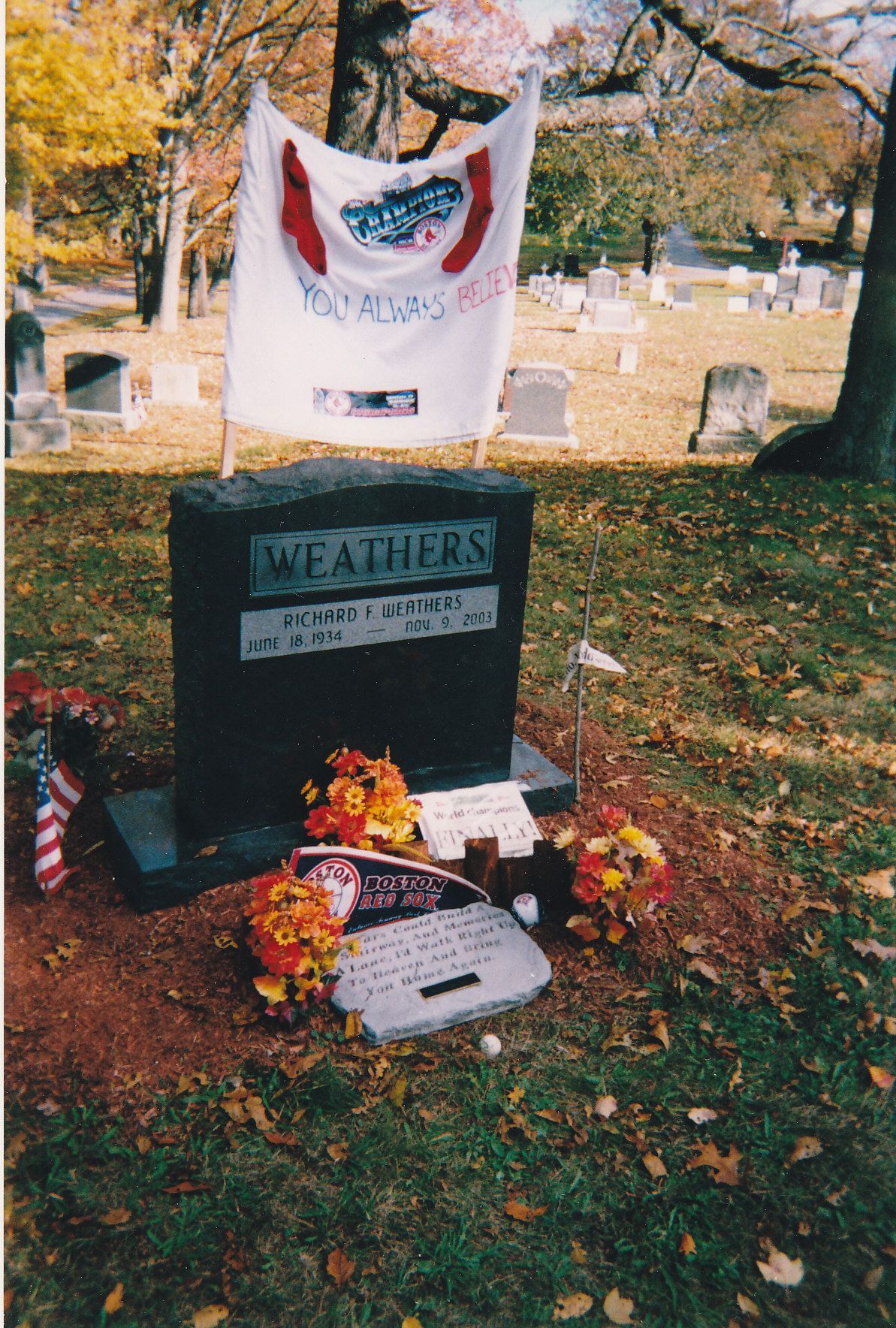
Boston native Paul Smith recalls the night the Red Sox broke the Curse of the Bambino, and the moment he shared with his father, a lifelong fan who had passed away three years earlier. From HBO's "Sports in America" documentary:
7. Seven movie scenes
Whether through tear-jerking sentiment, humor or the full range of emotions that fill the space between, baseball movies tend to over-index on moments that just make you smile. Here are seven of our favorites:
- Field of Dreams: "Hey, dad ... you wanna have a catch?"
- Major League: "Strike this motherf--ker out"
- A League of Their Own: Dottie drops the ball
- Bull Durham: "Throw it at the bull"
- Moneyball: "How can you not be romantic about baseball?"
- The Sandlot: The July 4th game
- The Natural: Roy's final homer
8. The World Series cancellation circuit
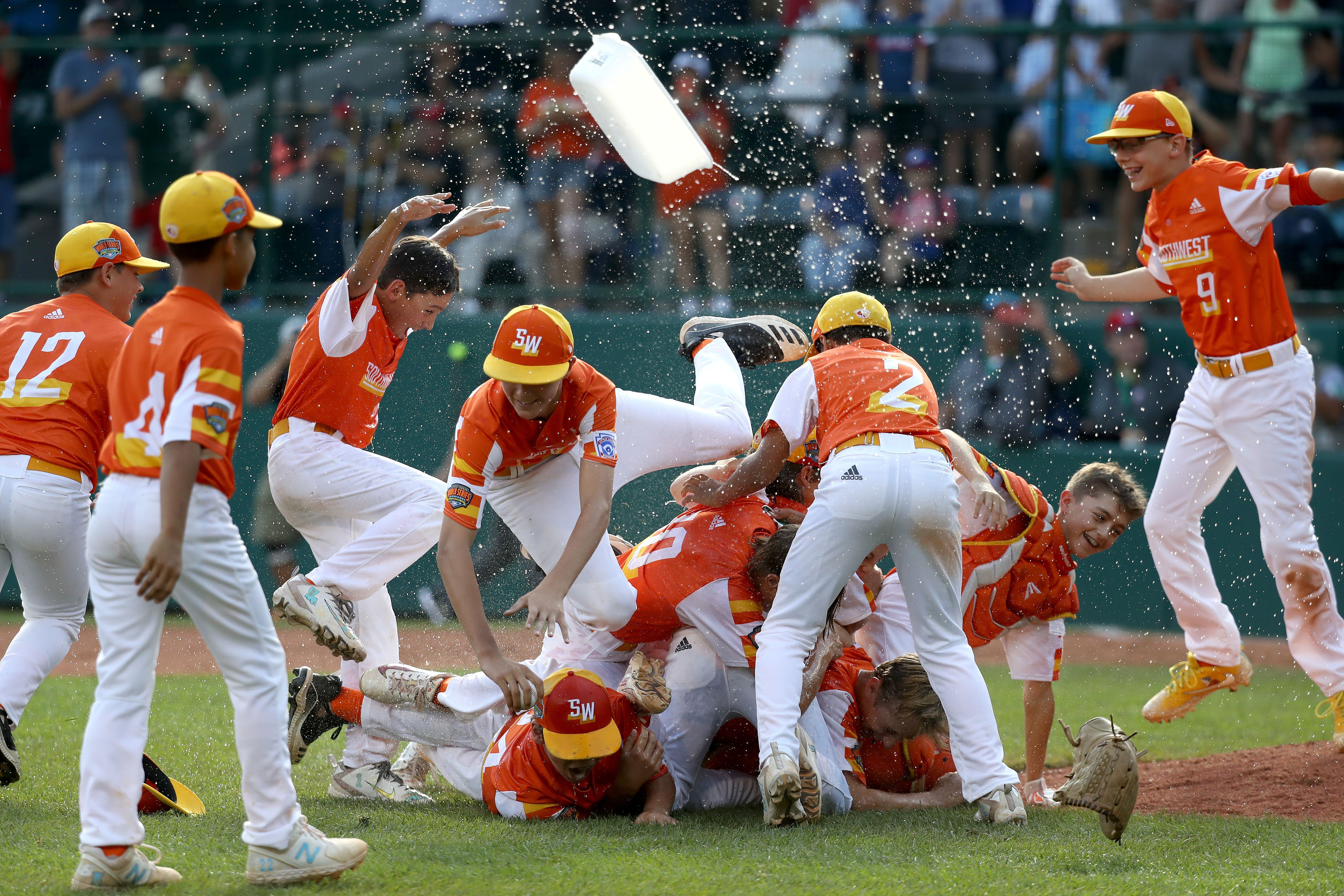
SOUTH WILLIAMSPORT, Pa. — Every August since 1947, this tiny town (population ~6,500) has hosted the Little League World Series. That streak ends this summer.
- Sidenote: Is there anything more visceral and organic than the celebratory dogpile? Above, little leaguers tackle each other in joy, and below, college athletes do the same. What a feeling.
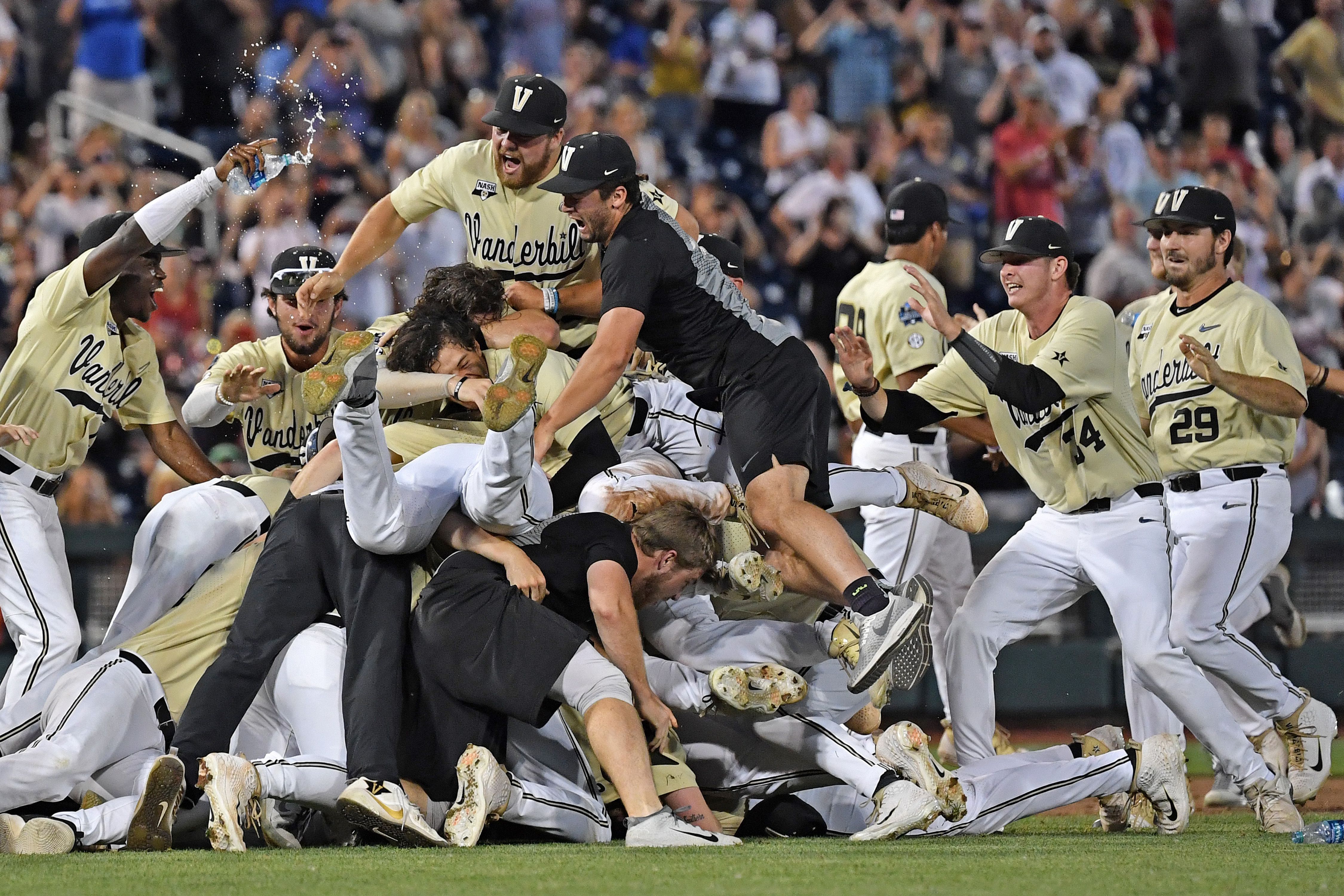
OMAHA, Neb. — The College World Series also began in 1947, though it didn't find its way to Omaha until 1950. (Fun fact: Yale was the runner-up in both 1947 and 1948, led by infielder and team captain George H. W. Bush.)
- Winningest team: USC (12 titles) has twice as many championships as any other school, though they've won just once since 1978, and none this century.
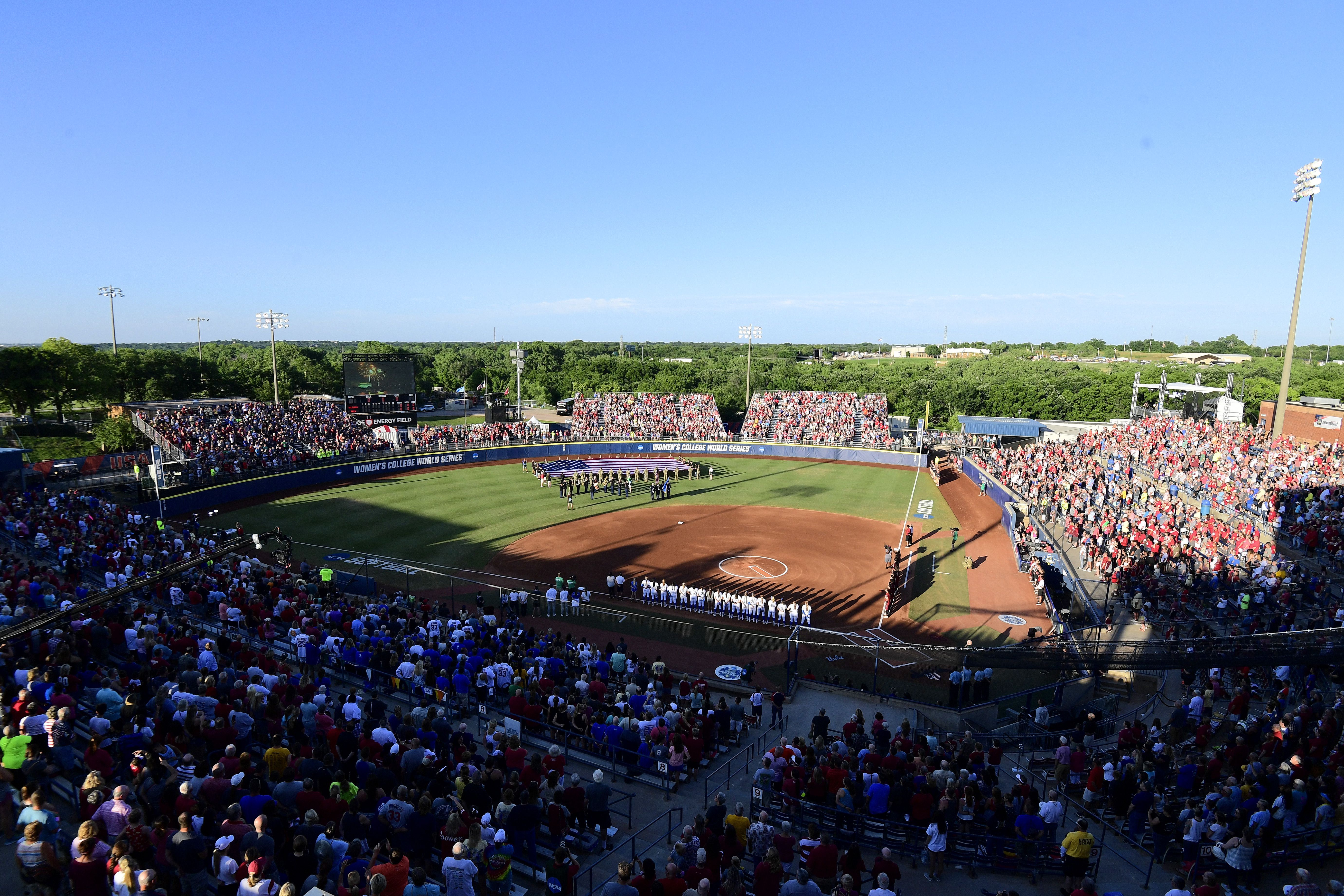
OKLAHOMA CITY — From 1969 to 1989, the host city for the Women's College World Series moved all over the country. But since 1990 (save 1996, when Columbus, Georgia hosted to prove it could host Olympic softball), it has been at Oklahoma City's ASA Hall of Fame Stadium.
- Winningest team: UCLA has won 13* titles, including last year's walk-off victory. (*Technically 12, with its 1995 title vacated due to a scholarship infraction.)