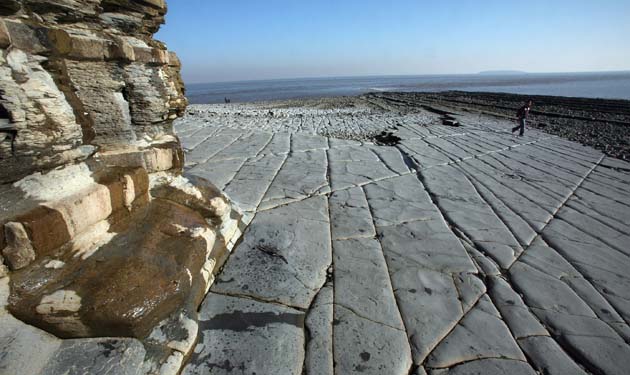
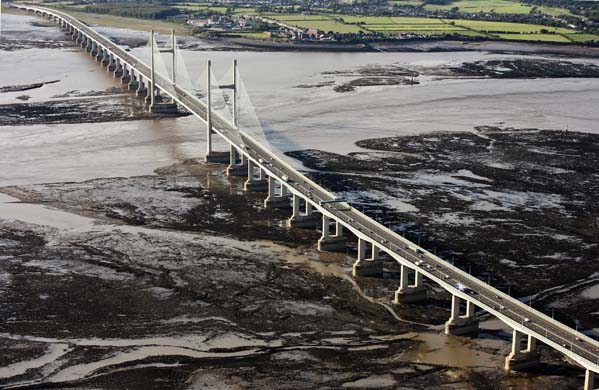
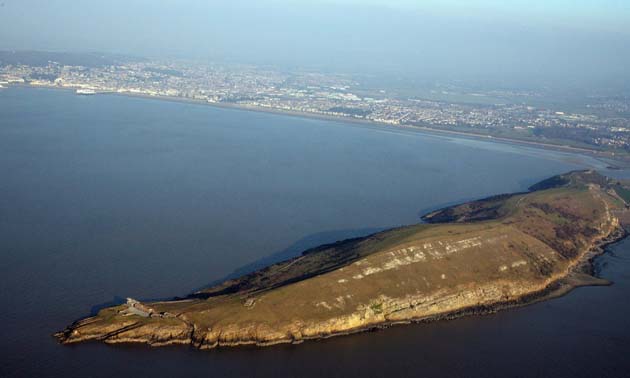
Lavernock Point near Cardiff, Wales. The beach and nearby headland has been earmarked as the Welsh side of one of the proposed Severn barrage plans which would cross the estuary to Weston-super-MarePhotograph: Matt Cardy/GettyAn aerial view of the Severn bridge. The 10-mile long tidal barrage with 200 turbines could create as much energy as three nuclear power stations Photograph: David Goddard/GettyBut a coalition of 10 conservation groups including the RSPB and the National Trust says the barrage would destroy nearly 86,486 acres (35,000 ha) of highly protected wetlands across the estuaryPhotograph: Matt Cardy/Getty
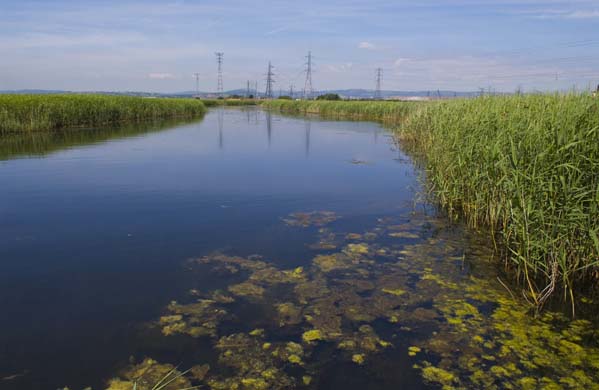
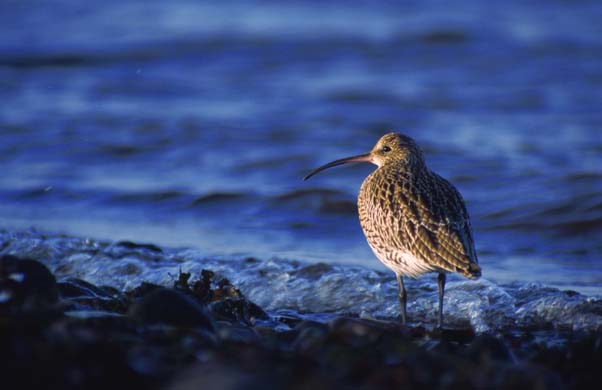
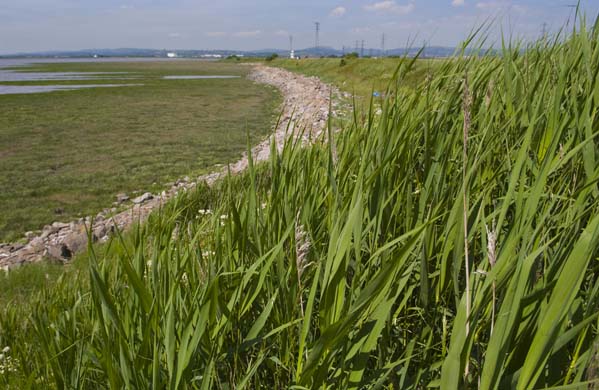
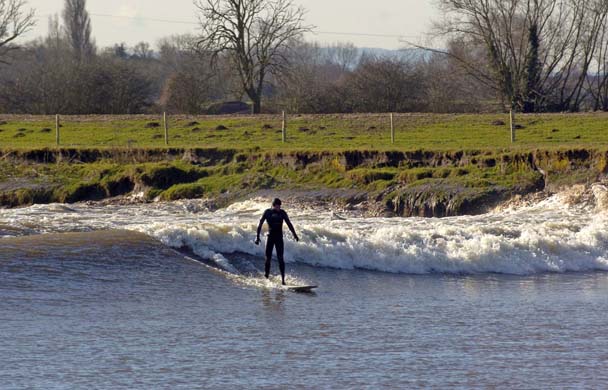
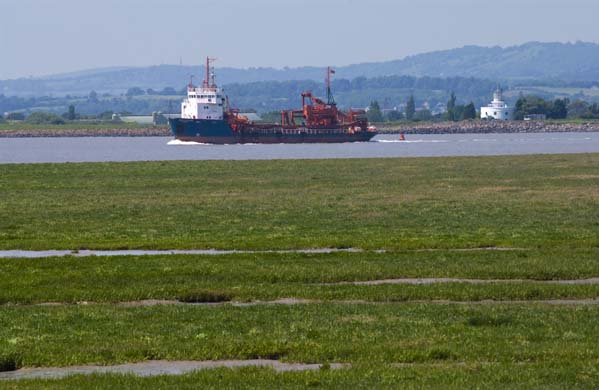
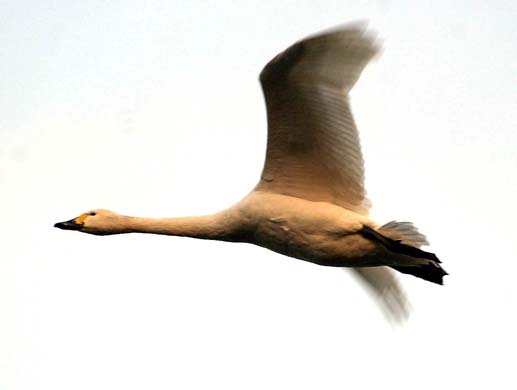
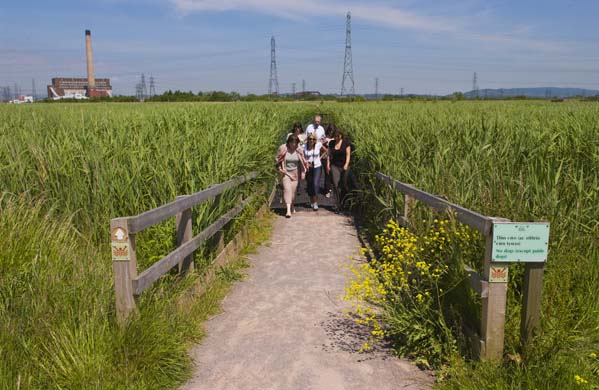
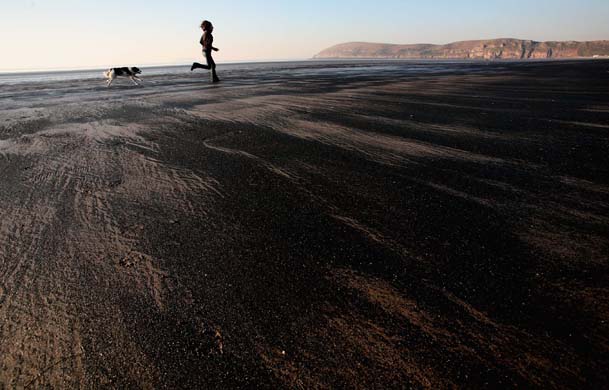
Newport wetlands, a wildlife reserve between Uskmouth and Nash, in south Wales, was first established to mitigate losses of habitat when the Cardiff Bay barrage was built. Now it is under threat from the latest Severn barrage plansPhotograph: Jeff Morgan/FreelanceA curlew at the water's edge. The RSPB and other conservation groups say that a tidal barrage would destroy the mudflats and saltmarshes that provide feeding grounds for an estimated 65,000 birds over the winterPhotograph: Steve Austin/Papilio/CorbisReeds grow along the Newport wetlands foreshore and sea wall, Newport, South Wales, providing habitat for many species of birdsPhotograph: Jeff Morgan/freelanceA surfer rides the largest Severn bore of 2006. The tidal phenomenon will be severely diminished if the barrage goes aheadPhotograph: Phil Rees/Rex FeaturesA sand dredger heads out to sea. Shipping in the Bristol Channel would be affected by the barragePhotograph: Jeff Morgan/freelanceA Bewick swan, the smallest and rarest of the swan family, is one of the migratory birds that would be affected by the Severn barragePhotograph: Barry Batchelor/PAVisitors walk over floating pontoon through reed beds at Newport wetlands. Graham Wynne, the chief executive of the RSPB, one of the coalition groups opposing the barrage scheme, says: “There are good reasons for trying to harness the energy potential of the Severn estuary. But the estuary is truly exceptional for its ecological value." Photograph: Jeff Morgan/FreelanceA woman runs with her dog on the beach overlooking the Severn estuary at Brean near Weston-super-Mare. The land that would be submerged on both sides of the estuary hosts about 68,000 birds in winter, including huge flocks of dunlins and shelducks, together with Bewick swans, curlews, pintails, wigeons and redshanksPhotograph: Matt Cardy/Getty
Sign up to read this article
Read news from 100’s of titles, curated specifically for you.