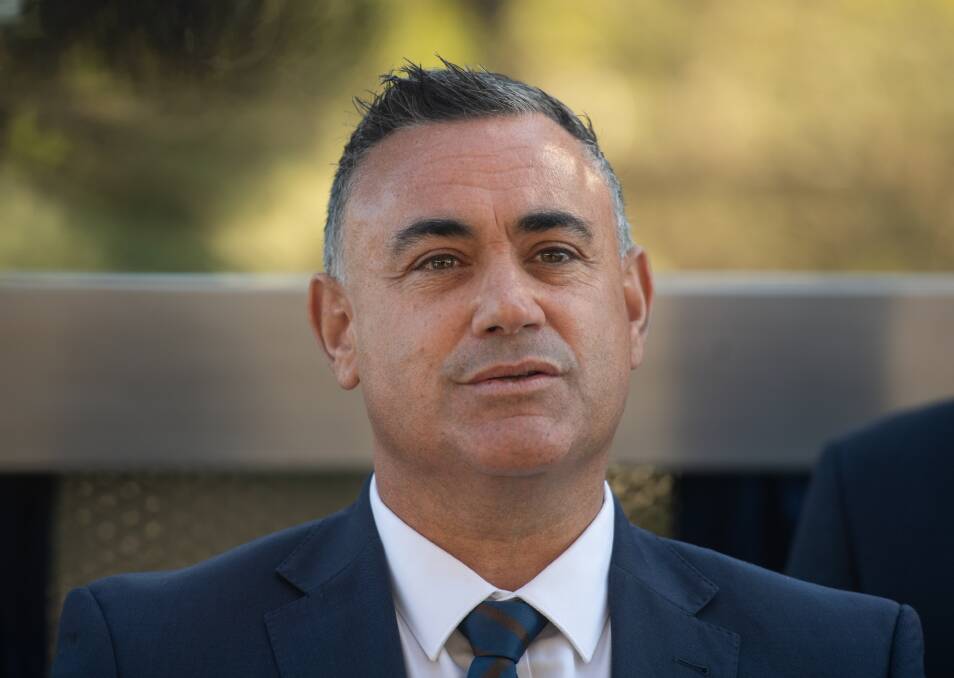
Deputy Premier John Barilaro says the NSW government will provide Newcastle council "whatever resources they need" for offshore sand dredging to save Stockton beach.
Mr Barilaro released on Wednesday the results of a geological survey which found three offshore sources of sand to replenish the disappearing beach.
He said the "next step" was for City of Newcastle to apply for a mining licence then the government would "pick up a chunk of the tab".
"We'll hold their hand right through. We'll resource it as well. I've got no problem with that," he said.
Asked if this meant the state would fund the application or the dredging, he said: "Do it all. The council's not going to have the ability to do this on their own.
"Of course, they'll have some capacity, but not all of it, and I'll be more than likely and more than happy that the state picks up a chunk of the tab."
Offshore sand dredging is illegal in NSW without a mining licence.

Mr Barilaro said he was keen to "have a chat" with lord mayor Nuatali Nelmes and council chief executive Jeremy Bath "so they understand the process".
"The next stage now is the state government won't be the proponent because that was never the intention," he said.
"Newcastle council will have to be the proponent, to put the application in for what will be a DA for a mining licence.
"This will be the first time this has been done in NSW, so this will be significant.
"We will then, as the state, support Newcastle, so whatever resources they need, we'll get in behind it."
Mr Barilaro's comments mark a breakthrough in the long-running debate over who will pay to fix Stockton's erosion problems.
City of Newcastle released a report last year which said it would cost $21 million for an initial replenishment program then $12 million every decade to keep sand on the beach.
Documents released in May under freedom-of-information laws showed that $34 million of the $72 million Coastal and Estuary Grants Program remained unspent since the government set it up in 2016 to help councils address coastal erosion.
Mr Barilaro said last year that offshore sand dredging was the "only viable long-term solution" for Stockton's woes.
On Wednesday, he said dredging was "significantly closer" after government scientists identified suitable sand sources.
"The options announced today will now be reviewed by the City of Newcastle as part of its plan to tackle erosion at Stockton Beach," Mr Barilaro said.
"These results follow a six-week exploration program carried out earlier this year, and information about the options will be provided to the City of Newcastle council to consider its next steps to improving the beach."
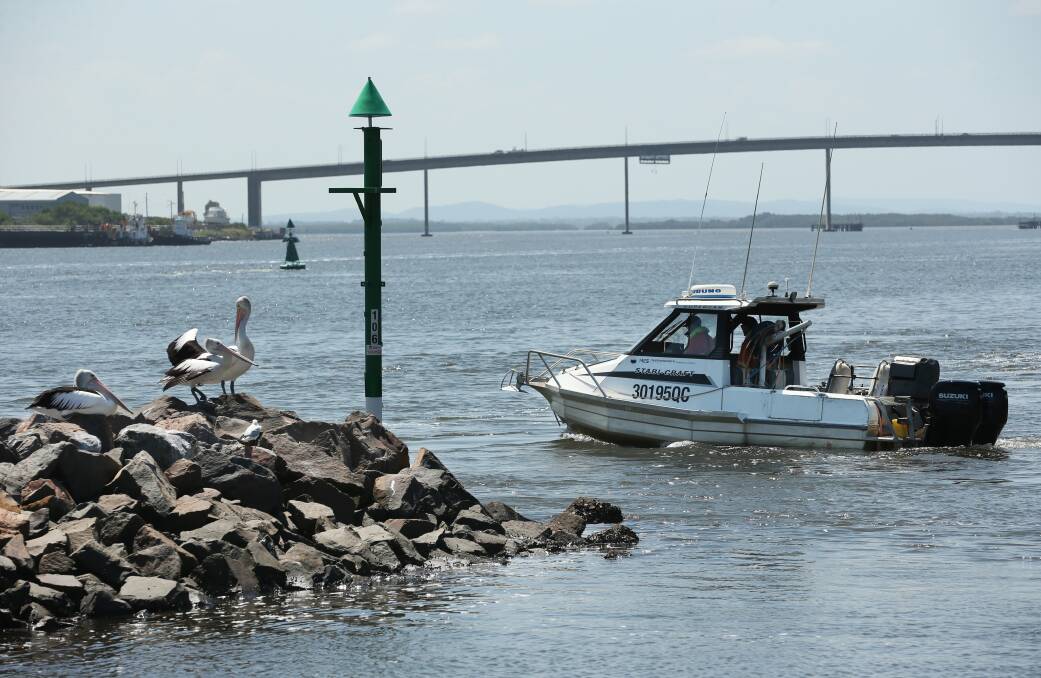
The Geological Survey of NSW, in the Department of Regional NSW, applied for an offshore exploration licence in December after identifying a 60-square kilometre survey area as the largest nearby offshore sand resource.
Its scientists found three suitable sources, the "inner-shelf plain sand sheet, old barrier sands and Hunter River sands".
The inner-shelf sand is abundant in Stockton Bight, occurs as broad ridges on the sea floor and is very similar to what is on the beach now.
The barrier sands are old beach and dune sand found in deeper water north of Pinnacles Reef, which is about 4km north-east of the harbour entrance.
These sands are up to 10 metres thick on the sea floor and are often covered by the younger, inner-shelf sand.
The river sands are found mixed with marine sands between the harbour entrance and Pinnacles Reef.
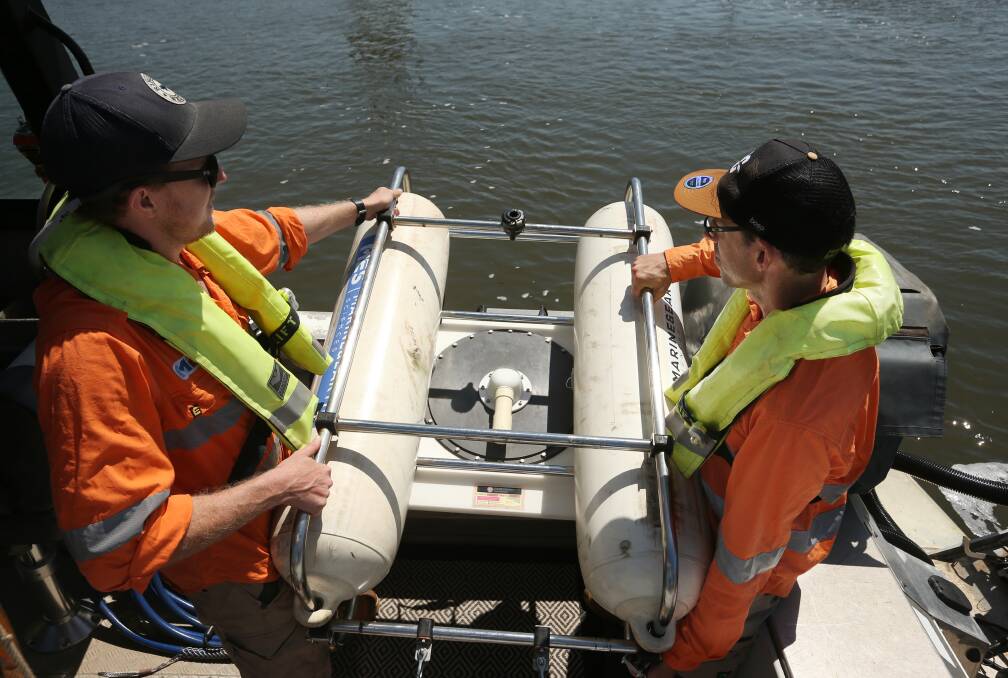
The survey crew analysed the seabed up to 5.5 kilometres off Stockton Bight to determine the thickness of sand deposits and whether the grains were the right size to stop them from washing away if shifted to the troubled zone.
The survey, which began in March, assessed 91 surface samples and 44 core samples for sand size and colour.
Mr Barilaro said the exploration and survey techniques could be used to protect and preserve other beaches.
"Exploration has provided us with this critical information that could help resolve decades of erosion issues at Stockton Beach, and it would be fantastic if this approach could be used to ensure other beaches can be enjoyed for many more years to come," he said.
He said using offshore sand was a "tried and tested" approach for replenishing beaches in the US and Europe.
In the news
- 22 new cases in NSW today, June 30
- What lockdowns mean for Newcastle and the Hunter
- Professor Jennifer Martin urges action on climate change
- Woman fined for driving from Sydney CBD to Nelson Bay in breach of COVID-19 restrictions
- Mount Arthur could be next as Glencore buys out its joint venture partners in big Colombian mine
- NSW's 'inconsistent' lockdowns raise concerns for Lake residents