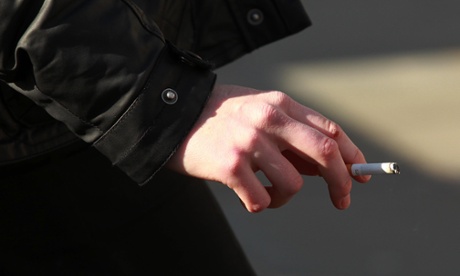
The Mayor of London’s health commission has recommended banning smoking in the UK capital’s public parks, which they say would make it one of the world’s healthiest cities.
New York did the same thing in 2011 and former mayor Michael Bloomberg cities it as one of the factors contributing to the city population’s life expectancy increasing by three years during his time in charge - although that was probably a bit of an optimistic analysis.
Nevertheless there are three bits of solid evidence that suggest the ban could potentially be a good idea (or at least one which would do no harm).
1. It will mean less litter to pick up

Part of the reason for the initial ban on smoking on beaches in some parts of California was the huge amount of rubbish that smoking outside causes. Forty percent of litter collected during coastal cleanup day in Manhattan Beach was cigarette butts, according to city officials.
If there was a ban on smoking in London, discarded, stubbed out cigarettes would become a much rarer sight in the capital’s green spaces.
2. It will continue the denormalisation of smoking
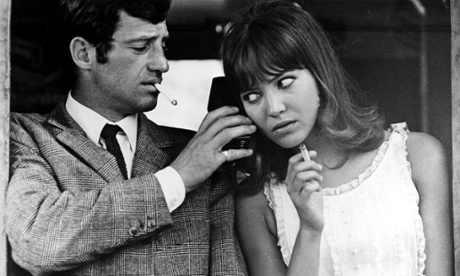
Professor Dame Sally Davies, the government’s chief medical officer for England, has welcomed the proposals. She said it would help deter young people from smoking because they would see fewer adults doing it. There have been studies showing, for example, children were more likely to take up smoking if they had seen it in films.
Although there are plenty of other factors at play, secondary school pupils have been increasingly likely to say it is unacceptable to try a cigarette since the UK ban on smoking inside workplaces and public spaces came into force in 2007.
While the proportion of adults smoking has not changed by much since in the UK since the indoor ban, California, which enacted a similar ban in 1998, has seen a smoking drop off rate much faster than the rest of the US
3. The science says smoking in open spaces is still harmful to others (well, sort of)

Former mayor of New York Michael Bloomberg espoused the health benefits of the ban in his city. The evidence suggests that he is sort of right in that outdoor smoking areas temporarily reach concentrations of particulate matter to a level that the World Health Organisation would consider harmful. However, they do also quickly drop back down to background levels soon after the smoking stops so only people frequently in these spaces, such as hospitality workers, could potentially be affected.
A review of the available evidence said: “Although outdoor second hand smoke levels are more transient than indoor levels, and can quickly drop to background levels in the absence of active smoking, potential health effects of these exposures merit consideration and need to be further studied.”
So the only way it would be harmful is if certain sections were created in parks for people to smoke in that would concentrate smokers in one area. Don’t do that.