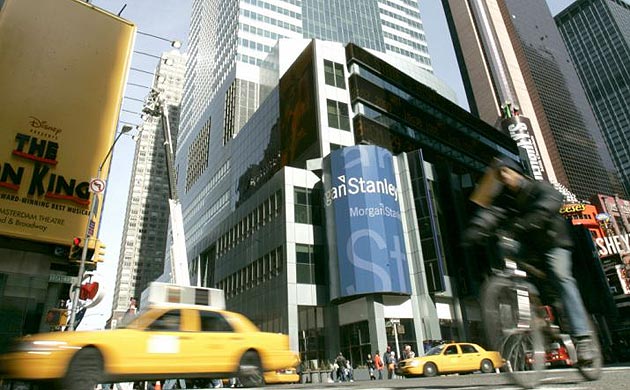
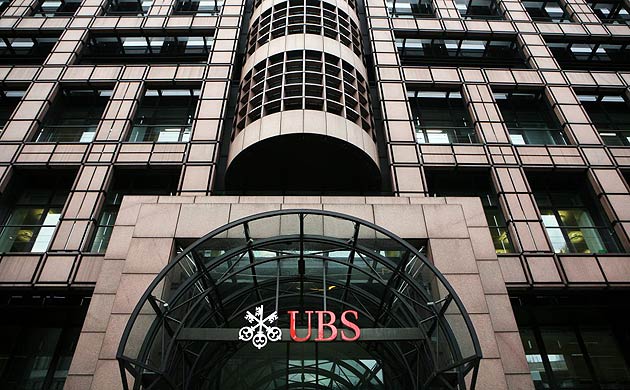
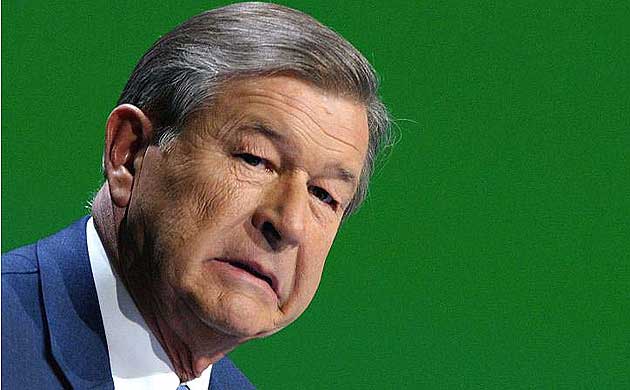
The great credit crisis has cost the world’s largest banks billions since it started in August 2007. UBS, the biggest casualty in Europe, admitted in early July that it faced further writedowns - estimated by analysts at $7.5bn (£3.8bn). It has already written off more than £18bn from its exposure to the US mortgage market. The losses cost chairman Marcel Ospel his job. Read the articlePhotograph: Graham Turner/GuardianOspel had worked at the bank, and its predecessor Swiss Bank, since the 1970s. His desire to turn it into the world’s largest bank has been blamed for causing its present problems. UBS sought to rescue its battered reputation with the resignation of four board members after pressure from shareholders, including the Olivant investment vehicle headed by former UBS president Luqman Arnold. Read the articlePhotograph: Fabrice Coffrini/AFPShares in Freddie Mac and Fannie Mae, the firms that finance more than half the mortgages in the United States, slumped amid renewed fears that Washington could be preparing an emergency bailoutPhotograph: Joe Raedle/Getty
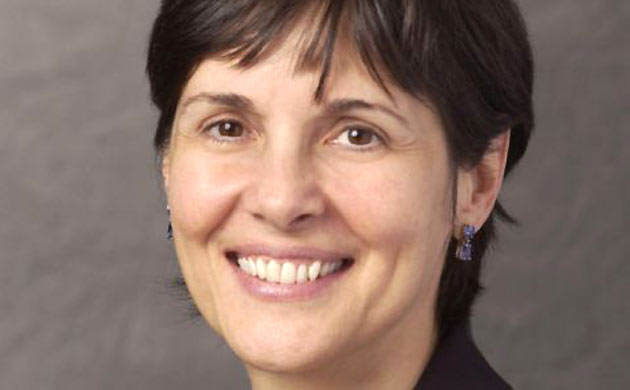
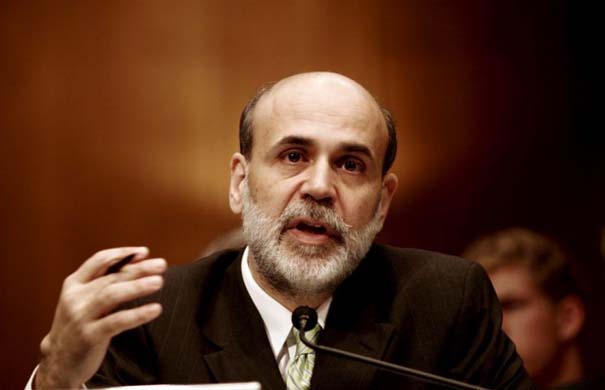
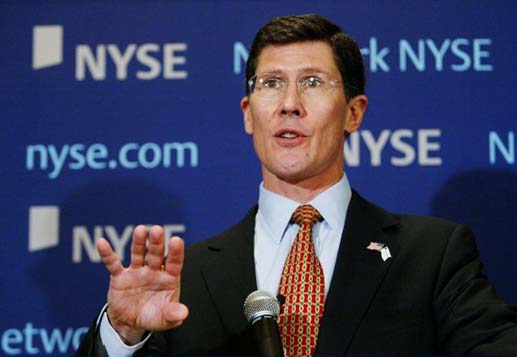
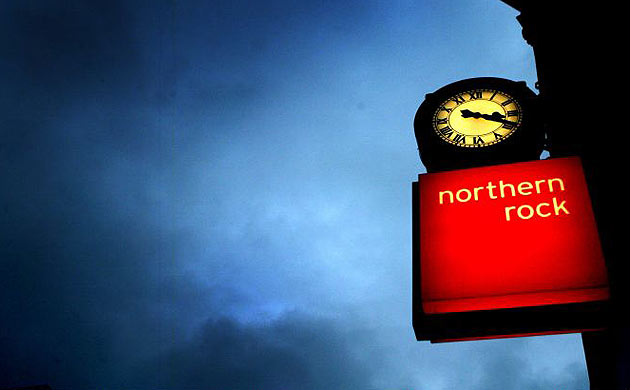
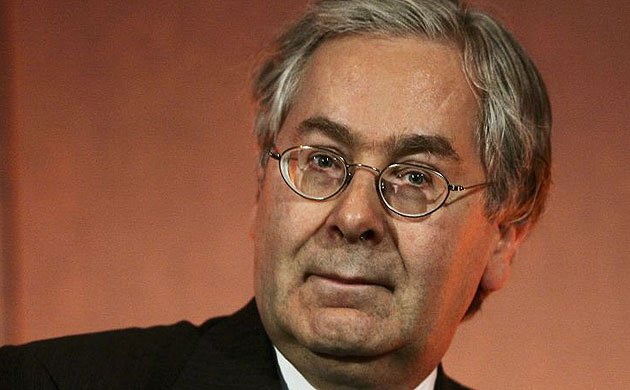
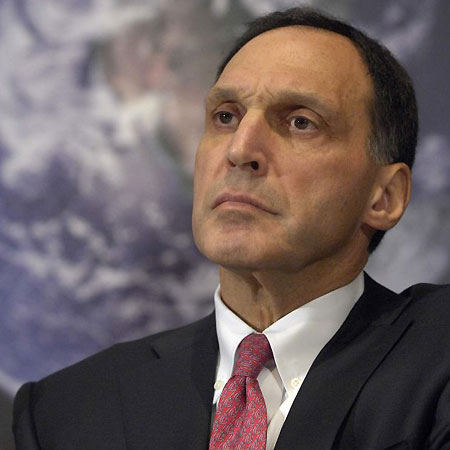
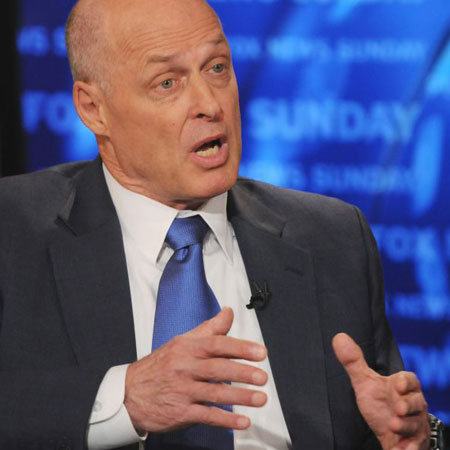
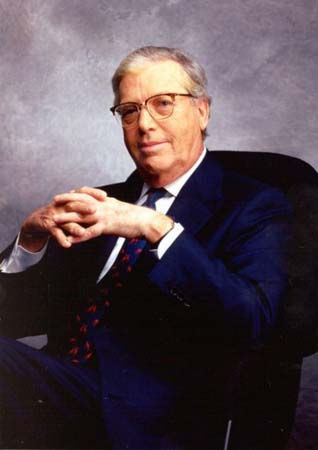
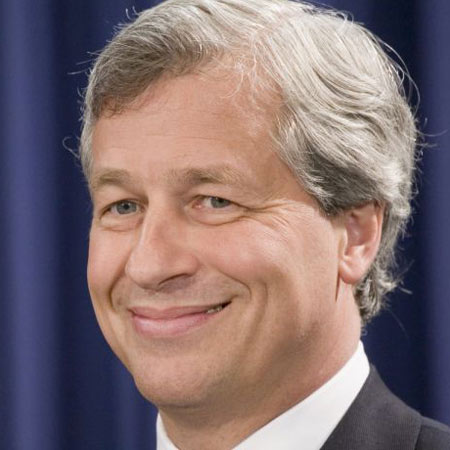
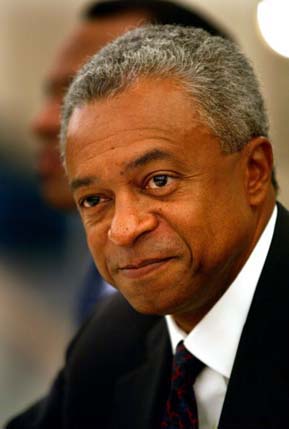
Merrill Lynch's newly recruited chief executive, John Thain, stands to share a $200m (£111.4m) payout after the bank surrendered its 94-year independencePhotograph: Spencer Platt/GettyEventually, in February 2008, Alistair Darling bowed to the inevitable and nationalised Northern Rock. Although it is still trading today, the bank is a byword for the chaos caused by the credit crunch and the mistakes made by both bankers and politiciansPhotograph: GettyOn WednesdayHBOS shares bounced as the City's faith in a rescue for the deal was renewed. Gordon Brown's support seemed to help, pushing HBOS shares up 21%. The company's shares rose further on Thursday, ending up 22p at 170.10pPhotograph: NewscastThe Bank of England, headed by governor Mervyn King, has been lobbied by high street banks to extend the special liquidity scheme, put in place this spring to help free up money markets which have been frozen by the credit crunch. The Bank said the scheme was going according to plan and some of the urgency had diminished in terms of banks needing to access it. Read the articlePhotograph: Bruno Vincent/GettyShares in Lehman Brothers plummeted in early July, hit by speculation it could suffer the same fate as Bear Stearns which had to be bailed out by JP Morgan. Lehman's CEO, Richard Fuld, admitted the bank’s performance was ‘unacceptable’ after it suffered its first loss since going public in 1994. Read the articlePhotograph: Kevin Wolf/APThe US Treasury secretary Henry Paulson expressed strong support for the Federal Reserve’s decision to throw Bear Stearns a temporary lifeline. The Fed’s decision to guarantee a temporary credit line from JP Morgan was the first time the central bank has bailed out a brokerage firm since the Great Depression of the 1930s. Read the articlePhotograph: GettyIn March, Wall Street investment bank Bear Stearns was sold to JP Morgan Chase for an initial knockdown price of $2 a share, or a total of $236m. The news triggered turmoil on global stock markets and a sharp decline in the US dollar. Shareholder protests later forced JP Morgan to increase its offer to $10 a share. Read the articlePhotograph: Amy T. Zielinski/NewscastJimmy Cayne, Bear Stearns Total remuneration: £164.2m (since 1999 or during length of service) Bank market capitalisation (August 2007): £6.8bn Now: Bear Stearns delisted, June 2008 Credit crunch hits (since August 2007): £2.3bn Photograph: APBy working with the authorities on the bailout of Bear Stearns JP Morgan boss James Dimon followed a tradition begun by J. P. Morgan himself in 1907, when he rescued the New York Stock Exchange. Unlike some rivals, JP Morgan remained in the black in the second quarter with profits of $2bn. The figures included a $540m loss on its rescue takeover of Bear Stearns. Read the articlePhotograph: APBanks are to swing the axe in the City with more than 10,000 jobs expected to go over the summer amid continuing turmoil on financial markets and fears that the UK and US economies are already in recession. Several thousand jobs have already been cut at banks including Citigroup, Morgan Stanley, Goldman Sachs, Deutsche Bank and Merrill Lynch. Read the articlePhotograph: Daniel Berehulak/GettyFaced with massive losses, some investment banks have turned to sovereign wealth funds. Citigroup, UBS, Merrill Lynch, Bear Stearns, Morgan Stanley - and UK bank Barclays - have all received funding from these powerful investment vehicles - fuelled by cash from the governments of Singapore, the United Arab Emirates, Qatar and China. Read the articlePhotograph: Mauricio Lima/AFPStan O’Neal quit as Merrill CEO at the end of October after the bank admitted losing $7.9bn through sub-prime loans. Wall Street’s first black chief executive had to go after his secretive attempts to merge with smaller rival Wachovia came to light. He walked away into ‘retirement’ with a reputed payoff of $159m. Read the articlePhotograph: Joe Raedle/GettyFears of financial meltdown in the banking industry were soothed in July by a smaller-than-anticipated loss at Citigroup, which revealed a sharp drop in liabilities arising from the global credit crunch. The biggest bank in the world by assets said its losses halved to $2.5bn in the three months to June, from $5.1bn in the preceding quarter. Read the articlePhotograph: Justin Lane/EPACitigroup’s writedowns of $18bn from sub-prime exposure last year meant chief executive Charles Prince (pictured) had to go. He was succeeded by Vikram Pandit. Citigroup then agreed a $7.5bn cash injection from the state investment authority of Abu Dhabi in return for a 4.9% stake. Read the articlePhotograph: Justin Lane/EPAMorgan Stanley’s CEO was forced to apologise and give up his bonus after the bank racked up its first ever loss in the fourth quarter of 2007. John Mack blamed a single trading desk for losses of $9.4bn. The bank sold a 9.9% stake to the China Investment Corporation for $5bn. In the second quarter of this year, Morgan Stanley was back in the black. Read the articlePhotograph: Richard Drew/APWhile John Mack kept his job at Morgan Stanley, the crisis claimed Zoe Cruz - one of the most powerful women on Wall Street. Dubbed ‘Cruz Missile’, she left in a reshuffle in November three weeks after it lost $3.7bn through exposure to the sub-prime mortgage crisis. Read the articlePhotograph: APThe credit crunch is Ben Bernanke’s most serious challenge since succeeding Alan Greenspan as Fed chairman. Faced with panic on Wall Street last August after liquidity dried up, he offered banks billions of dollars of cheap capital and then slashed interest rates several times. US senators have criticised hastily cobbled together rescue packages. Read the articlePhotograph: Stefan Zaklin/EPA
Sign up to read this article
Read news from 100’s of titles, curated specifically for you.



-A--890.jpg)