The chances of a cut in interest rates have increased after two members of the Bank of England’s key policy body responded to a growth downgrade – inspired by Brexit and a trade war – by voting for cheaper borrowing.
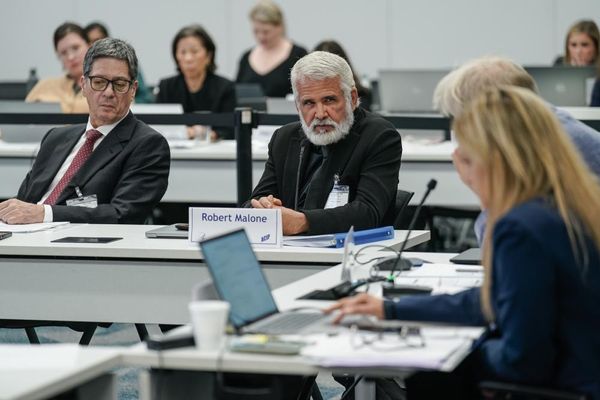
In the first split vote on Threadneedle Street’s monetary policy committee (MPC) since June 2018, the Bank voted 7-2 to keep official interest rates on hold at 0.75%. But two of the outside experts appointed to the committee by the government, Jonathan Haskell and Michael Saunders, said the weakness of the economy warranted an immediate reduction.
The Bank thinks the short-term prospects for the economy have improved because the risk of a no-deal Brexit has diminished. But over the next three years it expects the level of national output – gross domestic product – to be 1% lower than it had anticipated in August.
It said three-quarters of the downgrade had been due to changes in asset prices and a gloomier global outlook since the summer, while the rest came from changes to the Bank’s Brexit assumptions offset by the impact of the boost to public spending announced by Sajid Javid in September. The Bank believes that the chancellor’s measures will increase the level of output by 0.4%.
The Bank’s latest monetary policy report for the first time included precise Brexit assumptions based on the withdrawal agreement the prime minister struck with the EU. The Bank believes leaving the EU will lead to the economy growing more slowly but had previously been basing its forecasts on the average impact over 15 years. Threadneedle Street says Boris Johnson’s deal means it is now possible to quantify the effects over the period up until the end of 2022.
Minutes of the November MPC meeting showed Saunders and Haskell arguing that weaker growth meant the UK had a modest but rising amount of spare capacity and below target inflation. They said the labour market was softer than the headline unemployment figures suggested.
“There were downside risks to the MPC’s projections from a weaker world outlook and from more persistent Brexit uncertainties affecting corporate and household spending. As a result, these members judged that some extra stimulus was needed now to ensure a sustained return of inflation to the target.”
The Bank said it had upgraded its GDP forecast for the third quarter of 2019 from 0.2% to 0.4% and slightly raised its annual growth forecast from 1.3% to 1.4%. Official figures will be released by the Office for National Statistics on Monday.
The monetary policy report said: “Looking through Brexit-related volatility, underlying UK GDP growth has slowed materially this year and a small margin of excess supply has opened up.”
Financial markets think the Bank will cut rates by 0.25 points next year – something the MPC said was possible.
The MPC minutes said: “If global growth fails to stabilise or if Brexit uncertainties remain entrenched, monetary policy may need to reinforce the expected recovery in UK GDP growth and inflation.
“Further ahead, provided these risks do not materialise and the economy recovers broadly in line with the MPC’s latest projections, some modest tightening of policy, at a gradual pace and to a limited extent, may be needed to maintain inflation sustainably at the target.”