The Bank of England’s interest rate setting committee was split in the last month of this year after two members maintained their view that forecasts of higher wages next year should be offset by higher credit costs.
Martin Weale and Ian McCafferty, who have voted for a rate hike since August, said at the monetary police committee’s December meeting that the current dip in inflation was clouding the vision of the Bank, which should beware runaway prices in 2016 without an early rise in interest rates.
The pair argued that below target inflation, which hit 1% in November, was largely the result of a higher exchange rate and lower raw material prices.
But the MPC voted five to two in favour of keeping interest rates at 0.5%, according to minutes published on Wednesday.
The majority focussed heavily on falling oil prices that look set to stay at historic lows well into next year. They said inflation was likely to fall below 1% in December – far below its 2% target – and was likely to stay lower than previously thought.
“However, there was also a risk that the degree of spare capacity could be eliminated more quickly than previously assumed, particularly if Bank Rate were to follow the path implied by market yields,” the MPC majority said.
The minutes showed that different members saw different risks, but they did not repeat November’s language of there being a “material spread of views”, which had caused market analysts to believe that some MPC members were edging closer towards raising rates.
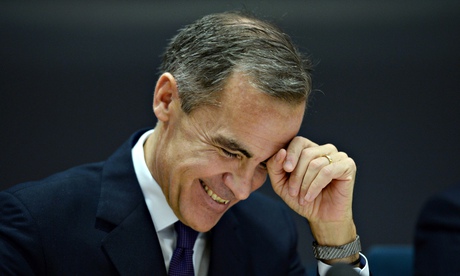
The Bank of England’s governor, Mark Carney, said on Tuesday that the fall in oil prices was an “unambiguously net positive” for Britain’s economy. But he added that the Bank would look through the direct effect of that fall on inflation.
Earlier this week Brent crude fell below $59 (£38) a barrel for the first time since May 2009, a near 50% collapse in the price since the summer.
Before the decline in oil prices and the onset of a supermarket price war, which has brought food prices down, the Bank appeared poised to raise rates from the first time since the banking crash. Falling unemployment and strong GDP growth were considered strong signs that wages would soon begin to rise, putting pressure on prices. But the majority of the MPC agreed that considerable slack remained in the economy, especially as exports remained weak and many new jobs are low paid, part-time or self-employed.
Jeremy Cook, chief economist at the currency broker World First, said the UK economy was “very much on a tightrope at the moment”.
He continuede: “Internally, news from the UK economy is strong. Average weekly earnings increases of 1.4% compared with the same period last year are the strongest since March of this year. The falls in inflation that we have seen from oil and food prices have increased disposable income and taken the pressure off the Bank of England to raise rates this year.
“Today’s minutes show a Bank of England that is wary of lower inflation - anticipating a fall below the 1% level at the December CPI [consumer price inflation] reading – but also willing to look through these temporary, transitory effects in favour of longer term price stability.
“Wages need to grow more, of course, and we want to see them above the CPI target of 2% by the end of Q1 to show that the UK economy is humming along nicely,” he added.
Businesses remain generally reluctant to see interest rates rising before wages have strengthened and the recovery is on a firmer footing.
David Kern, chief economist at the British Chambers of Commerce, said: “The UK labour market remains strong, resilient and flexible. However the decline in unemployment was the smallest in more than a year, indicating a slowdown in the pace of growth. These figures also highlight that pay is now growing faster than inflation. While this is an encouraging development, it would be a mistake to interpret it as an argument for early interest rate rises.
“As earnings growth remains modest and with inflation likely to fall below 1.0% in the short-term, there is no reason to tighten monetary policy. The UK recovery is still facing many obstacles and a premature rate rise would put it at risk.”