Just a year ago, Rambo was confined to a shallow, chlorinated pool in an Indonesian hotel on the island of Bali entertaining visitors from around the world by jumping through hoops.
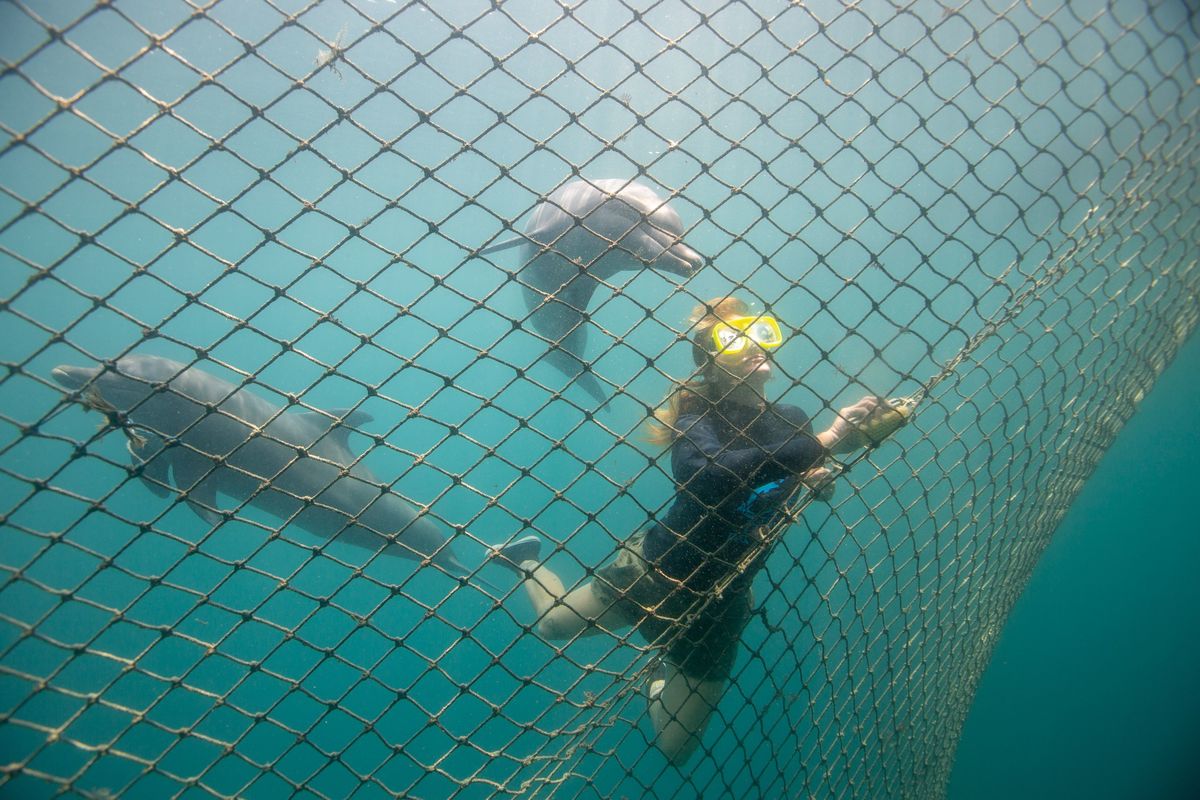
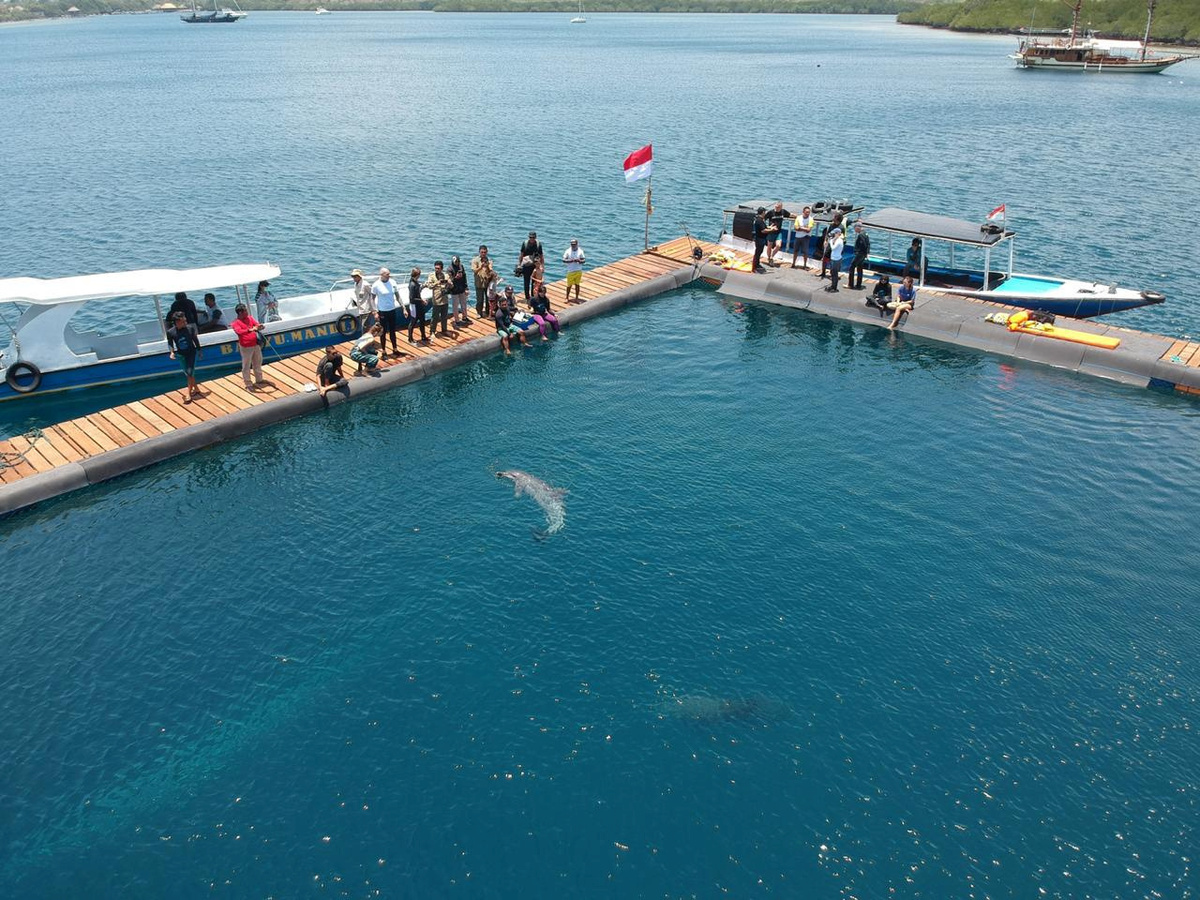
Now, the bottlenose dolphin is swimming freely after being brought to what organisers say is the world's first permanent rehabilitation centre under a project initiated by Bali's government and animal rights groups.
"It's a model. It can be duplicated. And we're trying to do that in Europe as well, in Italy and in Crete," said Ric O'Barry, an animal activist and founder of the Dolphin Project, the charity that runs the centre.
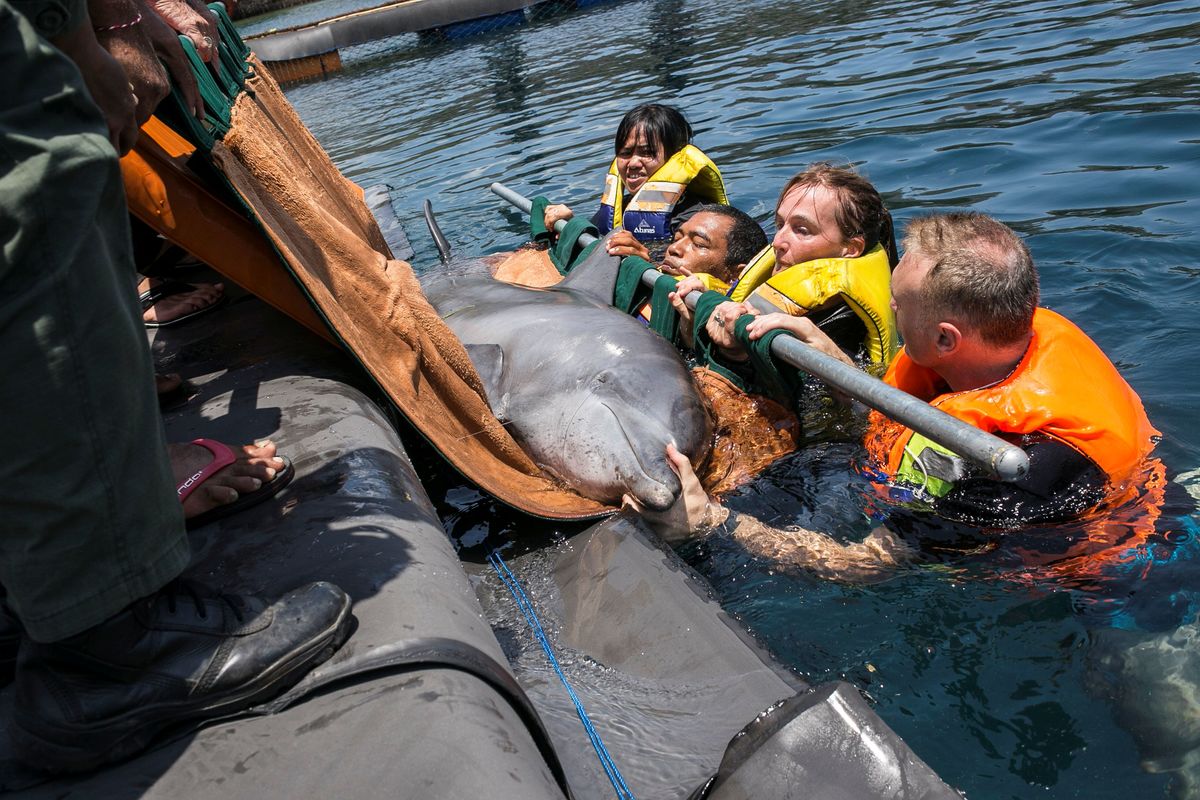
With the help of Indonesian authorities, activists rescued four dolphins last year and brought them to the centre in a bay on the tropical island for treatment.
"It's more stressful for dolphins in captivity than any other animal we'll see at the zoo," said O'Barry, who was featured in the Oscar-winning documentary "The Cove" about the capture and slaughter of dolphins in Japan.
More than 3,000 dolphins are in captivity around the world as part of an entertainment industry that generates up to $5.5 billion annually, a 2019 report by World Animal Protection says.
Returning dolphins to the wild depends on their health and ability to catch food and interact with other dolphins.
"Often they switch off the sonar when they are kept in captivity, so that's one of the main tasks of the team here to prepare them for their life in the wild," said Femke Den Haas, who runs the rehabilitation centre.
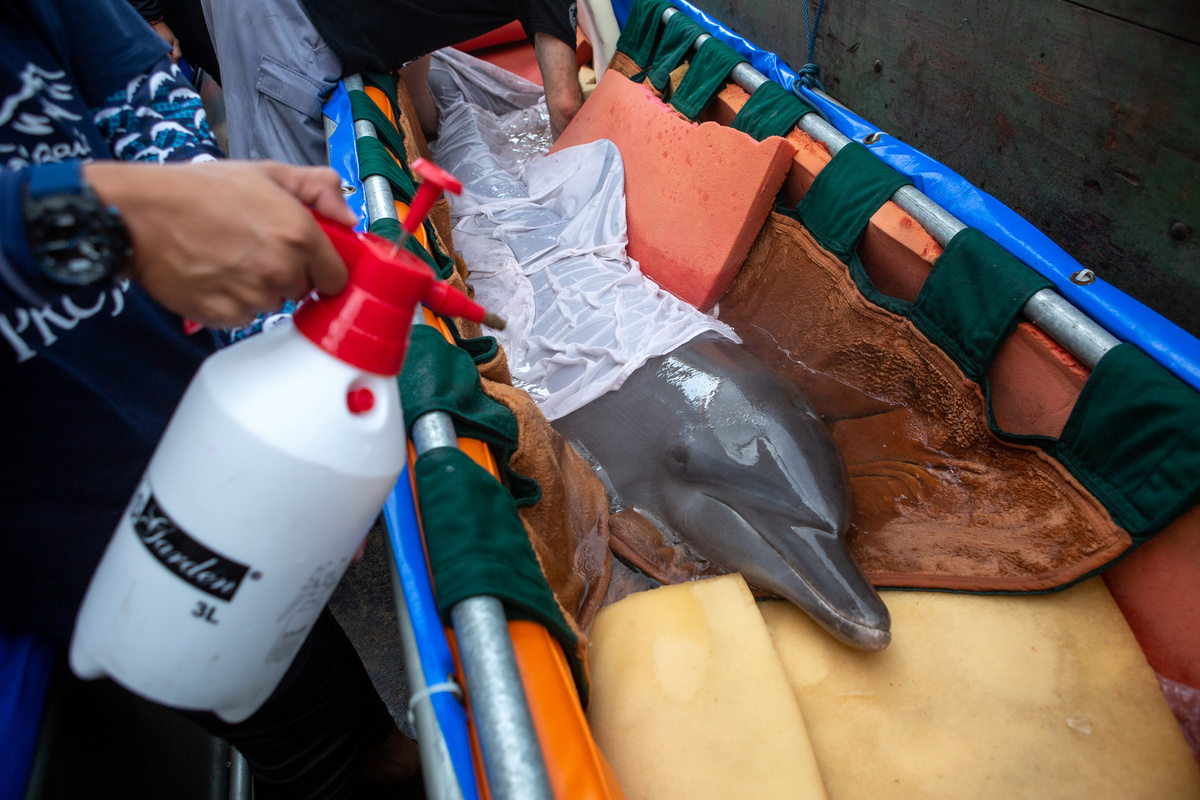
Dolphins use sonar to navigate in the ocean and also to communicate with each other.
For O'Barry, 80, who in the past trained dolphins used in the TV series "Flipper" before his change of heart, opening the Bali sanctuary is another step on a goal to end captivity.
"There are hundreds of activists working on this issue now. When I started doing this 50 years ago, people thought I was crazy," said O'Barry, who was speaking from Denmark.
(Additional reporting by Sarah Mills in LONDON; Writing by Angie Teo and Ed Davies; Editing by Gareth Jones)