At least 83 people have been killed in two separate bomb attacks in Baghdad, Iraq.
A car bomb attack hit a market in Karada, a busy shopping district in the centre of Baghdad, killing 78 people and wounding 160, according to police and hospital officials.
The attack tstruck as families and young people were out on the streets after breaking their daylight fast for the Muslim holy month of Ramadan.
Isis claimed responsibility for the attack, releasing a statement to say a suicide car bomber targeted Shiites and warning "the raids of the mujahedeen [holy warriors] against the Rafidha [Shiites] apostates will not stop".
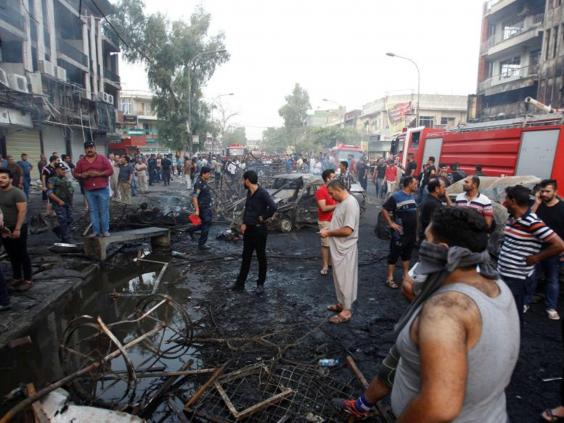
Shortly after the first bombing, an improvised explosive device went off in eastern Baghdad, killing five people and wounding 16. There was no immediate claim of responsibility for the second attack.
At dawn on Sunday, fire fighters were still working to extinguish blazes at the Karada blast site and bodies were still being recovered from charred buildings.
Many of the dead were children, according to a team from The Associated Press at the scene.
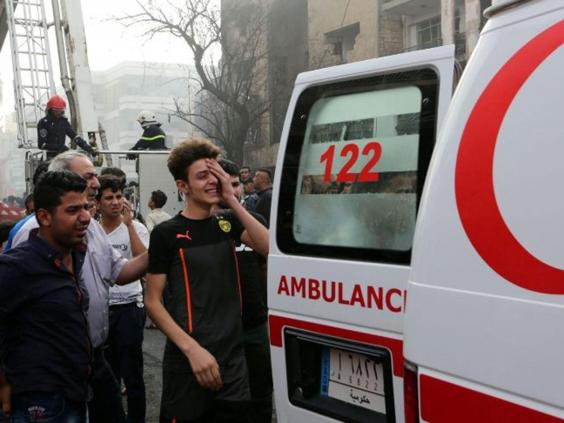
Ambulances could be heard rushing to the site for hours following the blast. An eyewitness said the explosion caused fires at nearby clothing and mobile phone shops.
Hours after the bombing, Iraqi Prime Minister Haider al-Abadi visited the site, where he was met by an angry crowd.
The attacks came just over a week after Iraqi forces declared the city of Fallujah "fully liberated" from Isis.
Over the last year, Iraqi forces have racked up territorial gains against Isis, retaking the city of Ramadi and the towns of Hit and Rutba, all in Iraq's vast Anbar province, west of Baghdad.
Despite the government's victories on the battlefield, Isis has repeatedly shown it remains capable of launching attacks far from the front-lines.
The terror group remains in control of Iraq's second largest city of Mosul, as well as significant areas of territory in the country's north and west.
Additional reporting by AP