BAE Woodford: From the Lancaster bomber to the new Nimrod
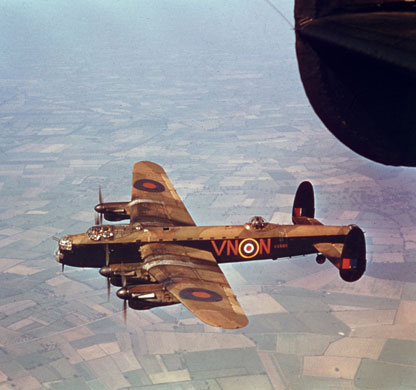
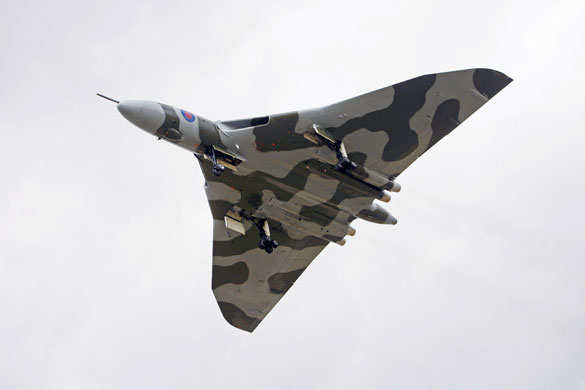
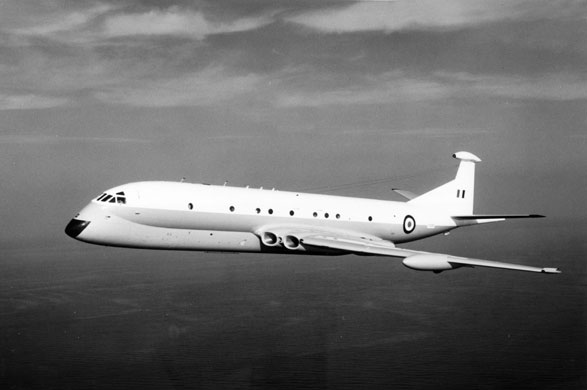
Lancaster Bomber: The Woodford Aerodrome near Manchester was set up in 1924 by AV Roe and Company (Avro). Aeroplanes have been produced on the site ever since. Its most important work was the production of the Lancaster bomber, the most successful bomber used by the Royal Airforceduring the second world war. Made up of around 55,000 separate parts, the Lancaster could carry almost its own weight in fuel and bombs. The first operational flight took place in 1942, and the plane remained in service until the early 1960s. Woodford produced more than 4,000 Lancaster bombers during the second world warPhotograph: Hulton Archive/Hulton ArchiveVulcan: Work on the Vulcan bomber began shortly after the second world war ended, and it came into service in 1956. It was a key part of Britain’s Cold War airforce. The Vulcan, which used a crew of five, had a range of over 3,400 miles – giving it the ability to drop nuclear bombs on Soviet territory. The Vulcan only saw action at the end of its active life, when it was used in a bombing raid on Argentina’s Port Stanley airfield during the Falklands warPhotograph: David SillitoeNimrod MR1: Various versions of the Nimrod spyplane have been built at Woodford since the 1960s, starting with the MR1. Packed full of surveillance equipment, the maritime patrol aircraft was based on the design of Britain’s first airliner, the de Havilland CometPhotograph: Popperfoto
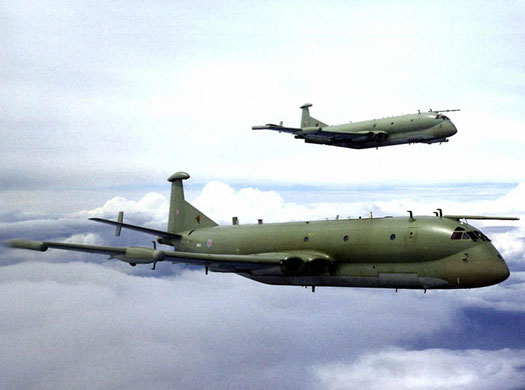
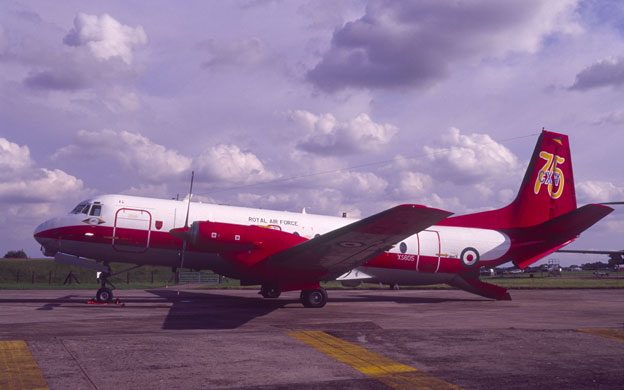
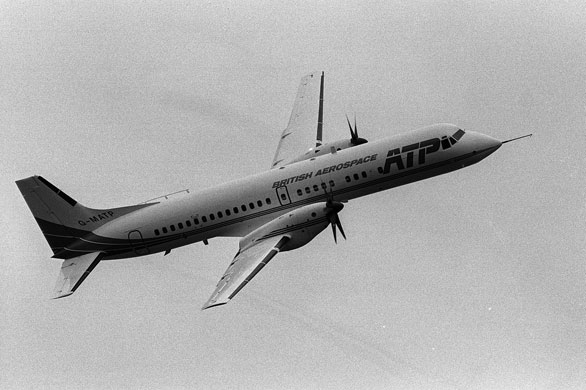
Nimrod MR2: In the late 1970s the RAF upgraded to the MR2. It offered significantly better surveillance powers, for anti-submarine, anti-surface unit and search-and-rescue work. The MR2 saw service in both Gulf wars and in Afghanistan. In 2006, 14 servicemen were killed when a Nimrod MR2 crashed in Afghanistan. The latest Nimrod, the MRA4, is currently being built at Woodford. It has suffered repeated delays, partly due to a design problem with its wings. Production is due to finish at 2012, at which point the Woodford site will closePhotograph: STRINGER/AFPHawker Siddeley HS 748: This turboprop airliner was designed by Avro, and was made at Woodfood from the early 1960s. Fleets of the 748 were sold to India and Canada, as well as operating in the UK. Avro had become part of the Hawker Siddeley conglomerate in 1935. Hawker Siddeley itself was nationalised to become part of British Aerospace in the 1970sPhotograph: David Gowans/AlamyBAe ATP: BAe’s advanced turboprop entered commercial service in 1988. With up to 72 seats, the low-noise plane was aimed at the commercial market for short-hop flights, but only a small number of planes were ever made and production ended in 1996Photograph: Trinity Mirror/Alamy
Sign up to read this article
Read news from 100’s of titles, curated specifically for you.