Bad religion: A Place Beyond Belief reaches Kosovo - in pictures
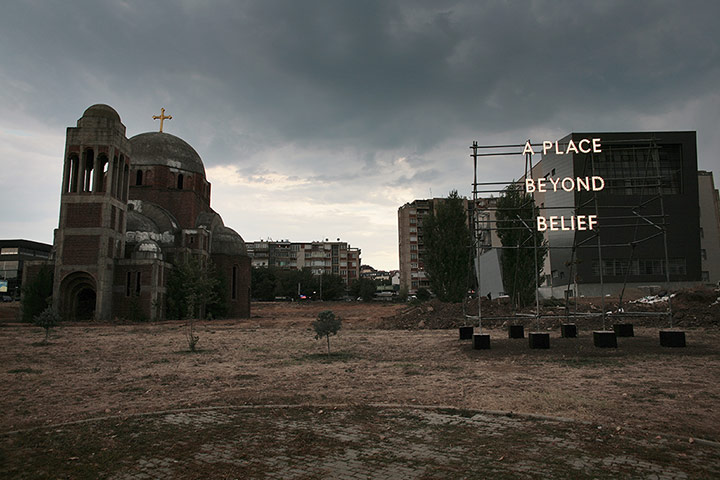
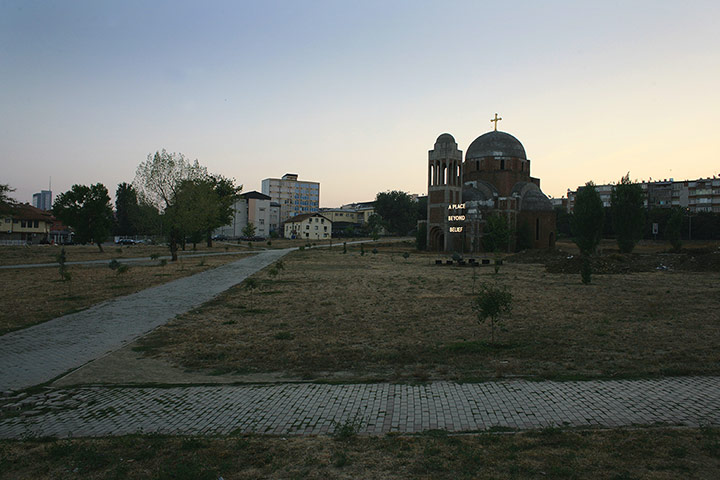
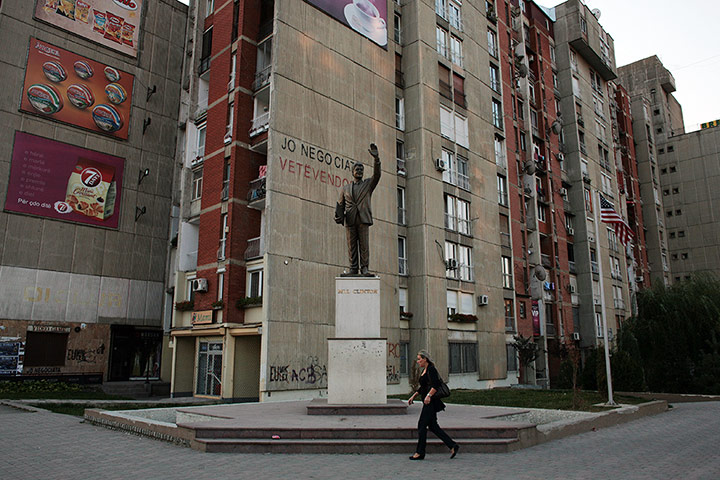
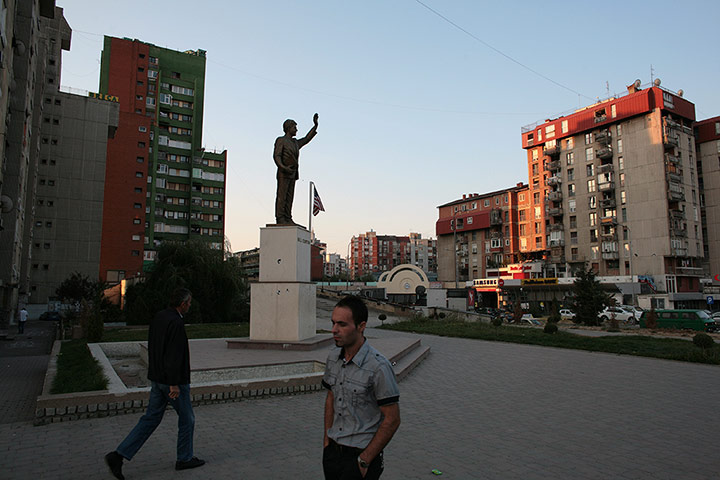
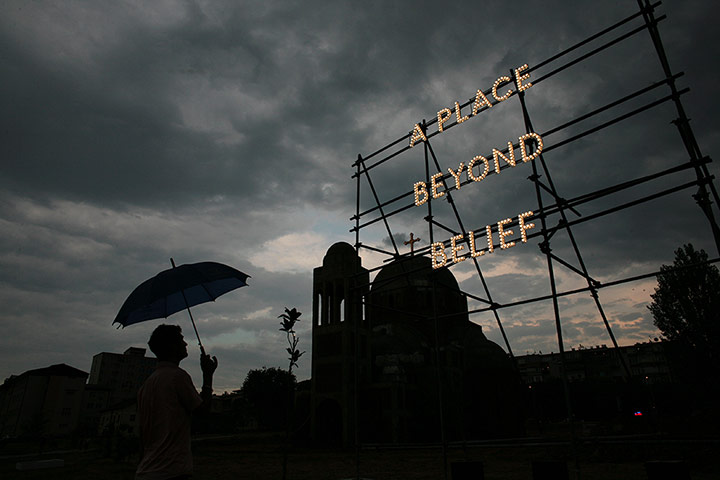
In a park in Pristina, beside an abandoned Serbian Orthodox cathedral, stands Nathan Coley's latest found-text sculpture, A Place Beyond Belief, picked out in lightbulbs and mounted on a scaffolding frame seven metres tallPhotograph: Martin Godwin for the GuardianThe church is a symbol of oppression to the majority Muslim and ethnic Albanian population. In the wake of the 1999 Nato bombing campaign against the Serbians, British troops had to camp in the shell of the church to stop it being destroyedPhotograph: Martin Godwin for the GuardianColey’s work represents a significant step forward: recent bits of public sculpture in Pristina include a bronze of Bill Clinton who, in the manner of social realist Soviet sculptures, waves benignly in Bill Clinton BoulevardPhotograph: Martin Godwin for the Guardian
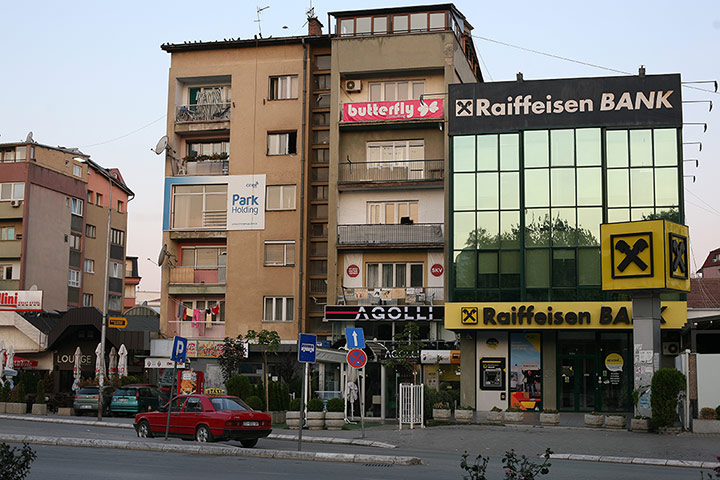
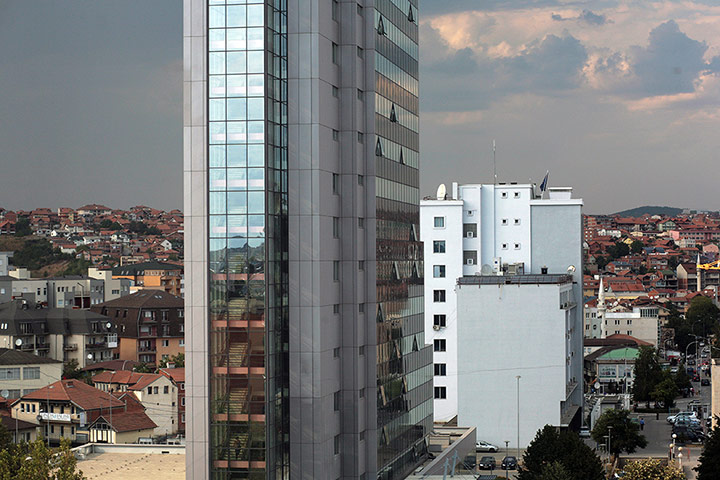
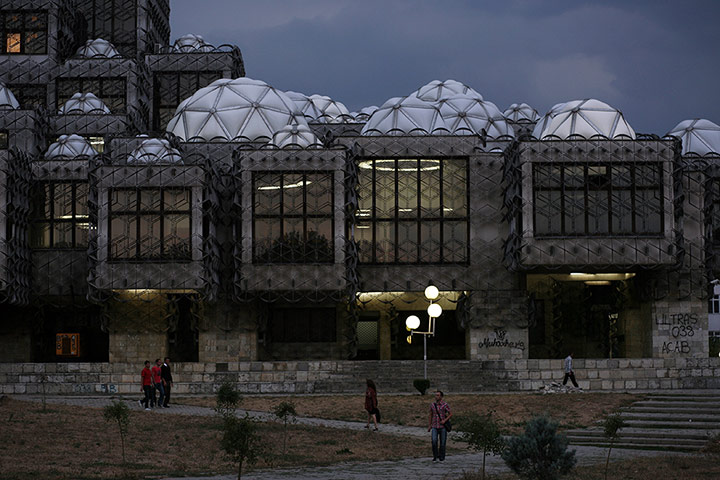
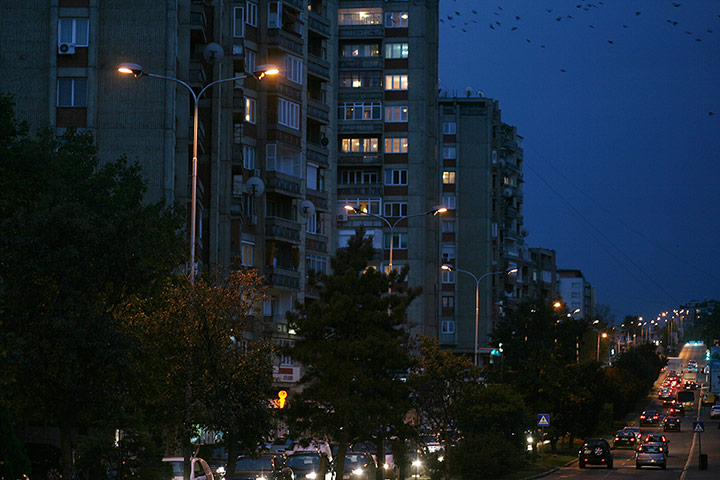
The tribute is a reminder of how much Clinton – and his British counterpart at the time – are revered in Kosovo, thanks to the 1999 Nato intervention. A surprising number of 13-year-old Kosovars are named Tony BlairPhotograph: Martin Godwin for the GuardianColey’s A Place Beyond Belief officially opened earlier this month, in the presence of diplomats and politicians gathered in the capital to mark another step on Kosovo’s road to mature nation-statehood: the end of supervised independencePhotograph: Martin Godwin for the GuardianBut the young country still has many problems, such as its deeply fragile relationship with Serbia and unanswered questions about the future of its minority Serbian population, as well as corruption and organised crimePhotograph: Martin Godwin for the GuardianGovernment buildings in Pristina. Petrit Selimi, Kosovo’s deputy minister for foreign affairs, sees culture as a vital tool for nation-building. 'What do people outside know about Kosovo?' he says. 'They think it’s still a war zone; they think of refugees'Photograph: Martin Godwin for the GuardianThe National Library. When, in the early 1990s, Serbia banned ethnic Albanians (about 90% of the Kosovar population) from holding state jobs and closed Albanian schools, the young were educated through a parallel underground systemPhotograph: Martin Godwin for the Guardian'A Place Beyond Belief is multivocal,' says Selimi. 'It could even be read as antagonistic. At the same time, sited by the church that Slobodan Milošević started to build, it stands as a testimony not to religious belief but the misuse of religious belief'Photograph: Martin Godwin for the GuardianPristina at night. 'When I was 13, Kosovo was the appendix to nowhere,' the deputy minister says. 'We can never again afford to be invisible'Photograph: Martin Godwin for the Guardian
Sign up to read this article
Read news from 100’s of titles, curated specifically for you.