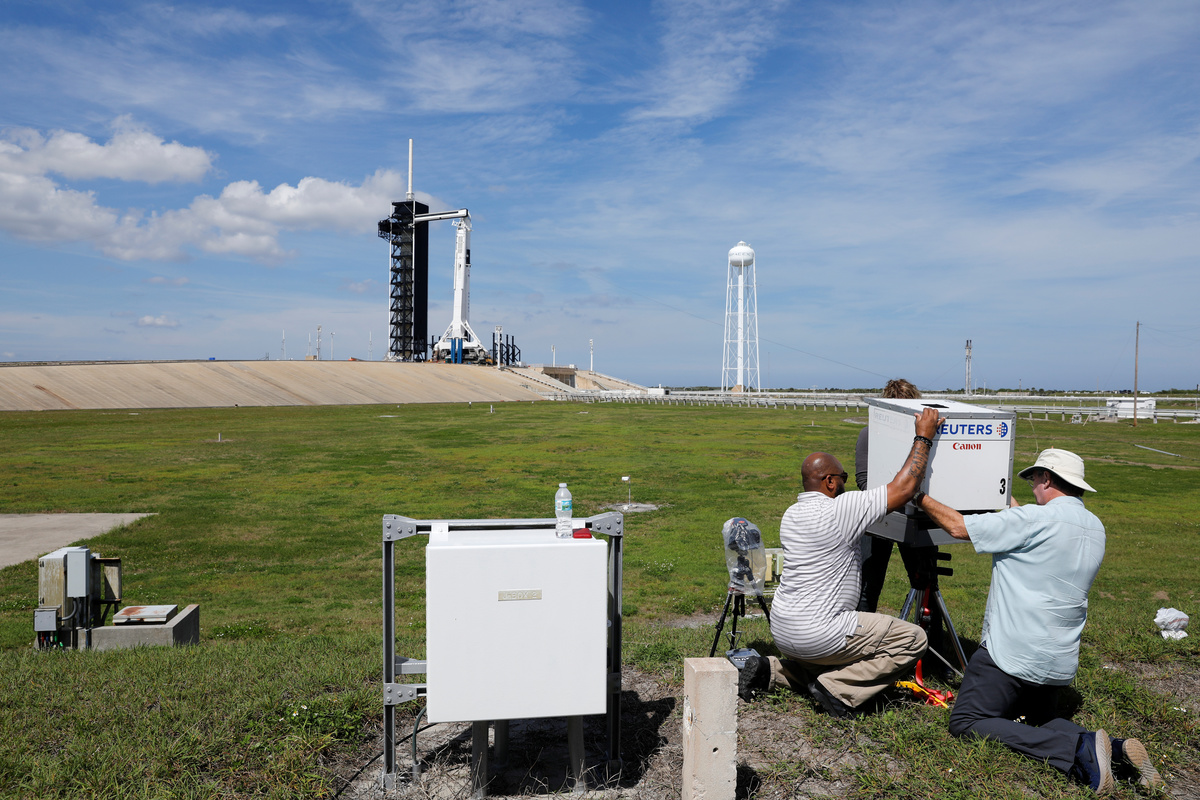
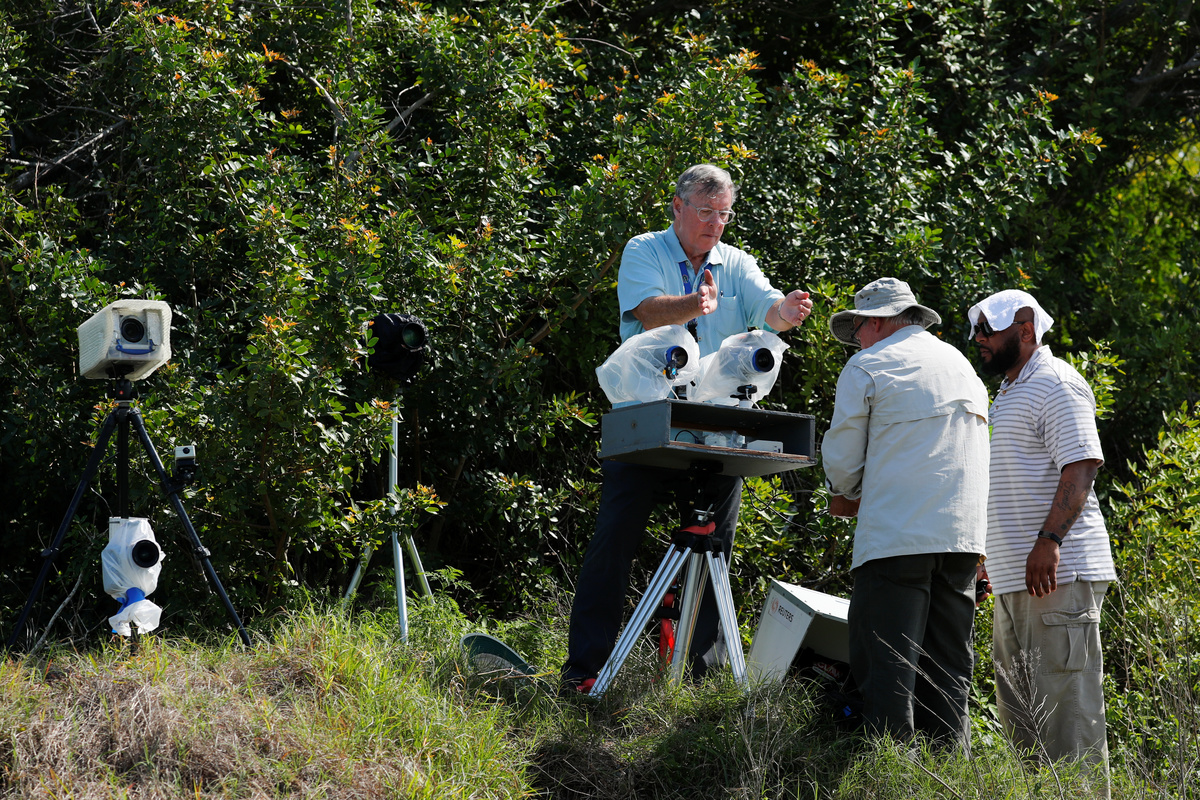
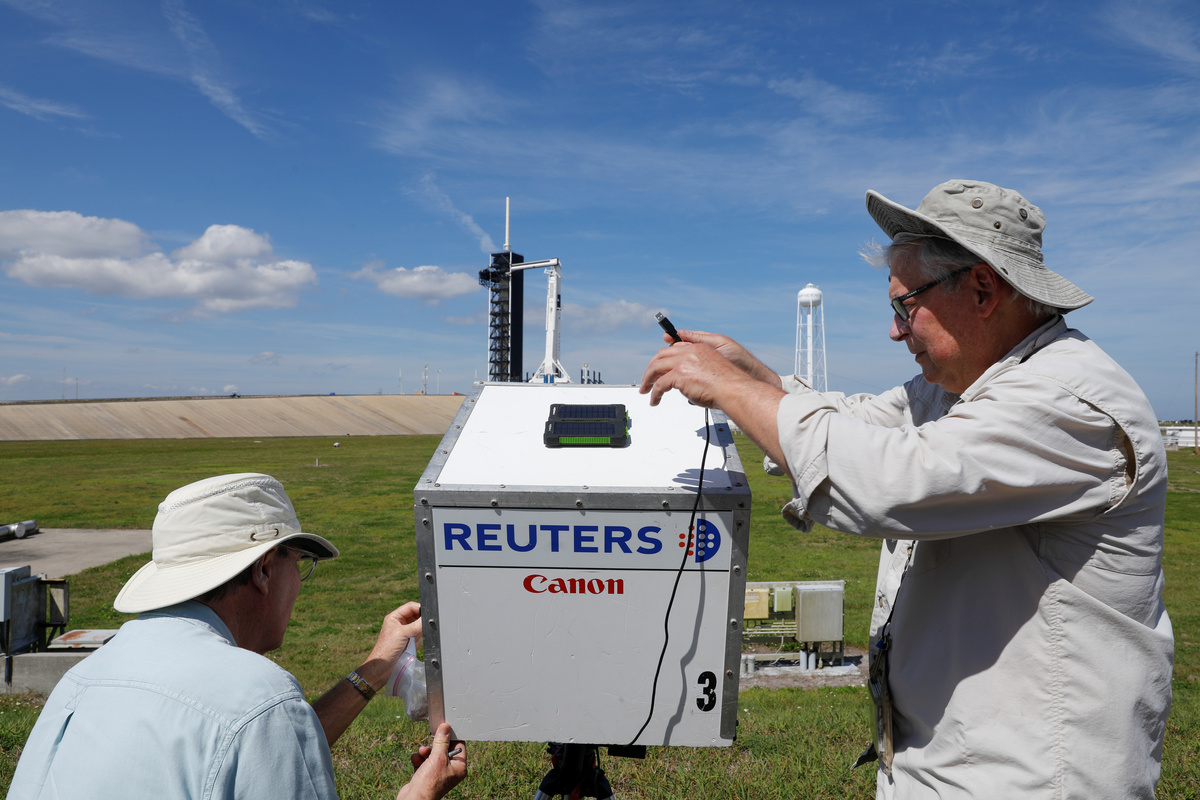
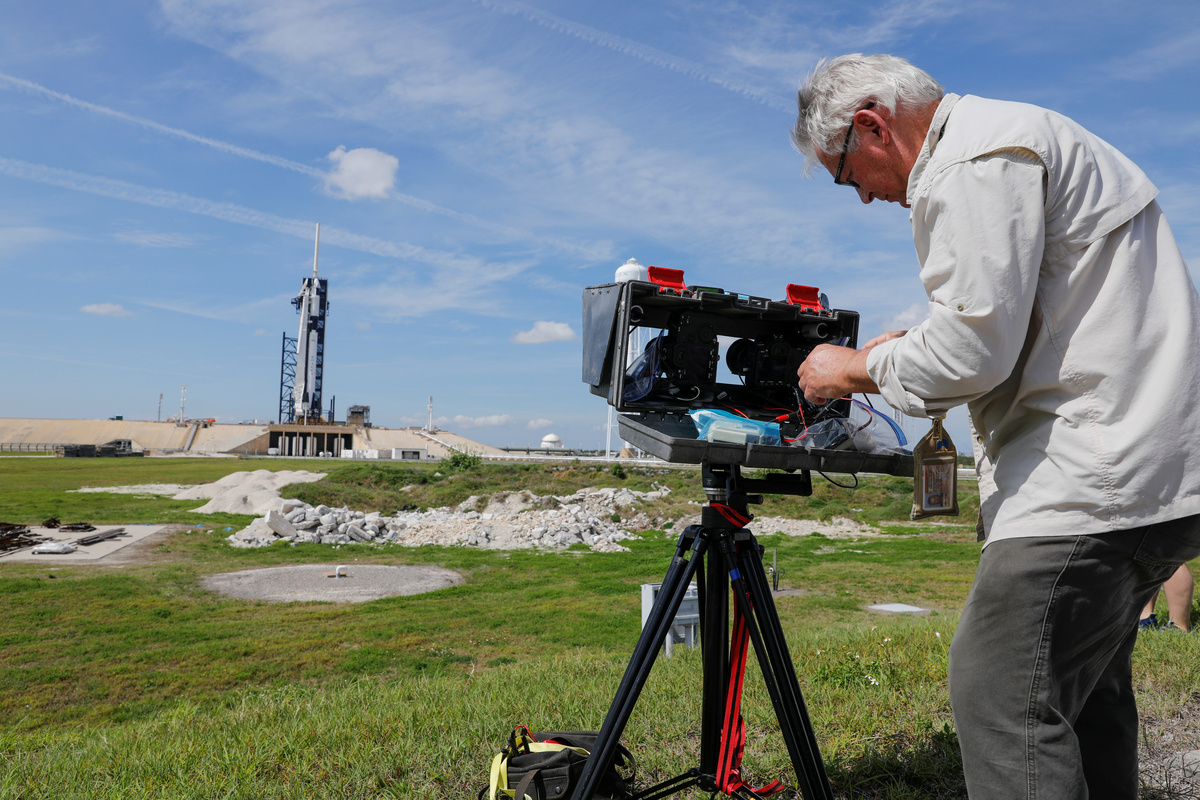
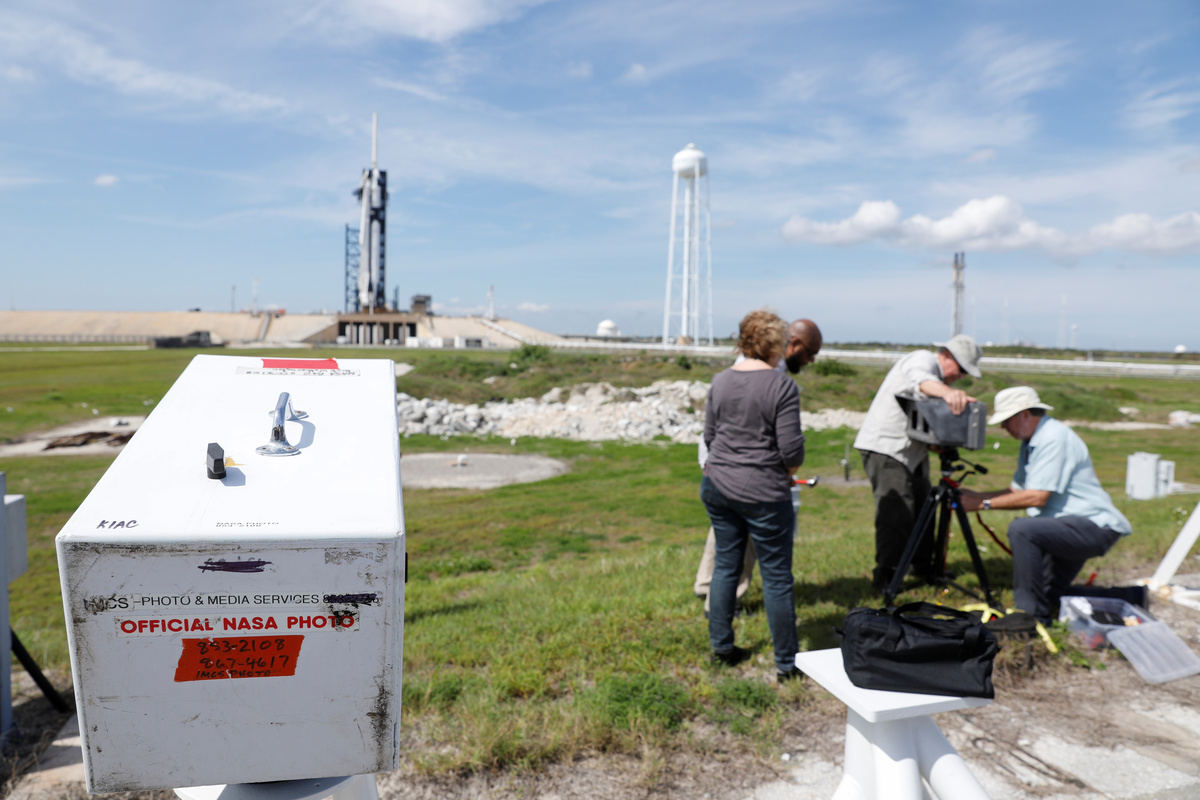
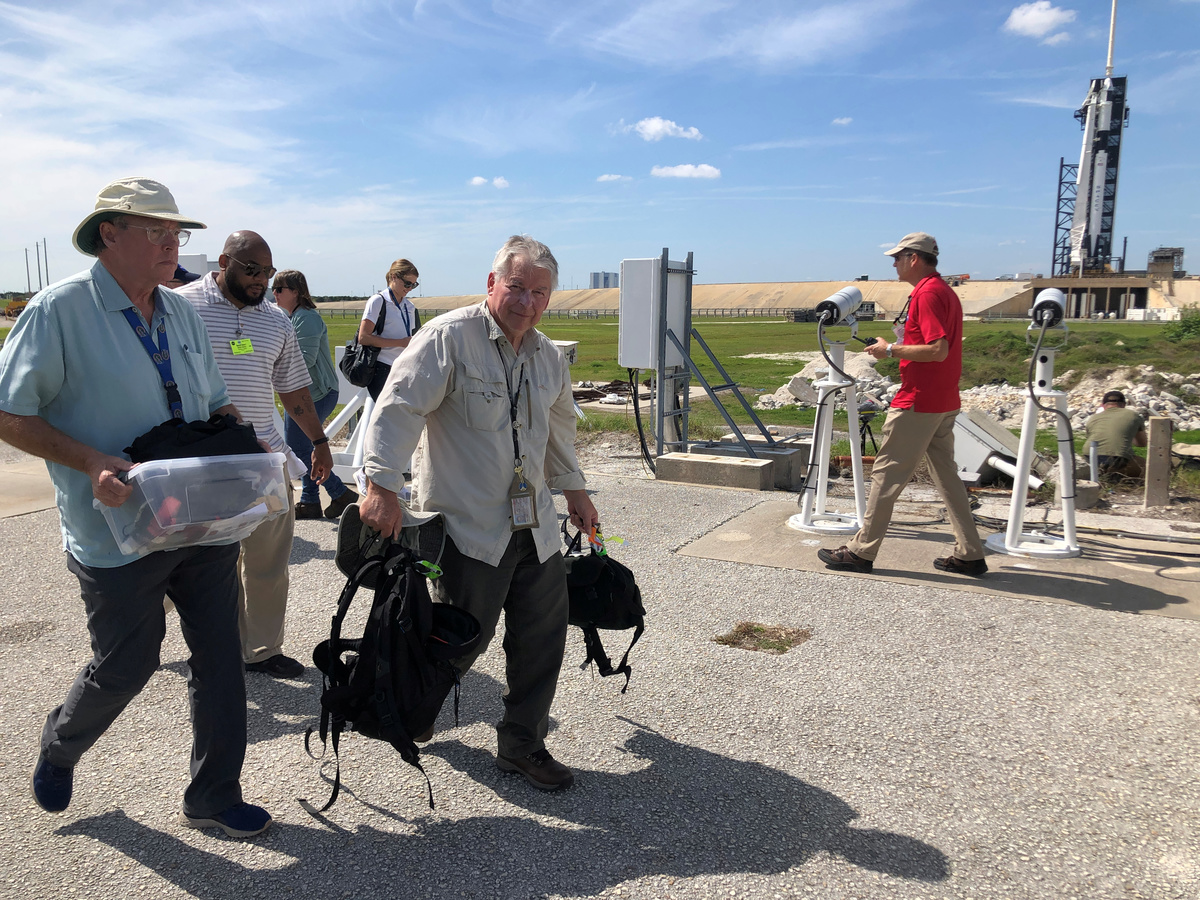
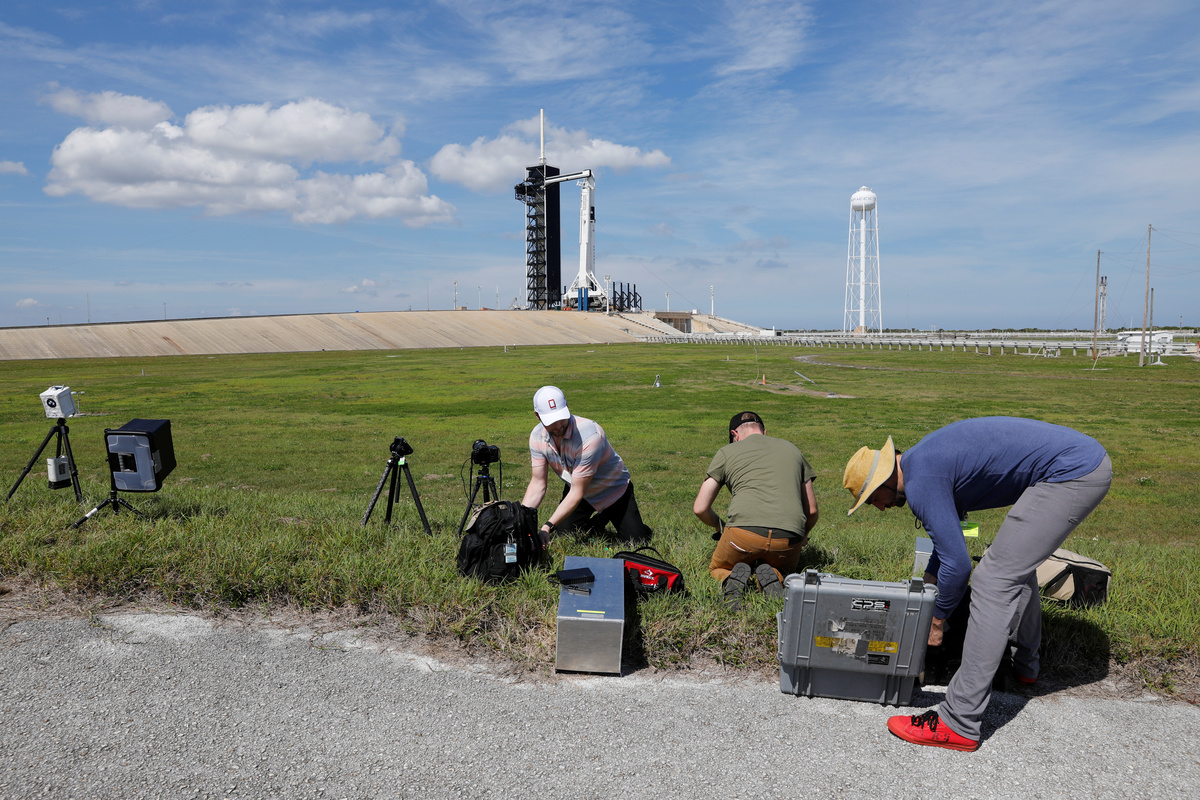
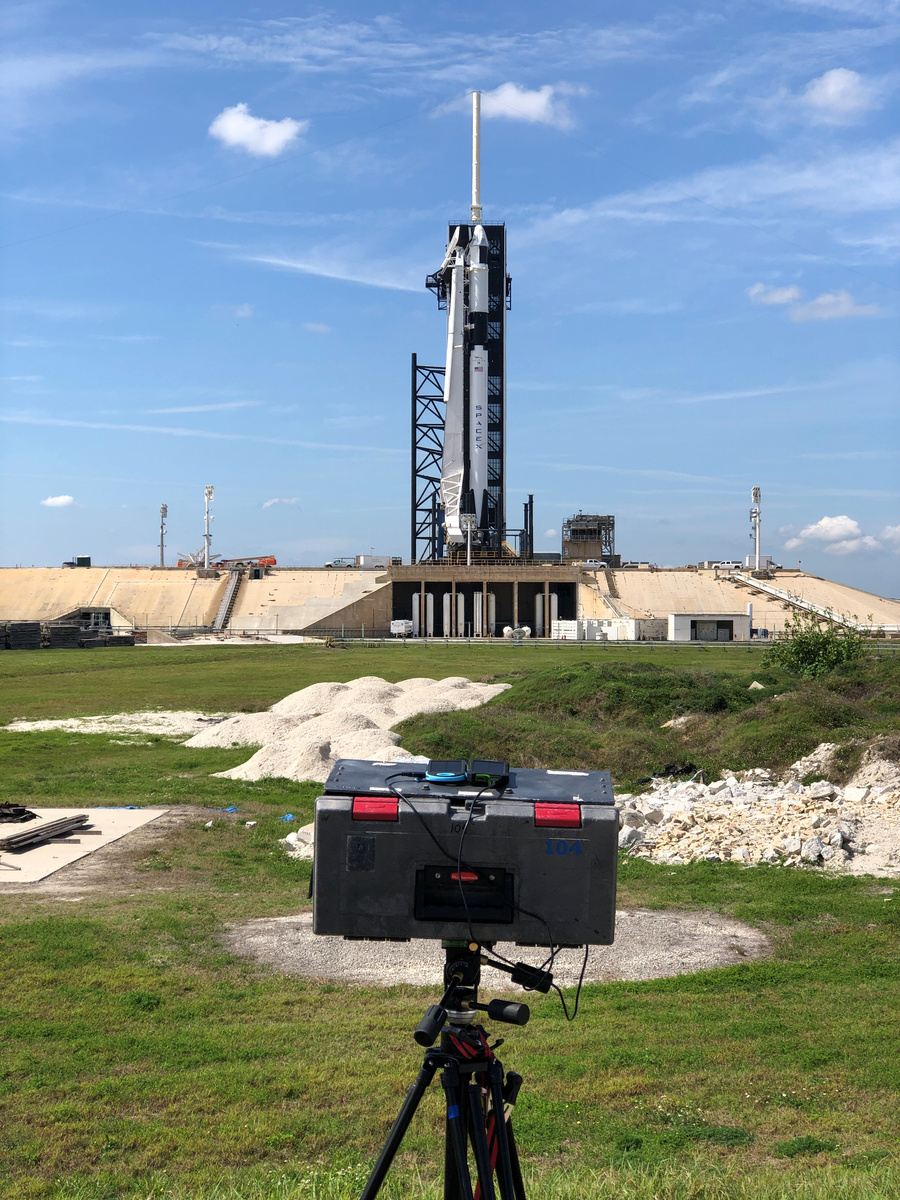
Photographer Joe Skipper sets up remote cameras near launch pad 39A prior to the uncrewed test flight to the International Space Station from the Kennedy Space Center in Cape Canaveral, Florida, U.S., March 1, 2019. Picture taken March 1, 2019. REUTERS/Mike Blake
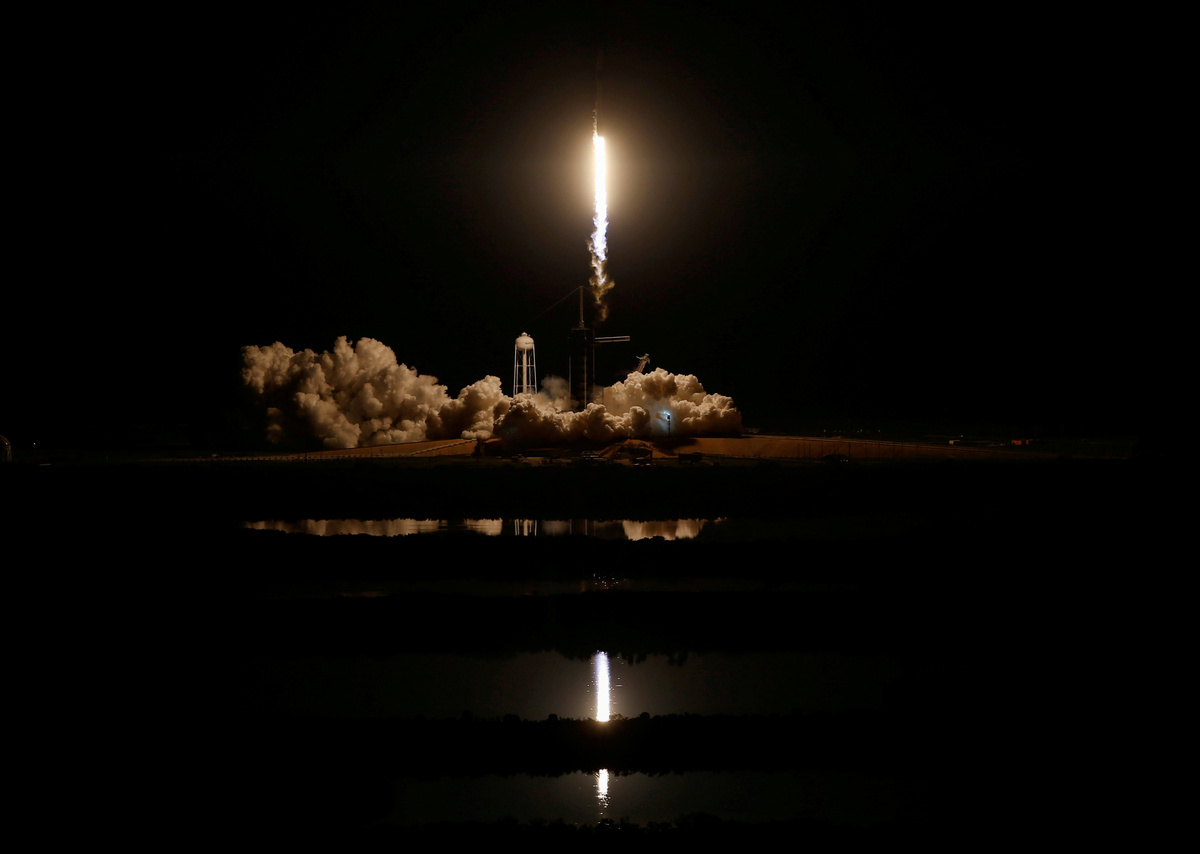
(Reuters) - “It’s a challenge to describe that noise,” says Reuters senior photographer Mike Blake, after witnessing his first rocket launch.
“It’s a sound of rippling energy. Reverberating, cracking. It’s something that stays with you.”
Blake worked with Joe Skipper, a veteran of more than 200 launches, to produce Reuters visual coverage of SpaceX out of Kennedy Space Center in Florida in March.
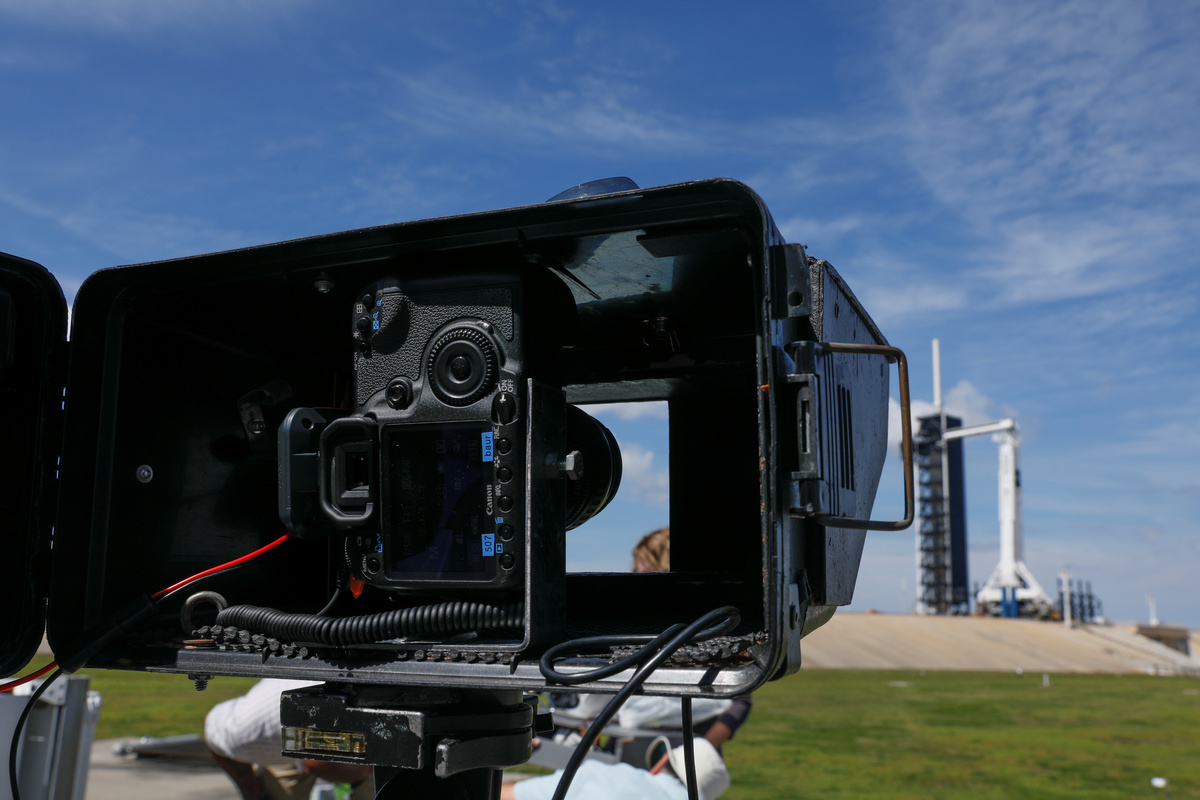
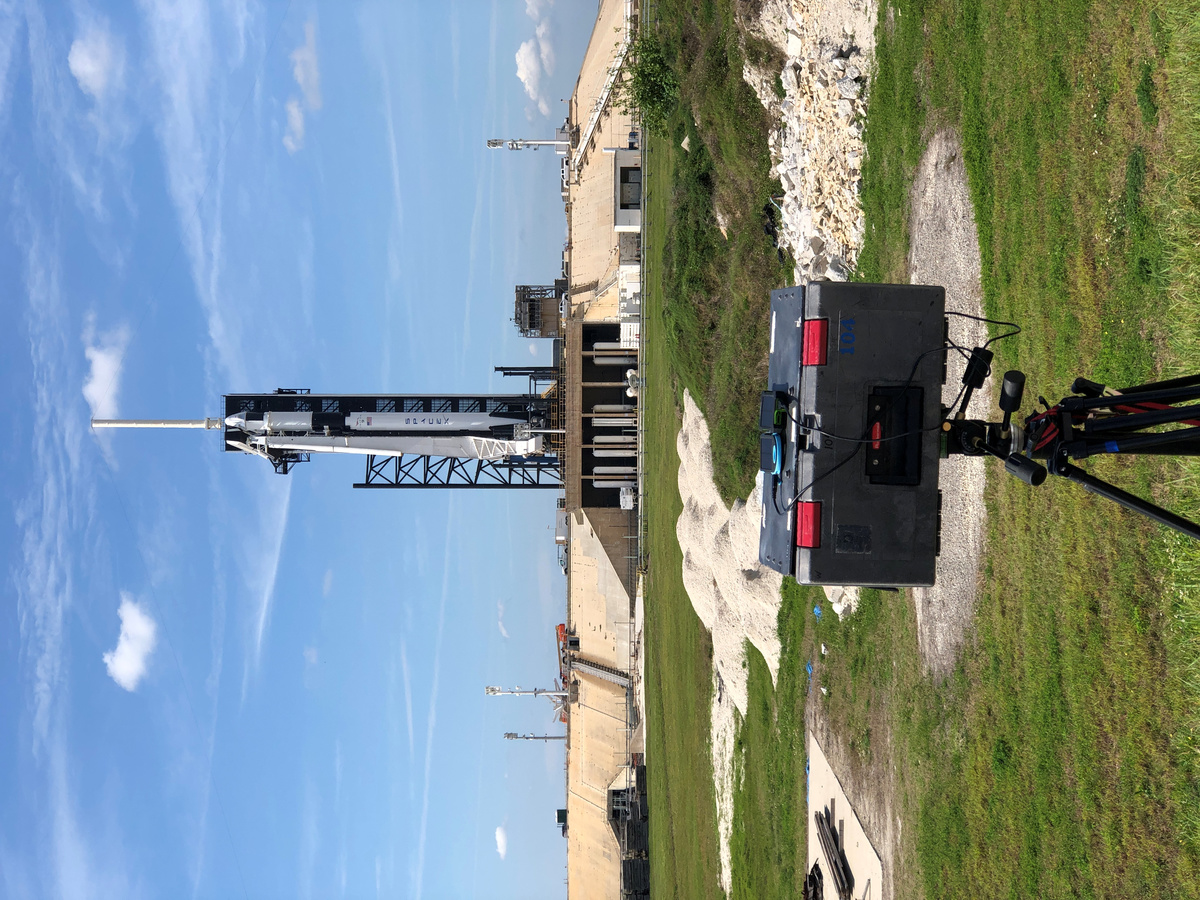
A remote camera is set up near launch pad 39A prior to the uncrewed test flight to the International Space Station from the Kennedy Space Center in Cape Canaveral, Florida, U.S., March 1, 2019. Picture taken March 1, 2019. REUTERS/Mike Blake
Apart from the visual thrill of a launch, readers want to know as much as possible about Elon Musk’s SpaceX, which resupplies the International Space Station and ultimately aims to put people on other planets.
Providing images is key to capturing the drama of a launch and whether it is successful, with hundreds of millions of dollars at stake.
See some recent Reuters space launch photographs and the story behind them : https://tmsnrt.rs/2VDgump
Photographer Joe Skipper sets up remote cameras near launch pad 39A prior to the uncrewed test flight to the International Space Station from the Kennedy Space Center in Cape Canaveral, Florida, U.S., March 1, 2019. Picture taken March 1, 2019. REUTERS/Mike Blake
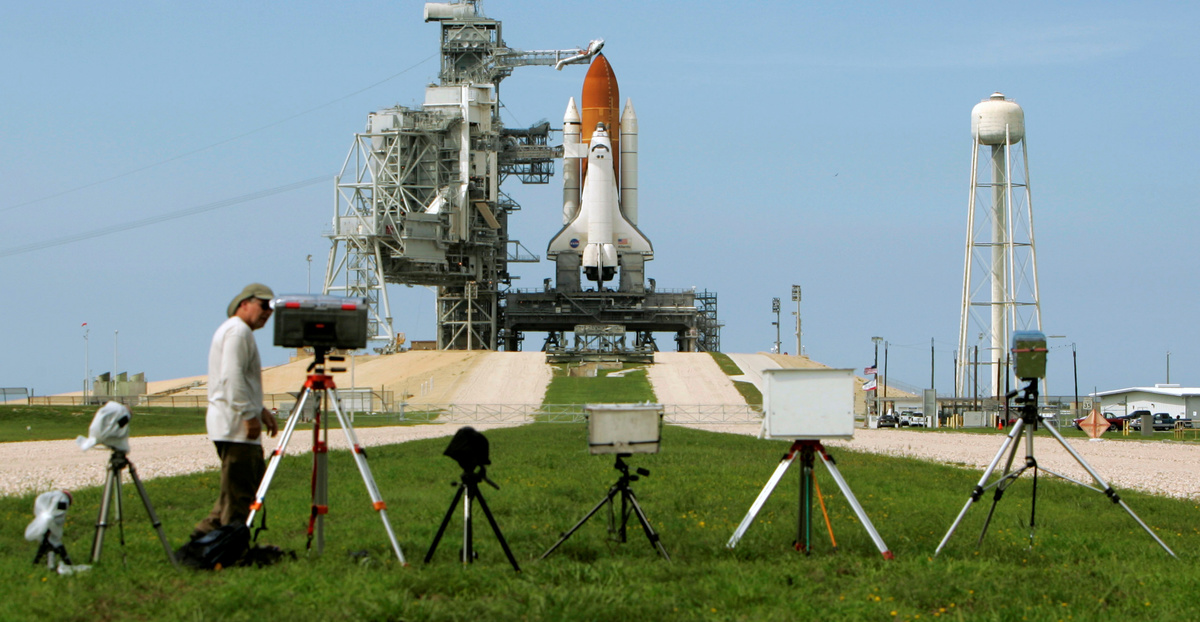
The next launch of the SpaceX Falcon 9 is scheduled for Friday, May 3. The day before a launch slated for coverage, Skipper will assemble three or more freelance and staff photographers to set up 10 automatic cameras and associated gear on the perimeter of the launchpad.
NASA, which has run the Kennedy Space Center from Apollo missions in the late 1960s through the Space Shuttle era, takes photographers to a few select spots nearby where they can set up remote cameras with a view of the rocket, which is as tall as a 23-story building.
The cameras are housed in boxes to protect them from the elements as they have to stand at the ready for eight hours or more, exposed to potentially drastic temperature and weather changes.
FILE PHOTO: A photographer looks at a remote controlled camera with space shuttle Atlantis sitting on pad 39B at the Kennedy Space Center in Cape Canaveral, Florida U.S., September 6, 2006. Picture taken September 6, 2006. REUTERS/Rick Wilking/File Photo
Inside the boxes, small electric fans blow on the camera lenses to prevent dew forming, which could result in blurry images. The Reuters crew adjusts focus, exposure, tests the automatic triggers and secures the tripods to the ground.
The cameras are connected to sound sensors and take shots automatically when something loud occurs, like a rocket with 1.7 million pounds of thrust launching nearby.
"Setting up cameras with triggers is not rocket science itself but having them sit there for up to 24 hours and keeping moisture off them and not having batteries fail is a little more complicated," says Blake.
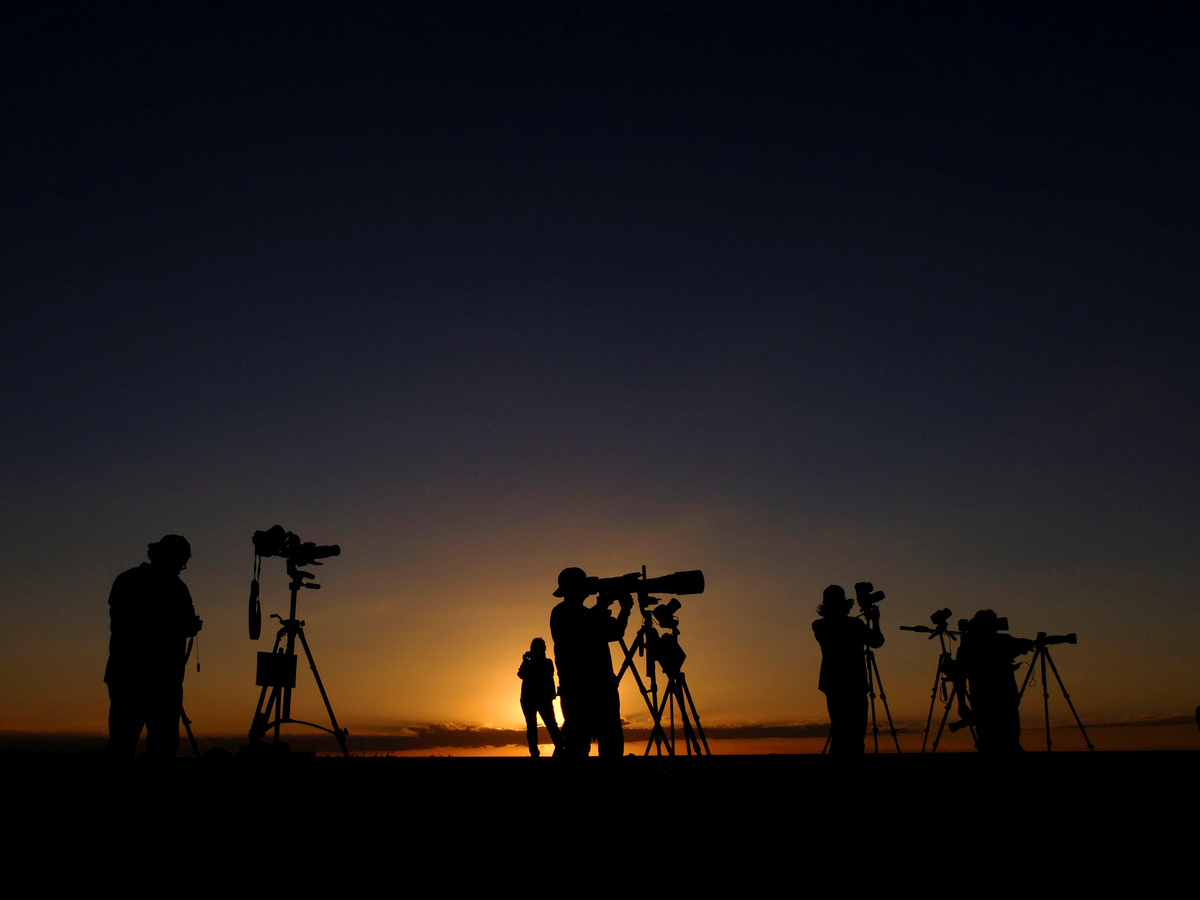
FILE PHOTO: Photographers line up at sunset to photograph the unmanned Falcon 9 rocket, carrying NOAA's Deep Space Climate Observatory Satellite, scheduled to be launched by SpaceX from launch complex 40 at the Cape Canaveral Air Force Station in Cape Canaveral, Florida, U.S.,February 8, 2015.Picture taken February 8, 2015. REUTERS/Scott Audette/File Photo
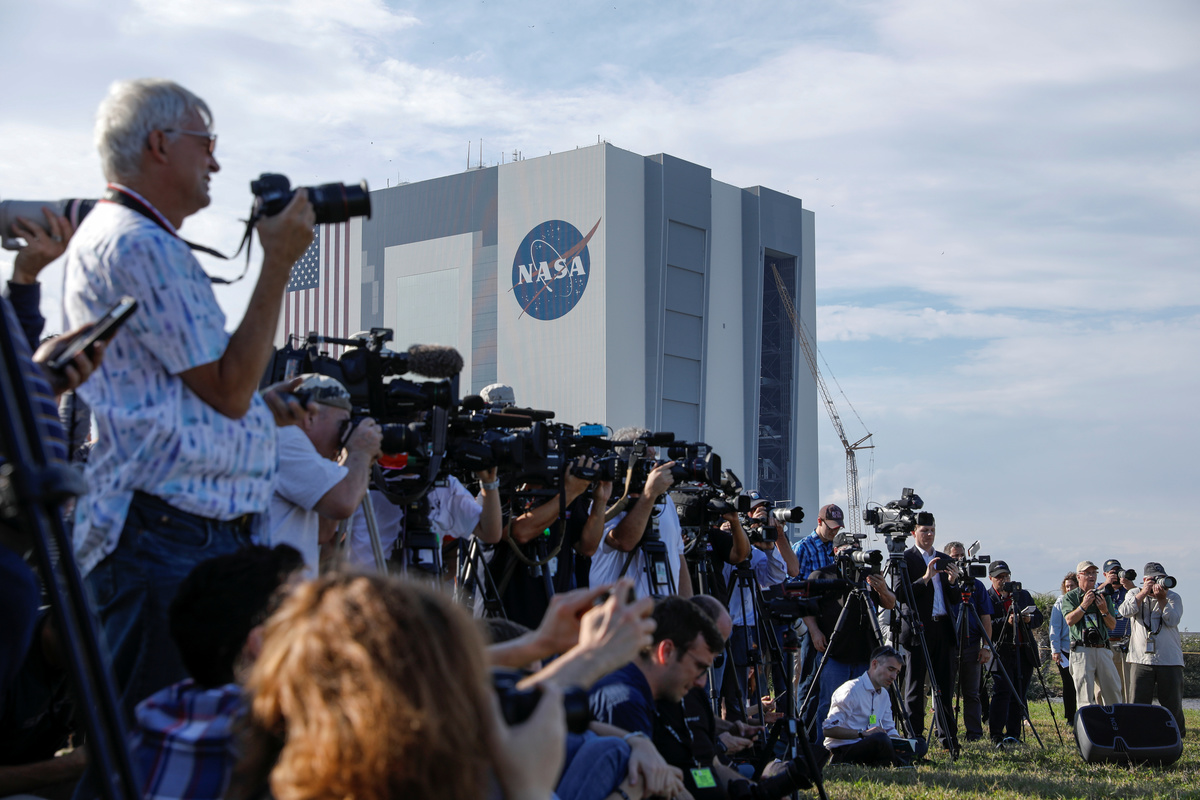
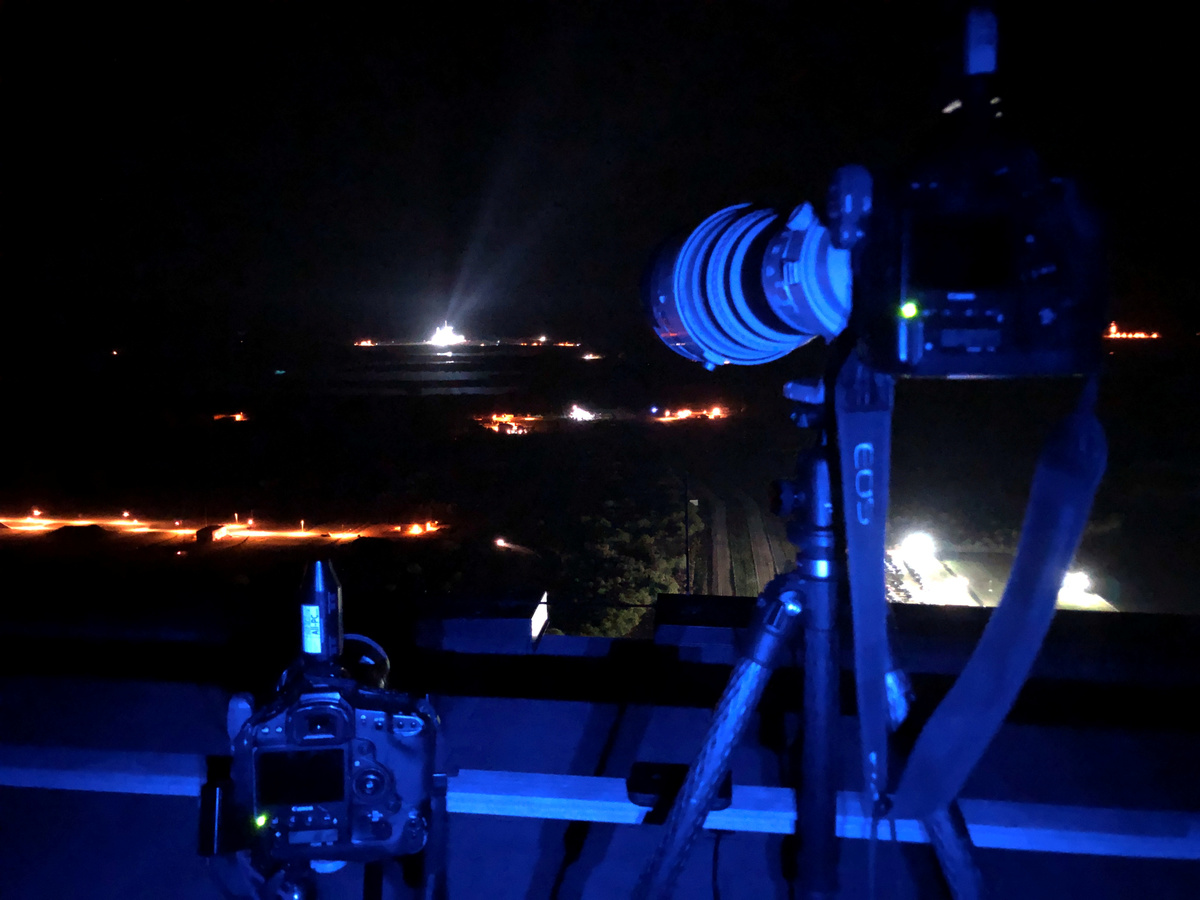
The media area to observe launches is about 3 miles (4.8 km) away. After setting up the remote cameras, photographers disperse to take up positions to get longer-range images.
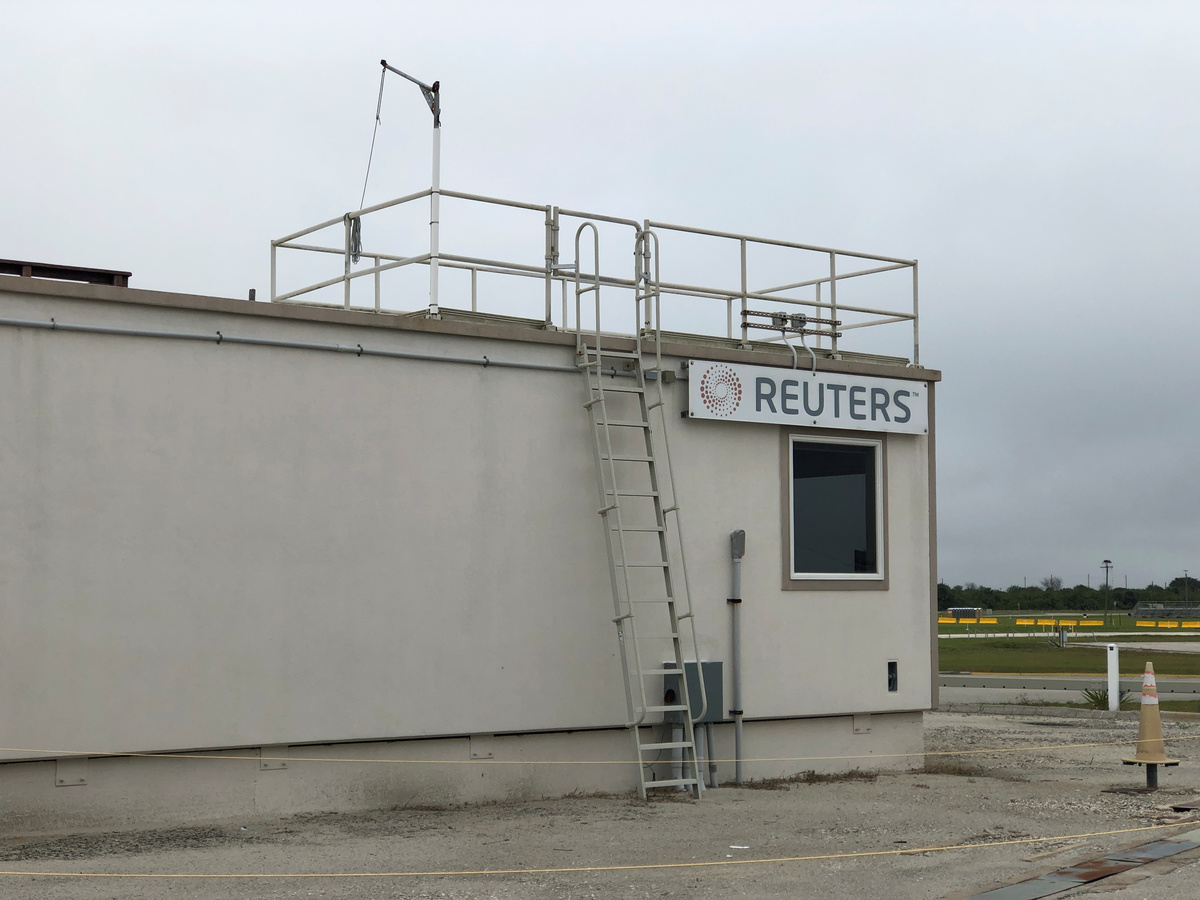
The top of NASA’s Vehicle Assembly Building gives a direct view of the launchpad across the low-lying wetlands. Another photographer will stand on top of the Reuters building in the media site.
The combination of close-up and long-range viewpoints is designed to produce a variety of shots.
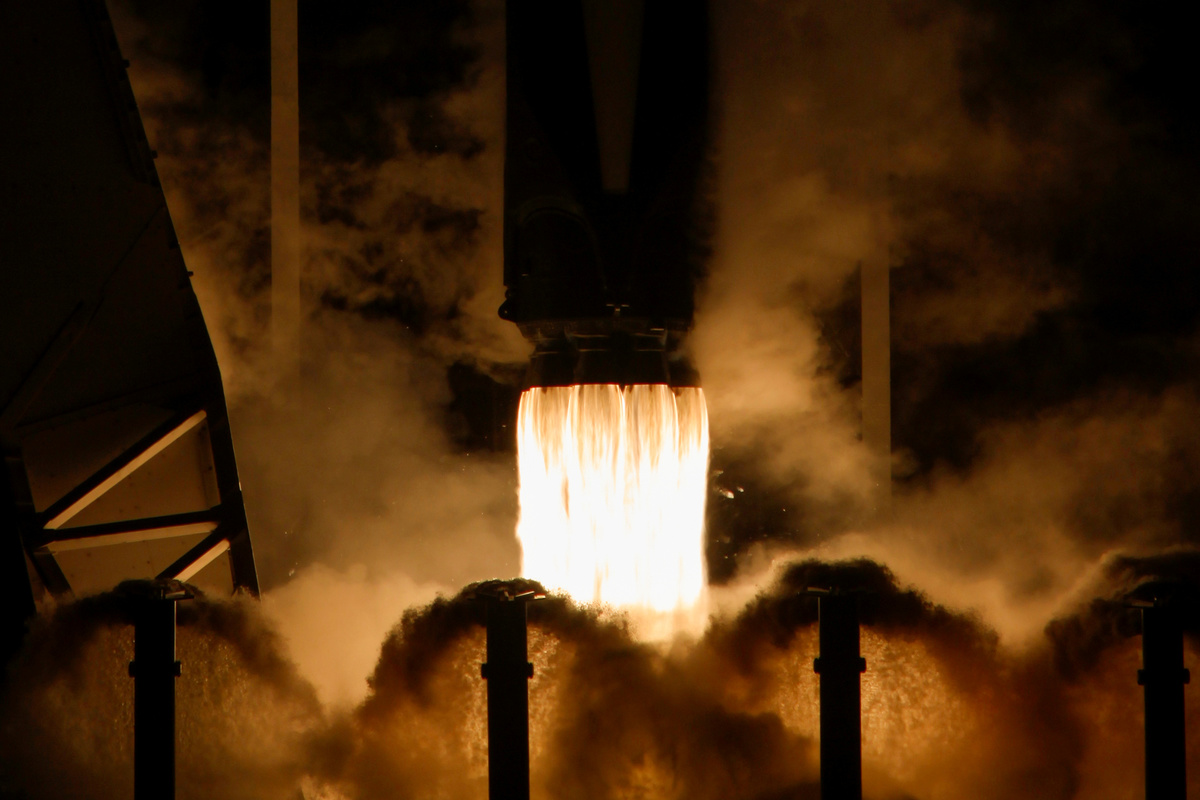
FILE PHOTO: A SpaceX Falcon 9 rocket, carrying the Crew Dragon spacecraft, lifts off on an uncrewed test flight to the International Space Station from the Kennedy Space Center in Cape Canaveral, Florida, U.S., March 2, 2019. REUTERS/Thom Baur/File Photo
“We’re there close-up in case something happens,” says Skipper.
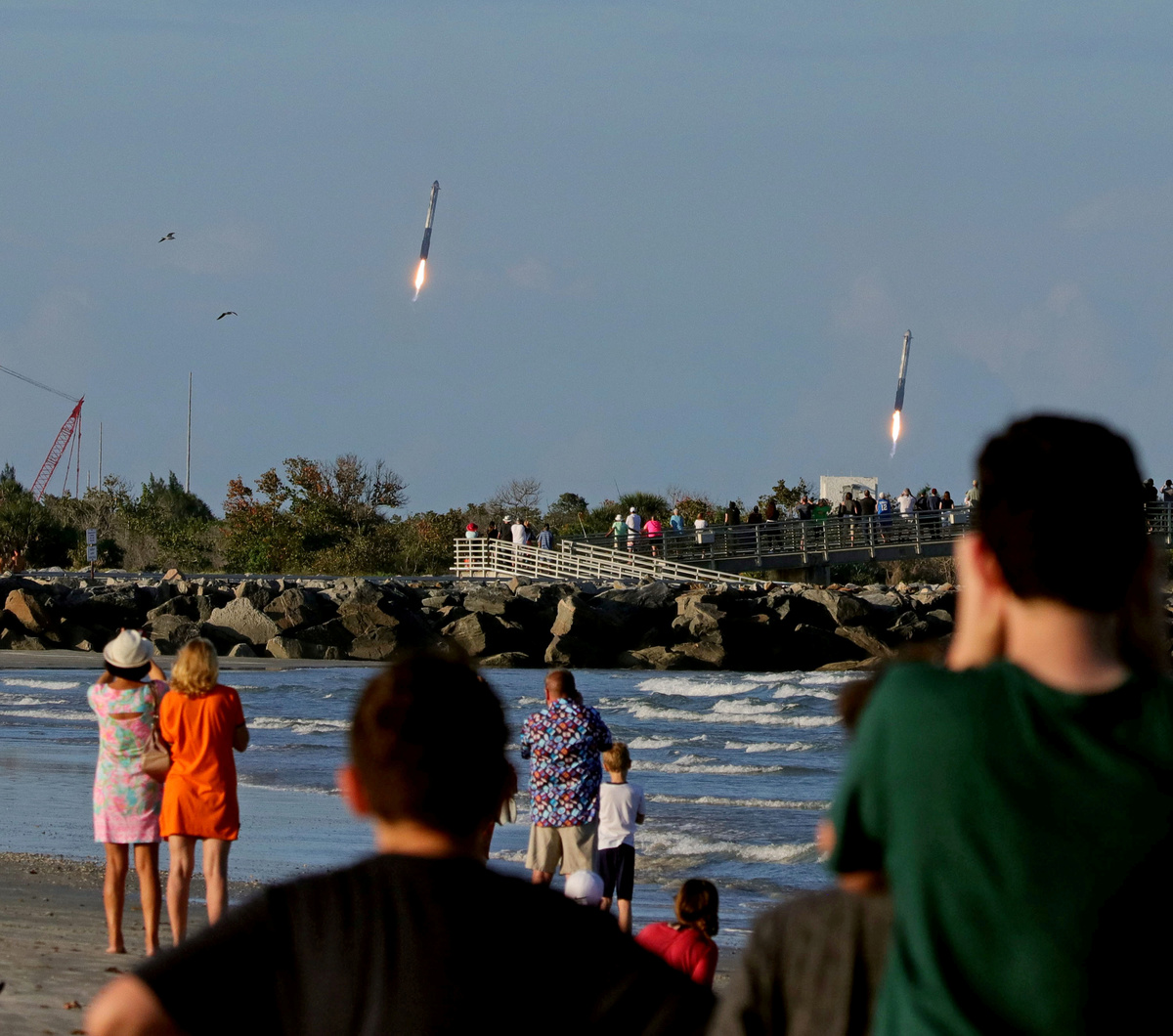
At the same time, it is important to capture the bigger picture. One Reuters shot of the launch in March, used by media outlets worldwide, showed the boosters returning to land from the vantage point of a beach, as birds fly past and a crowd of people watch, giving a wider perspective to the event.
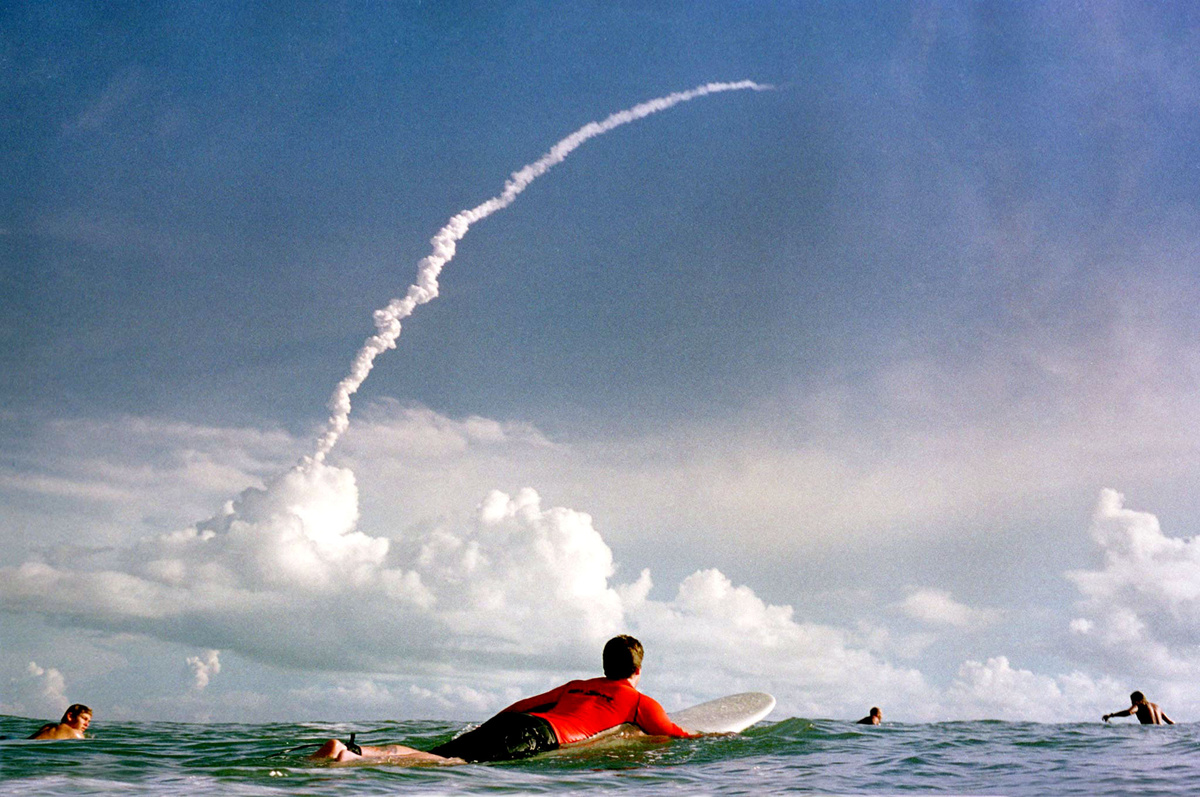
“That’s the one we wanted to do,” says Skipper, who researched locations from a previous launch and instructed one of his photographers to take up his position on the beach. Another Reuters shot from 2000 showed surfers watching the shuttle going up.
FILE PHOTO: Spectators watch from Jetty Park as booster rocket engines approach landing pads, after a SpaceX Falcon Heavy rocket, carrying the Arabsat 6A communications satellite, lifted off from the Kennedy Space Center in Cape Canaveral , Florida, U.S., April 11, 2019. REUTERS/Joe Rimkus Jr./File Photo
“That shows something a little different from what people think is going on,” says Skipper.
(Reporting by Travis Hartman; Editing by Bill Rigby)
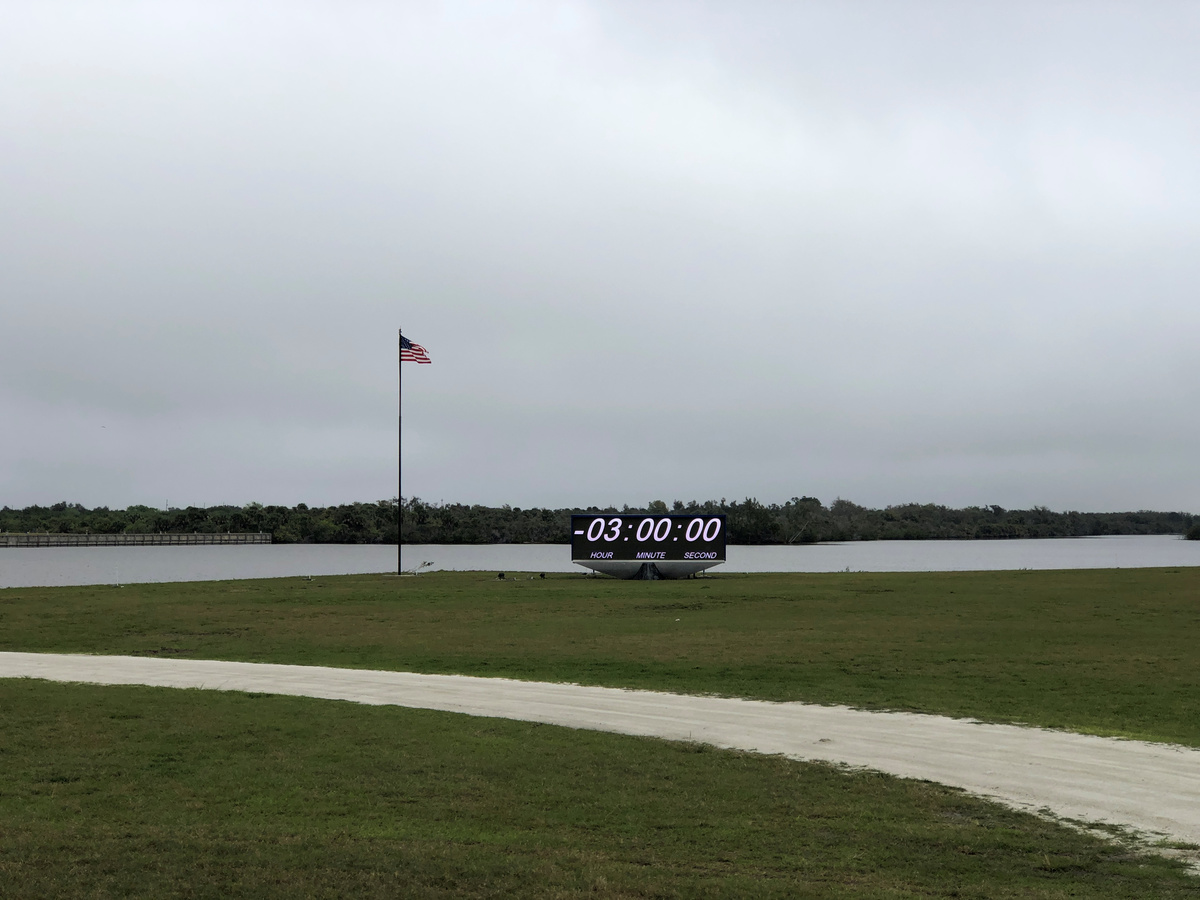
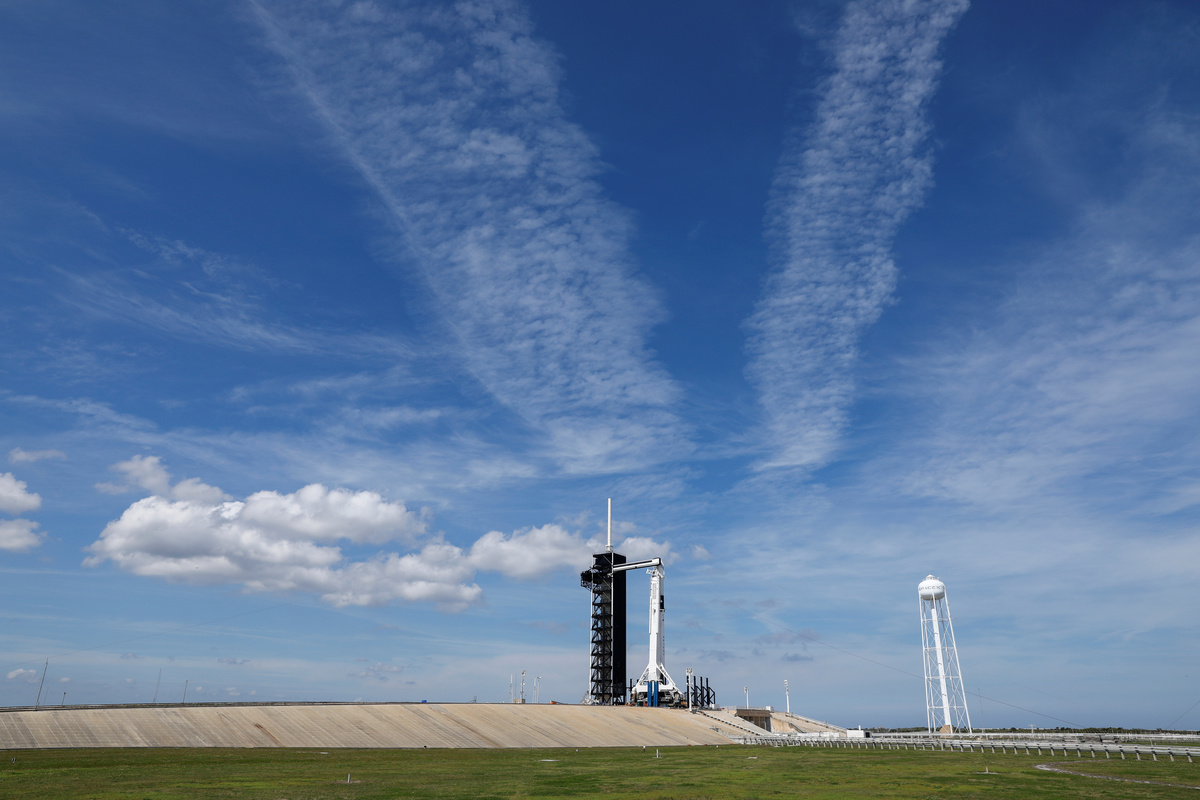
FILE PHOTO: Surfers watch the liftoff of the space shuttle Atlantis in the Atlantic Ocean near Cocoa Beach, Florida, U.S., September 8, 2000. REUTERS/Duffin McGee/File PhotoFILE PHOTO: A SpaceX Falcon 9 rocket, carrying the Crew Dragon spacecraft, lifts off on an uncrewed test flight to the International Space Station from the Kennedy Space Center in Cape Canaveral, Florida, U.S., March 2, 2019. REUTERS/Mike Blake/File PhotoMembers of the media gather for a news conference before the launch of a SpaceX Falcon 9 carrying the Crew Dragon spacecraft on the uncrewed test flight to the International Space Station from the Kennedy Space Center in Cape Canaveral, Florida, U.S., March 1, 2019. Picture taken March 1, 2019. REUTERS/Mike BlakePhotographers Joe Skipper and Thom Baur set-up remote cameras around the Crew Drago spacecraft as it sits on launch pad 39A before the uncrewed test flight to the International Space Station from the Kennedy Space Center in Cape Canaveral, Florida, U.S., March 1, 2019. Picture taken March 1, 2019. REUTERS/Mike BlakePhotographer Thom Baur installs a remote cameras around the Crew Drago spacecraft as it sits on launch pad 39A before the uncrewed test flight to the International Space Station from the Kennedy Space Center in Cape Canaveral, Florida, U.S., March 1, 2019. Picture taken March 1, 2019. REUTERS/Mike BlakePhotographers set up remote cameras around the Crew Drago spacecraft as it sits on launch pad 39A before the uncrewed test flight to the International Space Station from the Kennedy Space Center in Cape Canaveral, Florida, U.S., March 1, 2019. Picture taken March 1, 2019. REUTERS/Mike BlakePhotographers Joe Skipper and Thom Baur set-up remote cameras around the Crew Drago spacecraft as it sits on launch pad 39A before the uncrewed test flight to the International Space Station from the Kennedy Space Center in Cape Canaveral, Florida, U.S., March 1, 2019. Picture taken March 1, 2019. REUTERS/Mike BlakeCameras are set to record the early morning launch of the Crew Drago spacecraft from pad 39A during the uncrewed test flight to the International Space Station from the Kennedy Space Center in Cape Canaveral, Florida, U.S., March 2, 2019. Picture taken March 2, 2019. REUTERS/Mike BlakeA remote camera system is shown after it is installed near the Crew Drago spacecraft on launch pad 39A before the uncrewed test flight to the International Space Station from the Kennedy Space Center in Cape Canaveral, Florida, U.S., March 1, 2019. Picture taken March 1, 2019. REUTERS/Mike BlakeA countdown clock is seen at the Kennedy Space Center in Cape Canaveral, Florida, U.S., March 1, 2019. Picture taken March 1, 2019. REUTERS/Mike BlakeThe Reuters office building is seen at the Kennedy Space Center in Cape Canaveral, Florida, U.S., March 1, 2019. Picture taken March 1, 2019. REUTERS/Mike BlakePhotographers set-up remote cameras around the Crew Drago spacecraft as it sits on launch pad 39A before the uncrewed test flight to the International Space Station from the Kennedy Space Center in Cape Canaveral, Florida, U.S., March 1, 2019. Picture taken March 1, 2019. REUTERS/Mike BlakeA SpaceX Falcon 9 carrying the Crew Dragon spacecraft, sits on launch pad 39A before the uncrewed test flight to the International Space Station from the Kennedy Space Center in Cape Canaveral, Florida, U.S., March 1, 2019. Picture taken March 1, 2019. REUTERS/Mike BlakeA remote camera system is shown after it is installed near the Crew Drago spacecraft on launch pad 39A before the uncrewed test flight to the International Space Station from the Kennedy Space Center in Cape Canaveral, Florida, U.S., March 1, 2019. Picture taken March 1, 2019. REUTERS/Mike Blake
Sign up to read this article
Read news from 100’s of titles, curated specifically for you.