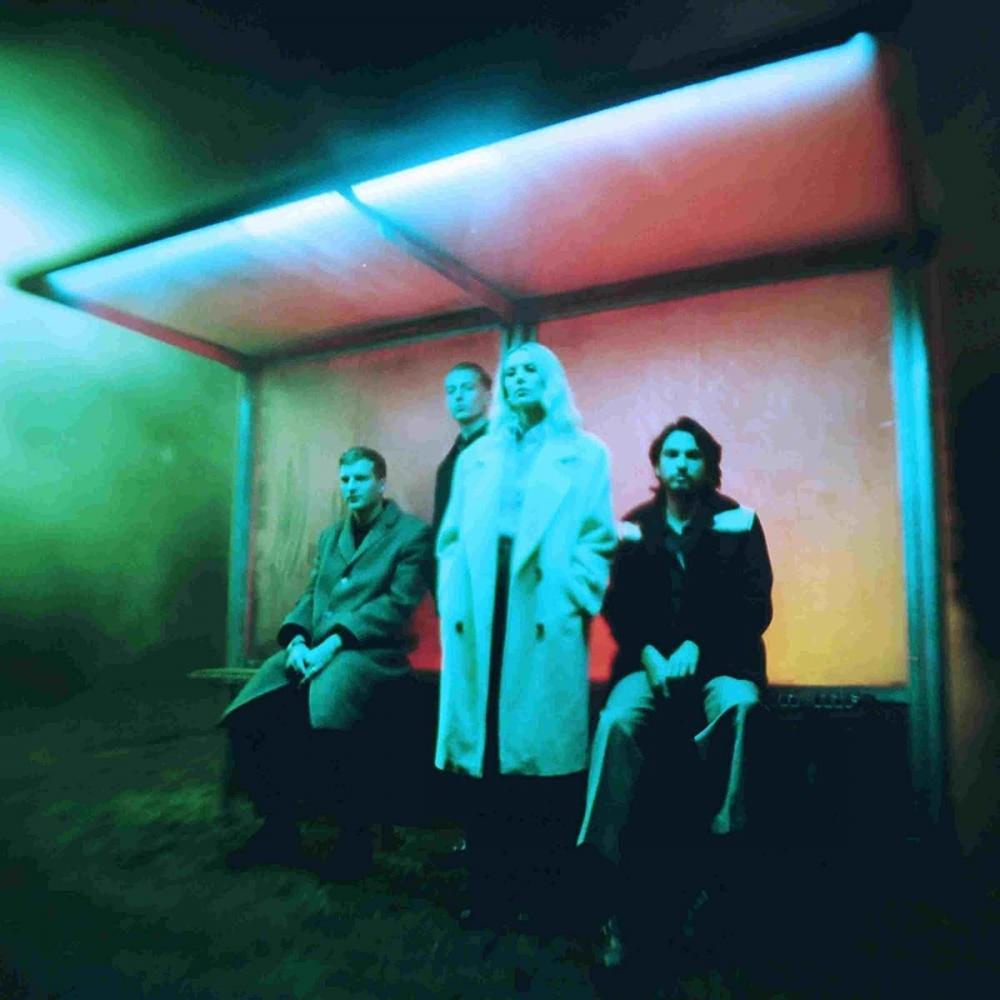
Although their third and long-awaited album Blue Weekend is finally out and getting rave reviews from critics and fans, UK alt-rock quartet Wolf Alice said it wasn't their plan to take four years to release a new record after Visions Of A Life in 2017 won the Mercury Prize.
The success of Visions Of A Life subsequently led the band -- Ellie Rowsell (vocals, guitar), Joff Oddie (guitar, vocals), Theo Ellis (bass) and Joel Amey (drums, vocals) -- to spend months on flights touring the continent with the likes of Foo Fighters, Queens Of The Stone Age and Liam Gallagher. For the new album, the plan was to come back in early 2020, however, as soon as Wolf Alice finished new material and demos for Blue Weekend and flew to Belgium to finish recording with renowned producer Markus Dravs (Arcade Fire, Björk, Brian Eno, Kings Of Leon) at Brussels' ICP studios in January last year, Covid-19 hit the Belgian capital just as the rest of the world and left the band and producer stuck in the studio for nearly five months.
But the lockdown turned out to be a good thing as the extra time allowed Wolf Alice to cement their friendship, refine their new sound and hone the essence of their third album. Just like their previous two records, Blue Weekend shows Wolf Alice's trademark in musical versatility and is the group's most grand and ambitious to date. We can hear that in the album's first single The Last Man On Earth, which is an emotionally-driven pop ballad, followed by Smile, a song that evokes nostalgia-laden 90s alternative rock vibes with Roswell's soaring vocals, the fuzzy guitars and orchestral power pop in Delicious Times, and the sugary folk-influenced track called Safe From Heartbreak that displays the band's skill at tackling various styles.
Wolf Alice is currently embarking on a new tour across 14 countries with 56 upcoming concerts. Their next tour date is at Reading Festival in England on Sunday and a few more dates in the UK before flying to the US in October. Life recently had an opportunity to chat with members of Wolf Alice over Zoom to discuss the process of approaching their comeback record, lyrical inspiration and more.
How does it feel that your third album is finally out there?
Ellis: It feels really exciting. It's also weird because we obviously weren't on tour and not playing any live shows for a long time. But now it feels really great to be back on the road again.
For those who still don't know, could you talk about the meaning behind your new album title?
Ellis: We got the name Blue Weekend when me, Ellie and Joel were in an Uber in Brussels, which is where we recorded the album. During that ride, we said that during the next 'blue weekend', we should go to this forest nearby because it was known for blue skies like we've got today in London. The name has stuck around since then. Joel kept saying he really liked the phrase blue weekend and felt it would be a cool album name. We also like the double meaning of blue which can mean being sad, happy or full of different emotions.
The Last Man On Earth is such a piano ballad. Why did the band decide to choose the track as the opener for the new record?
Amey: It's the type of that track that when we first heard it, we knew it was going to be special. It is also one of those songs that Ellie sent over as a demo that did not end up being too dissimilar to how it turned out on the album. Otherwise, a lot of songs start somewhere and end up somewhere completely different. But this was already kind of there from the beginning. I think we all had a big, emotional connection to it and knew that it was going to be a special song. We thought it would be really interesting for that song to be first because we were toying with the idea about going with Smile first or something else. However, we realised that if we went with something like Smile, people who already liked Wolf Alice would kind of go, 'Oh yeah, I've heard that kind of song before'. But something like The Last Man On Earth was something new and different. Hopefully, it brings in a new audience.
The track How Can I Make It OK? is a nice balance between a ballad and synth-pop. How did that song come to be?
Rowsell: For How Can I Make It OK?, we had a demo and we played it in our rehearsal room and instantly enjoyed it. So I knew that that was a good sign that it should be on the album. We never changed too much in terms of its structure. I think we lengthened it and did a bit more programming.
The new album has a variety of musical styles. What inspired the diversity as musicians and on the new album?
Amey: I think when it comes to recording songs, we've said we want to 'chase a feeling of how we want this song to make us feel' and that's gonna be different things for different songs. We have had so much music at our fingertips since our teenage years and have grown into different things. We're not particularly scared if someone suggests doing a song like No Hard Feelings just on a delayed bass. We also have a song like Smile where we're all sort of hammering our instruments. Both of those things interest us and everything on the record kind of has its own feel and its own kind of special moment.
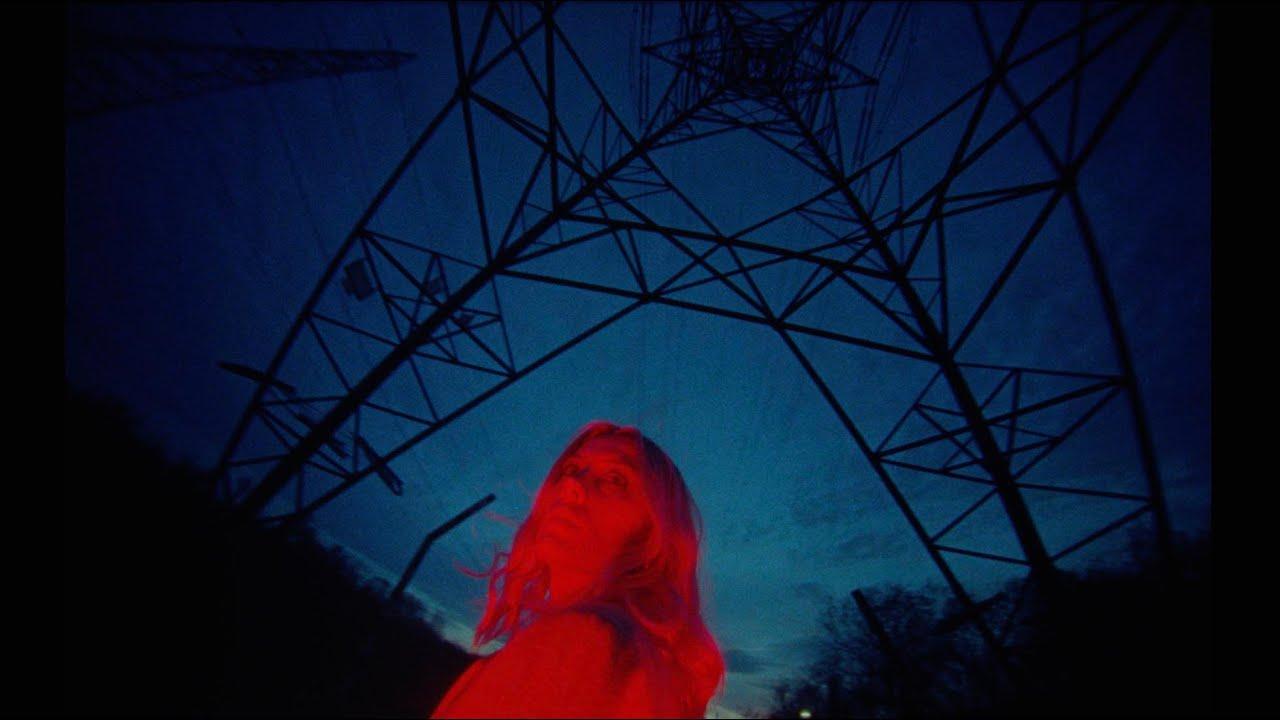
Besides the songs, the new album is also accompanied by a lot of music videos and also a short film too. Can you explain the concept of all the videos?
Ellis: Throughout lockdown, we were stuck. We were figuring out ways of conveying this album to people and presenting it to people. One of the things we were able to do was shoot music videos. We had a chat about our ideas and we ended up shooting 11 music videos or one for each song on the record and they became a sequential story or a loose narrative of Blue Weekend. It was directed by an amazing artist named Jordan Hemingway.
Many of your songs are known for their meaningful lyrics and are about relationships. People have their own memories that soon become attached to a song. I just want to ask about your relationship with your music and how it's changed through the process of writing, recording and putting it out to the world where everyone has their own opinion of what a song is about and what the story you're telling is.
Oddie: I think that's one of the great things about music. You could write something that's about one thing but means something completely different to somebody else. I remember there was a song when I was younger called Where The Humans Eat by Willy Mason. Back then, I thought it was the most beautiful song about being young and not knowing who you are. Later, I found out he actually wrote that song about his mum's cat [laughs].