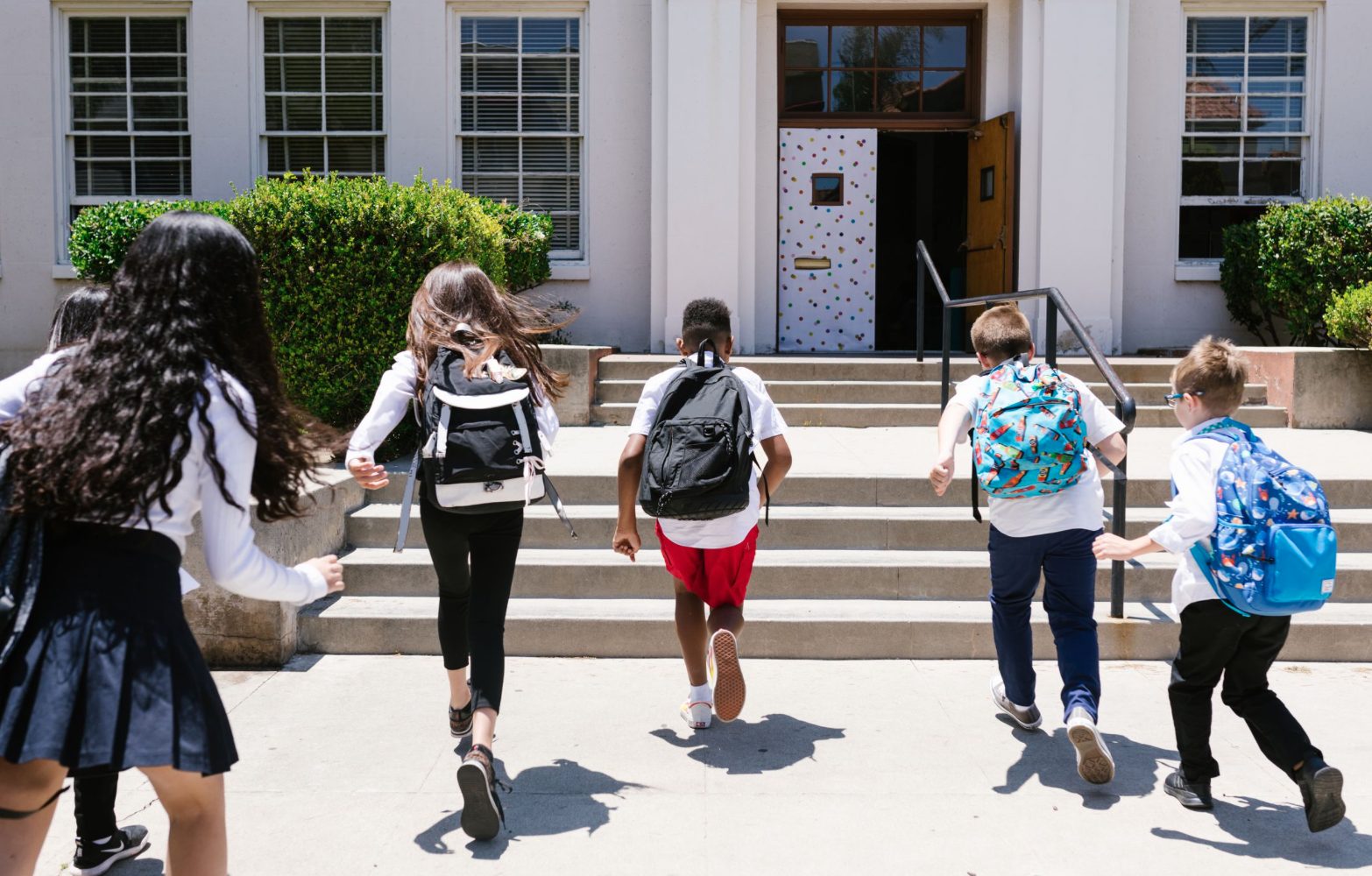
As summer winds down, many families think the biggest back-to-school purchases are already behind them. Then August arrives, and a wave of overlooked expenses begins piling onto the budget. While backpacks, notebooks, and lunchboxes usually make the shopping list, several hidden costs often catch parents off guard. According to the National Retail Federation, families with K-12 students are expected to spend an average of nearly $864 this back-to-school season, with electronics, clothing, shoes, and supplies driving much of the increase.
Classroom Requests Keep Growing After School Starts
Many parents assume the school supply list is final, but teachers frequently request additional materials once classes begin. Items like tissues, hand sanitizer, printer paper, art supplies, headphones, or specialty notebooks often appear during the first few weeks of school. In classrooms with limited budgets, teachers sometimes ask families to replenish shared supplies throughout the year. A parent who budgeted $150 for supplies may easily spend another $50 to $100 before September ends. Planning for these follow-up requests can prevent an unpleasant surprise.
Technology Costs Go Beyond Buying a Laptop
Technology has become one of the largest back-to-school costs for many families. Even if a child already owns a laptop or tablet, parents may still need to purchase headphones, chargers, software subscriptions, calculators, printer ink, or protective cases. Some schools also recommend backup batteries or cloud storage for assignments. The National Retail Federation reports that electronics remain the largest spending category for many families, reflecting how essential digital learning has become. Budgeting for accessories is just as important as budgeting for the device itself.
Activity Fees Add Up Faster Than Expected
School registration often doesn’t include every expense students will face during the year. Sports participation fees, band uniforms, field trips, club memberships, yearbooks, parking permits, and fundraising commitments frequently arrive weeks after classes begin. Families with multiple children can quickly find themselves paying several hundred dollars beyond their original budget. Even public schools often charge optional fees that become difficult to avoid once children become involved. Setting aside a separate activities fund before August can make these costs much easier to handle.
Clothing Isn’t Finished After the First Shopping Trip
Many parents buy new clothes before school starts, only to discover their child still needs additional items later. Dress code requirements, seasonal weather changes, growth spurts, and worn-out shoes can all lead to unexpected purchases. Teenagers may also need specific clothing for athletics, science labs, or school performances. Retail experts note that many families intentionally buy only essential items at first and return later for additional purchases as needs become clearer. Leaving room in the clothing budget helps reduce financial stress.
Lunches, Transportation, and Everyday Extras Stretch the Budget
Some of the biggest forgotten back-to-school costs aren’t purchased in stores at all. School lunches, after-school snacks, increased grocery bills, fuel for daily drop-offs, parking fees, and childcare during early dismissal days quietly add up over time. Families also spend more replacing reusable water bottles, lunch containers, and other everyday items that wear out during the school year. Recent surveys show many parents continue making back-to-school purchases well after classes begin, with more than half spending at least another $250 after the first day of school. Tracking these ongoing expenses helps families avoid overspending.
The Smartest Way to Prepare for Hidden Back-to-School Costs
The easiest way to reduce financial stress is to expect these hidden back-to-school costs before they happen. Instead of spending every dollar before school begins, consider reserving 15% to 20% of your budget for August and September surprises. Shopping during major summer sales, comparing prices online, reusing supplies when possible, and involving children in budgeting decisions can also help stretch every dollar. Financial experts recommend focusing first on necessities rather than trends or brand-name items that often increase spending without adding real value. A little flexibility in your budget today can prevent relying on credit cards later in the school year.
Budgeting Today Can Save Stress Tomorrow
Hidden back-to-school costs often create more financial pressure than the supplies parents plan for months in advance. Building a realistic budget that includes classroom requests, technology, activities, clothing, and daily expenses can help families stay ahead. Every household will face different priorities, but planning for the unexpected makes the school year less stressful.
Which hidden school expense has surprised your family the most? Share your experience and budgeting tips in the comments to help other parents prepare.
What to Read Next
10 Places Parents Can Find Free School Supplies Before Classes Begin
Teachers Beg Parents: Stop Buying These 7 Expensive School Supplies
Here’s Why School Supplies Continue to Cost More and More Every Year
The post Back-to-School Costs Are Climbing Again: Which Expenses Do Parents Forget Until August? appeared first on Kids Ain't Cheap.