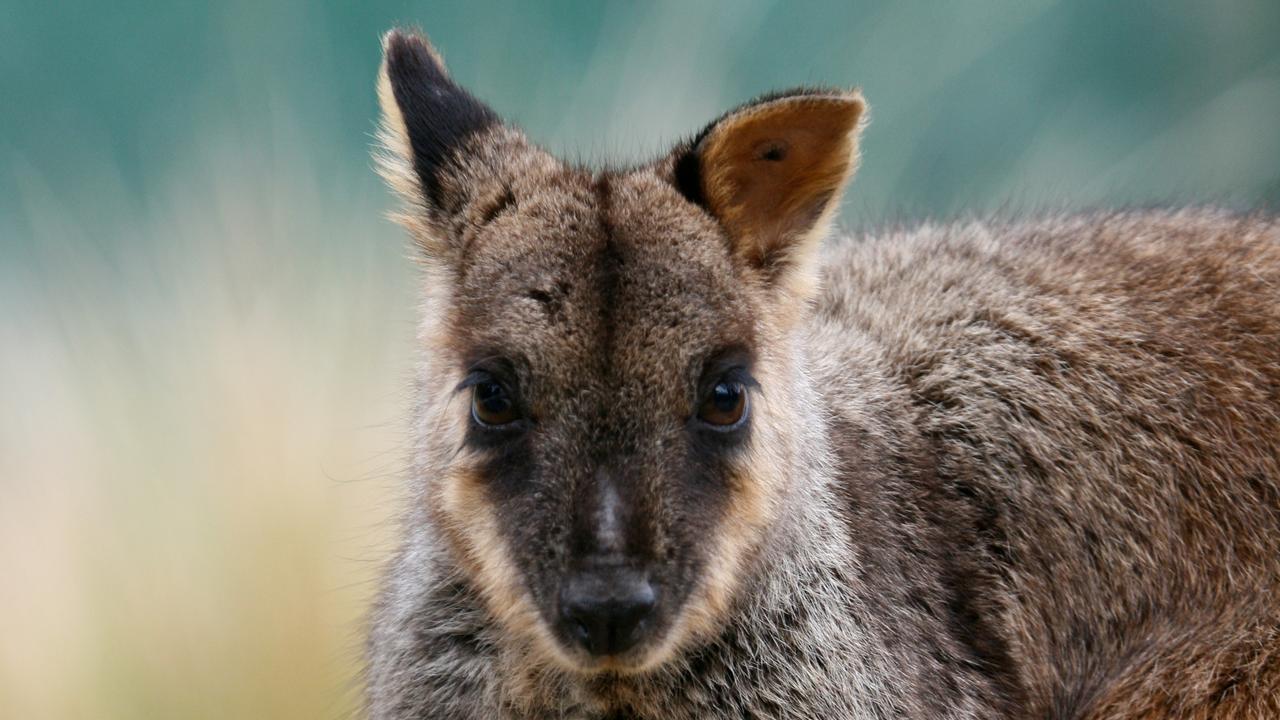
Bushfires in 2025 razed much of the habitat of one of few remaining brush-tailed rock wallaby colonies.
While the marsupials in the Grampians National Park were able to cower safely in their rocky caves, the blaze left behind little foliage to chew on.
For months, park staff were feeding the colony so they would not be left vulnerable to predators while searching for food in the charred open landscape.
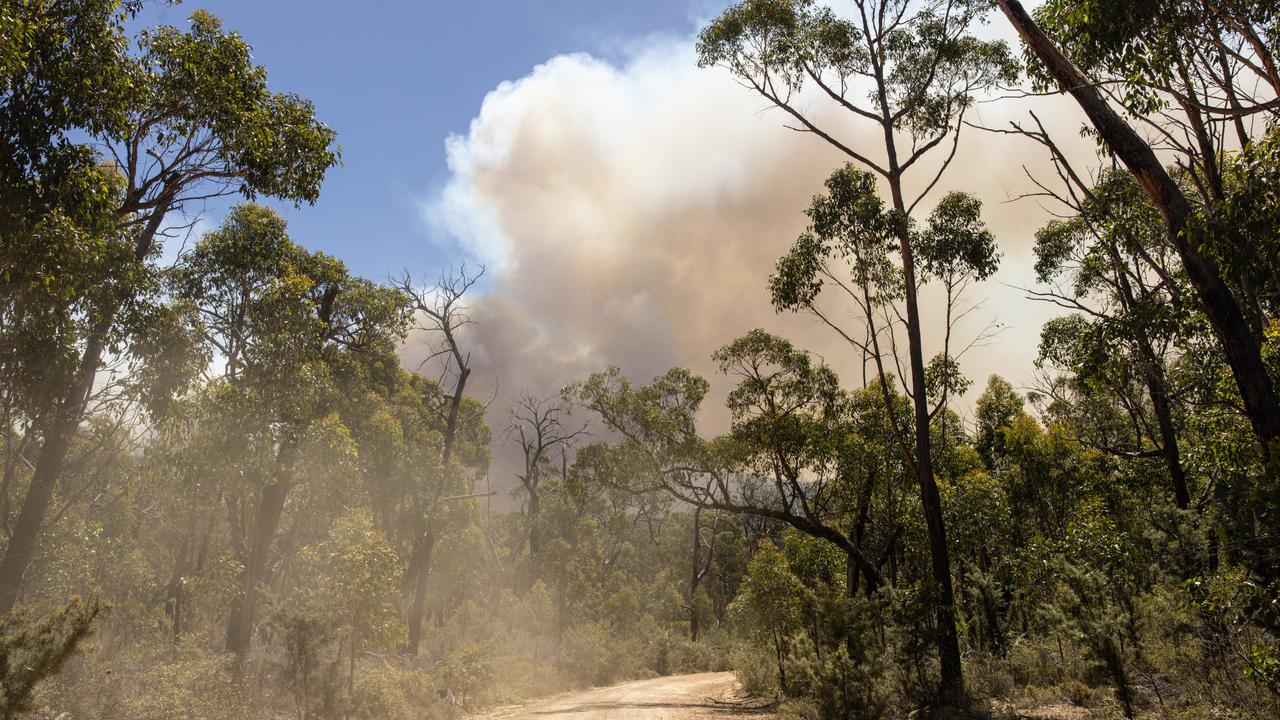
University of Adelaide's David Taggart, an expert in brush-tailed rock wallabies, says foxes are the main threat to the species, which is vulnerable nationwide and among Victoria's most endangered mammals, with as few as 50 in the state's wilderness.
Foxes might be the wallaby's biggest foe but climate change is making it harder for them to escape predation.
As well as fuelling more frequent and intense fires that destroy food and cover, longer and more frequent droughts send the marsupials venturing higher in search of vegetation and water, making them easier prey.
"The foxes will be the killer, but the animals moving away from their safe refuge areas will lead to increased death," Dr Taggart told AAP.
Better predator management is at the top of his list for future conservation efforts.
Dr Taggart said aerial baiting - used in other states but not Victoria - was more effective than poisoned baits laid by hand, and despite concerns, was unlikely to harm native animals.
A better understanding of how climate change influenced habitats would help conservationists pick the best spots to reintroduce the species, he said, with new populations key to improving genetic diversity and resilience.
After the discovery of critically low numbers - as few as 25 - in the East Gippsland area several years ago, a captive breeding program was established at the Healesville Sanctuary.
Numbers were boosted quickly by using a novel technique of putting the young of the brush-tailed wallabies into the pouches of other species.
The young were coming from a handful of adults, however, and there were few wild animals left to bring into captivity.
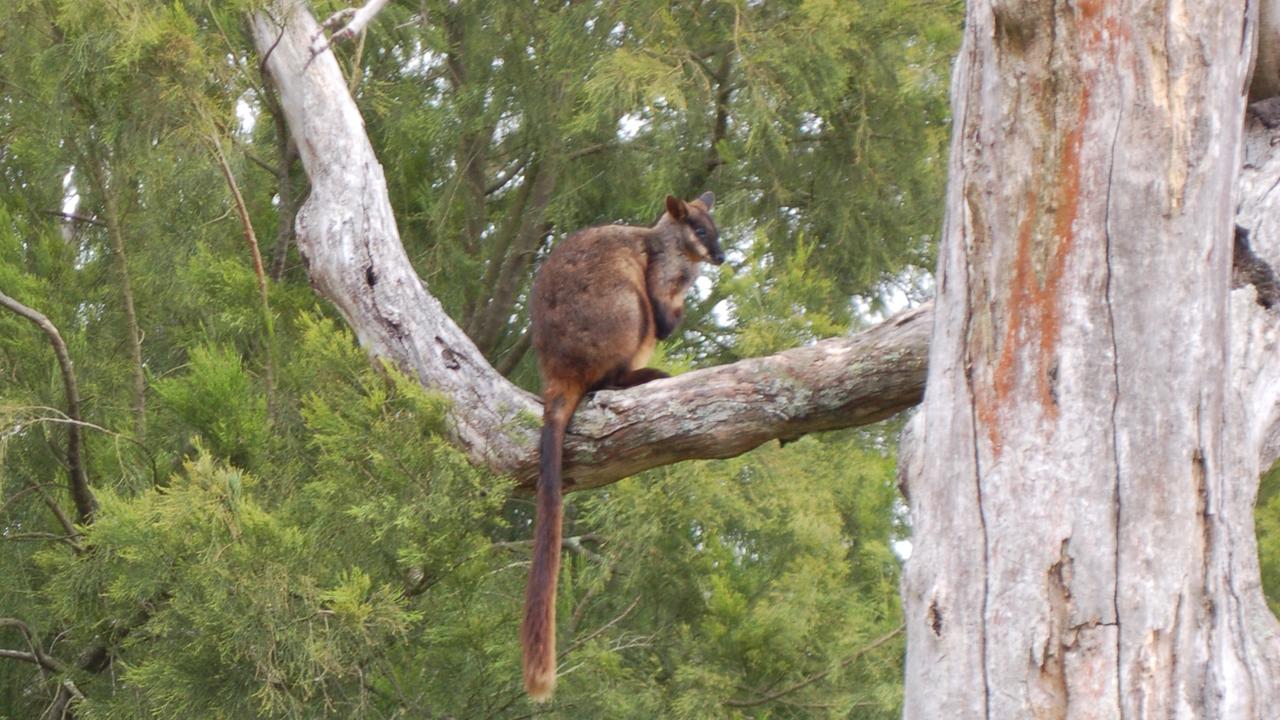
The solution was trapping wild animals, carefully removing the young from pouches, and transporting them long distances in an incubator for a surrogate mother to raise.
Genetic diversity of the captive population improved and the breeding of the wild population accelerated, Dr Taggart said.
Once numbers recovered from critically low levels, the next step was reintroducing them into the Grampians.
Now, the researcher said Victorian populations were not out of the woods but "holding on", with plans for another reintroduction into the park in the next few years.