Baby turtles are more likely to consume plastic waste polluting the ocean than adults because of their eating habits, an international team of researchers has found.
An 18-month study has found hatchlings and juvenile turtles often inadvertently ingest microplastics they mistake for food, which can lead to malnutrition, internal injuries and suffocation.
More than 120 turtles from around the world — that had been stranded or accidentally caught in fishing nets — were examined as part of the study by researchers from universities in Australia and the United Kingdom.
Mark Hamann, professor of marine biology at James Cook University in Townsville, said the collaborative study found young turtles were more likely than older turtles to ingest microplastics while travelling through waters such as the East Australian Current.
"Once they head off from the nesting beach in Australia, they move quickly out into these off-shore oceanic currents," he said.
"When they're in those currents, they're eating whatever they can … whatever looks and smells like food.
One turtle found in the Pacific Ocean had ingested 144 pieces of plastic.
"These are really small turtles, smaller than the ones that people would be familiar with seeing snorkelling or diving off the reef," Professor Hamann said.
The study, published in Frontiers in Marine Science, means plastic ingestion and entanglement has now been documented for every species of marine turtle.
Evolutionary trap
The marine researchers found post-hatchling turtles had adapted to enter the oceanic zone or shallow coastal waters where they fed opportunistically on a range of organisms.
"Normally, these habitats are ideal for their development, but the rapid introduction of plastic debris among their natural food items has made the environments risky," Professor Hamann said.
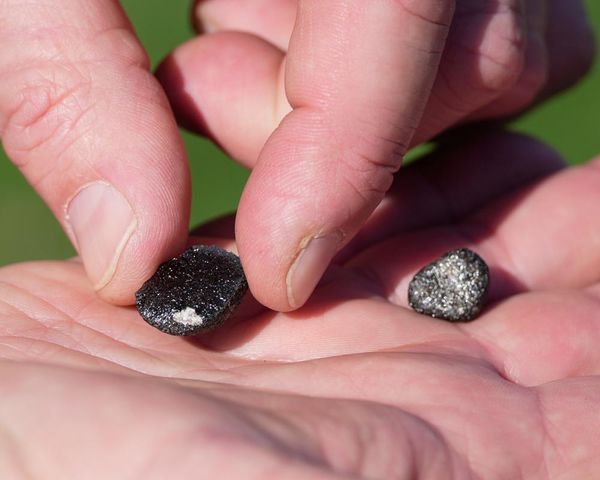
He said turtles were not consuming whole items like plastic bottles or bags but very small pieces of plastic.
"They break down in the environment, through UV exposure or getting tossed about in waves, and the turtles are eating these fragments," he said.
But those small pieces of pollution can cause major damage for young turtles.
Turtles can suffer malnutrition or suffocate from internal lacerations caused by ingesting plastic.
Professor Hamann said the best way to protect marine life was to prevent the waste from reaching the ocean in the first place.
"We can clean our beaches and we can design systems to clean plastics out of the ocean but they're time consuming and very expensive.
"Reducing the amount of plastic that gets into the environment — that's going to be the key."
The research team included staff from Deakin University in Geelong, Murdoch University in Perth, the University of Exeter in the UK, as well as experts from several marine biology authorities.