If there are reasons that keep mothers from breastfeeding, the Covid-19 pandemic shouldn't be one of them. This Mother's Day, mothers are encouraged to continue to breastfeed while taking precautions.
"Breastmilk is more important than ever to babies for protection during the pandemic," said Dr Siraporn Sawasdivorn, secretary-general of the Thai Breastfeeding Center Foundation. "Adults can be vaccinated but for babies, breastmilk acts as their first vaccine."
Breastmilk has the essential nutrients, antibodies, hormones and antioxidants that help boost a baby's immune system and provide protection against infections. Studies have shown that breastfed babies have a lower risk of non-communicable diseases when they become adults, are more likely to have a higher IQ and spend more time in school. Breastfeeding also strengthens mother-infant bonds and reduces the mother's risk of obesity, Type 2 diabetes, cardiovascular disease and breast and ovarian cancers. Unicef and WHO recommend breastfeeding exclusively for the first six months of life, starting within an hour of birth.
While there might be concerns that babies can contract Covid-19 during breastfeeding, the transmission of the virus through this method has not been detected until now. Unicef and the World Health Organization (WHO) recommends breastfeeding and having skin-to-skin contact during feeding even if the mother is infected with Covid-19. Mothers are advised to wear a mask, wash their hands and disinfect surfaces regularly during breastfeeding to reduce the risk of transmission.
"Breastfeeding is one of the best ways to ensure child health and development in infancy and later in life. Yet, the low breastfeeding rates in Thailand tells us that too many children here are missing the opportunity to have the healthiest start in life," said Kyungsun Kim, Unicef Representative for Thailand. The 2019 Multiple Indicator Cluster Survey by the National Statistical Office and Unicef found that only 34% of newborns are breastfed in the first hour after birth and only 14% are exclusively breastfed during the first six months of life, a worrying drop from 23% in 2016.
For World Breastfeeding Week from Aug 1-7, the Ministry of Public Health set a goal to raise the rate of breastfeeding up to six months of age to at least 50% by 2025. To make breastfeeding a reality for every mother and child amid the pandemic and beyond, it will take commitment and effort from family, healthcare workers and society at large.
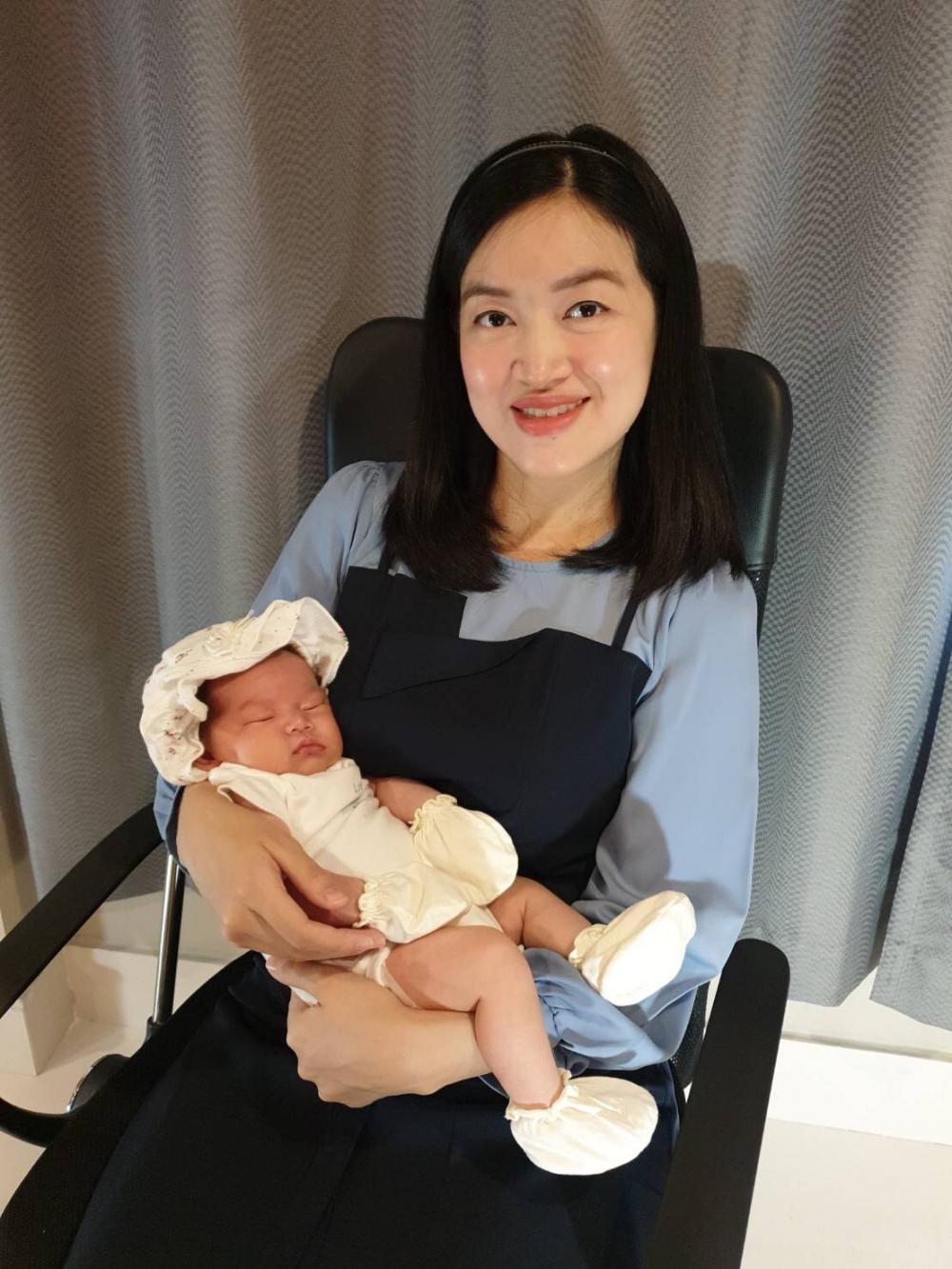
After researching breastfeeding, 32-year-old Watcharaporn Pattarasattayakorn was convinced that breastmilk is the first "vaccine" for her child and would give her a good start in life.
"I was afraid that my daughter would grow up unhealthy and have allergies," she said.
To give the first "vaccine" to her daughter, the new mother was determined to exclusively breastfeed when she gave birth at Charoenkrung Pracharak Hospital in June. To support her and minimise the risk of hospital visits amid Covid-19, nurses at the hospital's breastfeeding centre counselled her before she went home.
But breastfeeding is hard work and challenges are common, especially during the pandemic. Thirty-nine-year-old Piraya Lawanwisut gave birth at Nakhon Pathom Hospital in May but couldn't produce enough breastmilk for her prematurely-born son, so she resorted to infant formula in the first hour after birth.
"I planned to make it perfect this time but I simply couldn't," said Piraya who managed to start breastfeeding her baby 18 hours later. She recalled complications during childbirth almost six years ago that made breastfeeding within the first hour impossible and it took a few days before she could breastfeed him and continue to until he turned three.
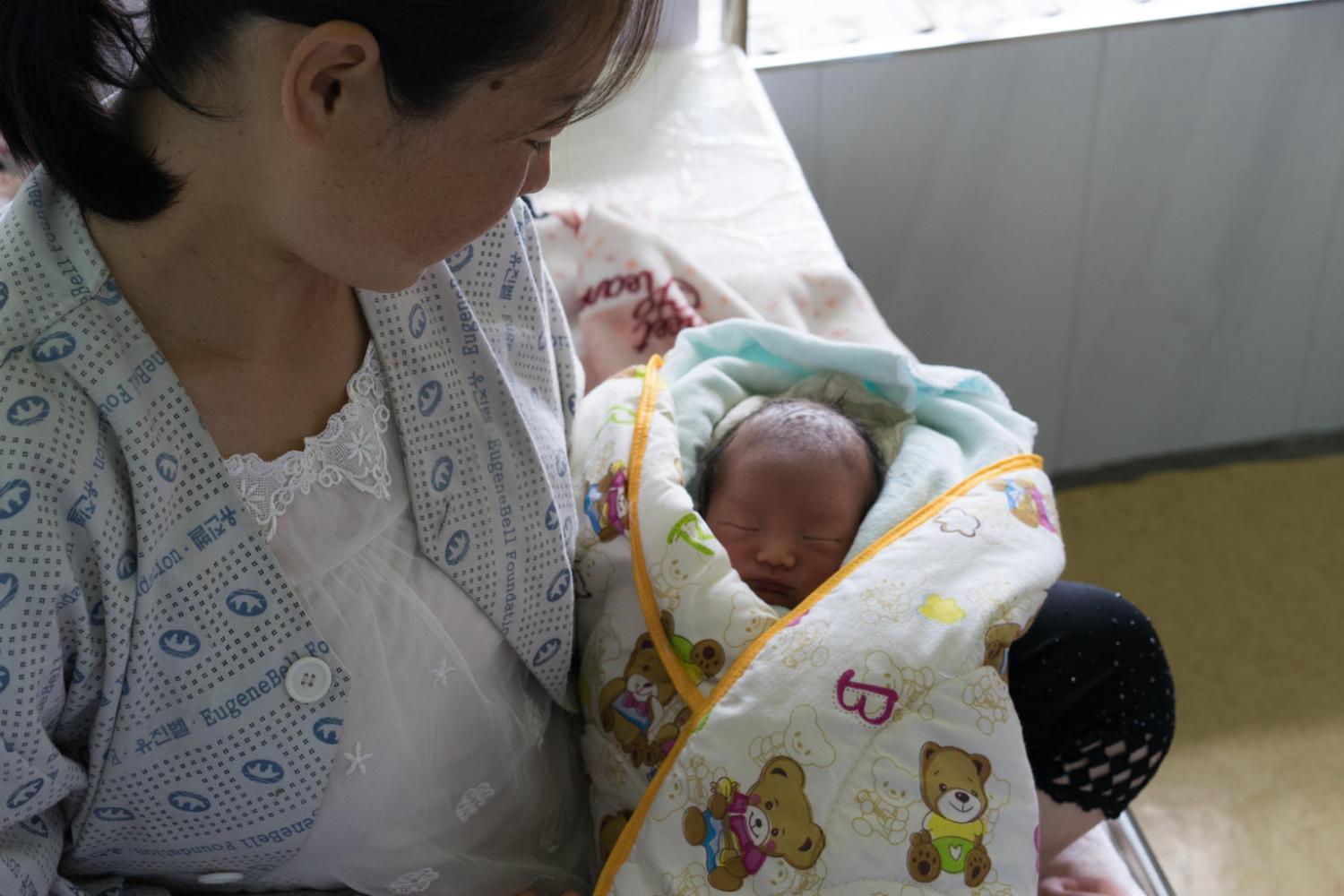
Piraya said breastfeeding during the pre-Covid-19 era was much easier. She could easily seek help from professionals at the hospital's breastfeeding centre if anything went wrong. Fortunately, the nurses were supportive.
To ensure that the mother of two and more than 200 nursing mothers are fully supported in breastfeeding even during the pandemic, nurses at the centre have provided consultations through a Line chatroom while the centre is temporarily closed with most nurses assigned to take care of Covid-19 patients.
In the absence of in-person services, this online chatroom has been helpful. When Piraya noticed white spots on her breasts last month, she learned in the chatroom that this was common and nursing mothers shared advice on prevention and treatment. So while professional treatment at the breastfeeding centre was temporarily unavailable, she managed to treat the spots by herself.
Watcharaporn and Piraya have also been extra careful with hygiene to ensure their newborns' safety. Covid-19 self-testing is done regularly, delivery packages are thoroughly wiped, and video calls have replaced home visits by friends and family.
Living in an extended family under the same roof, Watcharaporn has clearly arranged living areas for each member. Grandparents, who live on the ground floor, must wear a face mask during visits. The pandemic has caused lockdowns and is hurting countless people. Meanwhile, the work-from-home measure allows her to stay close to her baby 24/7 which makes breastfeeding much easier.
Due to so much uncertainty during Covid-19, both mothers have planned for the future and stored extra breastmilk in the freezer.
"You never know what may happen. I may get sick and be unable to breastfeed but my baby can continue to be nourished with my breastmilk," said Watcharaporn.