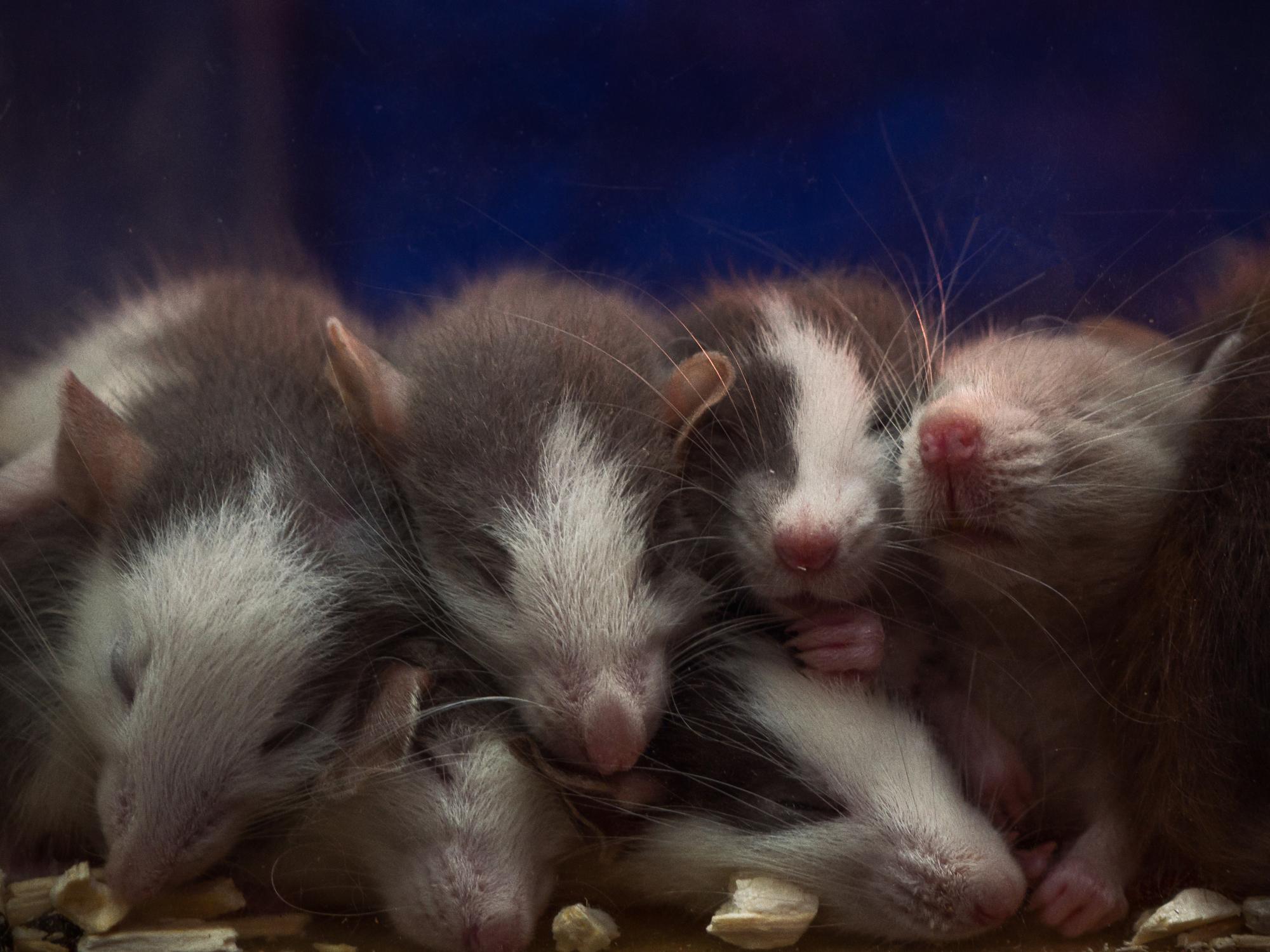
The tears of baby mice make females less interested in sex, meaning they could be used as an unlikely form of pest control.
A Japanese study revealed that pheromones produced by young mice override sex-stimulating chemicals produced by amorous males.
This makes the males less appealing to females, and could therefore be used to lower birth rates.
Only mice aged one to three weeks produce the substance, called ESP22, which ends up spread liberally around their territory.
Its effects may benefit the young mice by stopping their mothers producing more offspring, leaving more food and attention for them.
The scientists think this natural birth control, which seemed to affect all females whether or not they were mothers themselves, could be an effective way of stopping mice spreading.
“It is unlikely that other animals would be affected because pheromones are so species specific,” said Professor Kazushige Touhara from the University of Tokyo, who led the project.
“The sex-rejecting behaviour is an innate instinct, so it’s also unlikely that the mice will learn to change their behaviour.”
A similar pheromone called ESP1 is produced by male mice to encourage sex, and the scientists found that ESP22 signals essentially replace these signals in the females’ brains.
Their findings were published in the journal Nature Communications, and besides providing an insight into the mouse brain chemistry the scientists now hope it will help them pursue practical applications.
“ESP22 is difficult to artificially synthesise, so we want to find a smaller portion of the pheromone molecule that could be added to mouse drinking water,” said Professor Touhara.
“This could prevent mice breeding in areas where they are pests.”
The scientists noted that due to pheromones being highly species specific, direct connections between human and mouse behaviour could not be made in this case.