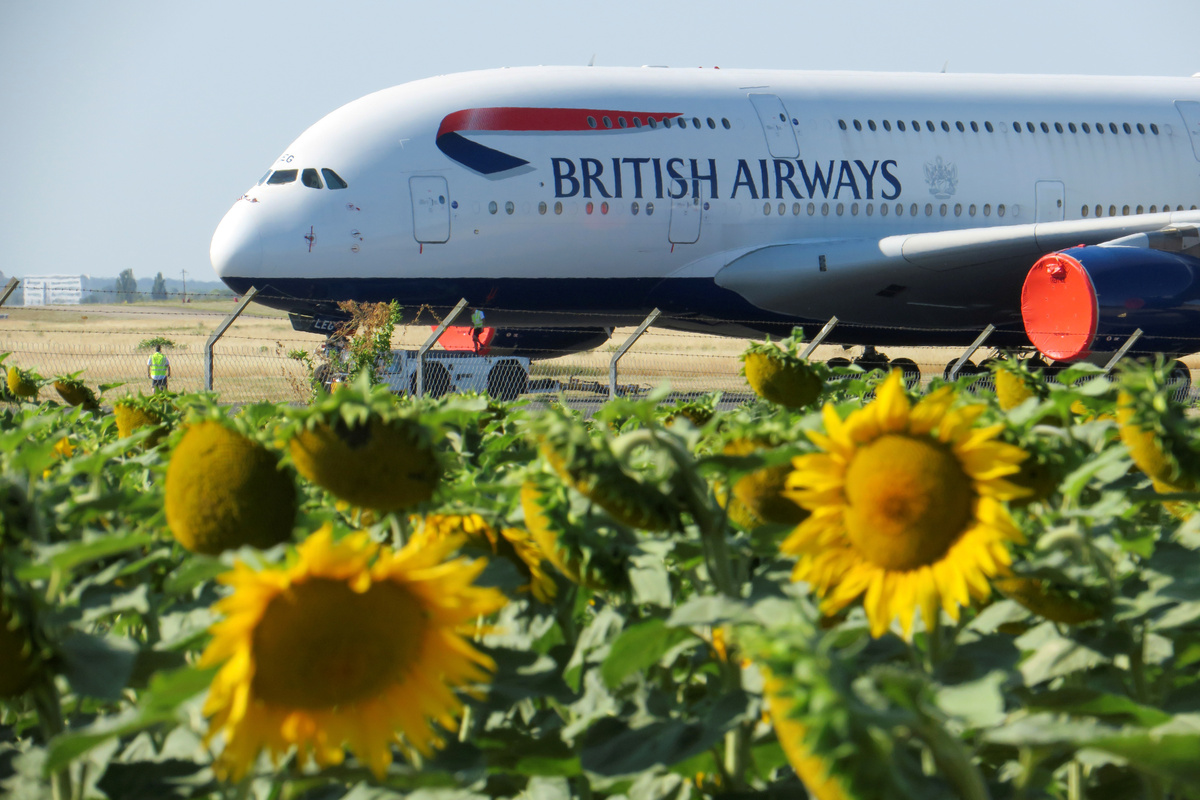
British Airways has invested in a sustainable aviation fuel company, finding resources to back its decarbonisation plans despite the coronavirus pandemic, as pressure grows on airlines to cut emissions when travel restarts in earnest.
British Airways, owned by IAG, said on Tuesday it would invest in LanzaJet, a company that is building a plant to produce sustainable aviation fuel (SAF) on a commercial scale in Georgia in the United States.
BA said last year it needed to cut 13,000 staff or about a third of its workforce to survive.
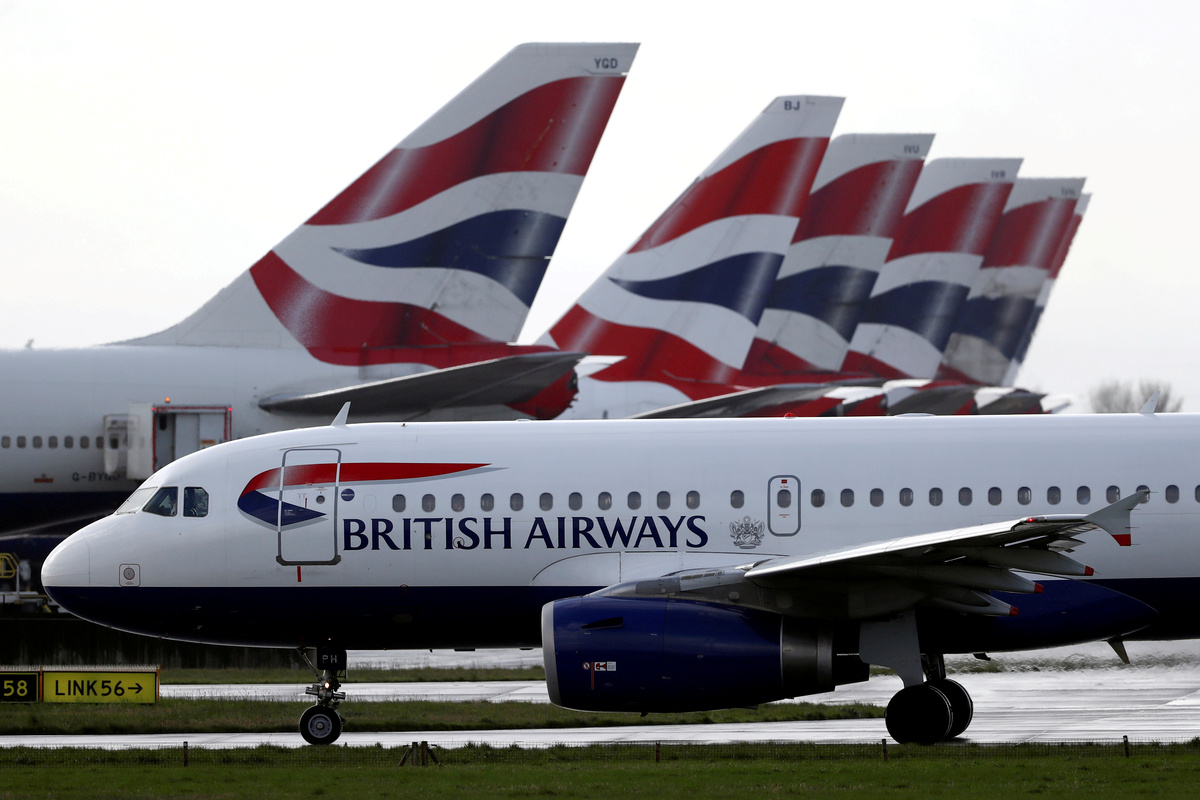
Flying continues to be at very low levels all over the world due to COVID-19 restrictions. But at the same time, pressure is growing on carriers to cut carbon emissions.
The industry also hopes that by reducing its carbon footprint, it can win back passengers who, due to COVID-19, have realised they do not need to fly as much.
Sustainable aviation fuel generally has up to 80% less carbon emissions than conventional jet fuel, and is produced from biomass or recycled carbon. LanzaJet, for example, converts sustainable ethanol into aviation fuel.
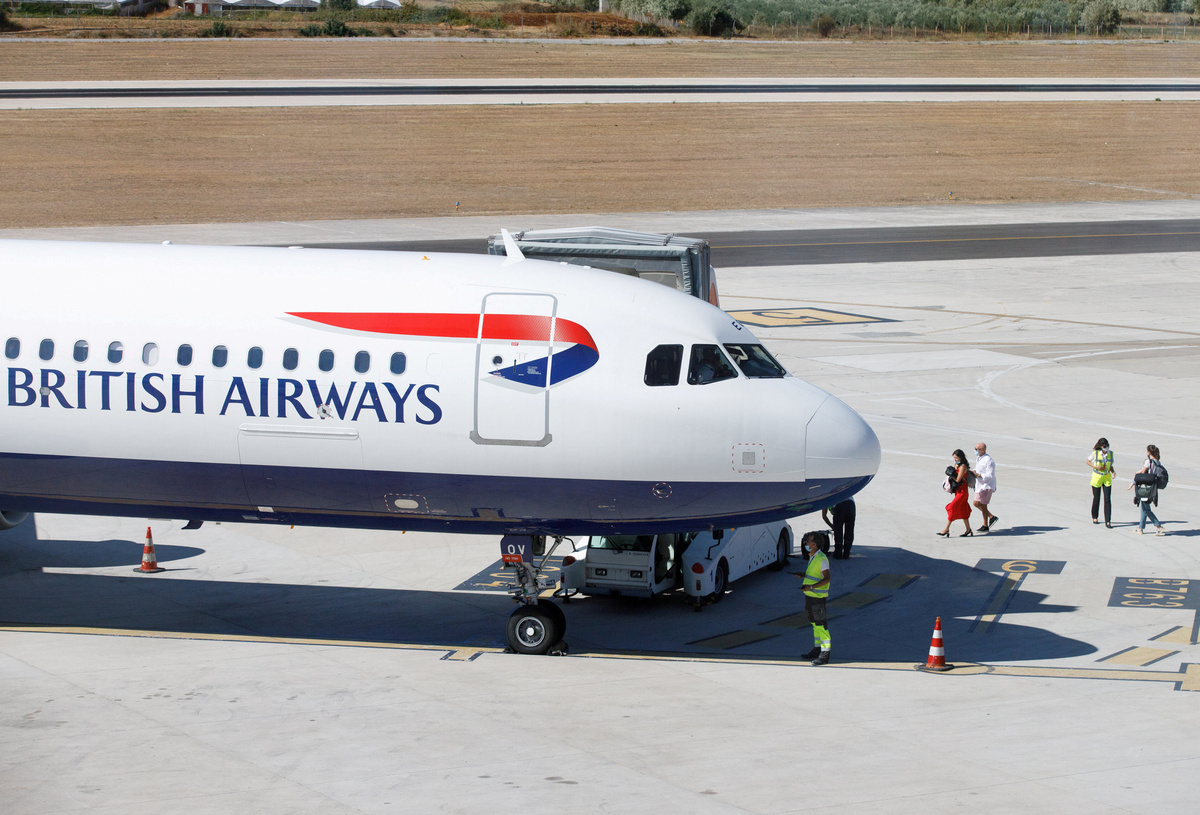
On Monday, the Dutch airline KLM said it had operated the first passenger flight in the world fuelled partly by sustainably produced synthetic aviation fuel, which is made from carbon dioxide and water.
BA declined to disclose the size of its investment in LanzaJet. It said it planned to buy SAF from the new plant to power some of its flights from late 2022. The deal also involves LanzaJet undertaking early planning work for a potential SAF plant in the UK.
"Progressing the development and commercial deployment of sustainable aviation fuel is crucial to decarbonising the aviation industry," said BA chief executive Sean Doyle.
SAFs are seen as a stepping stone for reducing aviation emissions before hybrid and electric flying technology becomes viable for longer distance trips by the mid- to late 2030s.
BA's parent company IAG has committed to achieving net zero carbon emissions by 2050. It is planning to invest $400 million in SAF over the next 20 years, the BA statement said.
(Reporting by Sarah Young)