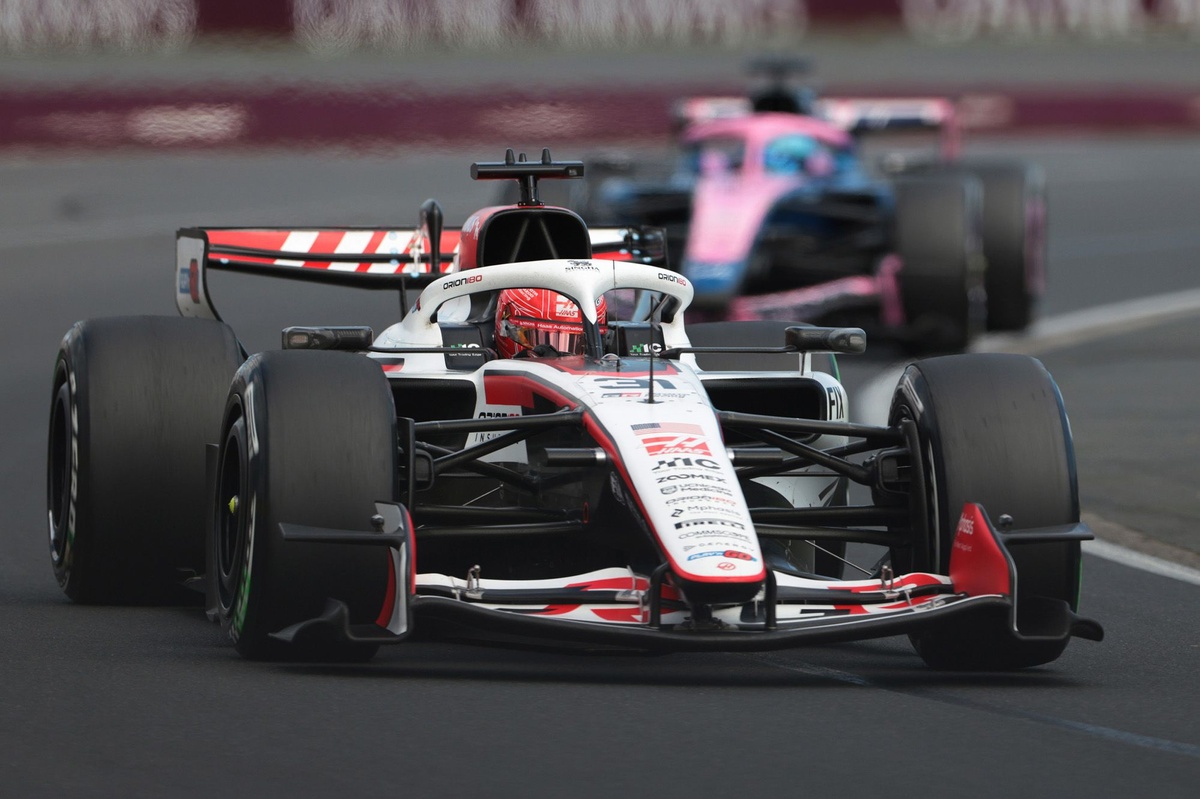
Haas boss Ayao Komatsu reckons Formula 1 must hold off any driver criticism and be patient before making changes to the highly-debated 2026 regulations.
F1 is debuting its latest regulation overhaul with changes to both the chassis and power unit, the latter being more reliant on electrical energy meaning battery management is now key.
This split opinion, as it entails drivers adopting ‘unnatural’ techniques such as downshifting on a straight or lifting and coasting into a corner - Max Verstappen called it “Formula E on steroids”.
Lando Norris has also been a strong critic and various drivers have called on the FIA to make changes, though the likes of George Russell and Kimi Antonelli have defended the new rules.
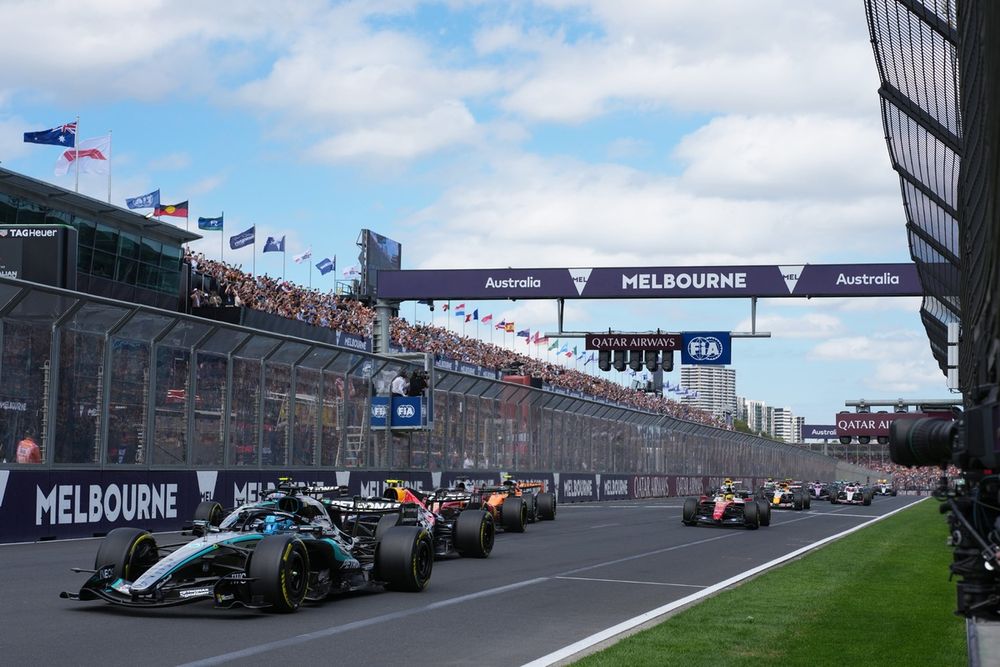
The new regulations made their official debut at last weekend’s season-opening Australian Grand Prix, where the ‘yo-yo’ style racing and more complex starts - which caused Franco Colapinto and Liam Lawson to almost collide - were the biggest talking points.
But it is unlikely that this will be the case at all events, due to how different track characteristics are expected to make a bigger difference this year thanks to some being easier to harvest at than others.
So Komatsu thinks F1 needs a greater sample size ahead of China this weekend, with Japan, Bahrain, Saudi Arabia and Miami coming up - though Bahrain and Jeddah are still in doubt due to the ongoing Middle Eastern conflict.
“It's about five races, very, very roughly speaking,” he said, referring to what’s a big enough sample size that should be considered before making changes.
“Let's say, forget about if those two circuits happen or not. Melbourne, very front limited, difficult to overtake circuit. Shanghai, much easier to recover energy, very, very long straight - overtaking should be possible.
“Suzuka, again, I think it's pretty difficult, but overtaking traditionally is very difficult and then Bahrain, completely rear limited circuit, easier, much easier to overtake.
“Jeddah, totally different story and then you've got Miami. So if you've done those circuits, I think we've got enough of a split to make a good decision.”
This is because he is wary of making changes too soon, especially with this cycle to remain until at least 2030. It was all discussed during the meeting between teams, the FIA and commercial rightsholder FOM amid Bahrain testing.
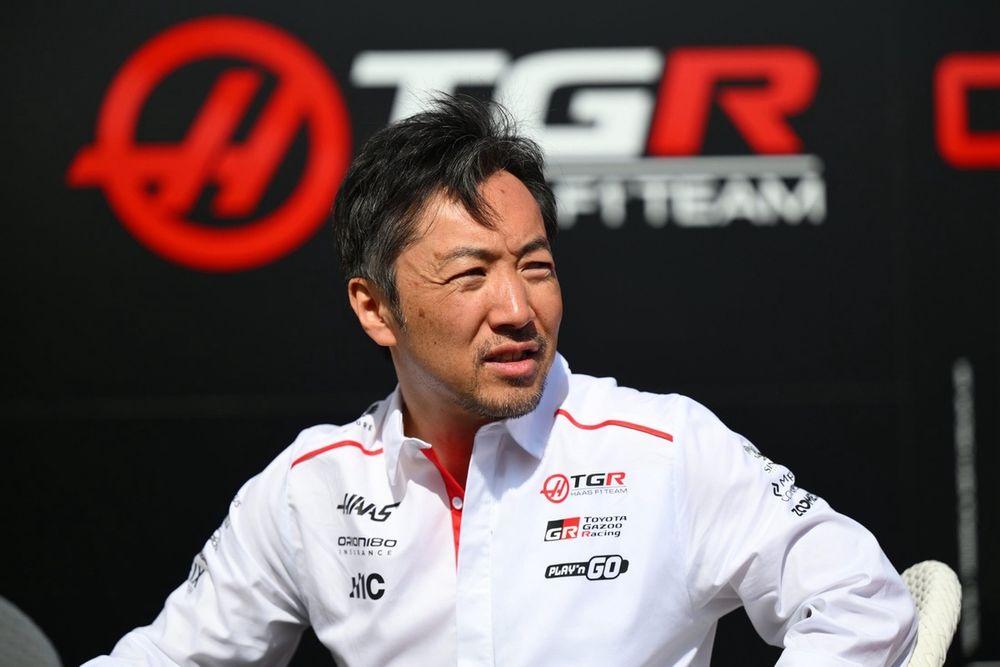
“Two is still a small sample,” added Komatsu. “We talked in an F1 commission meeting in Bahrain and then we, after Bahrain test one, after Bahrain test two, we had some discussions.
“We said, definitely, we shouldn't do a knee-jerk reaction because if you're going to change something, we should change it once and then get it right.
“It's so much circuit dependent and then overtaking-wise, even in the previous generation of cars, Melbourne, Suzuka is very, very difficult to overtake. Shanghai is slightly easier. Bahrain, if you went to Bahrain, Bahrain would be a much easier circuit to overtake.
“So for me, you've got to see several different circuits and then decide, OK, what is the global issue, what we need to concentrate on solving because if you just did it with one or two events, I don't think we can form a very balanced opinion.”