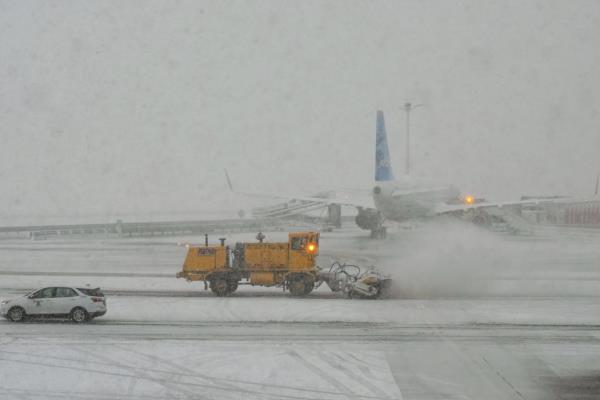
A powerful storm swept through the Northeast, bringing with it 60 mph winds and wreaking havoc on the region. As a result, road conditions became dangerous and numerous flights were disrupted, causing significant delays and cancellations. Passengers faced uncertainties as they navigated the challenges posed by the storm. However, it is crucial to know your rights and options when faced with flight cancellations or delays.
First and foremost, it is essential to stay informed about the weather forecast. Airlines often provide travelers with the opportunity to reschedule their flights without any additional fees when they anticipate adverse weather conditions. A simple online search using keywords such as 'travel alerts' and the name of your airline can help you find any offers or options available to you.
Before heading to the airport, it is highly advisable to check the status of your flight. Utilizing the airline's app or accessing their official website can provide you with the most up-to-date information regarding any changes or cancellations. Airlines typically make the decision to cancel flights hours, or even days, before the scheduled departure time. It is better to be safe and stay informed, rather than risk being stranded at the airport.
If you find yourself at the airport and your flight has been canceled, it's time to take action. The first step is to get in line and speak to an airline representative. It is also beneficial to call or go online to connect with the airline's reservations staff. Social media platforms like Twitter, which is now known as 'X,' can also be utilized to reach out for assistance.
Most airlines will rebook passengers on a later flight without any additional charge, provided there are available seats. However, this is subject to the airline's capacity. While you can ask to be booked on another airline, it is important to note that airlines are not obligated to accommodate such requests. Some airlines may have agreements with partner carriers, but even then, securing a seat can be uncertain. Researching alternate flights while waiting to speak with an agent can provide additional options.
If you decide not to proceed with your trip or find alternative means of transportation, the airline is legally required to provide you with a refund, even if you purchased a non-refundable ticket. Cancelling your entire reservation is necessary to obtain the refund. Additionally, any fees for checked bags, seat upgrades, or other extras that you did not get to utilize are also eligible for a refund.
When it comes to compensation for flight cancellations, U.S. airlines are not currently required to provide compensation, regardless of whether the cancellation was their fault. However, the Transportation Department is working on a proposal to change this policy and ensure that passengers receive appropriate compensation when airlines are at fault.
It is crucial to recognize that there is no federal requirement for airlines to cover the costs of hotel accommodations or meals for stranded passengers. Each airline has its own policy regarding these expenses. To understand the commitments made by individual airlines in terms of refunds and coverage for other expenses during flight cancellations or significant delays, the U.S. Department of Transportation provides a website where consumers can access this information.
In times of potential disruption due to inclement weather, it may be wise to consider booking a backup flight. Some airlines, such as Southwest and Delta, allow customers to cancel their reservations within 24 hours of booking for a full refund, providing a safety net if circumstances change. Keep in mind that specific airlines may require a longer advance notice for cancellations.
If you happen to be traveling in a group where one person belongs to a higher level of the airline's frequent-flyer program, it is beneficial to utilize that person's associated phone number when contacting the airline. This can sometimes expedite the assistance process. In addition, if you find it challenging to reach an agent due to a surge in cancellations, consider calling your airline's international help number, as those agents can also make changes to your itinerary.
Remember, kindness goes a long way. It is important to approach airline agents with patience and respect, as they are likely dealing with numerous frustrated travelers. Yelling or being rude will not enhance their ability or willingness to help you. It is crucial to remember that flight cancellations are beyond their control.
When faced with flight cancellations or significant delays caused by severe weather or other factors, understanding your rights, staying informed, and being proactive can make a significant difference in navigating these challenges. By knowing what to expect and what options are available to you, you can minimize disruptions and make the best decisions for your travel plans.