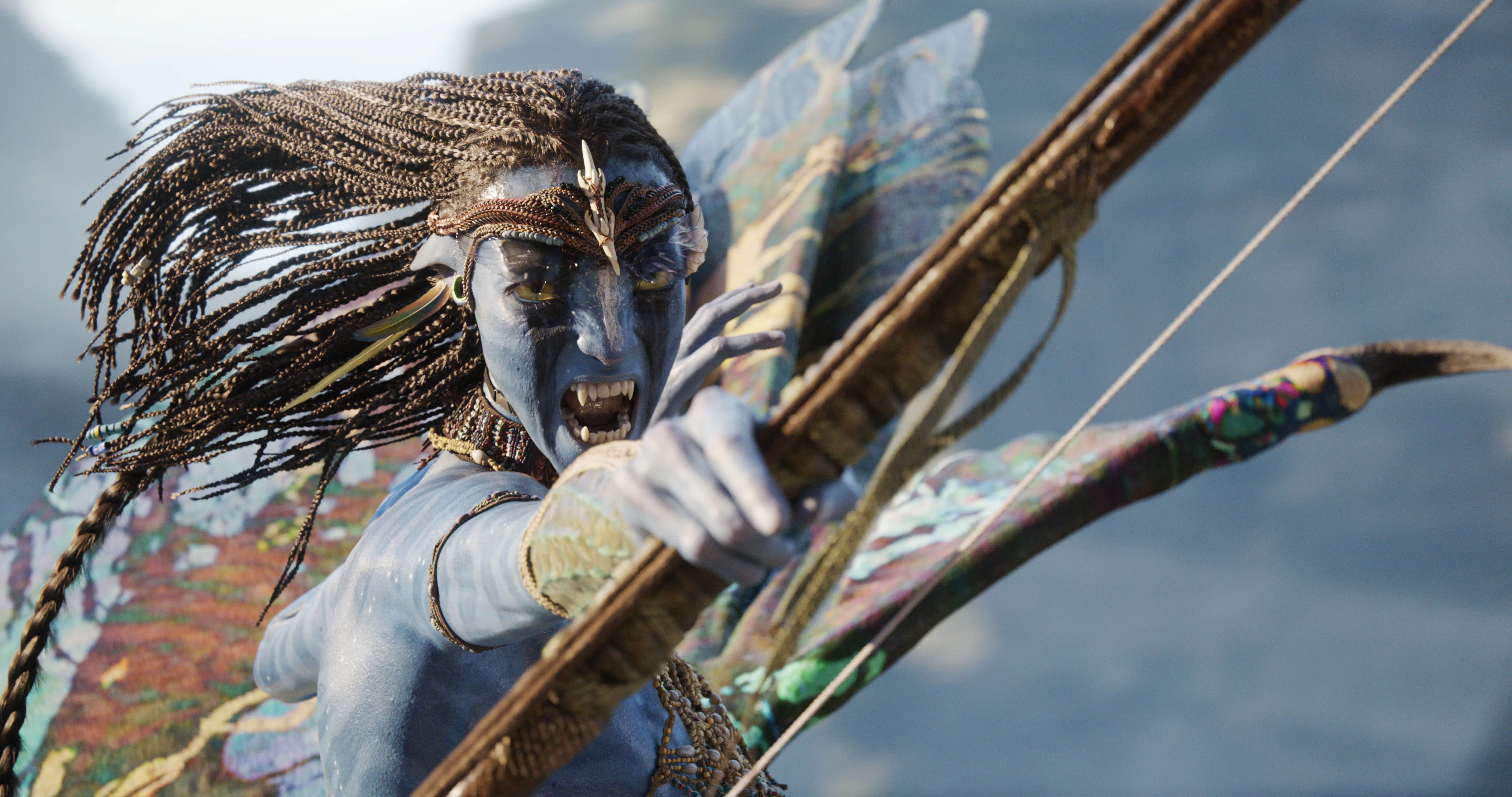
Standing in Lightstorm’s version of “the Volume,” where the Avatar films are performed and shot, the team behind James Cameron’s sci-fi saga proves they deserve little gold man is proudly on display. The Avatar team took home the Oscar for Best Visual Effects at this year’s ceremony — in part for their help crafting a new cinematic language to create the world of Pandora — work that Inverse, along with a small handful of journalists, got to see with our own eyes.
On a traditional soundstage equipped with a hundred tiny infrared cameras, visual effects supervisor Richard Baneham breaks down how, exactly, practical action informs the surreal wonder of this franchise. It’s not easy to get one’s head around, which makes the new special features rolling out with Fire & Ash’s digital release — like a mini-doc that goes deep on the science of performance capture — so appreciated. But even the SparkNotes version of their process justifies the years-long gap between sequels.
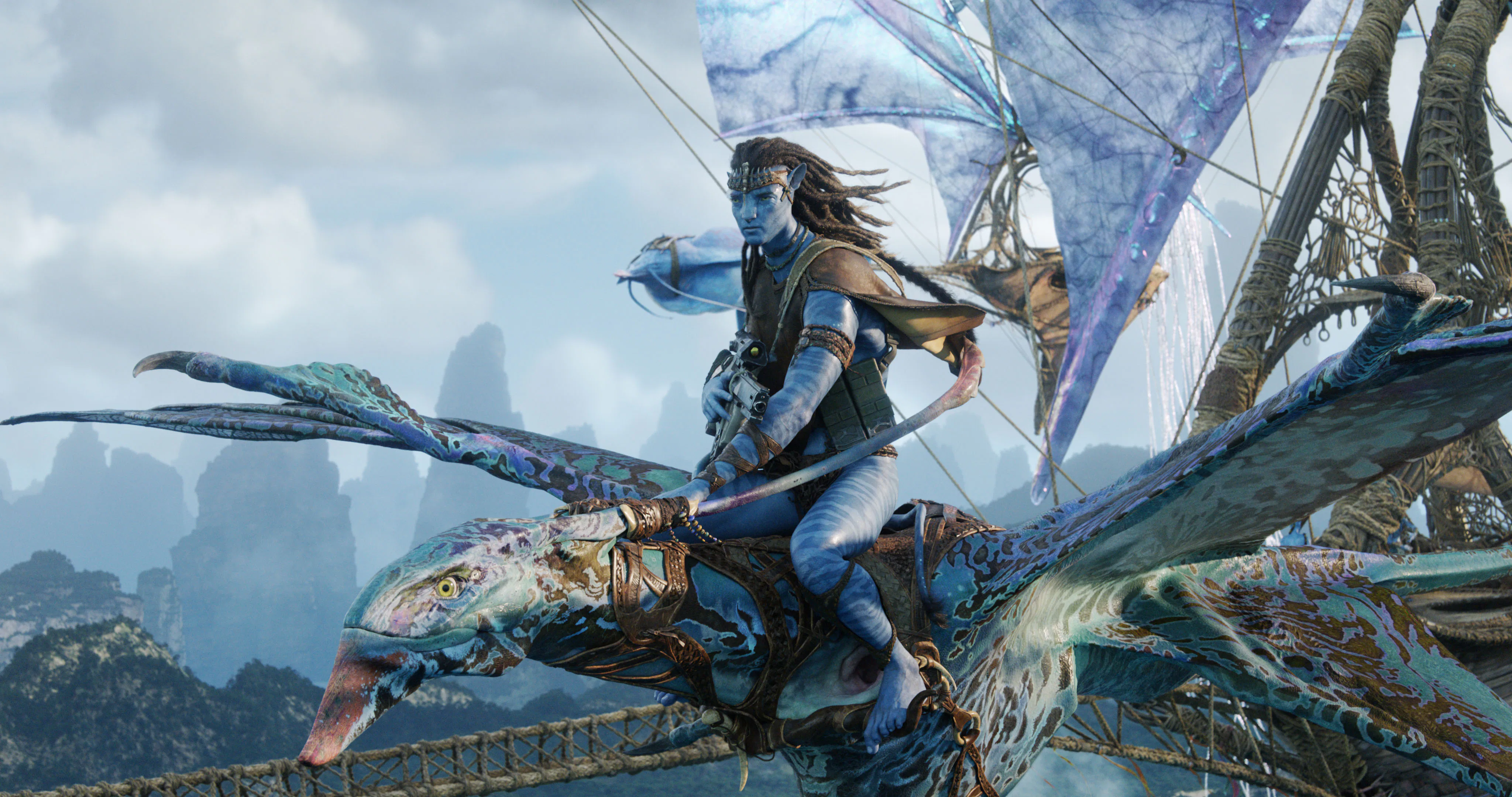
It took 13 years and a major undertaking behind the scenes to deliver Avatar: The Way of Water and Fire and Ash. Cameron has been transparent about the hurdles affecting these films, a lot of them budgetary: he even admitted that he was prepared to walk away before finishing Avatar 4 (which is partially shot already) and the fifth planned Avatar film. Fortunately, though, fans of the franchise might not have to say goodbye to this world on the big screen yet. Speaking with Inverse ahead of Fire & Ash’s home video premiere, producer Rae Sanchini reveals that Avatar 4 and 5 are still very much in the works — barring a small hiatus to update their process with new technology.
“We’re really moving into a more generally accessible platform,” Sanchini explains. Lightstorm’s former system was “very bespoke,” a lot of it built by Cameron’s production team and perfected by visual effects artists at Wēta Digital. That said, the learning curve was steep, requiring “a lot of training for new hires.” Embracing “more generally available technology” will ideally streamline that process, just as the team is planning out the pipeline for two more sequels.
Sanchini continues: “Right now we’re figuring out the schedule. We’re working hard on it right now, budgeting, scheduling, planning, building out our new pipeline for them. As far as we’re concerned, we’re full speed ahead.”
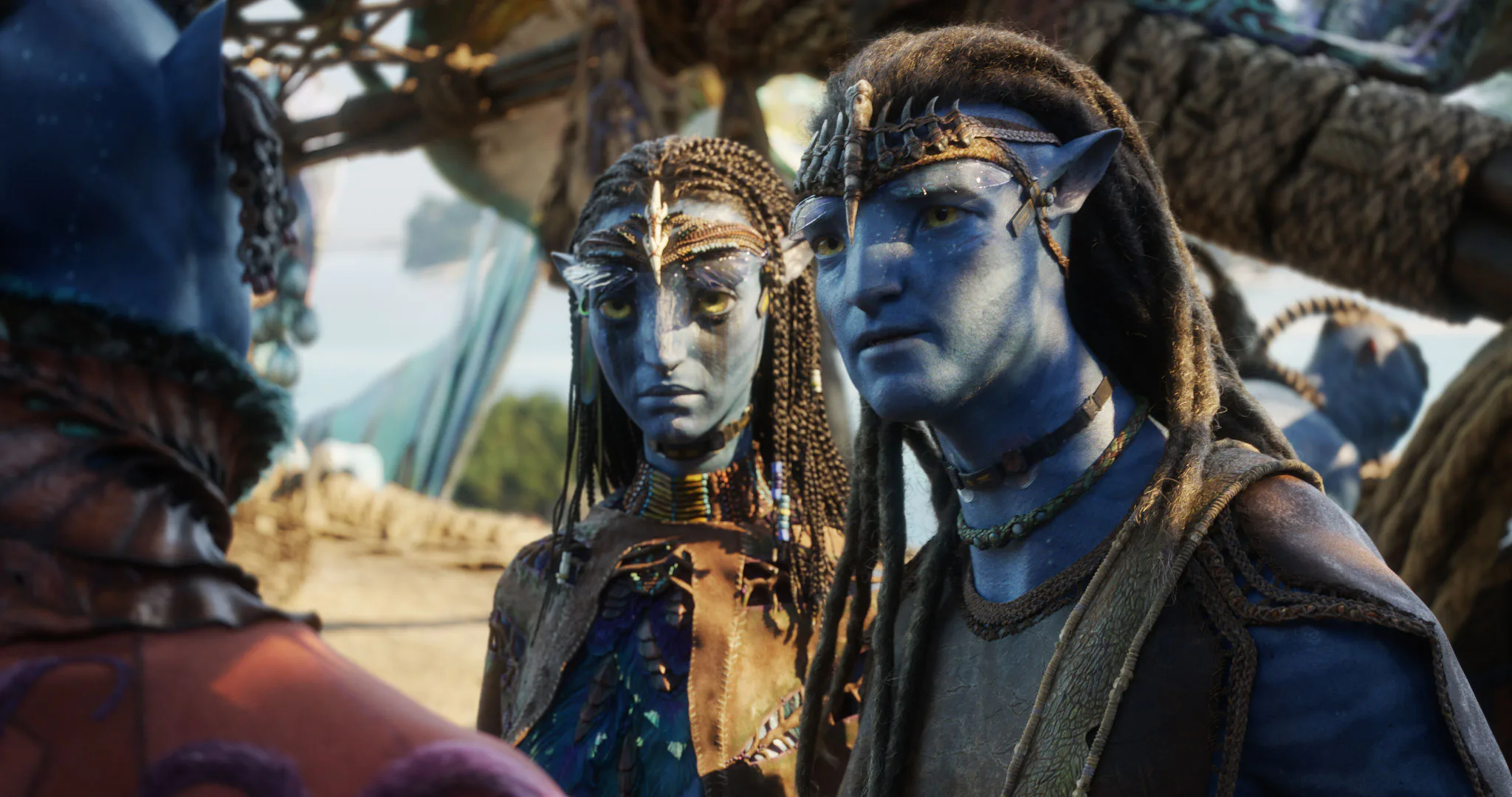
Avatar 4 and 5 are slated to hit theaters in 2029 and 2031, respectively — and though Sanchini calls those windows “tentative,” she hopes to solidify that schedule “in the not too distant future.”
“We have the scripts, they’re brilliant,” the filmmaker adds. “As far as I’m concerned, we’re heading forward.”
In the meantime, Cameron and Lightstorm intend to keep Avatar fans well-fed. Fire and Ash’s home release comes with about three hours of bonus footage: while Cameron kept details about filming relatively close to the vest with The Way of Water, Sanchini says he’s now “keen to lift the curtain.” Maybe it’s because the two films were filmed as two parts of one big story, making Fire and Ash the closing of a chapter. Fortunately, though, it won’t be the end — it may take a while to see Cameron’s vision continue, but the Lightstorm team seems eager to take the franchise even further.