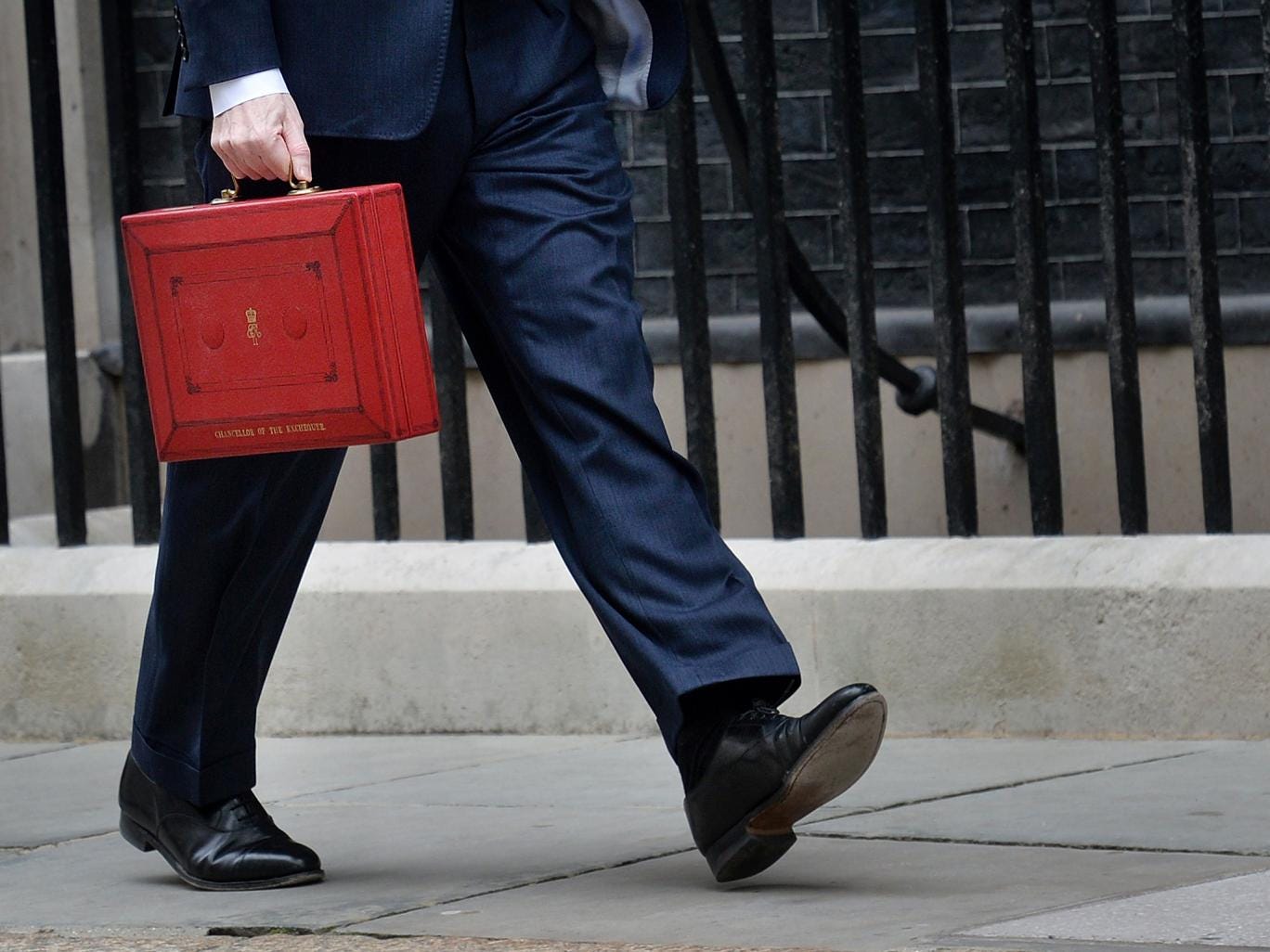
George Osborne has promised to mitigate the impact of his planned tax credit cuts on lower earners after the House of Lords refused to back them.
But with a tight fiscal strait-jacket to work in, the Chancellor's options are limited. Here are some ideas that have been proposed:
1) Raising the minimum wage faster or further
The Government originally focused its higher minimum wage as an answer to people who said low earners would lose out from tax credits.
Sucessive studies found that the increase would not be enough to cover the cuts, however.
It may be tempting for the Chancellor to hammer home this better-recieved policy by boosting or bringing forward the wage rise.
This is tempting because it wouldn't cost the Government a lot (except in higher wages to some low-paid public sector workers).
The big problem with this idea is that the same people who would recieve a boost would not be those losing out from tax credit cuts.
2) Raising the personal income tax allowance
Another option open to the Chancellor would be raising the personal income tax allowance so low earners pay less taxes.
There are a number of problems this this idea. Firstly, it would cost a lot of money - raising the personal allowance is expensive.
Secondly, it would be badly targeted: people earning £50k would recieve a tax cut in order to fix a problem for people on low incomes.
Thirdly, the people on the very lowest incomes wouldn't benefit because only people earning over the current tax allowance would benefit in any way.
3) Scrapping the tax credit cuts altogether by cancelling tax cuts
The Government is planning to raise the level at which the 40 per cent higher tax rate kicks in.
This benefits high earners who aren't going to miss the money to the extent someone dependent on tax credits is.
By scrapping or delaying these tax cuts the Chancellor could afford to cancel the tax credit cuts.
The problem with this is political: those tax cuts were in the Tory election manifesto - while tax credits weren't. The press are also likely to represent the cuts to the higher rate as affecting "middle earners" even though they are for people earning significant amounts of money
Given that the Government has said the cuts are going ahead, this is unlikely.
4) Scrapping the tax credit cuts and paying for them with extra borrowing
Another option for Osborne would be to simply leave the cuts and allow the Treasury to borrow more money.
Economically, this would probably cause no problems. Government borrowing is at record low costs and a small amount of extra state spending would help boost demand in the economy.
But politically, it would be a problem.
The Chancellor is unlikely to do this - his deficit targets are already looking increasingly likely to be met after the latest set of October borrowing figures.
The cuts themselves save billions of pounds and it's hard to see where else the savings could come from.
5) Cut out of work benefits instead
The Institute for Fiscal Studies noted that George Osborne had protected the very lowest earners with his cuts - tax credits tend to go to people in work, while the very lowest earners do not work at all.
George Osborne could turn his axe towards people on even lower incomes and take cash from out-of-work benefits.
This might look attractive to the Chancellor, who could count on support from sections of the press to cutting benefits for the unemployed - who could be painted as scroungers.
It would make his problem of being seen to target the working poor go away.
Such a raid would likely cause extreme poverty and hardship, however.