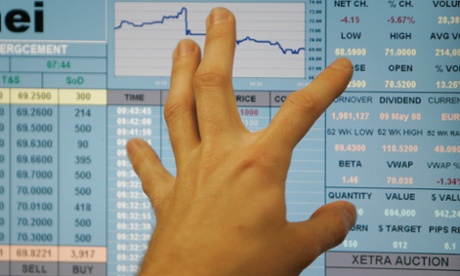
You can see the effect automation had on the London Stock Exchange (LSE). When its automated quotation system was introduced, few would have predicted the pace and growth that the financial industry has since experienced. Just a year after this ‘screen-based quotation system’ was added in 1986, the LSE was doing as much business in a month as it used to in a year before it was introduced. The total value of its transactions have since grown from £1bn to £16.6bn per day. Why? Because friction was removed from the buying and selling process, opening the way for individual investors to participate alongside larger institutional buyers.
Travel is a sector that has embraced automation and reaped the benefits. The destruction of the old model has seen the phoenix rise from the ashes. In 1990, there were around 1bn air passenger flights each year; now it’s three times that figure, partly due to the rise of competition and low cost carriers, but also due to the digitisation and automation of the booking and ticketing process, whereby travellers can now find affordable flights directly at their fingertips.
Even the dry cleaning industry, believe it or not, is now also tapping into new customer bases by adopting automated systems, as people’s habits and lifestyles continue to force analogue industries to move fast to stay relevant, and most importantly, profitableLooking at these industries we can see the positive, decisive changes that automation, and a move to digital processes have heralded. Irish entrepreneur Jules Coleman has forged her place in start-up history with her brainchild, Hassle.com, which allows people to book a cleaner, not through a handwritten ad in a shop window, but through an automated systemwhereby cleaners are vetted, schedules are managed, and payments are made.
The secret to Coleman’s and Hassle.com’s success is simple – identifying a genuine problem for everyday people and doing something about it.. That platform kicked off with cleaners, but now plans to branch out to include other service categories such as carers, tutors, personal trainers and more. It’s a win-win for the consumer and for the service provider, who can focus on delivering top-notch work, rather than getting bogged down in the laborious task of actually finding the work.
But not only is Hassle.com a straightforward business concept, but it has people at its helm with the right mix of tech, marketing, online and start up experience – a pedigree in using automation for the benefit of the consumer and business owner. Chairman Ron Zeghibeis also the founder and chairman of London taxi app Hailo, while advisor David Pritchard is the founder of OpenTable Europe.
The advertising world is seeing the same phenomenon, where automation and access to data-driven decision making has rewritten the way brands reach their target audience and how media owners monetise their inventory.
In 2014 automated advertising generated $21bn worldwide, according to Magna Global, and that number is predicted to reach north of $50bn in 2018. Big brands are clearly seeing the benefits, moving quickly from dipping their toes in the water, to aiming at up to a 75% automated share of digital spend in certain well publicised cases such as Procter & Gamble. And in the majority of cases, seller adoption has preceded even that of buyers, with almost half of digital display already automated in the UK last year according to the IAB.
One of the most interesting phenomena we have seen emerge alongside the growing adoption of automation in advertising is the publisher co-operative. These alliances have seen premium sellers join forces, pooling inventory and data to compete on a level playing field with digital giants such as Facebook and Google. The publisher co-operative concept is no longer a trend but a global movement. It has already been achieved in France, Denmark and the Czech Republic, and just last month the Pangaea Alliance was launched as a global alliance of respected news organisations: The Guardian, Financial Times, CNN, Reuters and the Economist (and powered by Rubicon Project). And what has brought these competing businesses together? One where automation means that they can offer advertisers unparalleled reach of premium audiences enriched with data for the first time – and compete more effectively with Google.
If the history of automation tells us anything, it’s that across industries it paves the way for positive change. For advertising, an industry that is so heavily reliant on big ideas and creativity, the knock-on effect of all that freed up time and resource should be to help the sector advance and accelerate to the benefit of all parties.
Jay Stevens is general manager international at Rubicon Project
This advertisement feature is provided by Olswang, sponsors of the Guardian Media Network’s Changing business hub