By the end of this guide, you’ll know exactly how automatic feeders work, which features matter most, how your pet might react—and even what the future holds for feeding technology.
What Is an Automatic Pet Feeder?
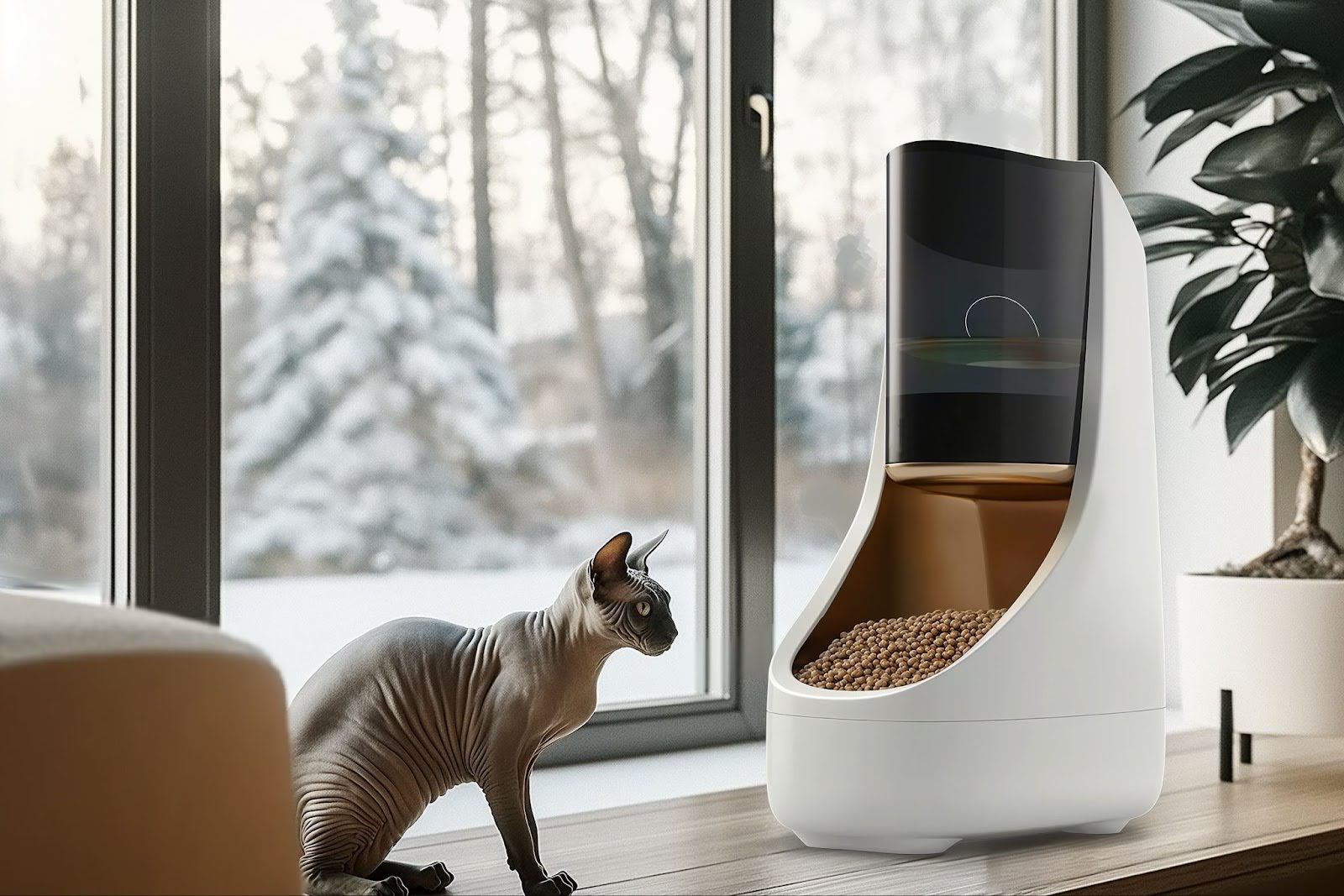
An automatic pet feeder dispenses pre-measured portions of food on a specific schedule you set, becasue once you load its hopper, program mealtimes (and portion sizes), then you let the device handle the rest. Beyond convenience, these feeders help maintain consistent feeding routines for pets prone to overfeeding and obesity or anxiety around mealtimes.
Key Features to Look For
If you are in the market to buy an automatic pet feeder, it is recommended to consider your pet's specific needs and the setup in your home. Here are some essential things to look fo:
- Portion Control: Digital dials that let you adjust from a single kibble to several cups.
- Capacity: Hoppers range from 2 to 20 pounds—larger units suit multi-pet families.
- Power Options: AC adapters, batteries, or both.
- Material & Build: BPA-free plastics or stainless steel for durability and hygiene.
- App Connectivity: Manage feed times and quantities from your smartphone.
Types of Feeders Explained
Whether you have a cat, dog or multiple pets, there’s a model tailored to you.
Dry-Food Feeders
Most common. Uses an auger or paddle to push kibble into the bowl.
Wet-Food Dispensers
Keep canned food refrigerated until mealtime. Some models, like the Cat Mate C500 automatic feeder, hold five 5-oz trays and chill them until serving.
Hybrid Systems
Combine dry and wet feeding in one device, ideal for pets with mixed diets.
Smart Home Integration & Security
Modern feeders often talk to your home network.
- Voice Control: “Alexa, feed Buddy at 6 PM.”
- Scheduling via App: Change plans on the fly.
- Notifications: Alerts when food runs low or the hopper jams.
“Smart feeders can save pet owners up to two hours a week on average,” according to an American Pet Products Association report.
WiFi Risks & Protections
Over half of IoT devices contain known vulnerabilities. To keep your feeder—and home network—secure:
- Change default passwords.
- Update the firmware regularly.
- Use a separate guest network for pet devices.
How Your Pet Adapts
Switching from hand-feeding to automation can trigger both good and awkward behaviors.
- Your dog or cat won't beg you as much: Predictable mealtimes cut down on nuisance behaviors identified by the American Kennel Club.
- Anxiety Spikes: Some pets protest at first; a slow transition helps.
- Weight Control: 60% of cats are overweight; portion-controlled feeding curbs excess pounds, as outlined in the International Society of Feline Medicine's weight-loss guidelines.
Special Needs & Multi-Pet Households
Automatic feeders come in handy when pets have unique diets or conditions.
- Medical Diets: Schedule multiple small meals for diabetic cats.
- Food Guarding: Models like the SureFeed Microchip Pet Feeder open only for the assigned pet’s implanted chip.
- Separate Portions: Up to four pets can dine on their own timetable without conflict.
Environmental & Practical Considerations
It’s easy to overlook how feeders affect your home and planet.
- Energy Use: Most units draw under 5 W when idle—comparable to an LED bulb.
- Plastic Waste: Choose BPA-free, long-lasting feeders to cut down on replacements. The average U.S. household creates over 292 million tons of plastic waste per year, according to the EPA's waste statistics.
- Battery Life: Standard models run 4–6 months on D batteries; look for low-battery alerts.
- Noise Levels: Feeders producing over 60 dB may stress noise-sensitive pets; opt for “quiet” models listed under 40 dB.
DIY Hacks & Upgrades
If you’re comfortable tinkering, here are quick mods:
- Solar Backup: Attach a 5 V solar panel to maintain battery charge.
- Funnel Extension: Use a food-grade silicone hose to direct kibble for raised-dish setups.
- Custom Alerts: Hack a feeder’s sensor to trigger text messages via IFTTT.
The Evolution & Future of Feeding
Automatic feeders have come a long way since simple gravity bowls of the 1980s. Today’s innovations include:
- AI-Driven Portioning: Cameras gauge your pet’s body condition and adjust meals in real time.
- Voice Interaction: Your pet’s recorded voice message can play at mealtime.
- Global Connectivity: Some feeders let you feed on your phone from any country.
Around the World in Pet Feeding
Cultural tastes shape adoption rates.
- In Japan, for example, compact “bento-style” feeders are popular for small spaces.
- U.S. consumers favor high-capacity, app-driven models, reflecting a surge in demand for connected pet care devices in North America.
- In Europe, stainless steel is standard due to strict material regulations.
Feeding Forward: Your Next Steps
You now understand everything from core features to hidden costs. To choose the right automatic pet feeder:
- List your pet’s dietary and behavioral needs.
- Decide on power and connectivity requirements.
- Factor in noise, materials, and environmental footprint.
- Read user reviews focused on reliability and customer service.
With the right automatic feeder, you’ll save time, protect your pet’s health, and gain peace of mind—no matter where you are or how busy life gets.