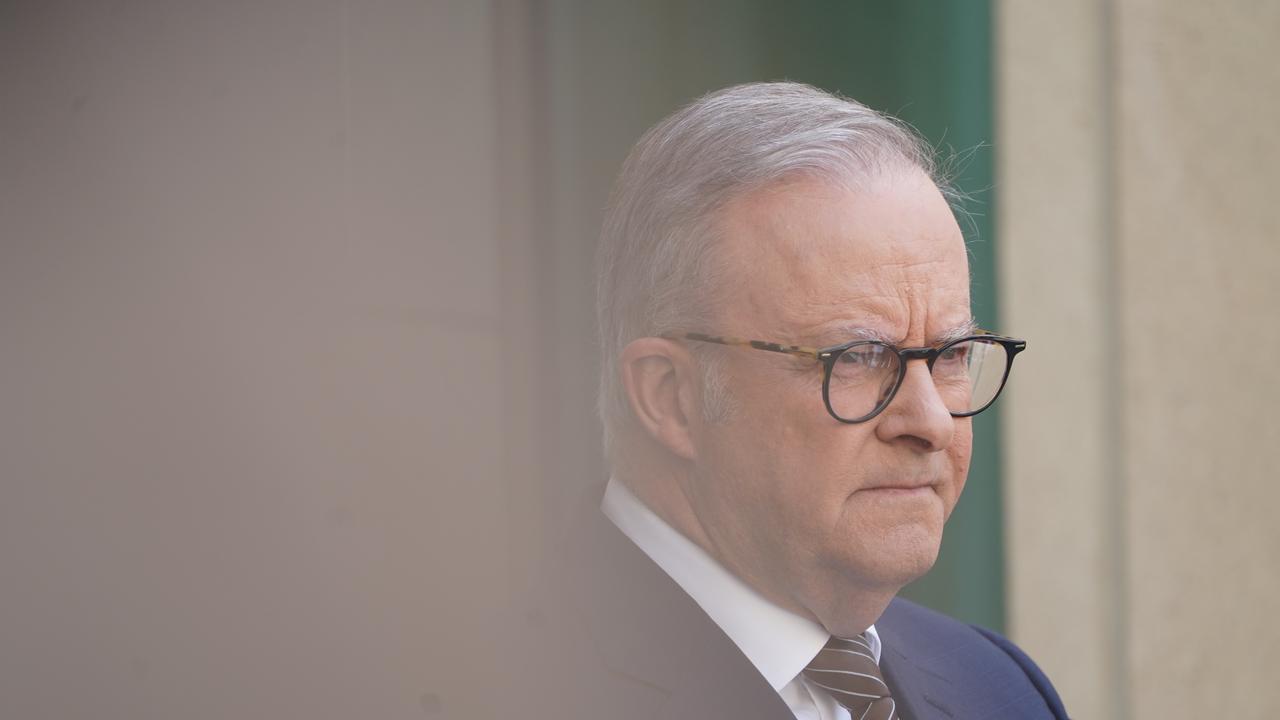
The prime minister has called for a cooling of the increasingly fractious political debate after a man was accused of posting an online threat to kidnap him.
The 27-year-old Sydney man's arrest comes as the government's response to the Bondi terror attack comes under fierce fire from the federal opposition and parts of the Jewish community.
Tensions came to a head when Foreign Minister Penny Wong called for the temperature of political discourse to be toned down, prompting Opposition Leader Sussan Ley to accuse her of not shedding any tears over the massacre.
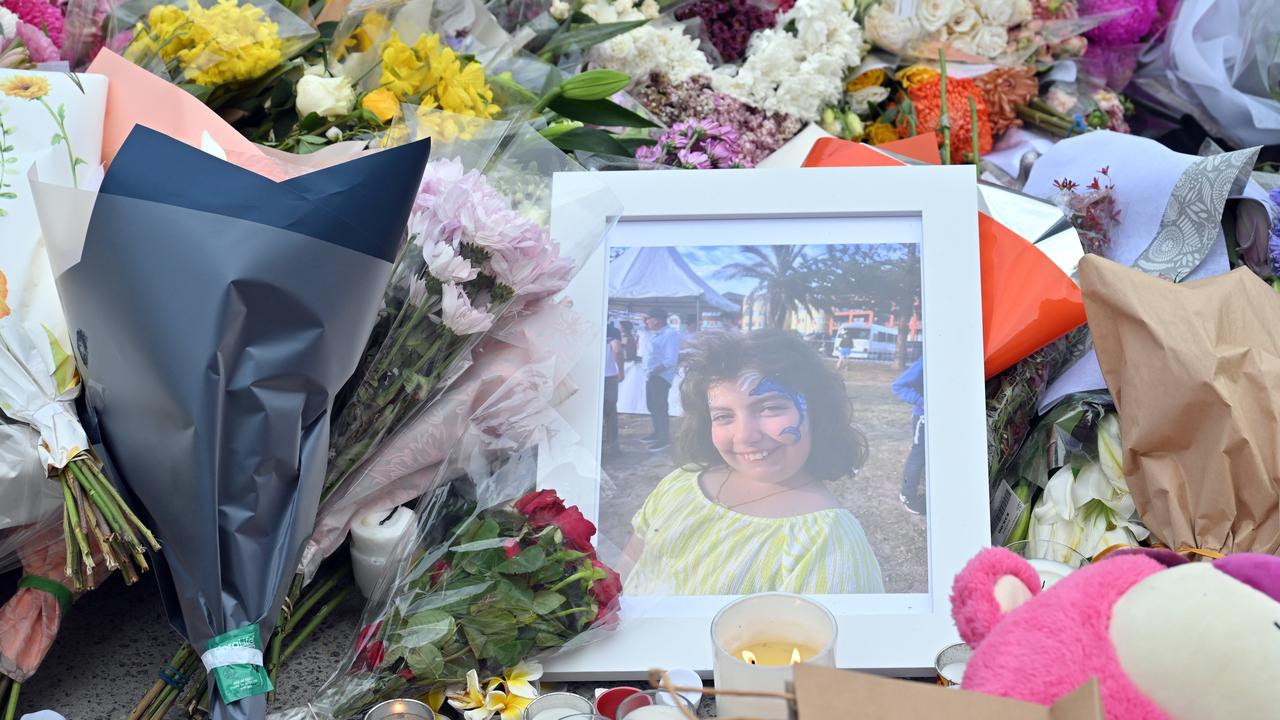
Mr Albanese said it was important people engaged in political discourse respectfully after the attack on Hanukkah celebrations, during which 15 participants and bystanders were killed.
"In a democracy, participation is a central component, but it does need to be respectful, because otherwise you have issues that make it difficult to have that open debate," he told reporters on Wednesday.
A recent spate of charges for threats of violence towards federal parliamentarians had required heightened security, Mr Albanese added.
"The director-general of ASIO has made this very clear publicly, that we need to lower the temperature of political debate, and there is a responsibility on both public office holders, a responsibility upon people in the media as well," he said.
Labor has ploughed ahead with reforms to stamp out hate speech, fast-tracking a national database to help law enforcement agencies track and tackle hate crimes.
The first phase of the database, which was launched on Wednesday after being announced in January, only deals with convictions but will be broadened to track charges as well.
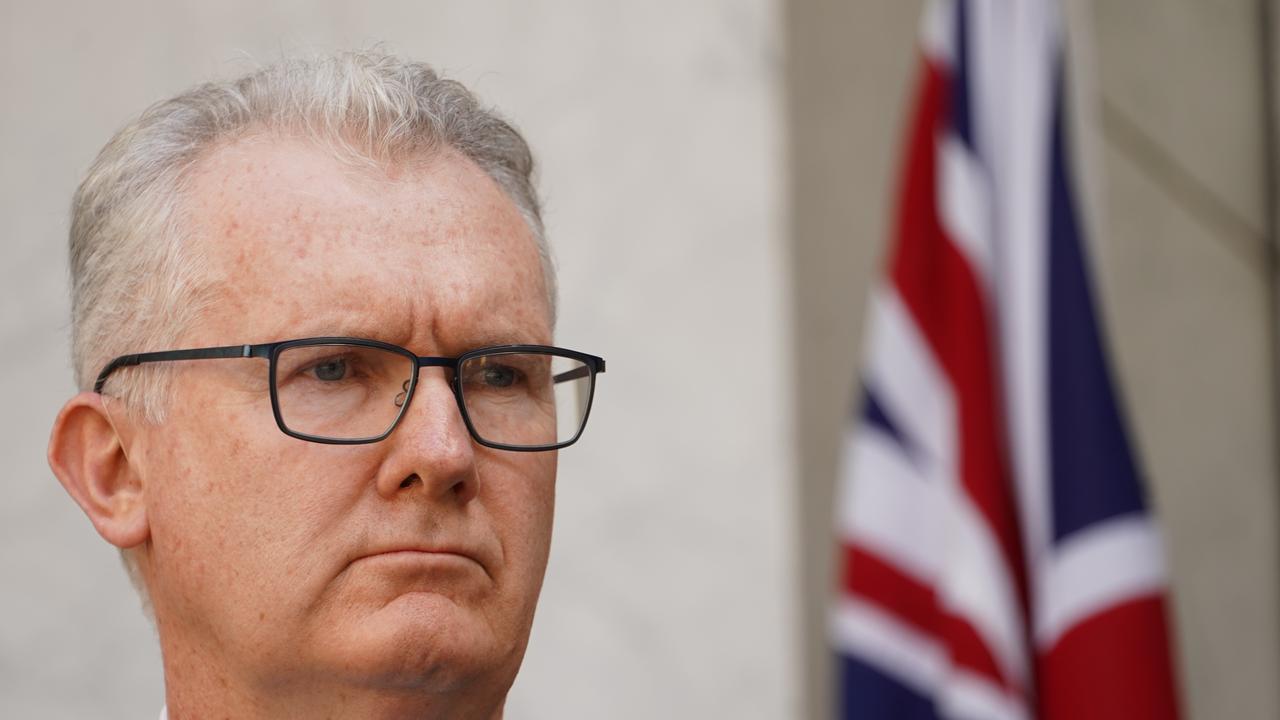
Sharing information across jurisdictions and putting hate-crime data in one place for the first time would give governments a metric to assess whether their efforts were making a difference, Home Affairs Minister Tony Burke said.
The government is also working to strengthen the minister's powers to cancel or reject visas for those who spread hate and division.
Mr Burke already has broad discretion to cancel the visas of non-citizens, as he did in the case of a 43-year-old British national who was accused of displaying Nazi symbols.
The proposed laws would lower the threshold to assess how a person's actions incite discord in the community.
"My view is an incitement of hate should be enough," he said.
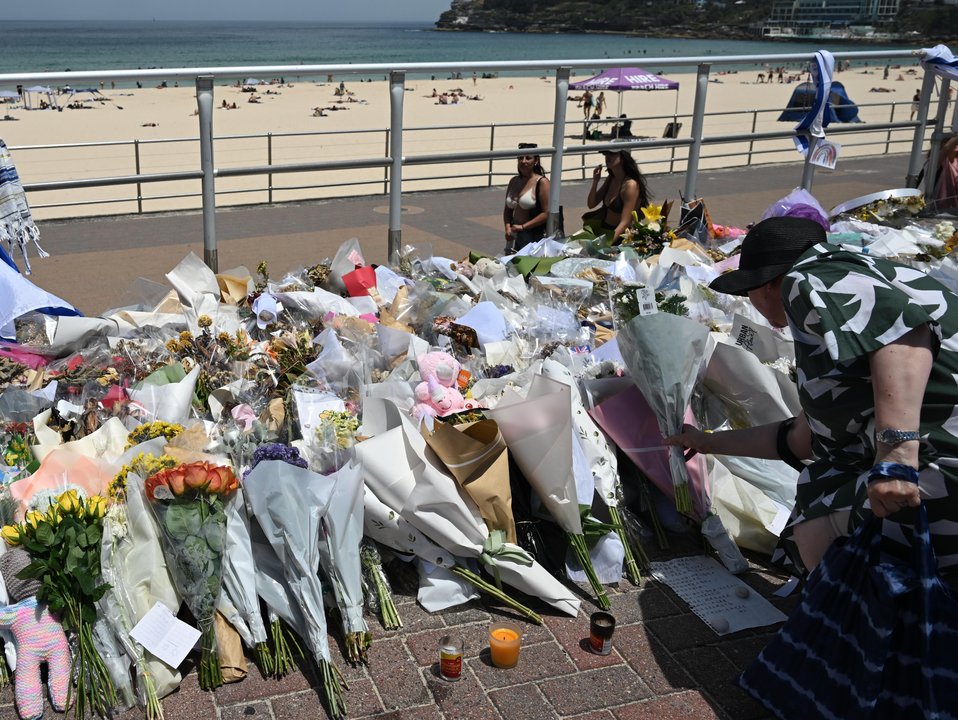
The political rhetoric over Labor's refusal to launch a royal commission into the attack continued to run hot.
Opposition education spokesman Julian Leeser said Mr Albanese was "desecrating the memory" of the victims.
Mr Albanese has cited the fact that no royal commissions were called following the Port Arthur massacre or Lindt cafe siege.
Mr Leeser echoed comments from the family of Lindt cafe victim Katrina Dawson, who said they were appalled the siege was being used as an excuse to avoid a royal commission.
"Those other instances were single-issue tragedies," Mr Leeser said.
"What we have here is a terrorist attack that has been born of the fact that for two years, anti-Semitism has been allowed to ferment in this country."
Labor is instead prioritising a quicker but more limited review of intelligence and law enforcement agencies.
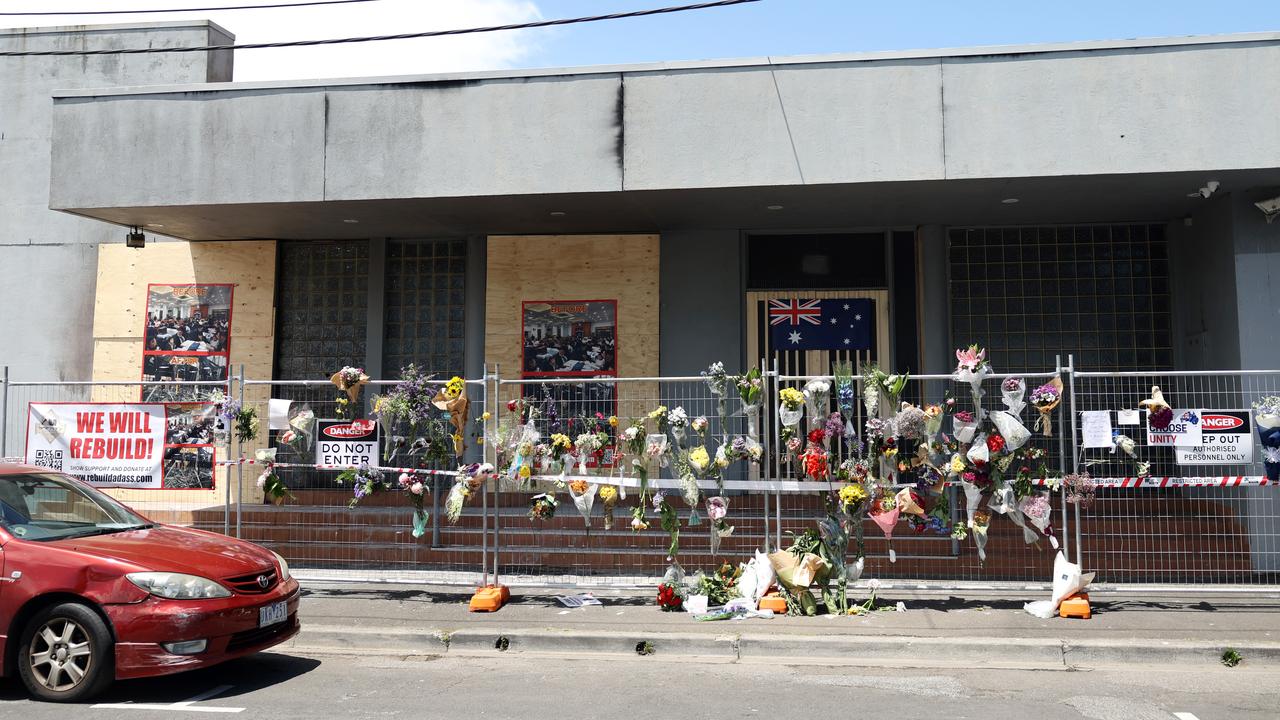
Pollster Kos Samaras warned partisanship around issues like the royal commission and action to combat anti-Semitism risked turning off voters.
Following heated criticism from members of the Jewish community and the opposition, Mr Albanese's net performance rating dropped 15 points to negative nine, according to a recent Resolve poll.
But Ms Ley's performance rating also dropped, down seven points to negative four.
"Australians don't want a partisan political debate on this, they want a response that's unified, that reassures them they're going to be safe," Mr Samaras told AAP.
Mr Albanese has invited Israeli President Isaac Herzog to visit Australia after expressing his "profound shock and dismay" over the Bondi attack during a phone conversation.
Lifeline 13 11 14
beyondblue 1300 22 4636